
Asteroid’s Devastating Legacy (Image Credits: Pixabay)
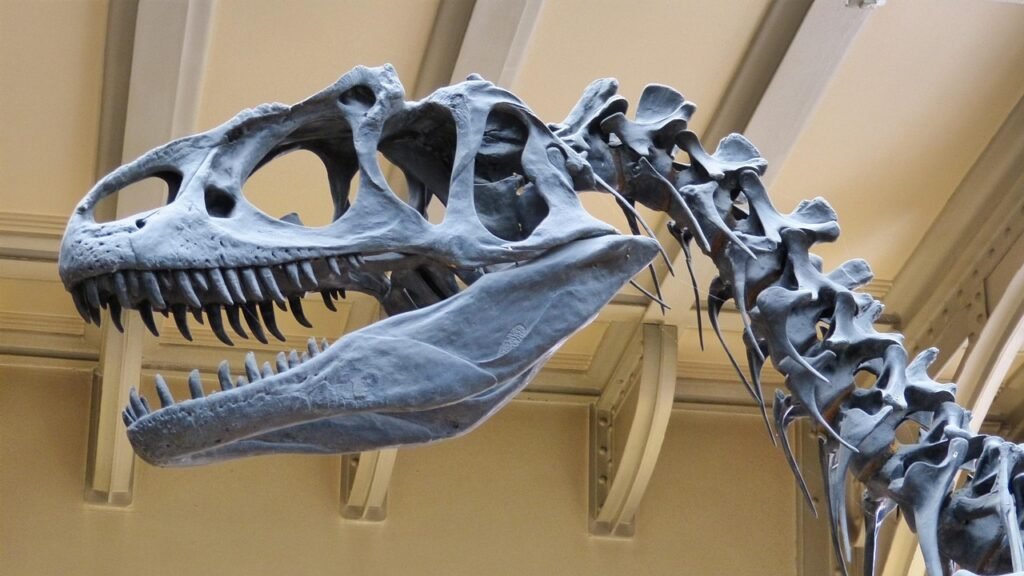
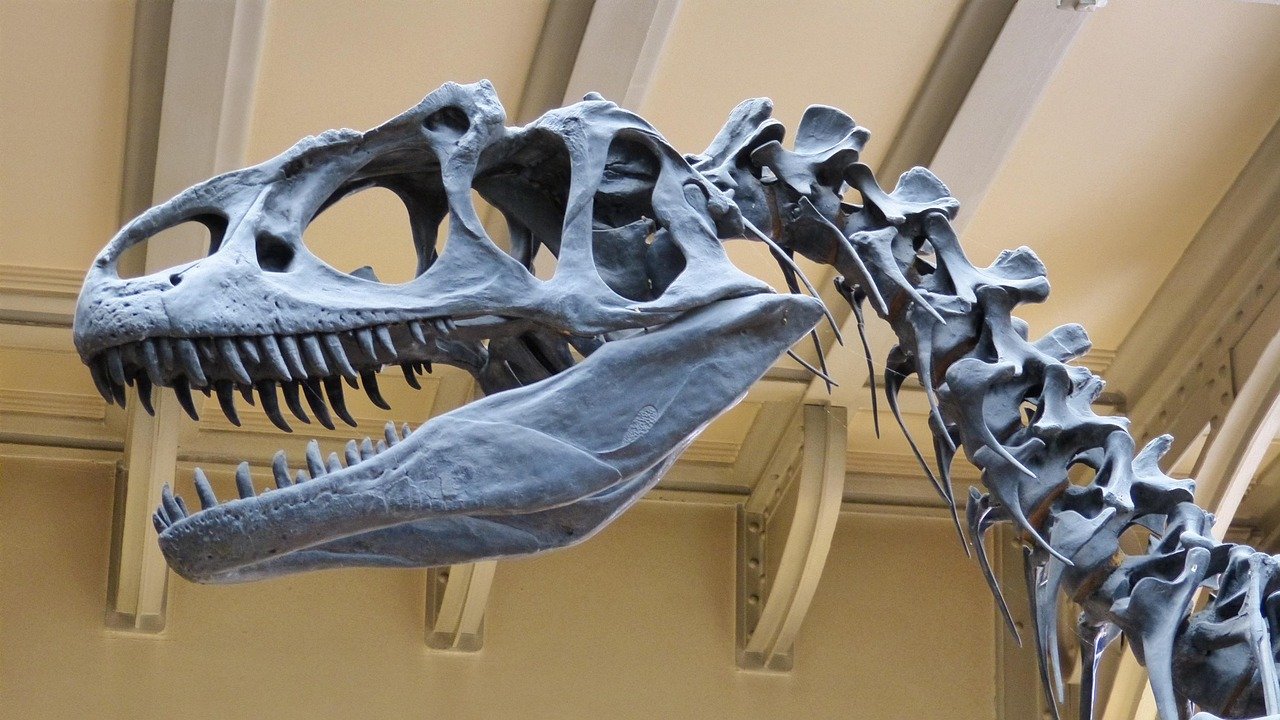
Yucatán Peninsula, Mexico – Sixty-six million years ago, a massive asteroid struck Earth, triggering a mass extinction that erased nonavian dinosaurs and three-quarters of all plant and animal species.[1][2]
Asteroid’s Devastating Legacy
The Chicxulub impact unleashed global darkness from soot and dust, followed by rapid warming that reshaped oceans and land. Marine plankton, crucial to food webs, suffered near-total collapse, leaving vast ecological voids. Researchers long assumed recovery dragged on for tens of thousands of years, based on older sedimentation estimates.
Yet recent analysis upended that view. Scientists examined sediment cores from multiple sites, revealing life’s rebound occurred far sooner. Christopher Lowery, a paleoceanographer at the University of Texas at Austin, described the pace as “ridiculously fast.” This shift recasts the early Paleocene epoch as an era of explosive biological innovation.[1]
Unlocking Precise Timelines with Helium-3
The breakthrough came from helium-3, a rare isotope delivered steadily by interplanetary dust. By measuring its concentration in post-impact sediments, the team calculated true accumulation rates, which spiked due to plankton die-offs and erosion. They focused on six key sites, including the Chicxulub crater itself and marine deposits in Italy, Spain, and Tunisia.
Previously, a 2011 study pegged the first recovery signs at 30,000 years post-impact. The new work slashed that figure dramatically. On average, the marker species Parvularugoglobigerina eugubina – a tiny planktonic foraminifer – appeared just 6,400 years after the strike. Other novel plankton surfaced within 1,000 to 2,000 years, with 10 to 20 new foraminifera species evolving by around 6,000 years.[2][3]
Species That Filled the Void
P. eugubina marked the dawn of recovery, its shells preserved in sediments worldwide. At El Kef in Tunisia, it emerged about 6,600 years later, roughly 50 centimeters above the extinction boundary. Algae and additional plankton forms quickly followed, exploiting nutrient-rich waters amid the chaos.
Here are the study sites and their insights:
- Chicxulub crater, Mexico: Around 6,000 years to first P. eugubina.
- El Kef, Tunisia: 6,600 years post-impact.
- Italy and Spain deposits: Times ranging 3,500 to 11,000 years.
- Gulf of Mexico sites: Confirmed rapid sedimentation shifts.
Lowery noted this offers a “rare opportunity in the geological past to understand how ecosystems can recover from these quick, severe changes.”[1]
Lessons from Ancient Resilience
Though new species proliferated swiftly, full ecosystems took millions of years to stabilize. No dinosaur equivalents returned, underscoring evolution’s creative limits. Brian Huber, a paleobiologist at the Smithsonian National Museum of Natural History, called the findings “a real eye-opener.”
Today’s biodiversity crisis draws parallels. The study, detailed in Geology and reported by Science News, highlights life’s potential for rapid adaptation amid upheaval like climate change.[1]
Key Takeaways
- New plankton appeared within 1,000–6,400 years post-impact, far quicker than prior estimates.
- Helium-3 enabled precise dating across global sites.
- Insights aid understanding of recovery from modern extinctions.
Earth’s history proves biology can innovate at breakneck speed after catastrophe, yet true restoration demands time. What does this mean for our planet’s future? Share your thoughts in the comments.