
What if the next viral photograph wasn’t just breathtaking, but also a silent alarm for our planet? Across mountains, forests, and melting glaciers, nature photographers do much more than capture beauty—they become frontline witnesses to Earth’s changing story. Their images, sometimes haunting, sometimes hopeful, reveal truths about climate change and conservation that words alone can’t express. Through the lens, every leaf, animal, and cloud becomes evidence, a record, and sometimes a warning. In a world where scientific data can feel distant, these vivid snapshots have the power to move, educate, and inspire us all. Let’s journey through the wild world of nature photography and discover how it’s shaping the future of our planet.
The Silent Witness: Photographs as Evidence
Nature photography quietly records the world as it is, making each image a piece of evidence in the story of climate change. When glaciers shrink year after year, or forests thin and fade, photographs make these changes visible and undeniable. Scientists and conservationists rely on these visual records to track long-term shifts in ecosystems. Even a single photograph, when compared with older images, can reveal stunning differences that might otherwise go unnoticed. Photographs are immune to memory’s tricks—they show us the truth of the moment, no matter how uncomfortable. In courtrooms, research papers, and government meetings, these images often become powerful proof that something is changing fast. The camera doesn’t lie, and it doesn’t forget.
Chronicling Vanishing Landscapes
Some of the most striking climate change evidence comes from landscapes that are slowly disappearing. Think of the classic “before and after” shots of receding glaciers, drying lakes, or shrinking forests. Photographers spend years revisiting the same places, patiently documenting subtle but relentless transformation. These images become time capsules, capturing the last breaths of an ecosystem or the slow creep of desertification. When we see a lush wetland turn into cracked earth, it’s hard not to feel the urgency. These visual stories stir emotions in ways charts and graphs rarely can, helping people truly grasp what’s at stake.
Tracking Wildlife Migrations and Behavior
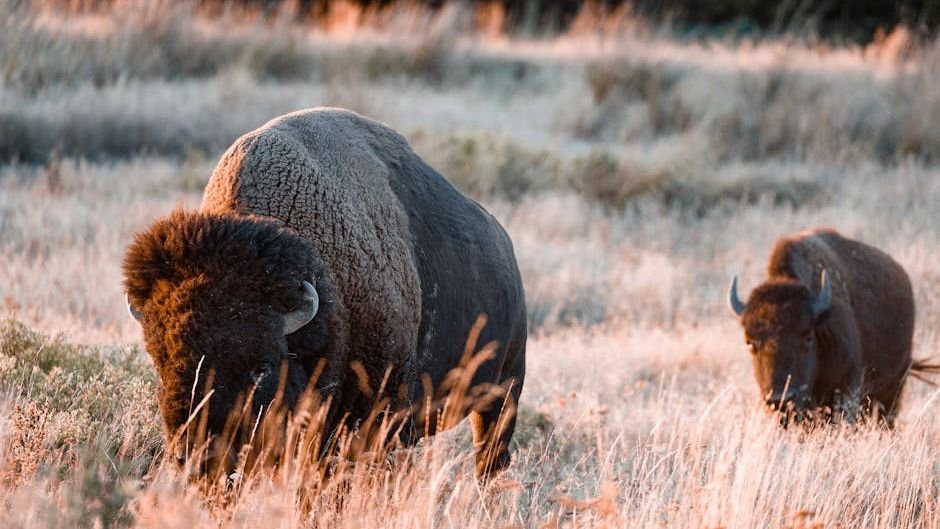
Animals are on the move, and nature photographers are there to catch every step. Birds arriving earlier each spring, whales swimming farther north, butterflies appearing in unexpected places—each of these shifts tells a story about climate change. Photographers provide real-time updates on animal behavior, migrations, and population changes. Their photos help scientists pinpoint when and where species are responding to new temperature patterns or habitat loss. Sometimes, a single photograph can spark a breakthrough—a rare bird in a new region, for example, can signal a much larger environmental shift. Through their patient observations, photographers become the eyes and ears of the wild.
Revealing the Effects of Extreme Weather
Extreme weather events—hurricanes, wildfires, droughts, and floods—are becoming more common and severe. Nature photographers often brave these dangerous conditions to document the aftermath. Their images capture not only the destruction but also the resilience of life that remains. Charred forests, flooded towns, and battered coastlines become more than just news—they become urgent calls to action. By comparing photographs over time, experts can track how often and how severely these events occur. These records help scientists understand patterns and make predictions, and they give the public a front-row seat to the realities of climate change.
Uncovering Hidden Biodiversity
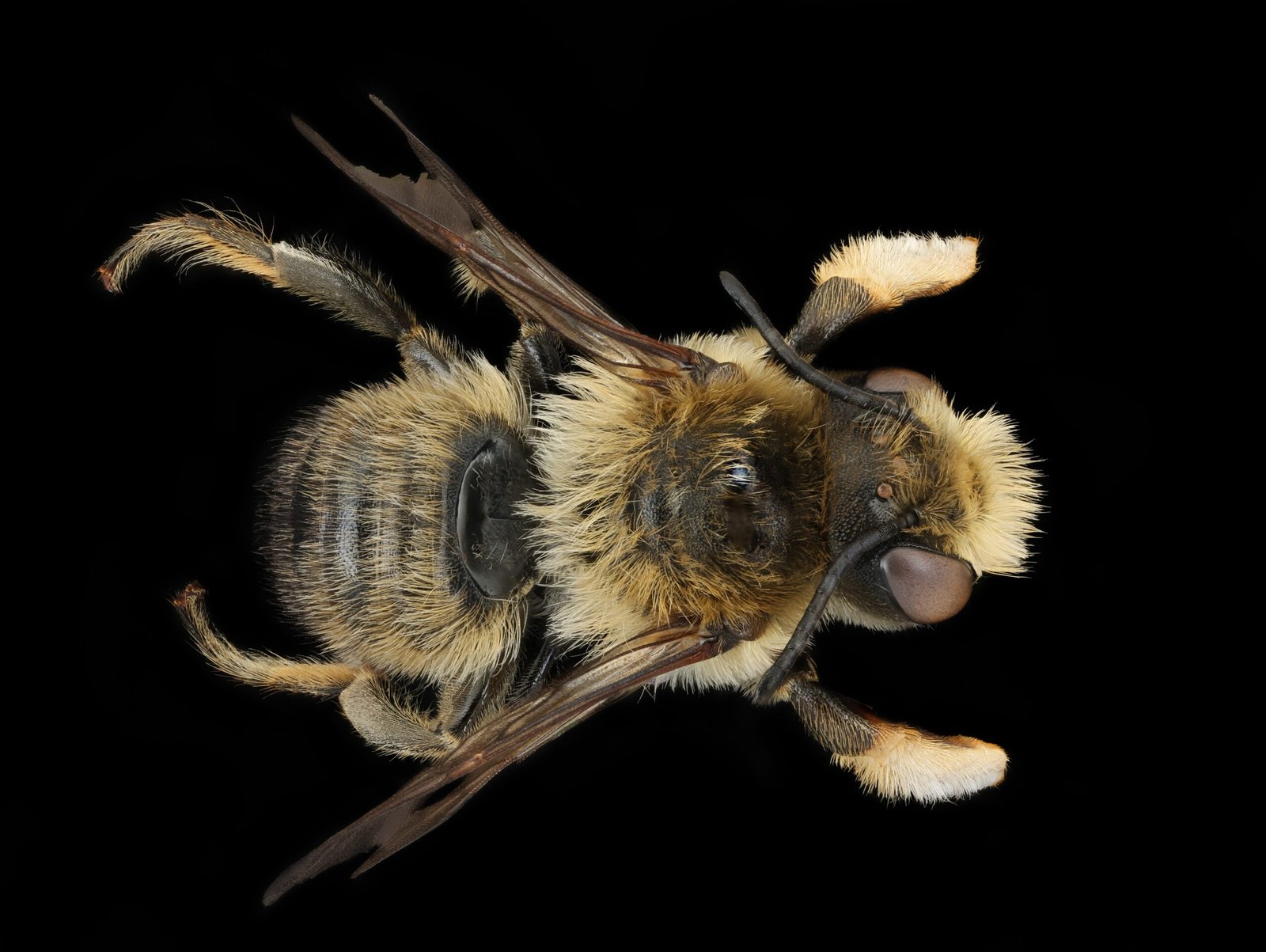
Sometimes, the camera finds what the naked eye misses. Macro photography, for example, brings tiny plants, insects, and fungi into focus, revealing the intricate web of life that supports entire ecosystems. These images can lead to the discovery of new species or the rediscovery of animals thought extinct. By documenting the presence and health of these smaller creatures, photographers contribute to understanding biodiversity. When species start to disappear from the frame, it’s a quiet warning that something is wrong. Every photograph becomes a small puzzle piece in the larger picture of planetary health.
Empowering Citizen Science
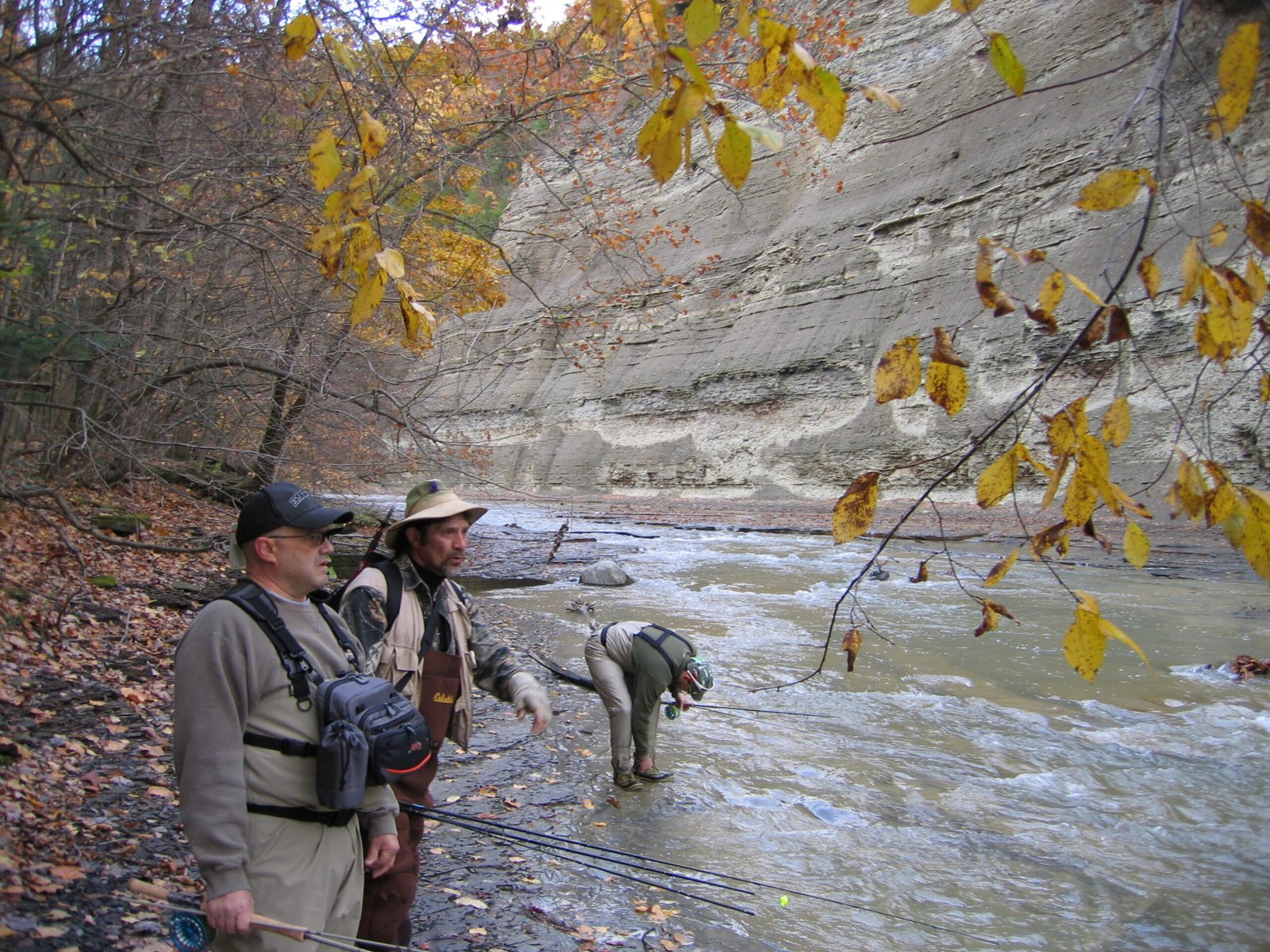
Nature photography isn’t just for professionals—anyone with a camera or smartphone can contribute valuable data. Citizen scientists around the world upload millions of wildlife and landscape images to online databases. These collective efforts create massive, living archives that help researchers track changes in real time. Platforms like iNaturalist and eBird rely on user-submitted photographs to map species distributions and monitor trends. With every snapshot, ordinary people become part of the scientific process, making conservation a truly global effort. It’s proof that you don’t need a fancy degree to make a difference.
Connecting Hearts and Minds
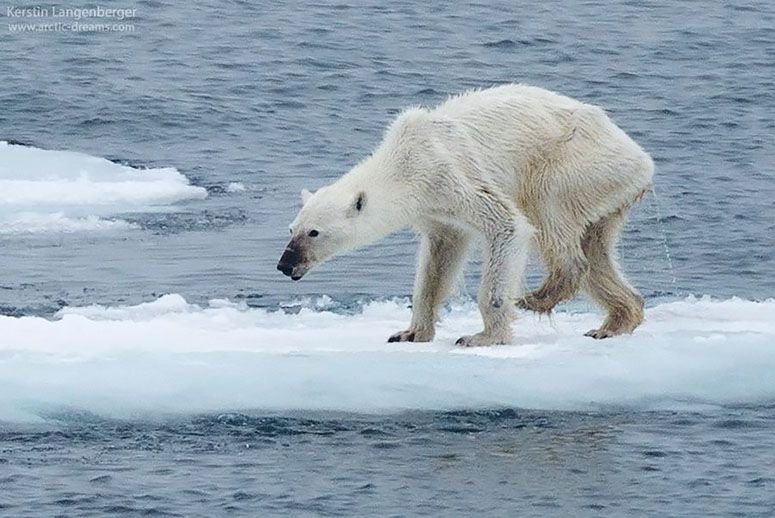
A photograph can do what statistics rarely achieve: it can make us feel. Photos of polar bears stranded on melting ice, or coral reefs bleached to white, tug at our emotions and break through the noise of everyday life. This emotional connection is crucial for building public support for conservation and climate action. When people see the beauty and fragility of nature up close, they’re more likely to care—and to act. Photographers wield their cameras like lanterns, shining light on both tragedy and hope, and helping others see what’s worth fighting for.
Documenting Indigenous Knowledge and Practices
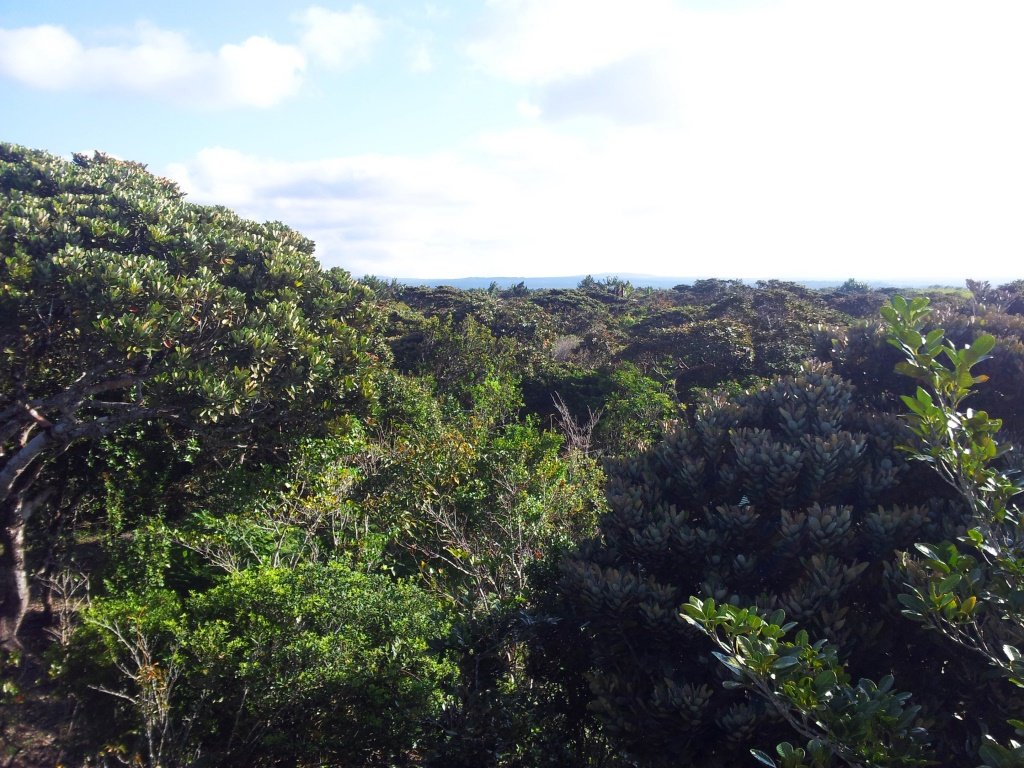
Many of the world’s most threatened ecosystems are also home to Indigenous communities with deep knowledge of the land. Nature photographers often collaborate with these communities, documenting traditional conservation practices and changes in the environment. These images help preserve cultural heritage and highlight the role of Indigenous stewardship in protecting biodiversity. They also provide visual proof of how climate change affects people who are most vulnerable, yet often overlooked in global discussions. Through respectful storytelling, photography bridges worlds and amplifies voices that need to be heard.
Monitoring Forest Health and Deforestation
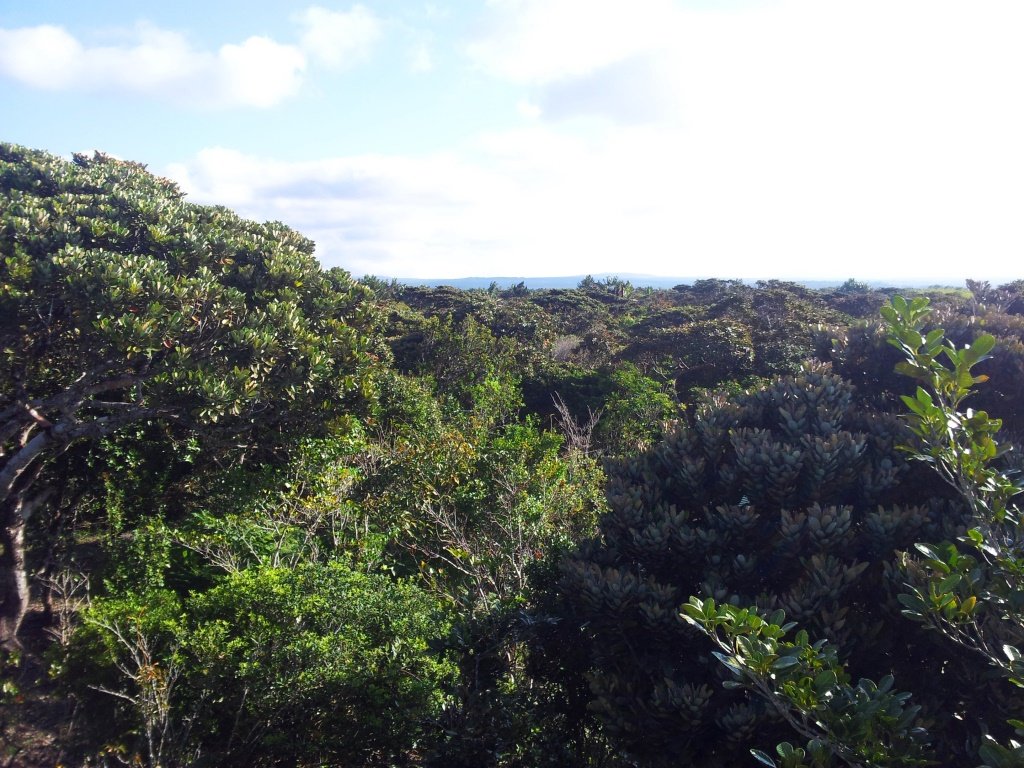
Forests are the lungs of our planet, and nature photographers play a crucial role in tracking their health. Aerial photographs can reveal vast swathes of deforestation, illegal logging, or new growth after restoration. On the ground, images document the spread of disease, invasive species, or the slow recovery after wildfire. These visual records help policymakers and activists pinpoint where action is needed most. Photographs also give the public a clear view of what’s at stake when forests disappear—not just trees, but entire worlds of living things.
Spotlighting Conservation Success Stories
It’s not all doom and gloom—nature photography also celebrates the victories. Images of animals returning to restored habitats, or forests rebounding after years of effort, inspire hope and encourage continued action. These success stories show that conservation works and that change is possible. When people see the faces of rescued species or flourishing landscapes, they’re reminded that every small effort can add up to something big. Photographs become both a reward and a rallying cry for everyone involved in conservation.
Supporting Scientific Communication
Scientists often struggle to convey complex ideas to the public, but a single photograph can speak volumes. Nature photography bridges the gap between scientific research and public understanding. Images make findings more accessible, helping people grasp abstract concepts like ocean acidification or habitat fragmentation. They also bring a sense of immediacy and reality to issues that can otherwise seem distant. When paired with data, photographs turn dry reports into compelling stories that resonate far beyond the lab.
Raising Awareness of Endangered Species
Photos of rare and endangered animals have a special power—they can create instant celebrities out of the world’s most vulnerable creatures. Think of the famous images of the last northern white rhinos or the haunting stare of an Amur leopard. These portraits put a face to extinction, making the issue personal and urgent. Conservation groups often rely on powerful images to raise funds, gather support, and drive policy changes. Behind every photograph of an endangered species is a plea: don’t let this be the last picture we ever take.
Encouraging Responsible Ecotourism
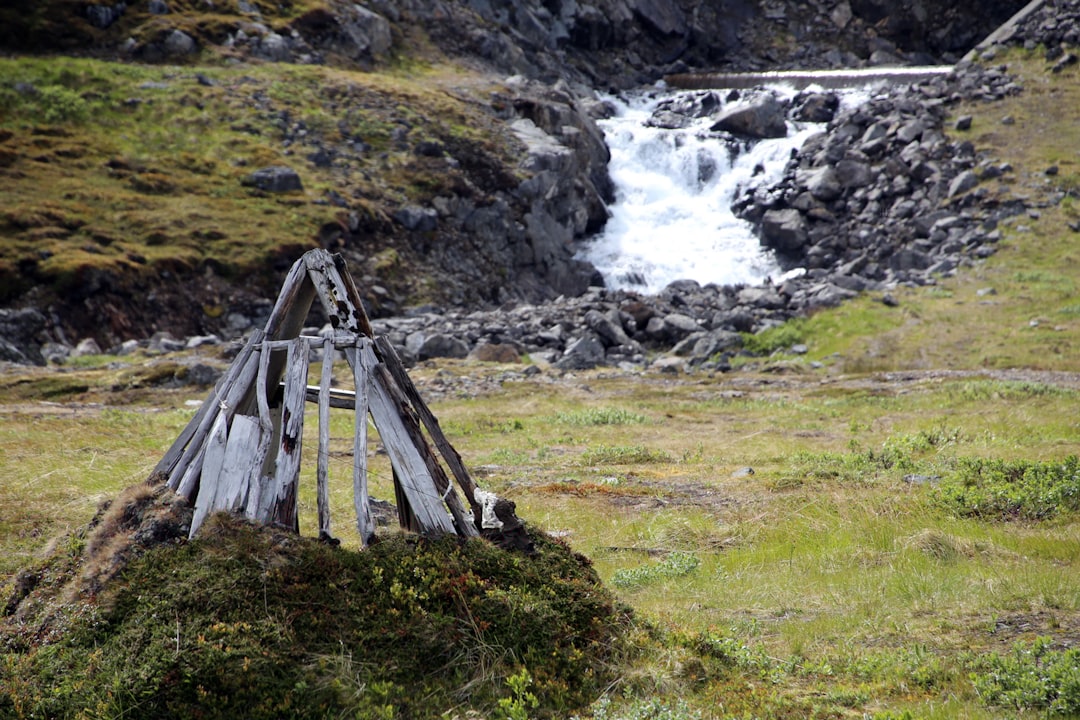
Nature photography often sparks curiosity and a desire to see wild places firsthand. This interest can be a double-edged sword: tourism can bring both benefits and harm to fragile ecosystems. When done responsibly, however, ecotourism supports local economies and funds conservation efforts. Photographers help promote best practices by showcasing respectful wildlife encounters and sustainable travel. Their images can guide tourists toward ethical choices, ensuring that visits protect rather than endanger the places and creatures they love.
Exposing Environmental Crimes
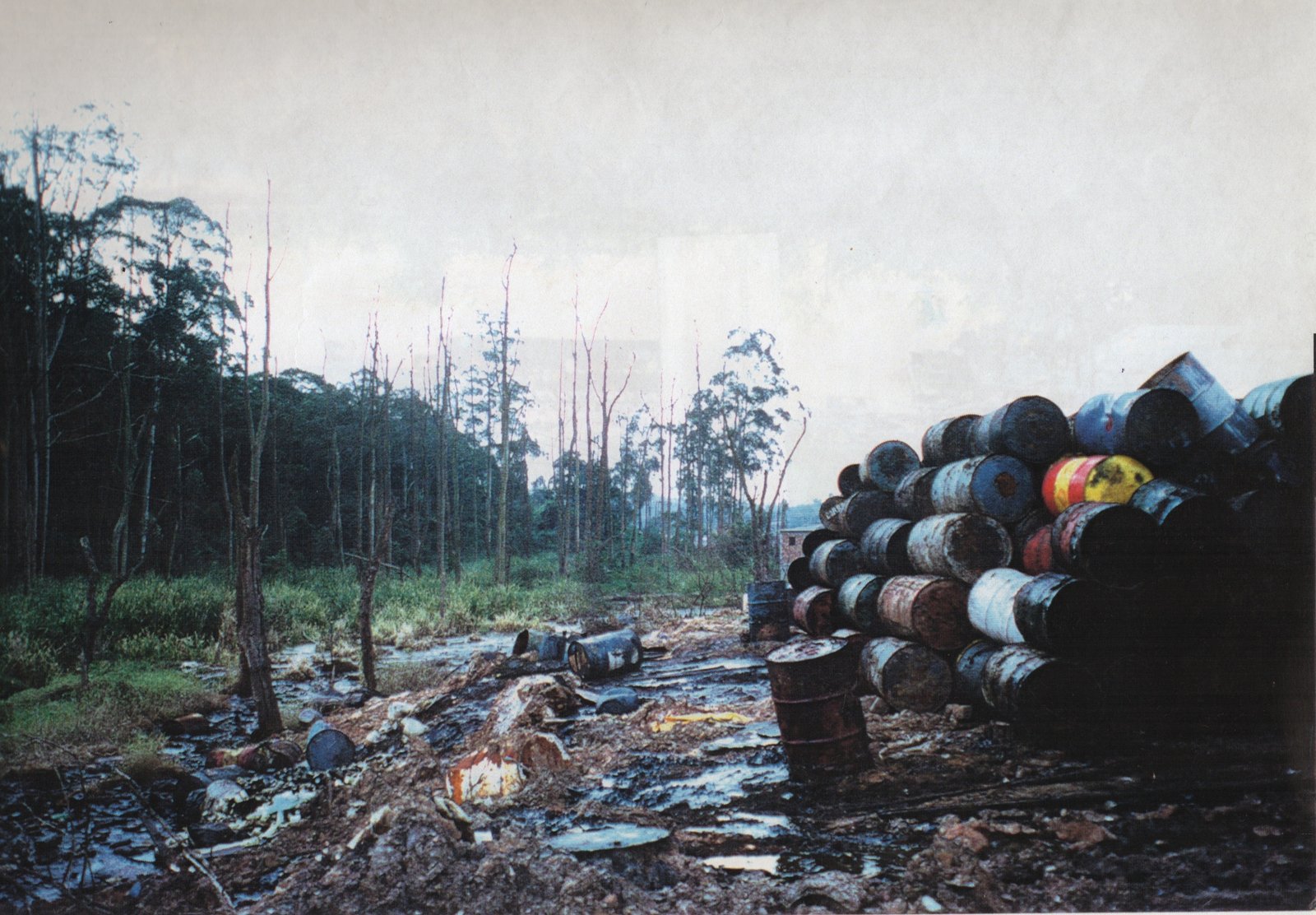
Illegal activities like poaching, logging, and mining often happen in remote areas, out of sight and out of mind. Nature photographers sometimes risk their safety to document these crimes. Their images provide undeniable evidence that can be used in legal cases or to pressure governments into action. Shocking photos of animal traps, clear-cut forests, or polluted rivers bring hidden damage into the public eye. These visual testimonies remind us that the fight for conservation isn’t just about nature—it’s also about justice.
Inspiring Youth and the Next Generation
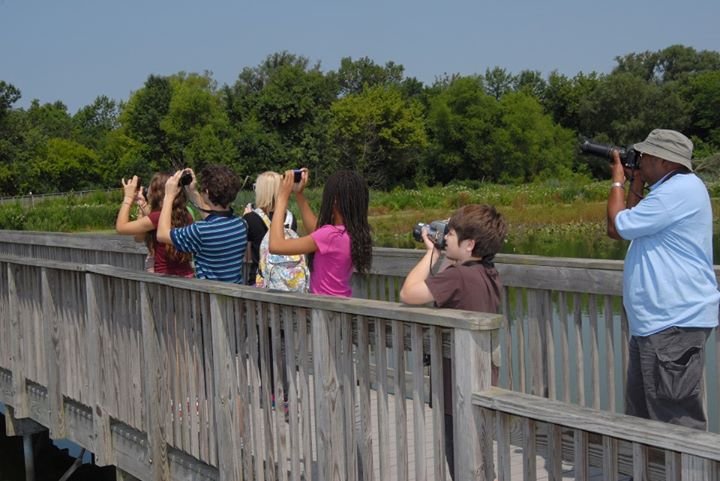
The next wave of conservationists is growing up in a world flooded with images. Powerful nature photography can spark a lifelong passion for science, wildlife, and environmental protection. Programs that teach young people how to use cameras in the wild give them a sense of agency and connection to their world. When children see their photographs published or recognized, it boosts their confidence and curiosity. These young photographers might one day become the scientists, activists, or storytellers who lead the fight for our planet.
Capturing Seasonal Shifts and Phenology
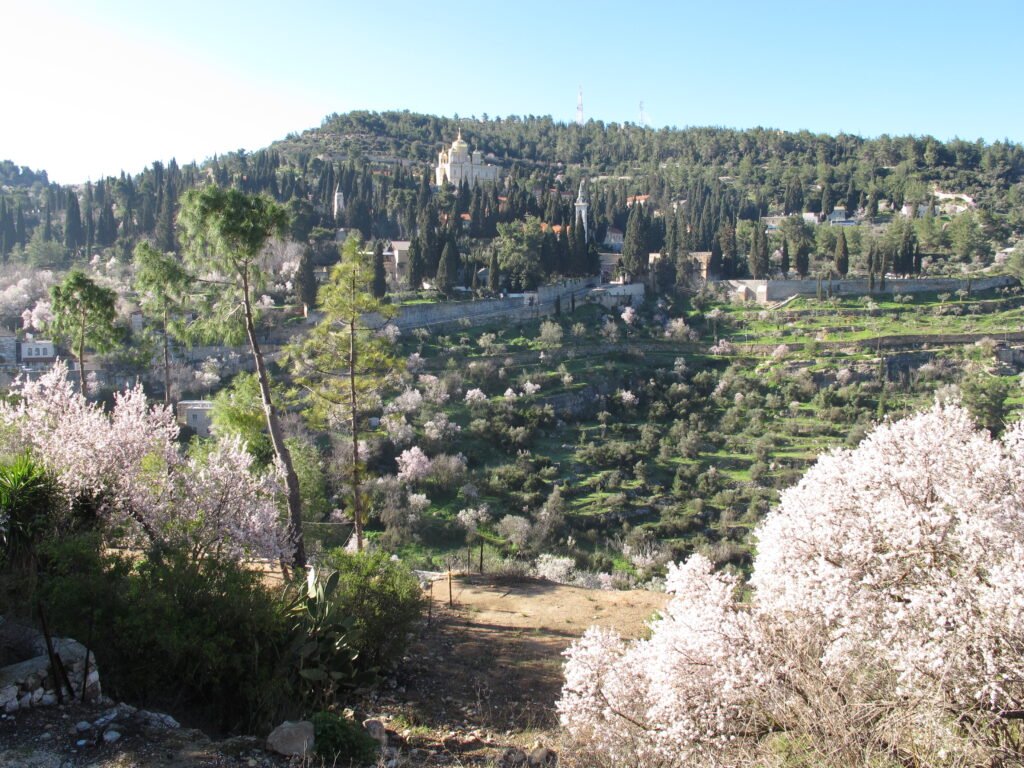
Changes in the timing of natural events—like flowers blooming, leaves changing color, or animals breeding—are key indicators of climate change. Nature photographers, especially those who revisit the same locations over years, build up a visual calendar of these shifts. Comparing images from different years can reveal subtle but important changes in the rhythms of nature. This field, called phenology, provides vital clues for scientists studying how ecosystems respond to warming temperatures. A photograph of cherry blossoms blooming weeks early tells a story that numbers alone can’t capture.
Promoting Global Collaboration
Nature photography crosses borders and languages, connecting people from every corner of the planet. International photo projects and competitions bring together images from rainforests, tundras, deserts, and oceans. This global perspective helps scientists and activists see patterns and share solutions. When people realize that the same changes are happening everywhere, it fosters a sense of shared responsibility and purpose. Photographers become ambassadors, reminding us that climate change and conservation are challenges we all face together.
Driving Policy and Advocacy
When policymakers debate environmental issues, it’s often the photographs—more than the statistics—that sway opinions. Iconic images can galvanize public support, influence elections, and even change laws. Advocacy groups use photography in campaigns to humanize complex issues and make them relatable. A picture of a child wading through floodwaters, or a once-vibrant forest turned to stumps, can shift the conversation from abstract numbers to real-world impact. These powerful visuals put pressure on leaders to act.
Recording Recovery After Disasters
Natural disasters can devastate landscapes in minutes, but recovery takes years or decades. Nature photographers document both the immediate aftermath and the slow return of life to affected areas. Their images capture the resilience of plants, animals, and communities rebuilding after fires, storms, or floods. These visual records help scientists study recovery processes and guide restoration efforts. They also offer hope, showing that even the most battered ecosystems can heal with time and care.
Fostering Personal Reflection and Responsibility
Finally, nature photography invites each of us to pause and reflect on our own relationship with the natural world. When you see a haunting image of a dying forest or a joyful snapshot of a thriving wetland, it’s hard not to wonder: what role do I play in this story? Photographs challenge us to consider our choices, from the food we eat to the energy we use. They remind us that conservation isn’t just for scientists or activists—it’s for everyone who calls this planet home.