Have you ever wondered why some people can switch languages mid-sentence and seem to change their emotional tone along with it? Imagine sharing a secret in Spanish, arguing in Russian, or declaring love in French—each language feels a little different in your heart. Recent scientific discoveries reveal a fascinating truth: multilingual brains don’t just juggle words, they actually experience and process emotions in unique ways depending on the language used. This astonishing phenomenon is not just about vocabulary or grammar; it’s about how deeply language shapes our very feelings and perceptions of the world. Dive into the mysterious world inside the multilingual mind. What you find might just change how you think about language—and emotion—forever.
The Emotional Power of Language

Language is much more than a tool for communication; it’s a vessel for emotion, memory, and even identity. When we speak our native tongue, we often feel emotions more intensely. This could be why a childhood lullaby in your first language can make you tear up, while the same song in another language doesn’t have the same impact. Scientists suggest this is because our earliest emotional experiences are tied to the words we first learned. The vocabulary, sounds, and rhythms of our mother tongue become woven into our emotional memories, making them more potent and personal.
How the Brain Juggles Multiple Languages
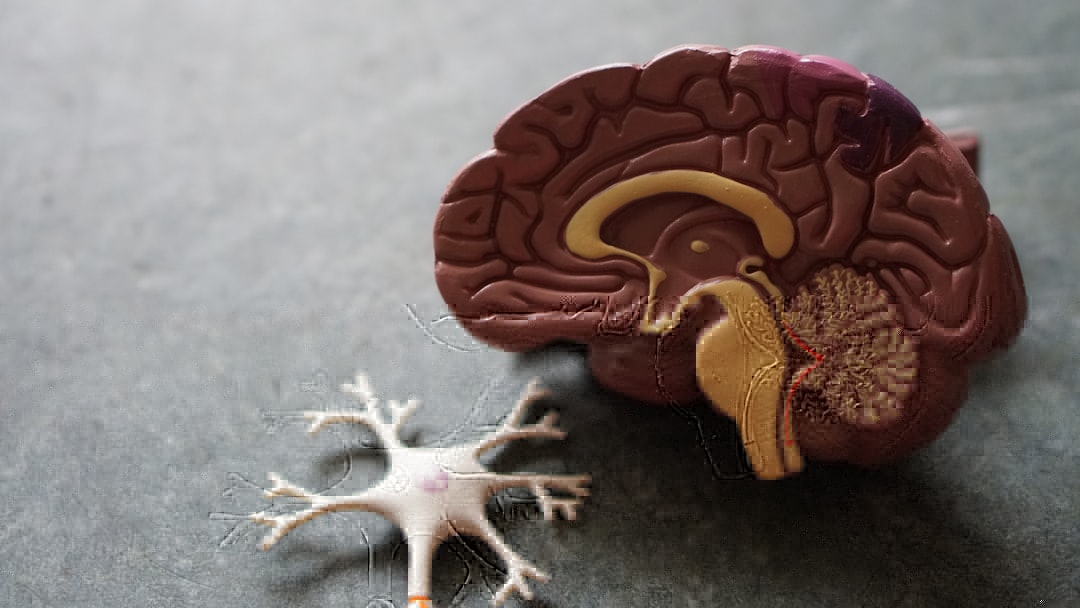
Multilingual individuals possess brains that are constantly active, managing several languages at once. Neuroimaging studies show that when switching languages, the brain’s executive control network lights up, helping to filter words and emotions based on context. This juggling act is not just about words; it’s about shifting emotional gears, too. For example, a person may feel more formal and reserved in English but more playful and expressive in Italian. The brain’s ability to switch between these emotional modes is a testament to its extraordinary flexibility.
Emotional Distance in a Second Language

Surprisingly, many multilingual people report feeling less emotional intensity when speaking a non-native language. This phenomenon is called “emotional distance.” Research indicates that when processing emotions in a second or third language, the brain engages areas responsible for rational thinking more than emotional processing. This can make it easier to talk about traumatic or embarrassing topics, negotiate conflicts, or make tough decisions without feeling overwhelmed. It’s as if an extra layer of insulation forms around the heart, allowing for clearer, more detached thinking.
Real-World Examples: Love, Anger, and Laughter in Multiple Tongues

Imagine saying “I love you” in your first language versus a language you learned later in life. Many bilinguals confess the phrase feels more genuine in their mother tongue. On the other hand, swearing or expressing anger can sometimes feel less taboo in a foreign language, making it easier to vent without as much guilt or shame. Laughter, too, can change; jokes that are hilarious in one language might fall flat in another, revealing how humor is deeply connected to cultural and emotional context.
Childhood Language and Emotional Roots

The first language we learn shapes our emotional landscape from the very beginning. Childhood memories, parental affection, and early friendships are all wrapped up in the sounds and meanings of our native tongue. When multilinguals switch to these early languages, they often experience a wave of nostalgia or heightened emotion. This is why people who move abroad may feel a sudden rush of homesickness upon hearing their childhood language spoken, even years later.
Code-Switching: Shifting Feelings on the Fly

Code-switching—alternating between languages in conversation—is more than a linguistic trick. It’s a way for multilinguals to access different emotional registers depending on the situation. For example, a person might use one language for serious discussions and another for jokes or affection. This switching can be automatic, reflecting subtle shifts in mood, intimacy, or social context. It’s almost like having a set of emotional toolkits, each available with the flip of a linguistic switch.
The Role of Culture in Emotional Processing

Culture and language are inseparable, and each language carries its own emotional norms. In some cultures, it’s normal to openly express feelings, while in others, restraint is valued. When a multilingual person switches languages, they often unconsciously adapt to these cultural expectations. For instance, a person might be more reserved when speaking Japanese and more demonstrative in Spanish, reflecting the unspoken emotional “rules” of each culture.
Scientific Insights: Brain Imaging and Emotional Response
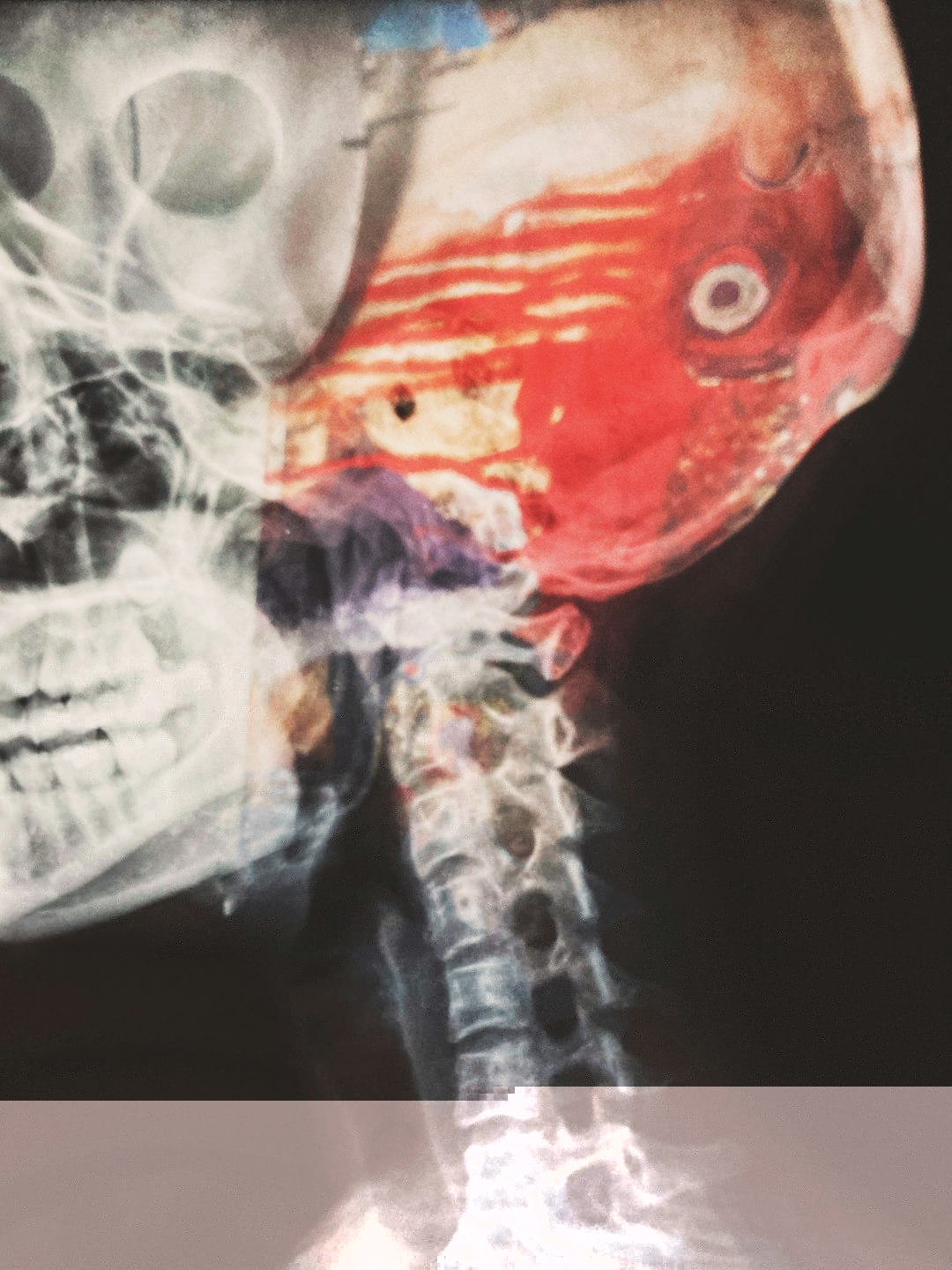
Modern brain imaging techniques like fMRI have allowed scientists to peer into the multilingual mind. These studies show that different languages activate different networks in the brain, especially when processing emotional content. For example, reading a sad story in a native language triggers greater activity in the limbic system, the brain’s emotional center, compared to reading it in a learned language. This gives physical proof that language and emotion are deeply entwined in the brain’s wiring.
Language Learning and Emotional Flexibility

Learning a new language isn’t just about memorizing words; it can actually change the way we feel. Studies have found that multilinguals become more emotionally adaptable, able to express and manage feelings in different ways depending on the language they use. This emotional flexibility can lead to greater empathy, improved conflict resolution, and even a broader sense of identity. It’s as if learning new languages opens up hidden rooms in the mansion of the mind, each with its own emotional atmosphere.
Therapy and Emotional Healing Across Languages
Therapists working with multilingual clients have discovered something remarkable: the choice of language can dramatically affect how deeply a person connects with their emotions. Some people find it easier to confront painful memories in a second language, while others need their native tongue to truly process grief or joy. This insight is transforming psychological care, as therapists learn to navigate the emotional landscapes of multilingual clients with greater sensitivity and precision.
The Mystery of Emotional Memory
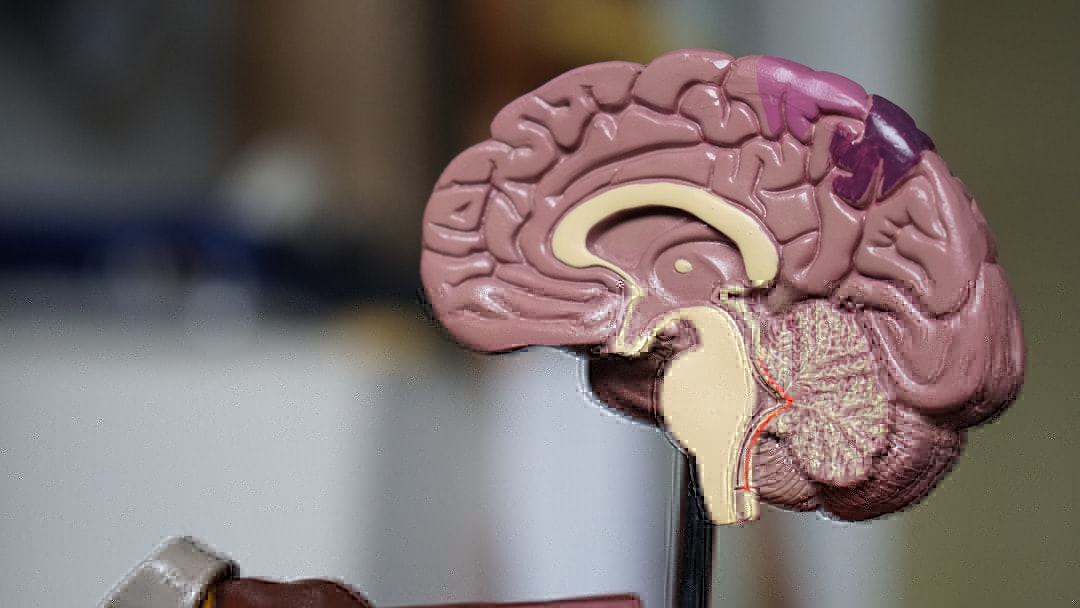
Our brains store emotional memories alongside the language in which they were formed. This means that certain smells, sounds, or words in a particular language can trigger vivid emotional flashbacks. For multilinguals, a single phrase in an old dialect can summon a flood of childhood feelings, while the same idea in another language leaves them unmoved. This intertwining of language and emotion hints at the incredible complexity and richness of the human mind.
What Does This Mean for the Future?

As our world becomes more interconnected and multilingualism more common, understanding how language shapes emotion will only grow in importance. From education to mental health, and even international diplomacy, recognizing the emotional nuances of language could transform the way we communicate and connect. Imagine a future where we consciously choose our words—and our languages—to shape not just what we say, but how we feel and how we make others feel in return.