
Imagine standing on the deck of the Titanic in 1912, staring into the cold Atlantic night, icebergs looming like silent sentinels. Now, fast forward to today—what if I told you that much of the world’s ancient ice is quietly vanishing, melting away faster than most of us can comprehend? Glaciers, once thought untouchable and eternal, are shrinking dramatically, and their story is more gripping than any disaster at sea. How much ice is left, really? Let’s journey through time and landscape to discover the shocking truth behind our planet’s disappearing giants.
The Titanic’s World: Ice in 1912
In 1912, when the Titanic set sail, Earth was in the grip of a chillier era. Glaciers stretched far and wide, and polar ice caps were massive, dominating the landscape. The very iceberg that doomed the Titanic was just one of countless chunks broken off from Greenland’s immense ice sheet. Back then, glaciers seemed infinite and unyielding, with many scientists believing these icy giants would last forever. The climate was cooler, and the human footprint on global temperatures was still small. The sight of icebergs was so common that shipping routes were mapped around them. The frigid world the Titanic sailed through is almost unrecognizable compared to today’s rapidly warming planet.
What Exactly Is a Glacier?
A glacier is more than just a pile of snow and ice. It’s a living river of frozen water, slowly flowing over land under its own massive weight. Glaciers are born from years—sometimes centuries—of snowfall, compacting into solid ice that can move like a conveyor belt, shaping mountains and valleys as they go. They store about three-quarters of the world’s fresh water, making them critical to life on Earth. When we talk about losing glaciers, we’re not just losing ice—we’re losing vast reservoirs that feed rivers, support farming, and sustain countless communities. Imagine a gigantic, slow-moving ice cube, but one that holds the fate of millions in its chilly embrace.
Why Are Glaciers Melting So Fast?
Since the time of the Titanic, global temperatures have climbed at an unprecedented rate, thanks largely to the burning of fossil fuels and the release of greenhouse gases. Warmer air melts glaciers from above, while warming oceans nibble at their edges from below. Even small increases in temperature can have dramatic effects, causing glaciers to shrink, retreat, and even collapse. Scientists have measured that glaciers are now losing ice at a rate that’s nearly four times faster than in the 1970s. The causes are complex and interconnected, but the message is simple: the planet is warming, and the ice can’t keep up.
Greenland: A Giant in Retreat
Greenland’s ice sheet is one of the largest in the world, second only to Antarctica. In 1912, its surface was pristine and untouched, but today it’s riddled with deep blue meltwater lakes and dramatic cracks. Satellite images show Greenland is losing around 270 billion tons of ice each year—enough to cover the entire state of Florida in nearly two feet of water. Glaciologists now walk on ground that was buried under meters of ice just decades ago. The loss from Greenland alone is a major driver of sea level rise, threatening coastal cities worldwide.
Antarctica: The Sleeping Giant Awakens
Antarctica’s vast white expanse has long been viewed as stable, but recent decades have shattered that illusion. West Antarctica, in particular, is shedding ice at a staggering pace. Scientists have documented the dramatic thinning of ice shelves—massive floating extensions of the ice sheet. When these shelves break up, glaciers behind them speed up, dumping more ice into the ocean. Since the late 20th century, Antarctica has lost over 2,700 billion tons of ice, with much of this loss accelerating since the year 2000. The sheer scale is hard to grasp—it’s like losing a skyscraper’s worth of ice every two seconds.
The Vanishing Glaciers of Alaska
Alaska’s glaciers have long been icons of wild beauty, but today they are shrinking rapidly. Over the past century, many of Alaska’s glaciers have retreated miles from their original positions. Some, like the Muir Glacier, which explorers once described as a mighty frozen river, have all but disappeared. Alaska alone accounts for about 25 percent of the total glacier loss outside of Greenland and Antarctica. Locals who grew up beside colossal ice fields now see bare rock and wildflowers where ice once lay thick and cold.
The Alps: Europe’s Disappearing Icy Crown
The Alps, Europe’s majestic backbone, have seen their glaciers dwindle dramatically since the early 20th century. Iconic glaciers like the Mer de Glace in France or the Aletsch in Switzerland have shrunk by more than half. Entire ski resorts are scrambling to adapt, using snow machines to replace what nature no longer provides. Scientists warn that many Alpine glaciers could vanish entirely by the end of this century if warming continues unchecked. The loss isn’t just visual—it endangers water supplies for millions across Europe.
Himalayan Glaciers: Water Towers in Peril
The Himalayas are often called the “Third Pole” because of their vast glacial reserves. These glaciers feed rivers like the Ganges, Brahmaputra, and Indus, sustaining over a billion people downstream. Recent measurements reveal that Himalayan glaciers are losing ice twice as fast as they did at the turn of the millennium. The consequences are enormous: increased flooding now, but eventually severe water shortages as the ice reserves dwindle. Remote mountain communities are already feeling the pinch, watching familiar glaciers shrink year by year.
South America’s Melting Giants
Glaciers stretch along the Andes from Venezuela to Patagonia, but nowhere is the change more dramatic than in southern Chile and Argentina. Patagonia’s ice fields are among the fastest-shrinking on the planet. Rivers fed by these glaciers are drying, affecting farming and hydroelectric power. In Peru, the famous Quelccaya Ice Cap—a frozen relic from the last Ice Age—is now retreating at record speeds. Communities that once relied on glacial melt for drinking water and crops are scrambling to adapt to a new, uncertain reality.
Africa’s Last Glaciers
It might surprise you to learn that Africa has glaciers, perched high atop Mount Kilimanjaro, Mount Kenya, and the Rwenzori Mountains. But these icy remnants are fading fast. Kilimanjaro’s iconic white cap, immortalized in literature and film, has shrunk by more than 80 percent since 1912. Scientists predict that Africa may lose all its glaciers within the next two decades. For local cultures, the disappearance of these glaciers is not just an environmental tragedy but also a profound loss of heritage and identity.
Glaciers as Climate Time Capsules
Glaciers are more than just frozen water—they’re ancient time capsules, recording the story of Earth’s climate over millennia. Trapped in the ice are tiny bubbles of air, dust, pollen, and even ancient microbes, giving scientists clues about past temperatures, volcanic eruptions, and atmospheric composition. When glaciers melt, we lose these priceless records forever. The unwritten history of our planet is literally slipping through our fingers, one melting glacier at a time.
Watching Glaciers Melt from Space
Modern technology has given us a bird’s-eye view of glacier loss. Satellites orbiting the Earth capture images and data, revealing subtle shifts and dramatic collapses in real time. Missions like NASA’s GRACE and ICESat can measure the weight and thickness of ice sheets from hundreds of miles above. These tools have confirmed what scientists feared: glaciers worldwide are melting faster than ever before. Seeing the loss from space, the scale becomes undeniable and deeply sobering.
The Ripple Effect: Rising Seas and Beyond
Glacial melt is the single largest contributor to rising sea levels. As ice turns to water and pours into the oceans, coastlines around the world are reshaped. Cities like Miami, Jakarta, and Venice are already grappling with regular flooding. But it’s not just about water. The loss of glaciers also disrupts weather patterns, threatens agriculture, and endangers species that rely on cold habitats. Every drop of melted glacier has consequences that ripple far and wide.
The Human Connection: Living with Loss
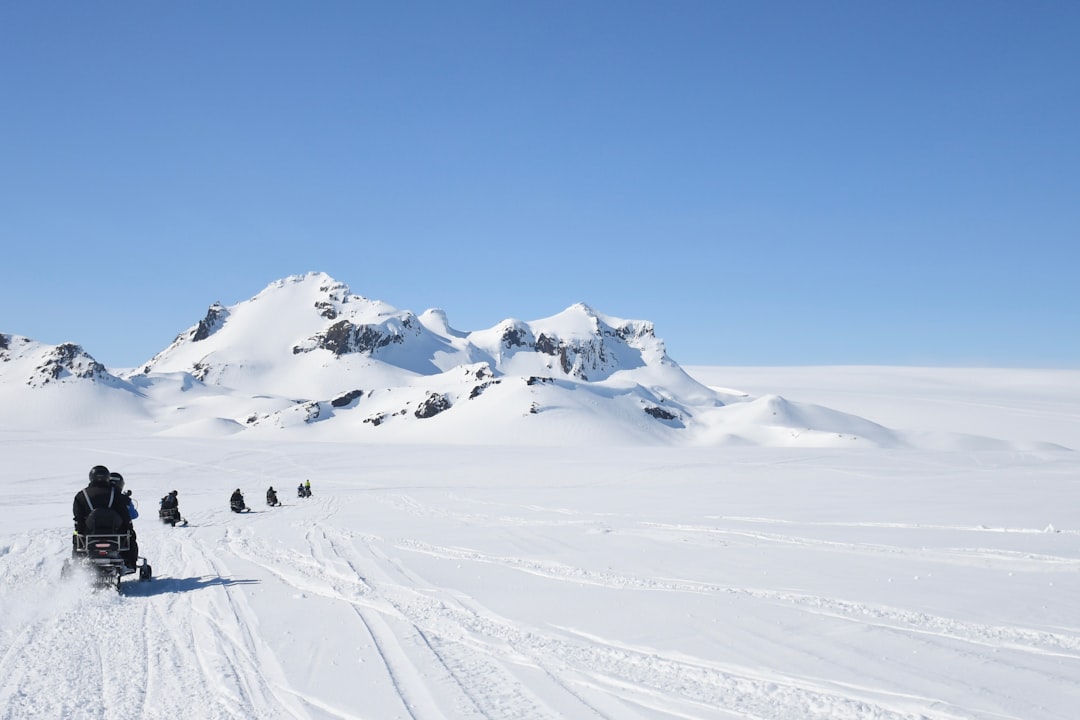
For many, glaciers aren’t just distant features on a map—they’re part of daily life. Fishermen in Alaska, farmers in Peru, villagers in the Himalayas: all depend on glacial water to sustain their families and traditions. As the ice disappears, so do ways of life honed over generations. Some communities are forced to relocate, while others rally to find new ways to survive. The emotional and cultural toll of glacial loss is as profound as the environmental one.
Hope on Thin Ice: Stories of Resilience
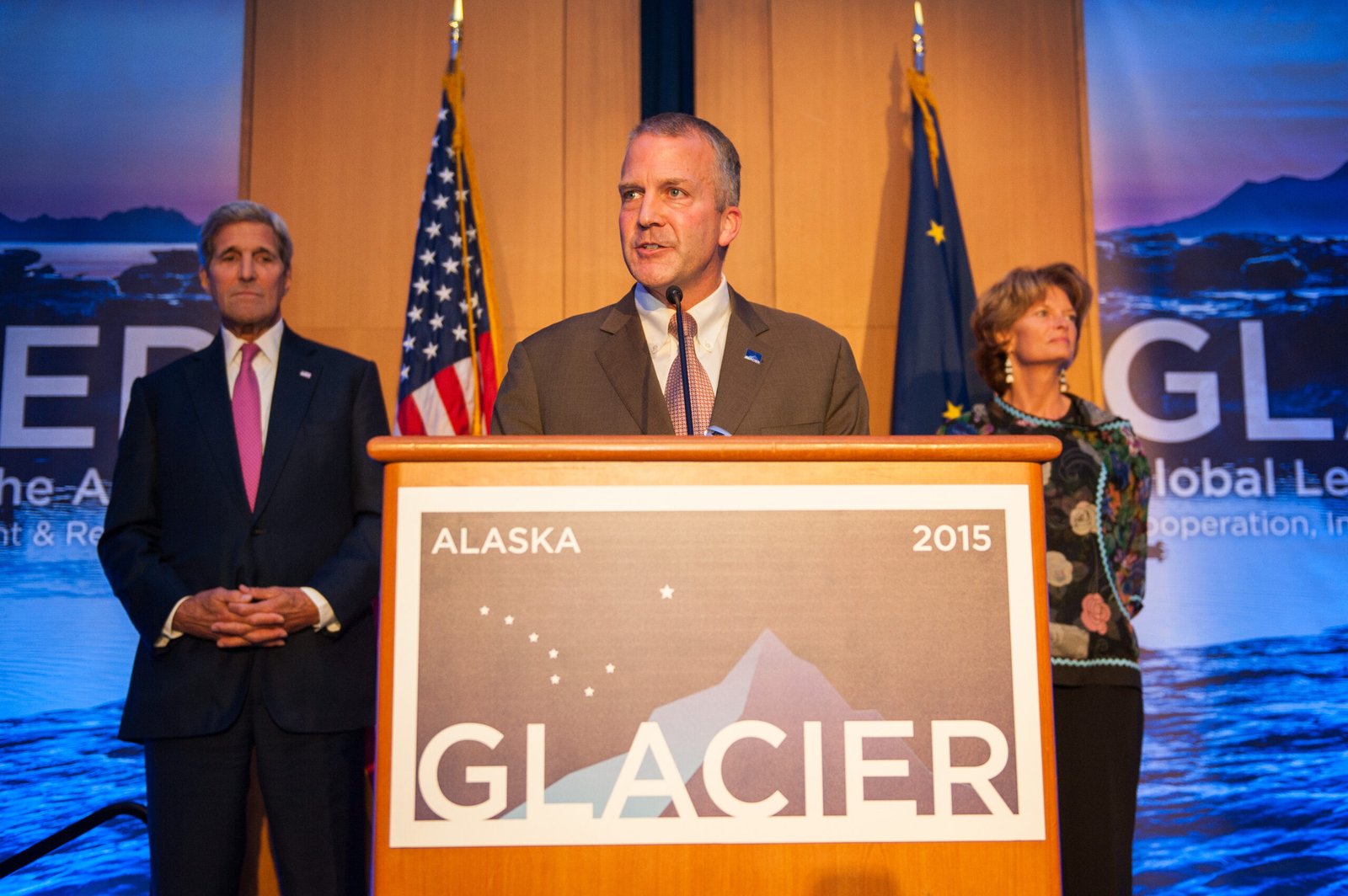
Despite the daunting odds, there are glimmers of hope. Innovative projects in Switzerland and Chile use blankets to shield glaciers from the summer sun, slowing the melt. Communities are building new water reservoirs and changing farming practices to adapt. Scientists and activists around the world are racing to raise awareness, urging governments to take action before it’s too late. These stories of resilience show that humanity isn’t ready to surrender to a world without glaciers.
What Can Be Done? Turning the Tide
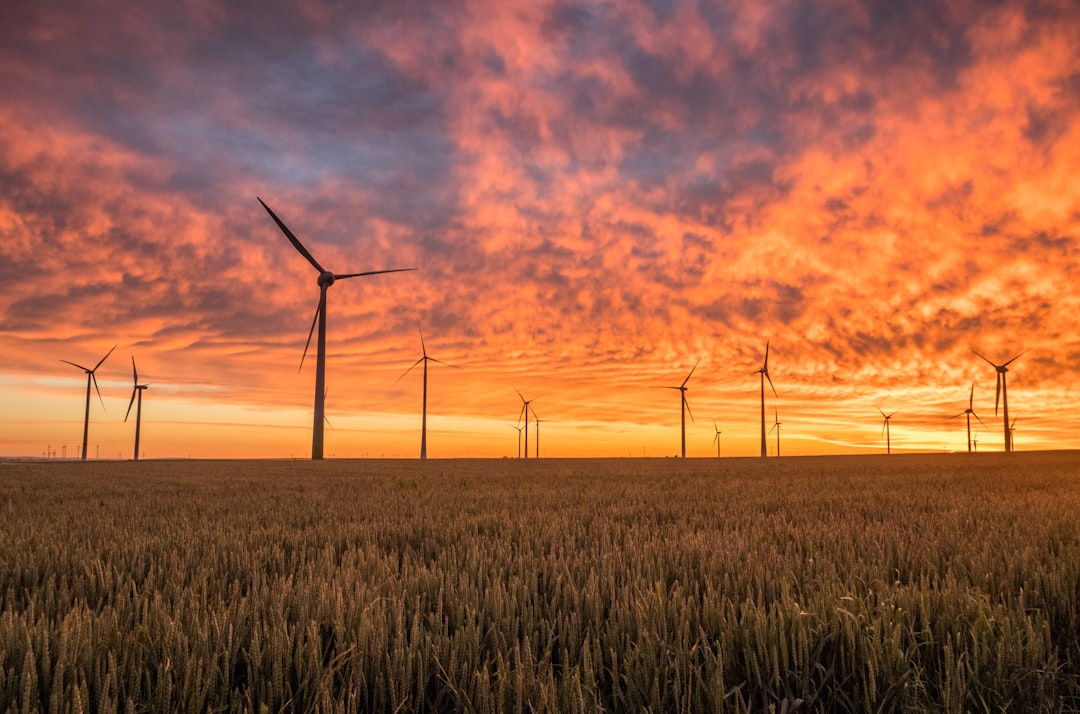
Addressing glacial loss means tackling climate change head-on. Reducing greenhouse gas emissions, shifting to renewable energy, and protecting forests are crucial steps. Governments are setting ambitious targets, but real change depends on people everywhere making sustainable choices. The science is clear: every fraction of a degree matters. If we act now, we can slow the melt and preserve what’s left for future generations.
The Power of Seeing: Why Glaciers Matter to Us All
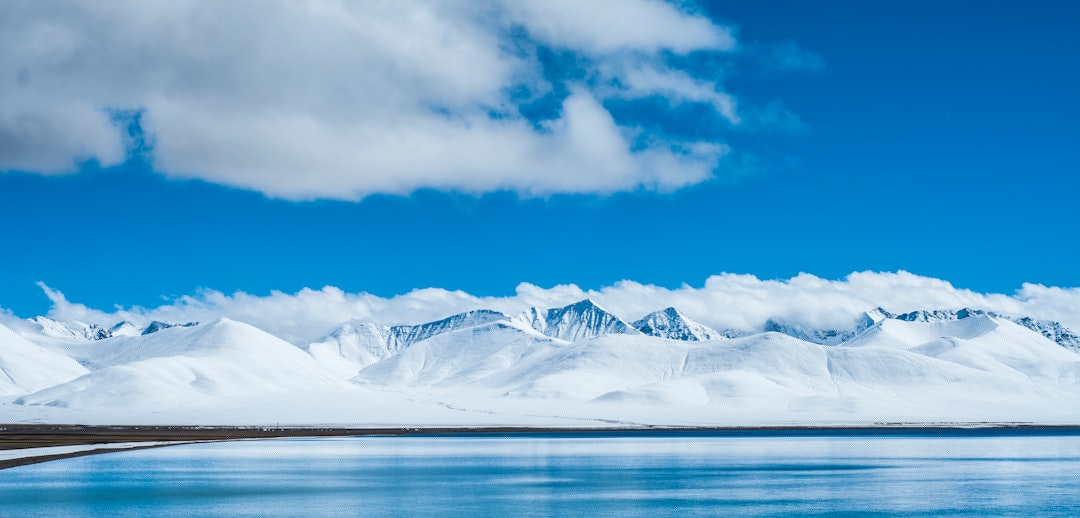
There’s something undeniably powerful about witnessing glaciers firsthand—their size, their silence, their shimmering blue depths. For many, they inspire awe, humility, and a sense of wonder at the natural world. Losing these icy giants isn’t just an environmental loss; it’s a loss of beauty, mystery, and inspiration. Glaciers remind us of the planet’s power and fragility, and their fate is inextricably tied to our own.
The Next Chapter: Will There Be Ice for Tomorrow?
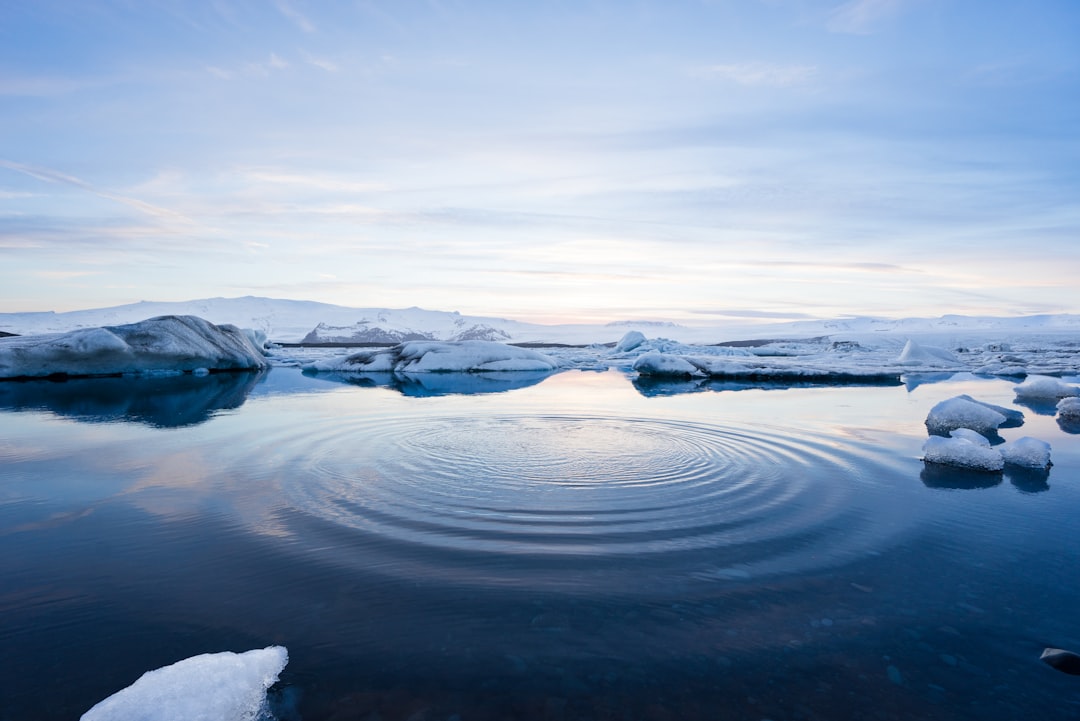
The story of Earth’s glaciers is still being written. Scientists are tracking every change, communities are adapting in creative ways, and a new generation is speaking out for the planet’s frozen treasures. The choices we make today will decide whether glaciers remain a living force or fade into memory. Standing at this crossroads, the question hangs heavy in the air: How much ice will be left for those who come after us?