
In the ever-evolving narrative of our planet, climate change stands as a pivotal character, altering landscapes and ecosystems in unforeseen ways. While the consequences of climate change are often portrayed in gloom and doom scenarios, there is an unexpected silver lining: the revelation of hidden archaeological sites around the world. This surprising trend offers a glimpse into our history, unveiling secrets buried for centuries. In the wake of melting ice, receding waters, and shifting sands, ancient remnants are emerging, inviting us to explore the stories of our ancestors.
The Melting Glaciers: Nature’s Unveiling Canvas
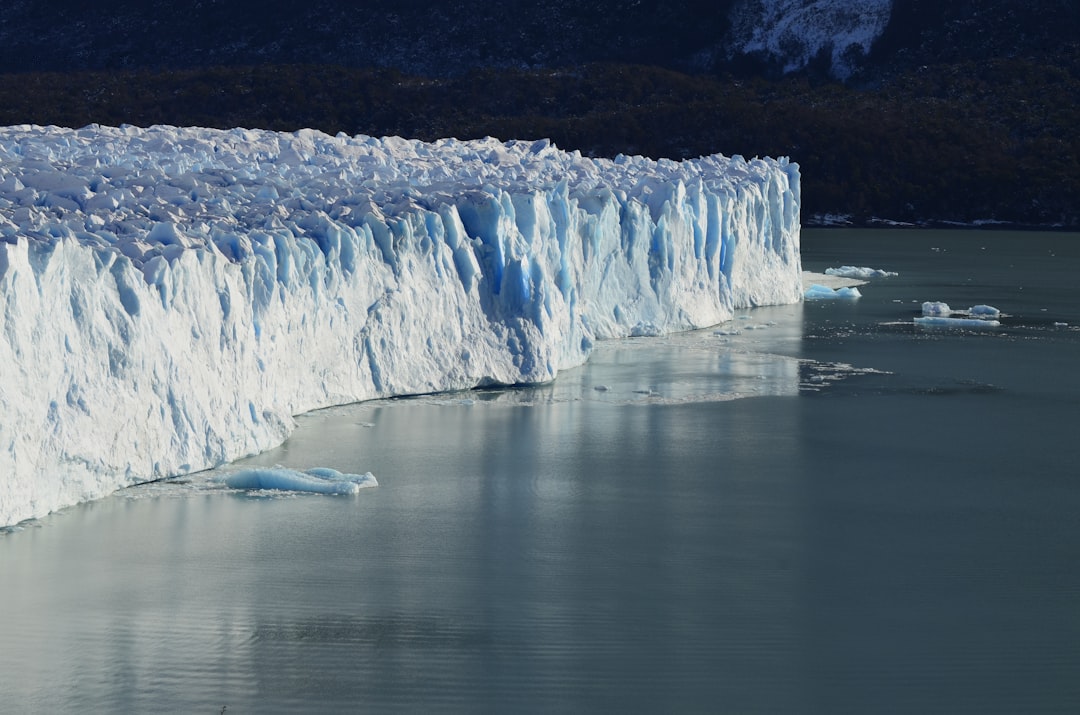
Glaciers, long considered the frozen archives of history, are retreating at unprecedented rates due to rising global temperatures. As these colossal ice masses melt, they reveal artifacts that have been entombed for millennia. In places like the Alps and the Andes, archaeologists are discovering tools, clothing, and even mummified remains, offering a direct connection to ancient civilizations. These findings not only provide insight into the daily lives of our ancestors but also highlight the adaptability of human beings in harsh environments. The melting glaciers, therefore, act as nature’s own time capsules, allowing us to peek into a world long lost to time.
Coastal Erosion: Uncovering Lost Settlements

Coastal erosion, exacerbated by rising sea levels, is another phenomenon bringing archaeological treasures to light. As shorelines recede, they expose remnants of ancient settlements previously hidden beneath layers of sand and sediment. In places like Scotland and Denmark, entire villages have come to view, revealing intricate details of past societies. These sites offer invaluable data on trade, agriculture, and social structures, painting a vivid picture of human ingenuity and resilience. While the erosion poses a threat to modern infrastructures, it simultaneously acts as a key to unlocking the mysteries of bygone eras.
Desertification: Sands Giving Way to Secrets
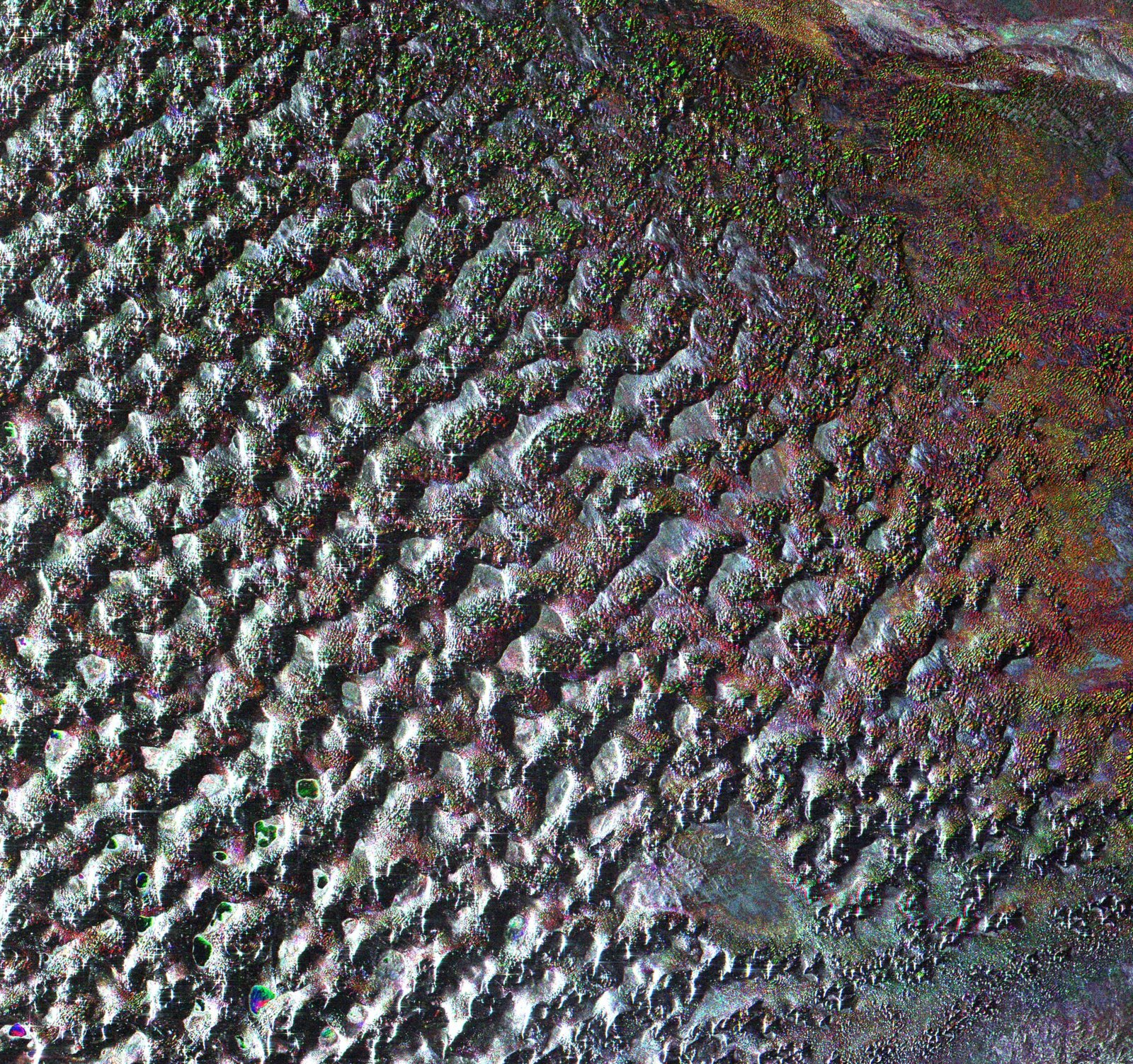
Desertification, a process accelerated by climate change, is transforming fertile lands into arid deserts. Yet, this shift is not without its archaeological benefits. As sands shift and settle, they reveal hidden structures and artifacts that have been buried for centuries. In the Middle East and North Africa, ancient cities and trade routes are emerging, shedding light on the interconnectedness of early civilizations. These discoveries challenge our understanding of historical timelines and encourage a reevaluation of cultural exchanges in antiquity. The deserts, once seen as barren wastelands, are now proving to be fertile grounds for historical discovery.
Permafrost Thaw: Unraveling Frozen Histories
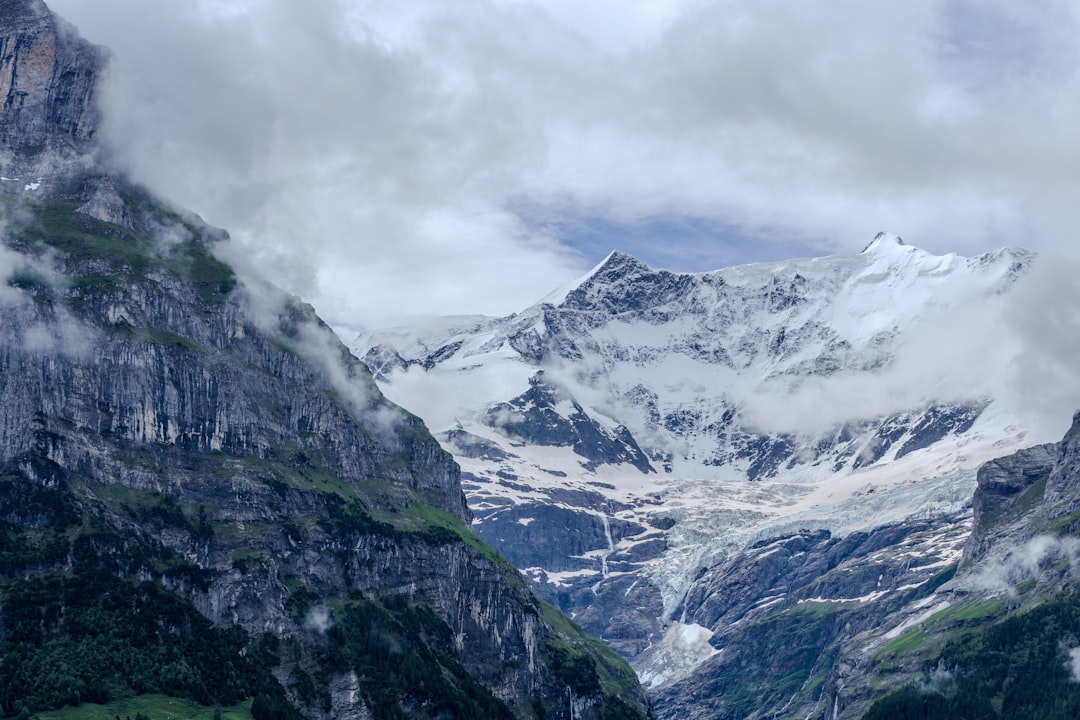
The thawing of permafrost in polar regions is yet another avenue through which climate change is unveiling archaeological sites. As the frozen ground softens, it reveals preserved artifacts and organic materials that were once locked away. In Siberia and Alaska, discoveries range from prehistoric animal bones to human tools and shelters. These findings provide a rare glimpse into the lifestyle and survival strategies of early humans in extreme climates. The permafrost, acting as both a preserver and a revealer, is essential in piecing together the puzzle of our planet’s past.
Floodplains Receding: Ancient Paths Reemerging
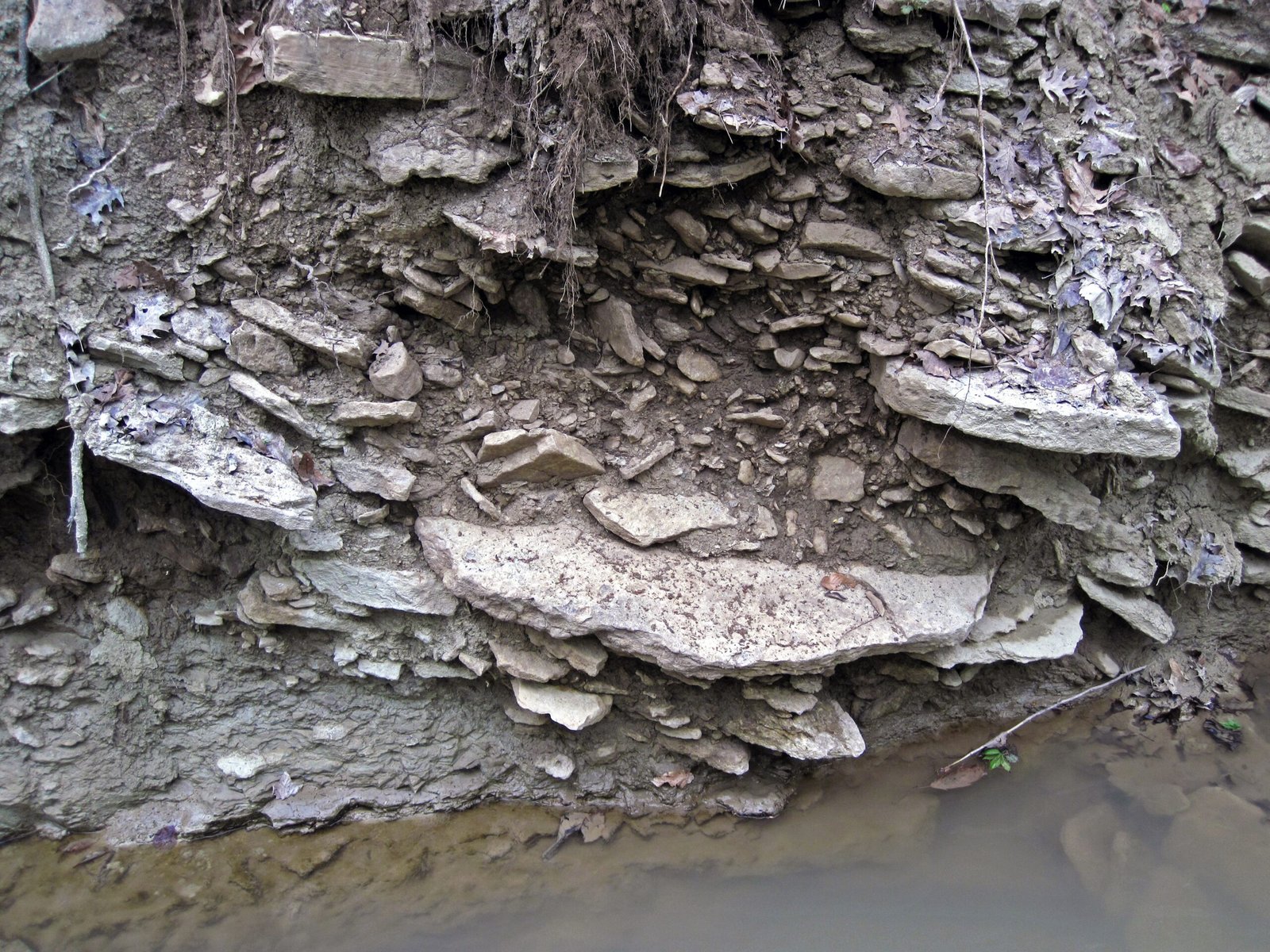
Floodplains, areas typically inundated with water, are experiencing changes in water levels due to altered precipitation patterns. As these waters recede, they expose ancient pathways and settlements that were once submerged. In regions like the Amazon and the Nile, archaeologists are uncovering roads and villages that hint at complex networks of trade and communication. These discoveries emphasize the adaptability of ancient societies to dynamic environments, showcasing their ability to thrive amid changing landscapes. The receding floodplains, thus, provide a unique lens through which to view the ingenuity of our forebears.
Preservation Challenges: Balancing Discovery and Conservation
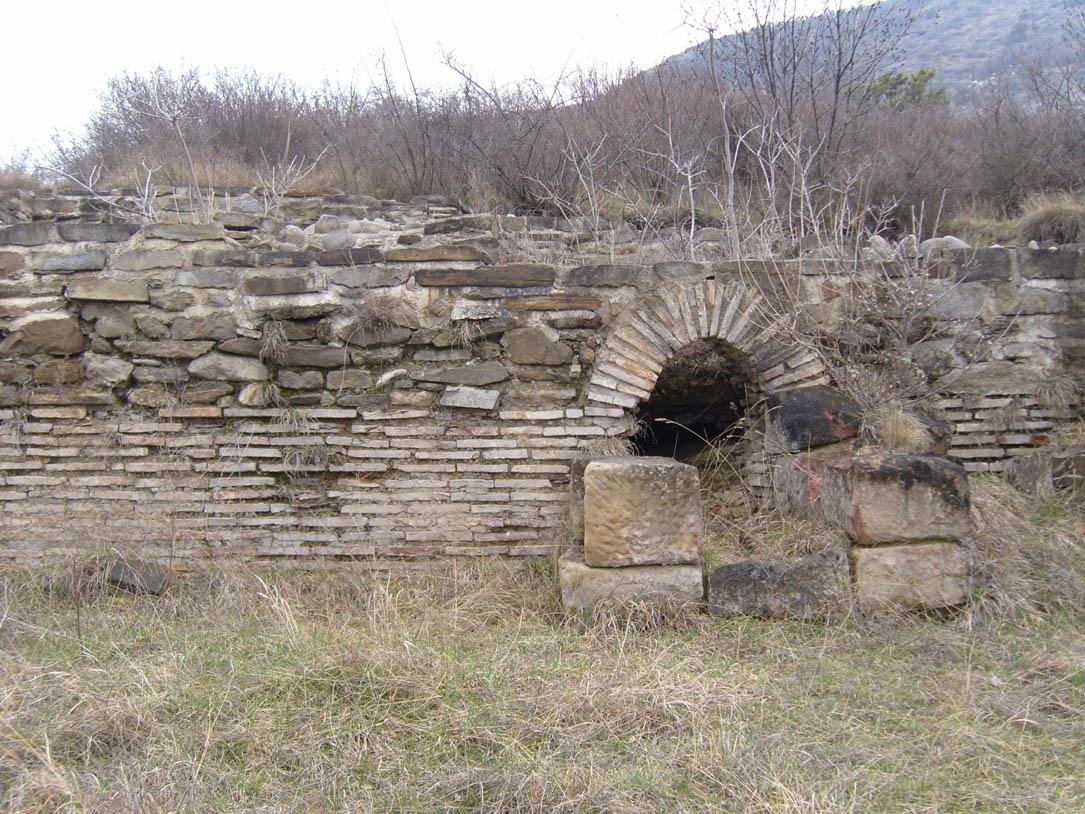
While the revelation of hidden archaeological sites is undoubtedly exciting, it presents significant challenges in terms of preservation. Artifacts exposed by climate change are often at risk of deterioration, necessitating immediate intervention by conservationists and archaeologists. Balancing the urgency of discovery with the need for careful preservation is a delicate task. This dynamic calls for international cooperation and innovative solutions to ensure that the treasures of the past are protected for future generations. The challenge lies in embracing the wonders revealed by climate change while safeguarding them against its destructive forces.
Technological Advances: Enhancing Archaeological Discoveries
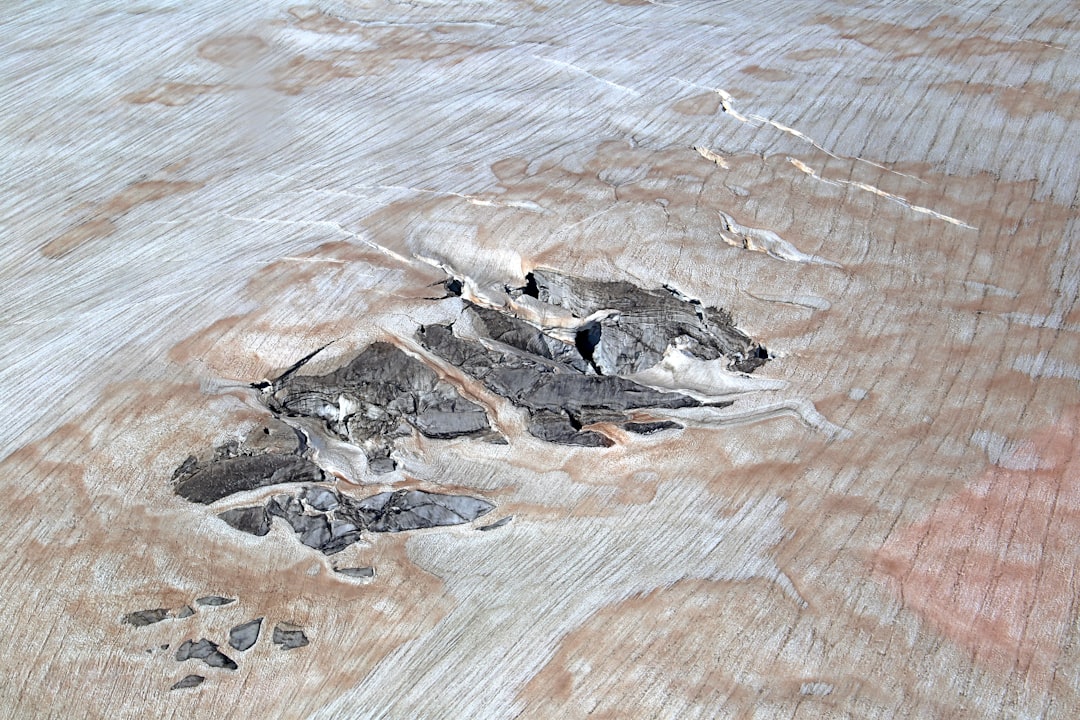
Modern technology plays a crucial role in the discovery and preservation of archaeological sites revealed by climate change. Tools such as ground-penetrating radar, satellite imagery, and 3D modeling have revolutionized the way archaeologists locate and study these sites. These advancements allow for non-invasive exploration, minimizing the risk of damaging delicate artifacts. Furthermore, technology enables researchers to analyze findings in unprecedented detail, leading to new insights and interpretations. The marriage of technology and archaeology is instrumental in unlocking the secrets of the past and ensuring their preservation for future study.
Global Collaboration: A Unified Effort for Preservation

The global nature of climate change and its impact on archaeological sites necessitates international collaboration. Researchers, governments, and indigenous communities must work together to address the challenges posed by these revelations. Sharing knowledge, resources, and expertise is essential in developing strategies for preservation and study. Collaborative efforts also promote cultural understanding and appreciation, fostering a sense of shared responsibility for our collective heritage. By joining forces, we can ensure that the stories unearthed by climate change are preserved and celebrated across borders.
The Ethical Implications: Respecting Cultural Heritage
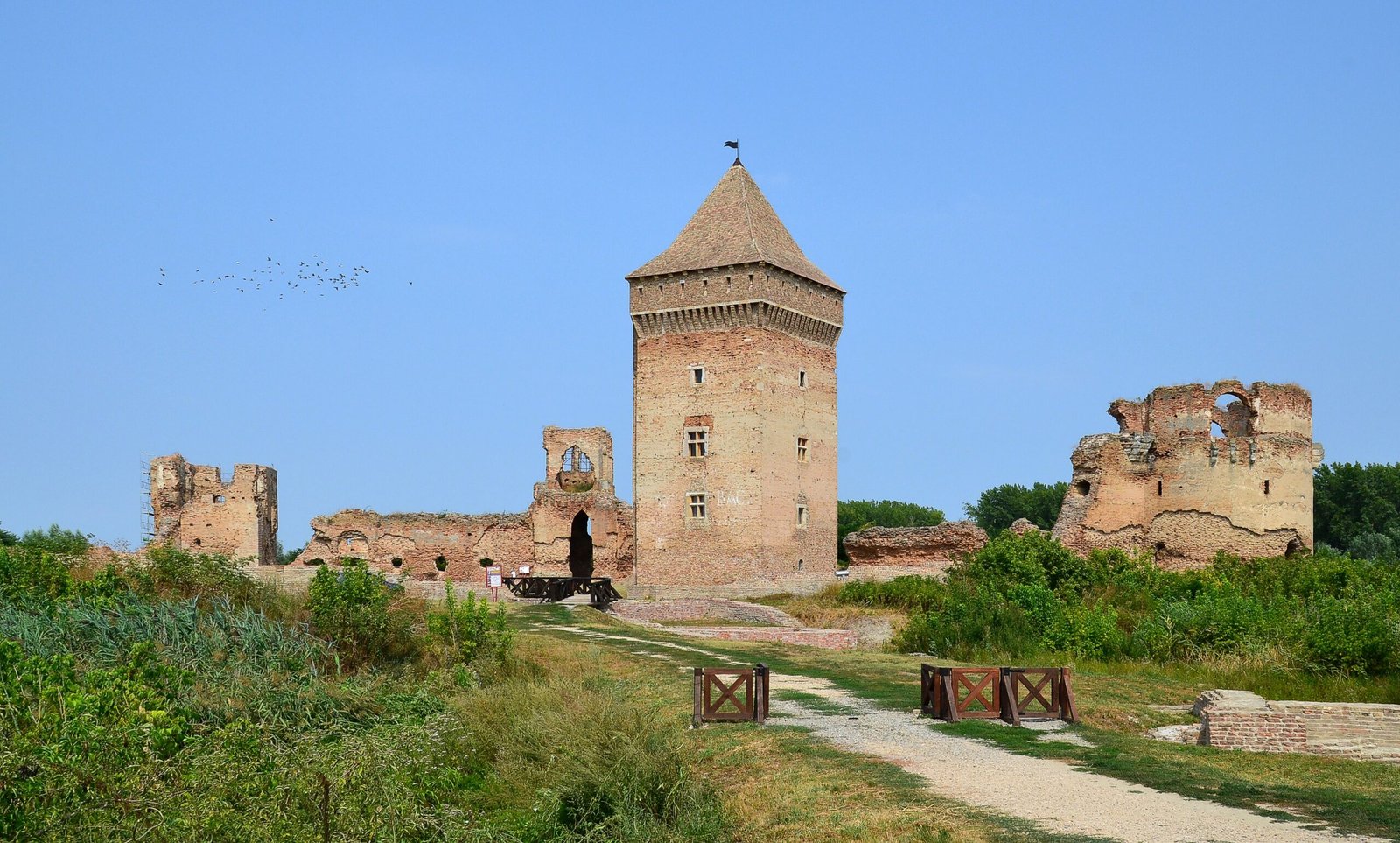
As climate change unveils hidden archaeological sites, ethical considerations must guide our actions. The artifacts and sites revealed are often of cultural significance to indigenous and local communities. It is crucial to engage with these communities, respecting their connection to the land and its history. Involving them in the decision-making process ensures that discoveries are handled with sensitivity and respect. The ethical dimension of archaeology is integral in honoring the past and preserving the cultural heritage of those who came before us.
A Call to Action: Embracing the Opportunities and Challenges
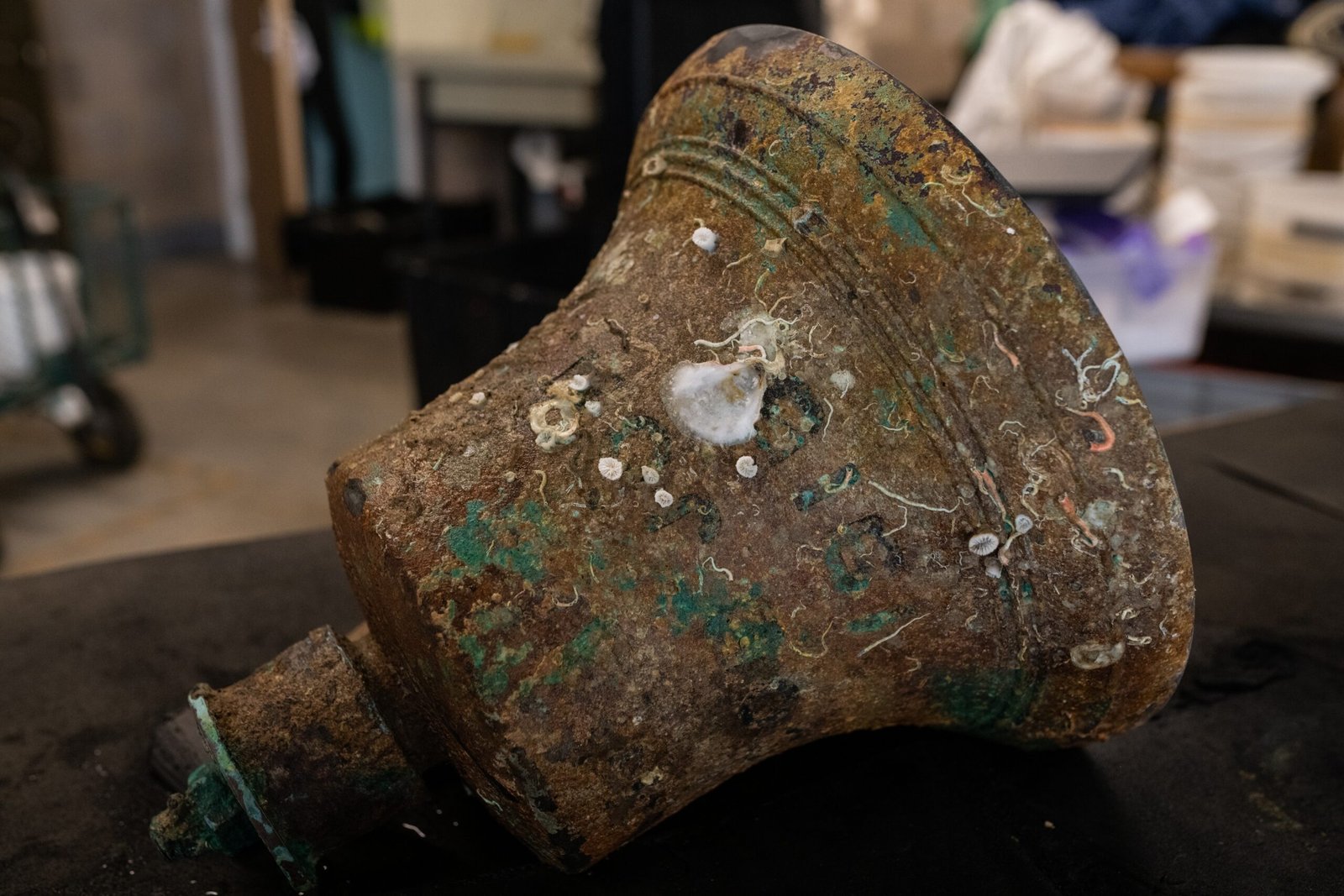
The revelation of hidden archaeological sites by climate change presents both opportunities and challenges. While it offers a chance to uncover and learn from our past, it also demands immediate action to protect these newfound treasures. Conservation efforts, technological advancements, and global collaboration are key to ensuring that the stories of our ancestors are preserved for future generations. As we navigate the complexities of climate change, let us embrace the opportunity to connect with our history, learn from it, and preserve it for the generations to come.