New Zealand is renowned for its stunning landscapes and unique biodiversity. However, the ecological balance of this paradise has been disrupted over the centuries by human activity. Now, a resurgence of Māori traditional ecological knowledge is playing a pivotal role in restoring the country’s ecosystems. This fusion of ancient wisdom and modern conservation efforts is showing promising results. Let’s explore how Māori practices are contributing to this vital cause.
Understanding Māori Connection to the Land

For the Māori, the indigenous people of New Zealand, the land is not just a resource but a living entity and an essential part of their identity. The concept of *whakapapa* (genealogy) extends to encompass humans, the earth, and all living things, illustrating a profound interconnectedness. The principles of *kaitiakitanga* (guardianship) and *manaakitanga* (hospitality and respect) inform their interaction with the environment, emphasizing stewardship and care.
The Role of Matariki in Environmental Awareness

Matariki, the Māori New Year, which occurs in mid-winter, is a time for reflection and planning. Traditionally, it was a period for Māori to assess the health of their crops and environment. Recently, this time has been revitalized to include community-driven conservation projects, as the festival encourages people to reconnect with nature and consider their personal impact on the land.
Māori-Led Conservation Projects
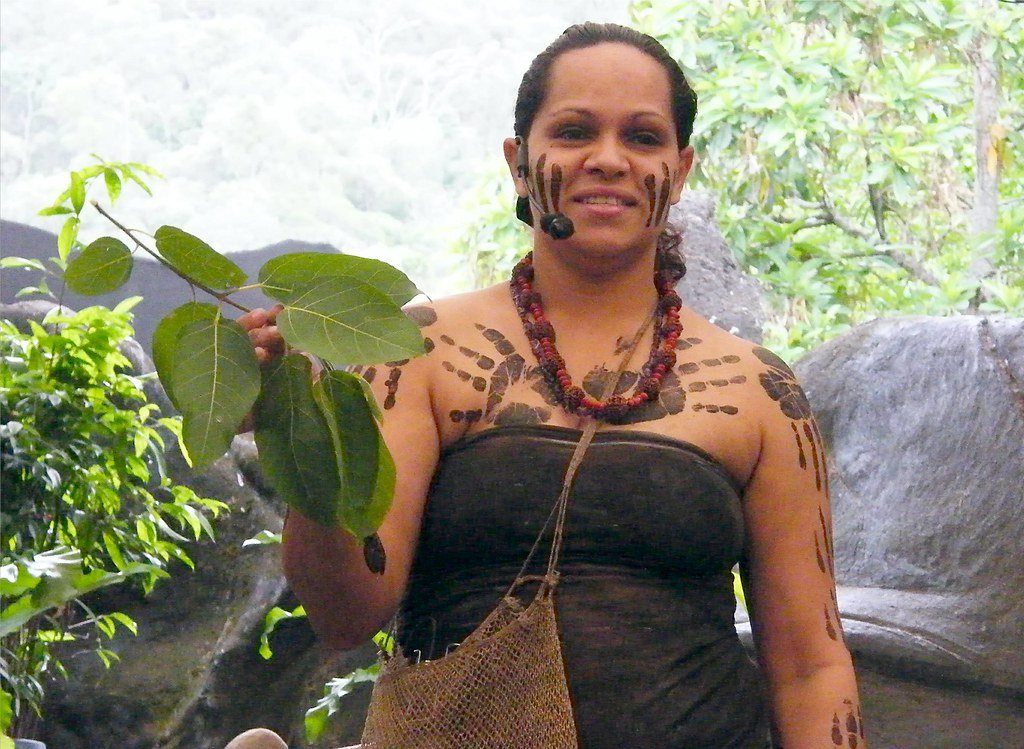
Numerous Māori-led conservation projects are making significant strides in restoring New Zealand’s ecosystems. For instance, the Ngāi Tahu tribe’s involvement in restoring the Waituna Lagoon demonstrates the success of integrating traditional practices with contemporary scientific methods. By using customary seasonal calendars to guide resource management, they have improved the health of this vital wetland system.
Traditional Practices in Water Management
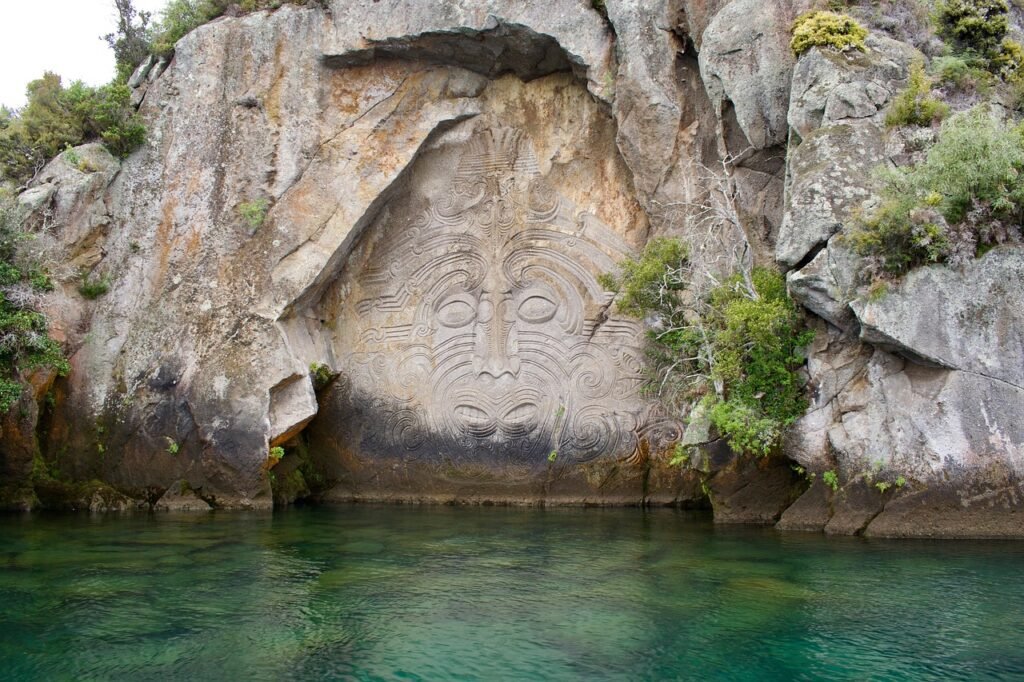
Water is considered a sacred resource by the Māori, and traditional practices reflect this reverence. Initiatives like the use of rāhui (temporary restrictions) on waterways allow ecosystems to regenerate. Together with modern monitoring techniques, these practices effectively help maintain healthy aquatic environments, drawing on knowledge passed down through generations.
Reviving Indigenous Plant Species

The Māori have an in-depth knowledge of native plant species and their uses, which is invaluable in ecological restoration. Projects like those conducted by the Tūhoe people focus on replanting native flora, such as *harakeke* (flax) and *kōwhai*, to restore habitats and support biodiversity. These efforts enhance soil health and provide food and shelter for native wildlife.
Māori Perspectives on Predator Control

Introduced predators have severely affected New Zealand’s native fauna. Many Māori conservation initiatives employ their unique perspectives on predator control, combining traditional methods with new technologies. This includes using traditional tracking skills enhanced by modern tools to effectively safeguard vulnerable species.
Collaborative Efforts with Scientific Community
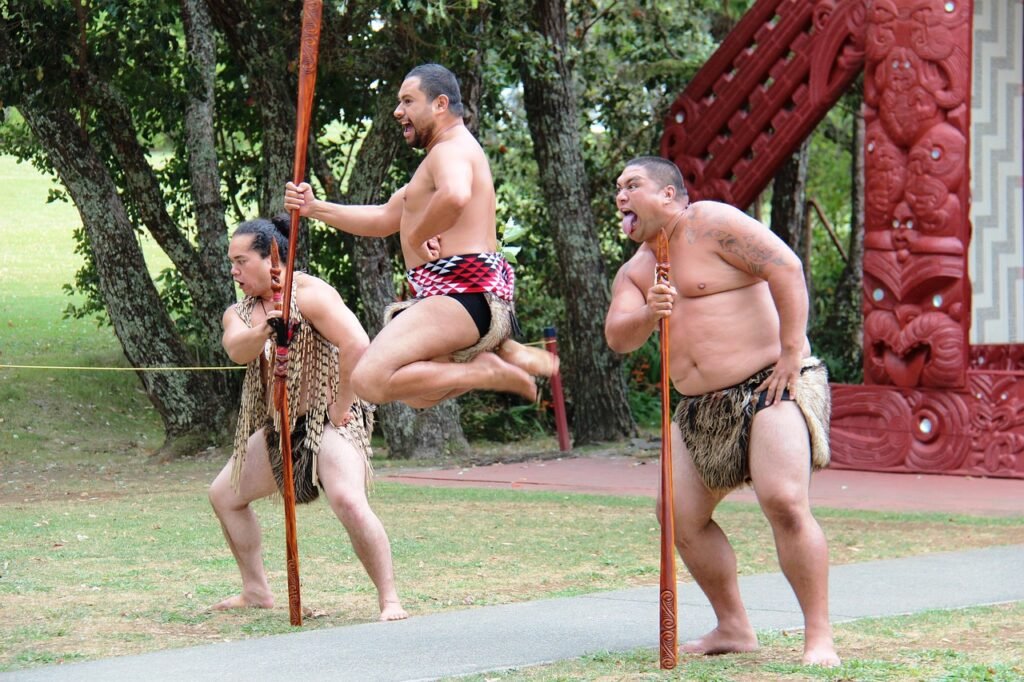
The integration of Māori knowledge and modern science has led to innovative conservation strategies. Collaborative projects that involve both Māori leaders and scientists ensure that strategies are culturally appropriate and scientifically robust. This partnership strengthens the ecological resilience of New Zealand’s environments.
Environmental Education and Community Involvement

Education is at the heart of sustainable conservation efforts. Programs that educate younger generations about Māori traditional ecological knowledge and scientific principles are establishing a foundation for future stewards of the environment. These initiatives not only impart knowledge but also inspire a sense of duty towards protecting New Zealand’s unique ecosystems.
Restoration of Coastal Ecosystems

Coastal restoration projects benefit immensely from Māori knowledge of marine ecosystems. For example, traditional methods to maintain the health of kaimoana (seafood) populations are being revived, ensuring sustainable harvests and the protection of marine biodiversity. These time-tested techniques help balance use with preservation.
Cultural Resilience and Ecosystem Health
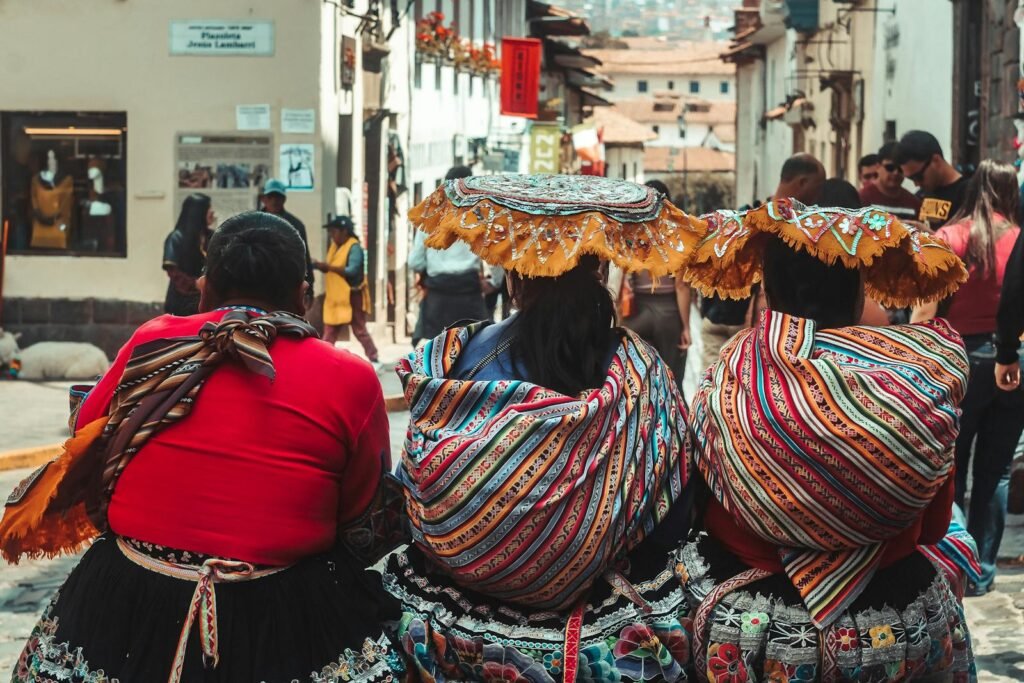
The resilience of Māori culture is deeply intertwined with the health of their land. The resurgence of traditional practices in ecological restoration not only heals the environment but also strengthens Māori cultural identity. By fostering ecosystems that thrive, so too does the cultural legacy of the people caring for them.
The Future of Ecological Restoration in New Zealand

The restoration of New Zealand’s ecosystems, with significant input from Māori knowledge, is a testament to the effectiveness of integrating traditional and scientific approaches. Continued recognition and support of indigenous practices are essential for sustaining these efforts. As New Zealand moves forward, the synergy of these methodologies promises a healthier and more balanced environment for future generations.
Conclusion

In conclusion, the revival of Māori ecological knowledge is not a mere nod to the past but a critical component of New Zealand’s path forward in ecological restoration. By embracing this dual approach — marrying traditional wisdom with modern scientific tools — New Zealand is not only healing its landscapes but also fostering a deeper respect and understanding of the relationship between humanity and nature.