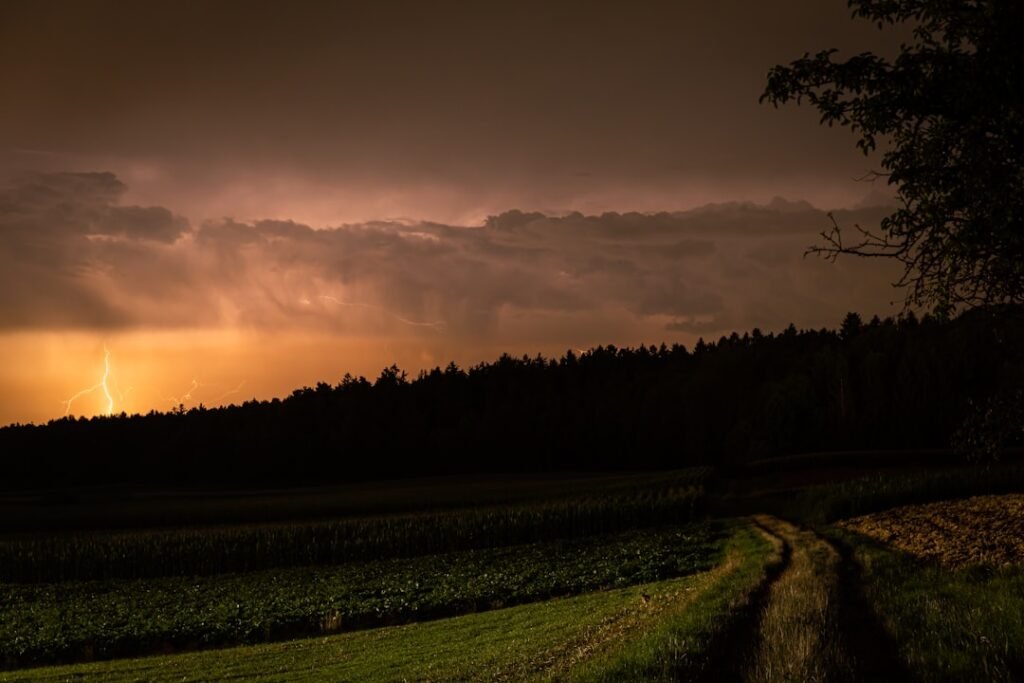

The night splits open, a white-hot seam flashes, and a heartbeat later rain begins to drum the soil. What looks like chaos from the sky hides a quiet delivery: natural fertilizer written in the language of electricity. For more than a century, scientists have pursued the mystery of why fields often look greener after storms, and the answer keeps circling back to lightning’s chemistry. As bolts rip through air, they forge nitrogen compounds that drift down with rain and seep into roots’ reach. The story is part detective work, part atmospheric ballet – and it’s reshaping how we think about feeding a crowded planet without exhausting the ground beneath our feet.
The Hidden Clues
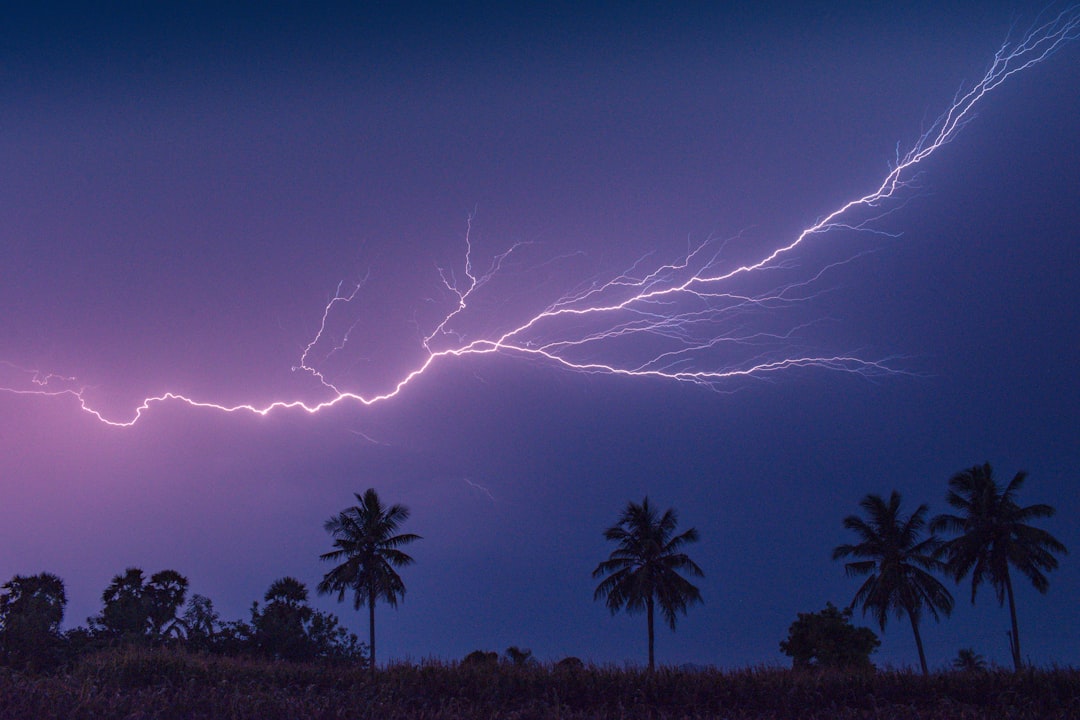
What if every thunderclap was also a dinner bell for roots? After summer storms, farmers and hikers alike notice lawns brightening and wild grasses standing taller, as if the landscape had a secret sip of tonic. That small but visible boost is the first clue that stormy skies are more than theater; they are a nutrient pipeline.
I still remember walking a path after a July downpour, catching a metallic smell and seeing clover leaves gleam as if polished. Those sensory notes – scent, shine, sudden vigor – hint at chemical cargo arriving with the rain. The trick is understanding how lightning turns an inert gas into plant food that soils can actually use.
Sky Chemistry in Fast Motion
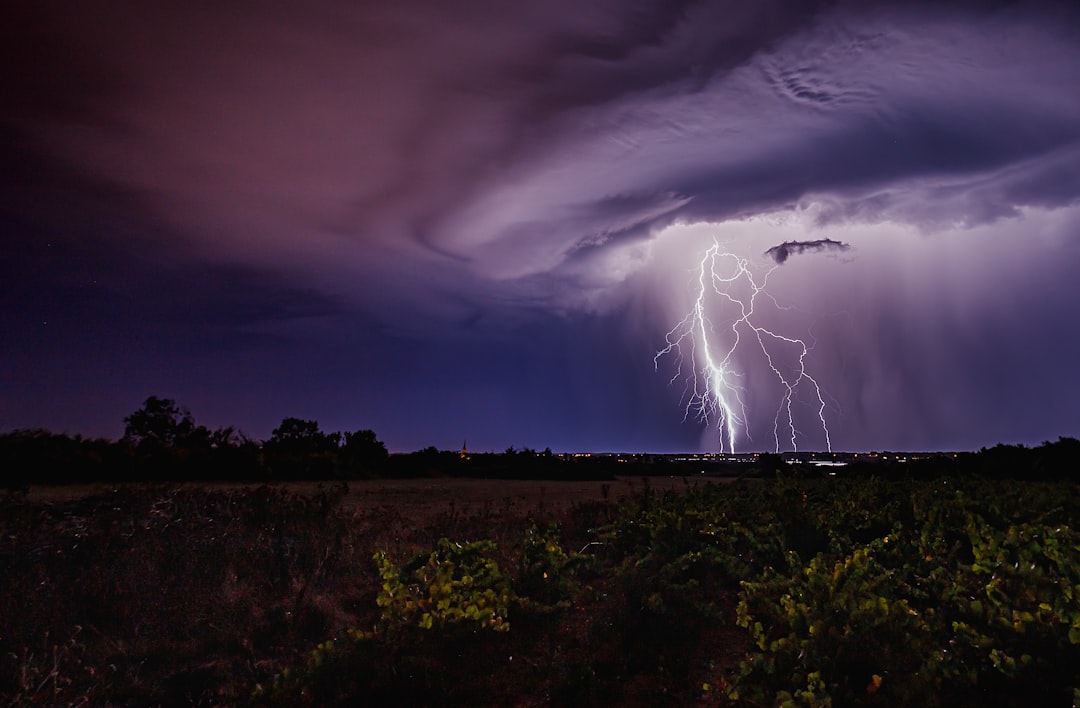
Lightning is a fleeting furnace, and in that instant of extreme heat, nitrogen and oxygen – normally aloof neighbors – collide hard enough to form reactive nitrogen oxides. These gases quickly transform into nitrates and related compounds that hitch a ride on raindrops and aerosols. By the time the storm passes, a thin, invisible film of plant-available nitrogen has been painted across leaves and soil.
Think of it like a pop-up factory operating for milliseconds, stamping raw atmospheric nitrogen into usable parts before shutting down again. The atmosphere does the mixing, the rain handles delivery, and the soil finishes the job. It’s industrial chemistry at the scale of clouds, without smokestacks or shipping trucks.
From Ancient Tools to Modern Science
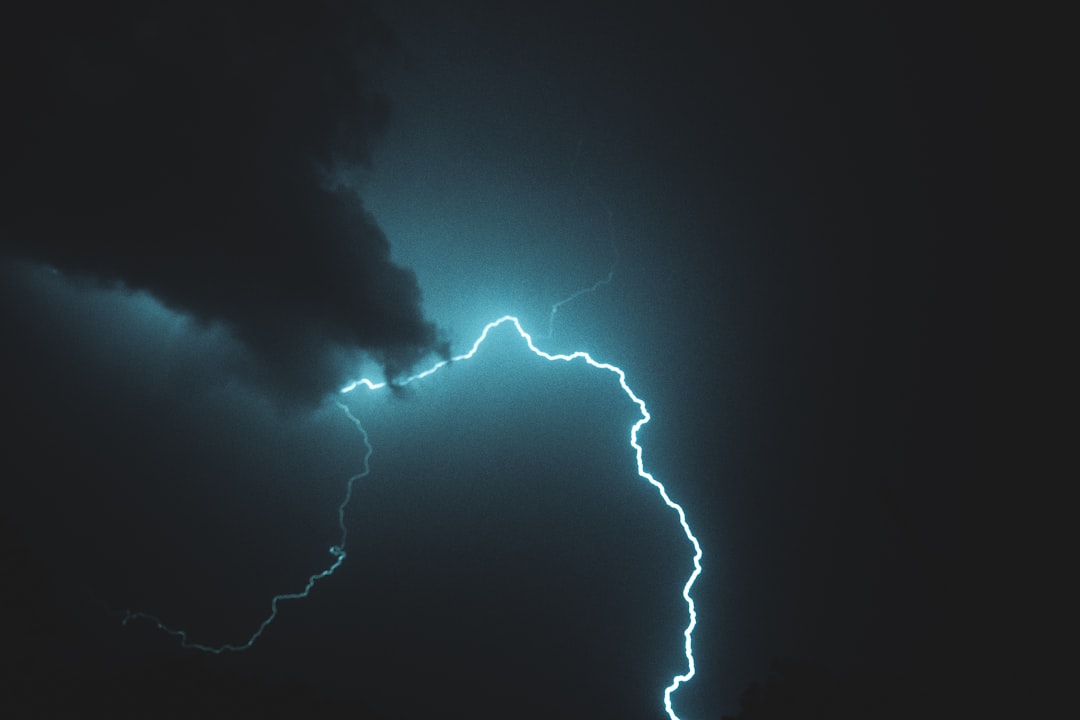
Long before lab sensors tracked trace gases, people read the land and noticed a storm’s afterglow on crops and pastures. That folk wisdom set the stage for the modern record, where instruments on ground towers, aircraft, and satellites now catch sharp pulses of nitrogen oxides near storms. Each pulse is like a fingerprint proving that lightning alters the air’s chemistry in real time.
Today’s researchers map those fingerprints across storm tracks to estimate how much nitrogen gets delivered and where it lands. The result is a clearer picture of a natural fertilization cycle that was hiding in plain sight. We now have the tools to separate myth from mechanism, and the mechanism is compelling.
Roots, Microbes, and the Rain’s Gift
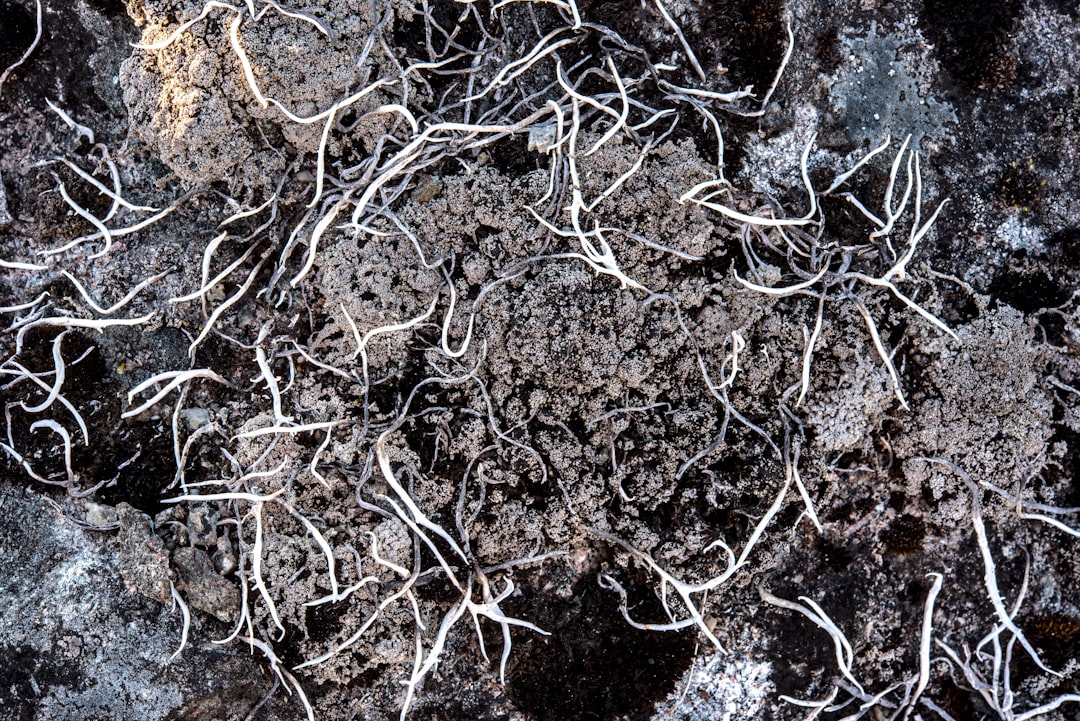
Once those storm-forged nitrogen compounds touch down, the soil community gets to work. Microbes transform and shuffle nitrogen between forms, turning some into nitrate that roots can sip, and tucking some into organic matter for longer-term storage. Mycorrhizal fungi act like extension cords, moving nutrients to plants that otherwise sit just out of reach.
At the surface, drops splash nitrates into tiny pores; lower down, capillary flows tug them deeper toward active roots. A single lightning strike does not remake a field, but repeated storm events layer benefits like thin coats of varnish. Over a season, that layering can matter, especially where soils are tired or fertilizer is scarce.
Why It Matters
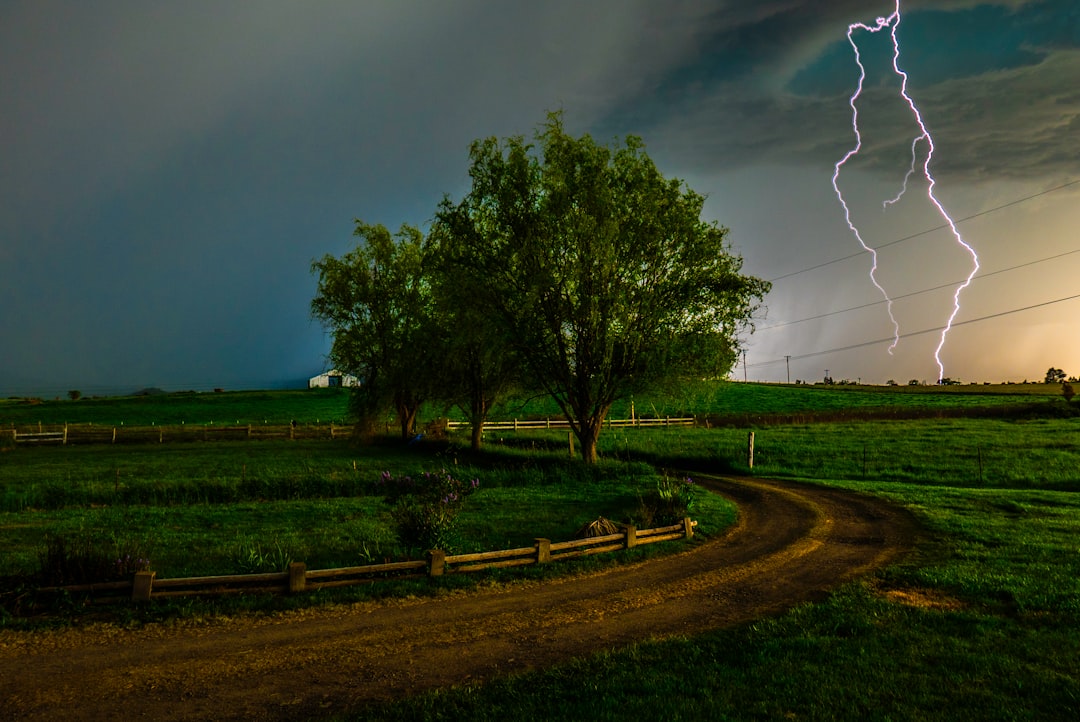
Modern agriculture leans hard on synthetic nitrogen, a triumph that also comes with energy costs, greenhouse emissions, and runoff that can choke rivers and shores. Lightning’s contribution won’t replace that system, but it provides targeted, low-intensity boosts that arrive when storms bring water – often the exact window plants can use them best. It’s a nutrient delivery that respects timing as much as quantity.
Seen this way, storms are not just weather; they’re part of a planetary nutrient budget that complements human-made inputs. Recognizing that synergy helps us ask smarter questions: how much can we rely on nature’s pulse, and where do we need to step in? The goal isn’t to romanticize lightning, but to fit it into an honest accounting of how ecosystems stay productive.
Global Perspectives
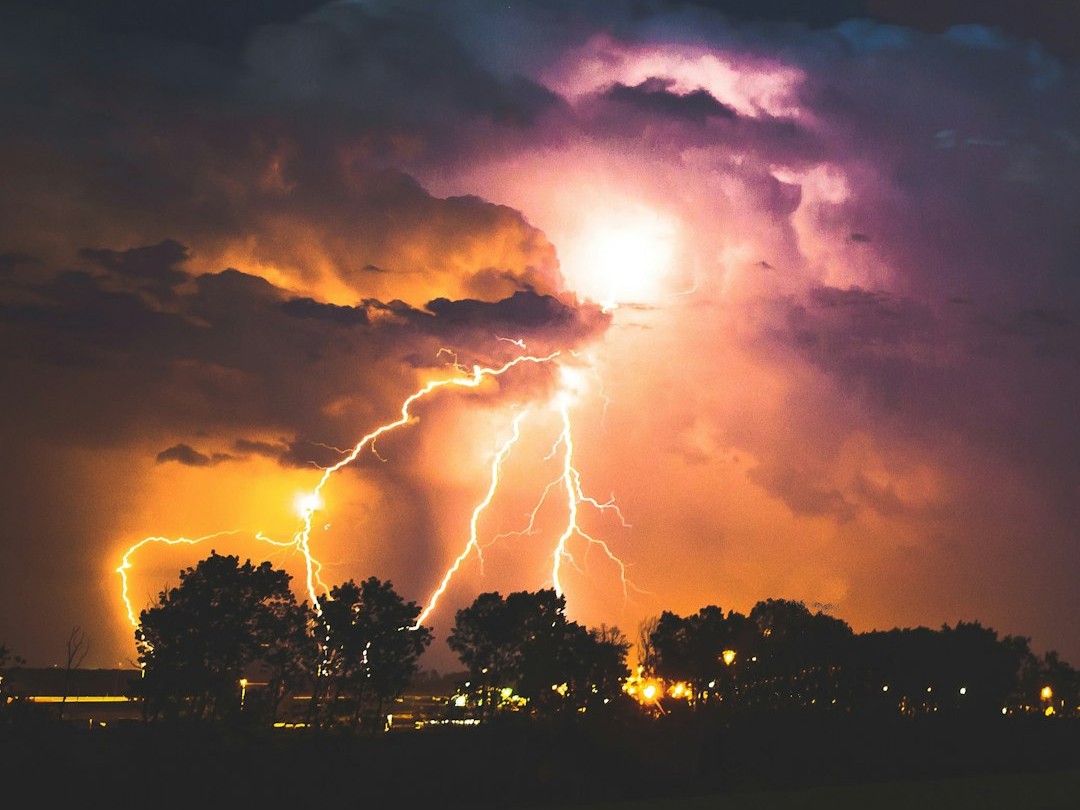
Lightning is not evenly distributed; tropical belts hum with storm energy for much of the year, while arid zones go long stretches between strikes. That means the sky’s fertilizer arrives generously in some regions and sparsely in others, shaping how wildlands and croplands respond after rain. Monsoon climates often see quicker green-ups, with vegetation primed to pounce on nutrients and water together.
Urban atmospheres complicate the chemistry by adding pollution that can amplify or mask lightning-made compounds. Forested regions add their own twist, as canopies catch deposition on leaves and then wash it to the forest floor in a slow-release cascade. Place matters, and so does season: the same storm in spring can steer plant th differently than a late-summer squall.
The Hidden Accounting: How Much Is Enough?
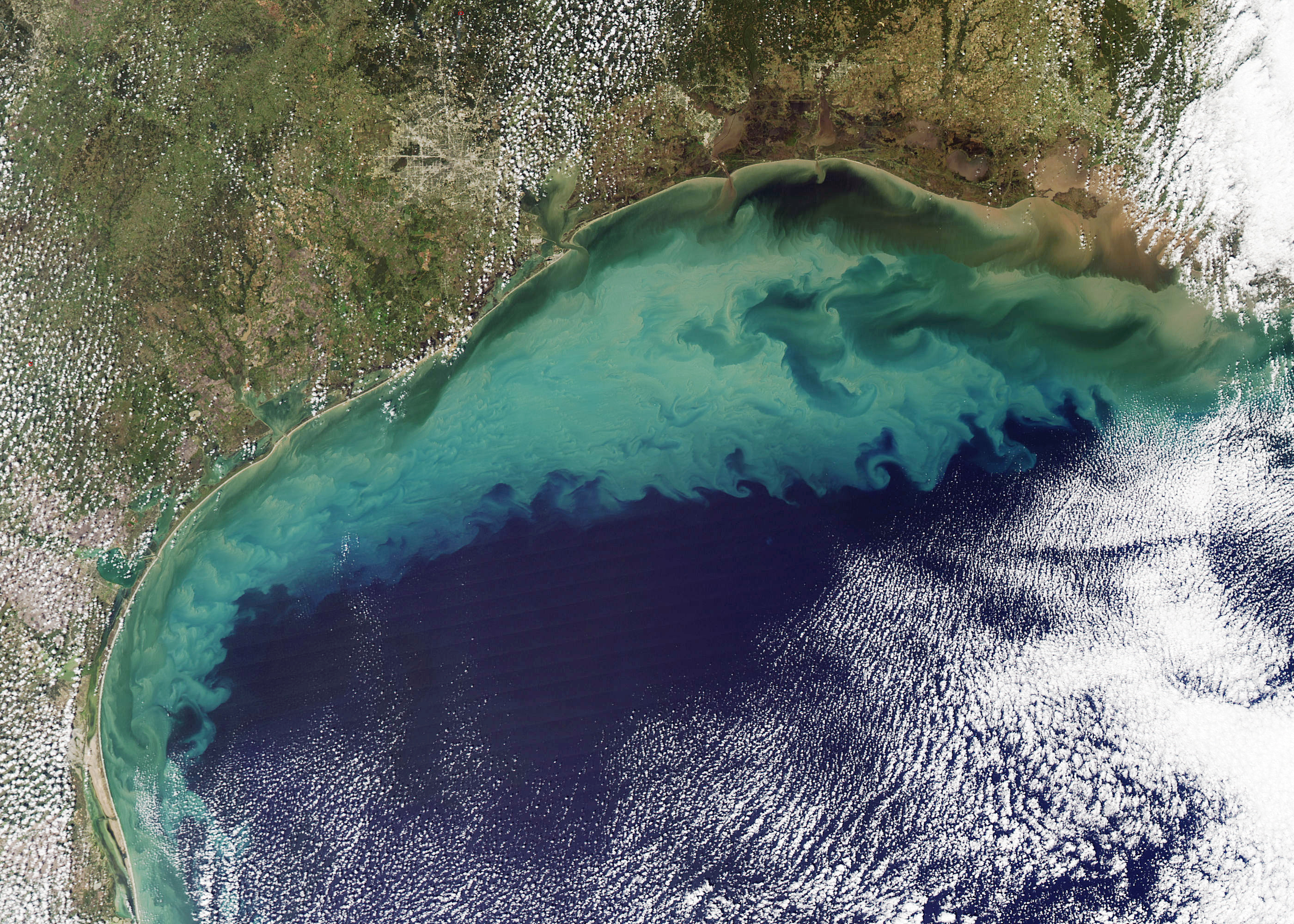
Ask a soil scientist how much nitrogen storms deliver, and you’ll get a careful answer: enough to notice locally, but not enough to carry an entire harvest. That nuance matters when budgets are tight and soils are stressed, because even modest additions can tip seedlings from survival to momentum. In some ecosystems, that pulse is the difference between a short-lived flush and a sustained ing window.
For farmers managing inputs, storm-aware timing can sharpen decisions about when to apply fertilizer or when to hold back. For conservation lands, it can guide expectations around post-storm recovery and wildfire reth. The sky’s contribution is small in any single rain, yet meaningful in the rhythm of a season.
The Future Landscape
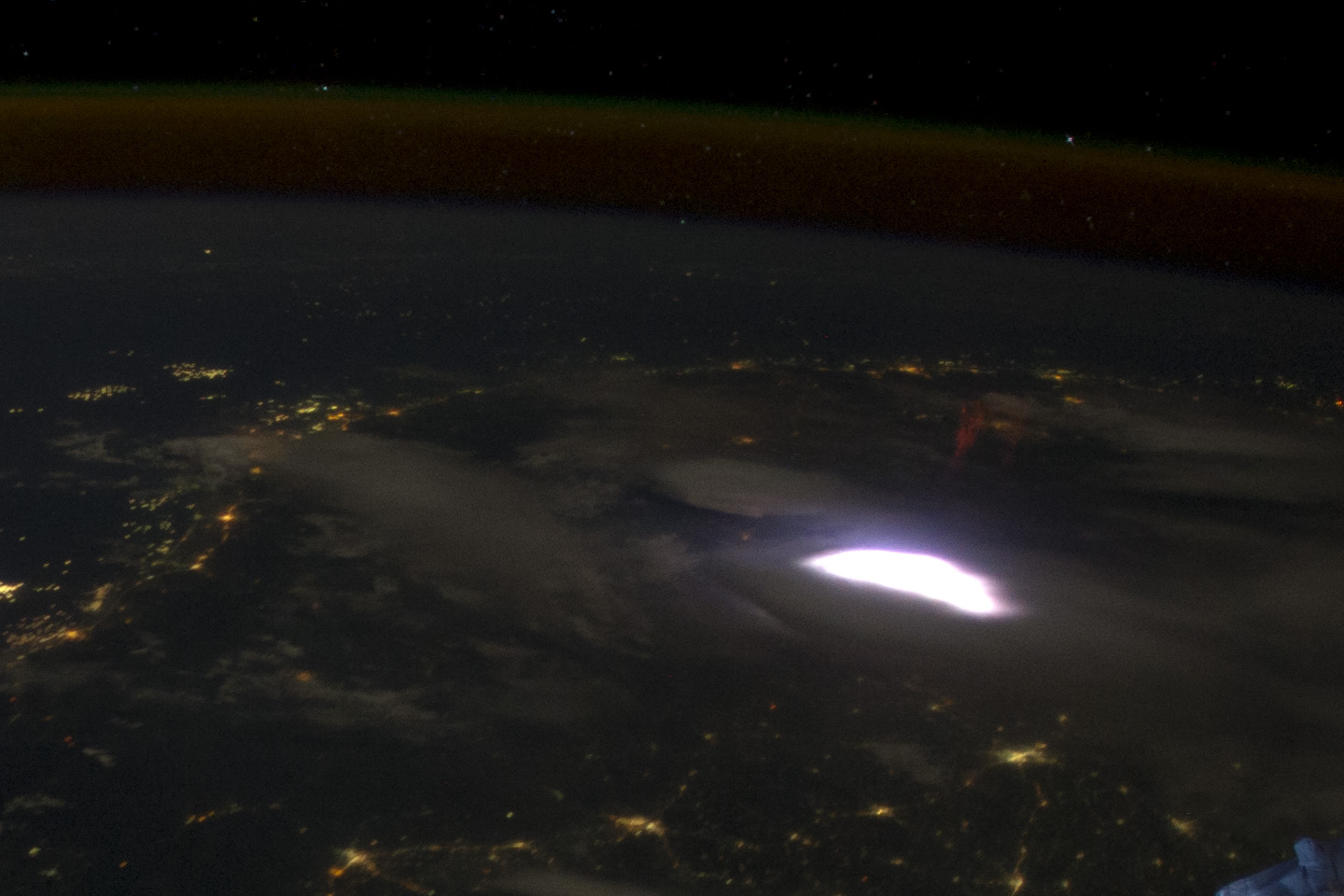
Lightning also points to new ideas for cleaner nitrogen production. Engineers are experimenting with plasma reactors and arc-based systems that mimic lightning’s chemistry at room scale, aiming for fertilizer made with far less energy and fewer emissions. If those technologies mature, they could complement conventional plants and bring localized production closer to the fields that need it.
On the monitoring side, better satellites, ground sensors, and storm models will tighten our estimates of lightning’s nutrient impact as climates shift. Warming may alter storm patterns, and with them the where and when of natural nitrogen delivery; planners will want those maps. The promise is precision: pairing nature’s pulses with smarter land management, instead of treating storms as noise.
From Field Notes to Everyday Choices
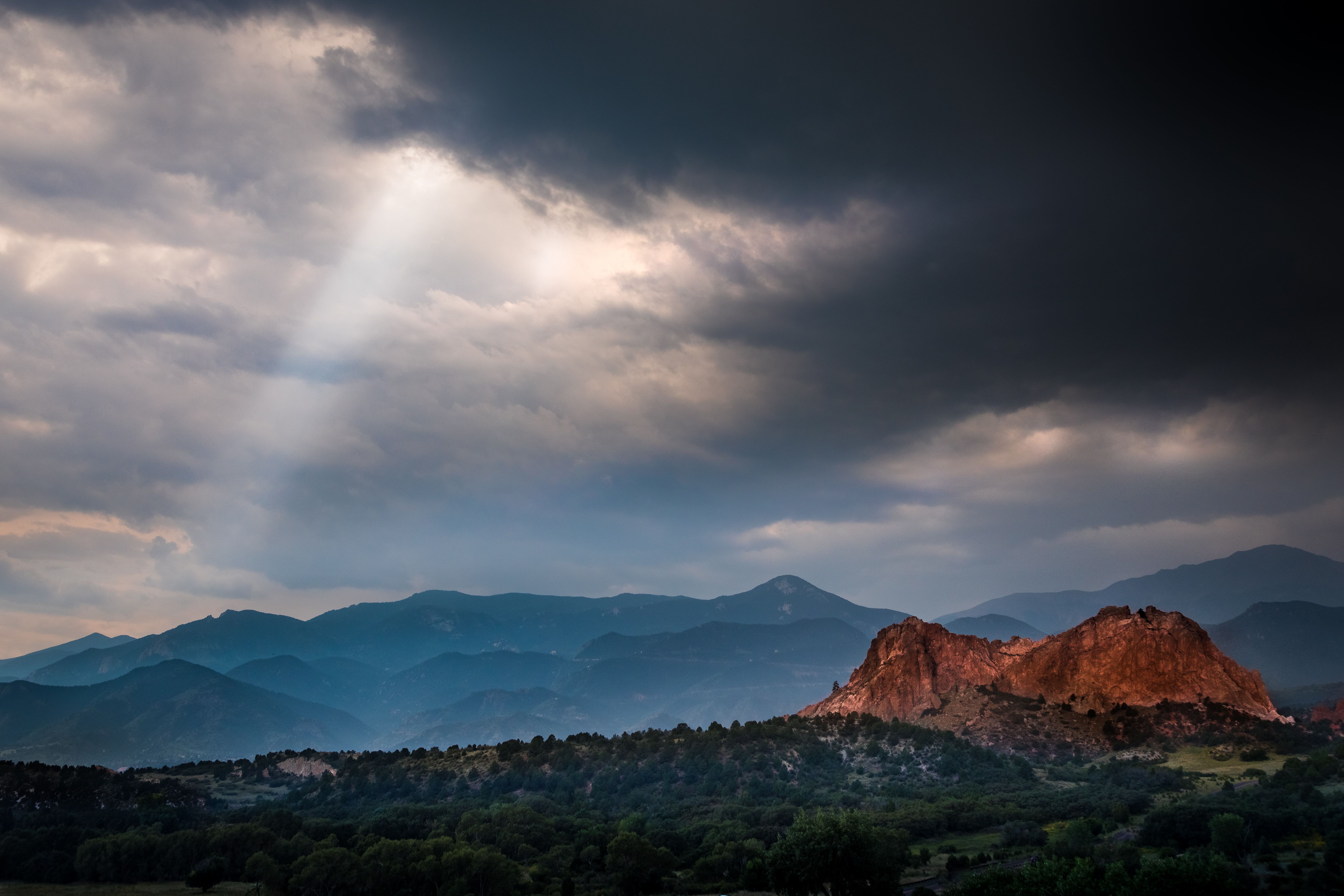
Curiosity is a tool here, and anyone can wield it. After a thunderstorm, notice which patches of lawn look livelier, which roadside weeds bolt, and which tree leaves seem to deepen in color; these are the small signals of sky-to-soil chemistry at work. Keep a simple log through a ing season and patterns begin to emerge, even in a backyard.
Those observations feed a bigger story: when we pay attention to living systems, we tend to treat them better. The next time thunder rolls, consider it a reminder that the planet still runs elegant, low-waste cycles we can learn from. If the sky can fertilize with flashes, what could we do with a little more light and a little less fire?
Suhail Ahmed is a passionate digital professional and nature enthusiast with over 8 years of experience in content strategy, SEO, web development, and digital operations. Alongside his freelance journey, Suhail actively contributes to nature and wildlife platforms like Discover Wildlife, where he channels his curiosity for the planet into engaging, educational storytelling.
With a strong background in managing digital ecosystems — from ecommerce stores and WordPress websites to social media and automation — Suhail merges technical precision with creative insight. His content reflects a rare balance: SEO-friendly yet deeply human, data-informed yet emotionally resonant.
Driven by a love for discovery and storytelling, Suhail believes in using digital platforms to amplify causes that matter — especially those protecting Earth’s biodiversity and inspiring sustainable living. Whether he’s managing online projects or crafting wildlife content, his goal remains the same: to inform, inspire, and leave a positive digital footprint.