
Imagine stepping into a lush rainforest at dawn, dew sparkling on every leaf, and realizing that the next major wildlife breakthrough might come from a scientist whose story is as vibrant and diverse as the ecosystem itself. For decades, the world of wildlife research was often painted in narrow hues, with voices from marginalized communities kept in the background. But today, LGBTQ+ scientists are boldly stepping forward, transforming not only how we study animals and ecosystems, but also how we understand the intricate web of life itself. Their unique perspectives, resilience, and drive are breathing fresh air into wildlife science—making it more inclusive, creative, and astonishingly innovative.
Challenging Old Paradigms

Traditional wildlife research has long clung to certain assumptions, often rooted in binary thinking about gender, behavior, and social roles—both for animals and the scientists who study them. LGBTQ+ researchers are shaking up these outdated ideas, asking new questions and challenging the status quo. For instance, their work encourages a move away from rigid male-female behavioral models in animal studies. By questioning these norms, they open up research to richer, more accurate depictions of animal behaviors and relationships. As a result, scientific fields are becoming more receptive to complexity and nuance, which ultimately leads to better science.
Spotlighting Queer Animal Behaviors

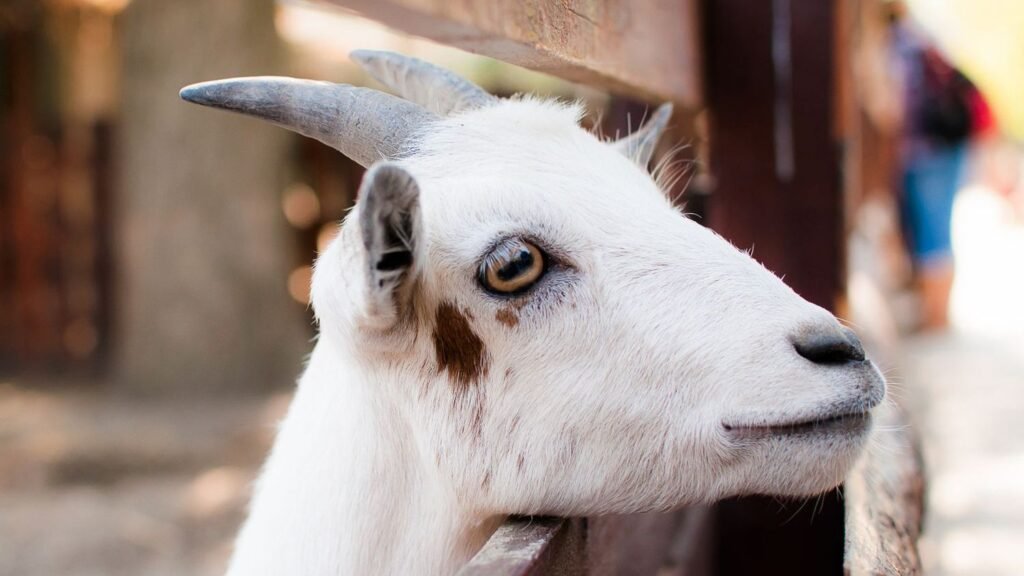
It might surprise you to learn just how many animals exhibit fluid or same-sex behaviors in the wild. For years, these observations were ignored or dismissed. LGBTQ+ scientists, however, are bringing these stories to light—studying same-sex pairings in penguins, the diverse family structures of dolphins, and the gender-bending clownfish. Their willingness to see beyond human cultural biases allows for a truer understanding of animal diversity. This research helps challenge the myth that nature itself is strictly binary, revealing a world that’s much more colorful and complex.
Broadening Definitions of Family

Family means something different in every species, and LGBTQ+ scientists are especially attuned to these variations. They ask: What does family look like for elephants, wolves, or bonobos? By exploring these questions, they expand our understanding of cooperation, care, and kinship across the animal kingdom. Their insights help shape conservation strategies that support not just breeding pairs, but entire communities—leading to more effective protection for endangered species. The ripple effect is profound: when we redefine family in science, we also become more open to diversity in our own societies.
Fostering Inclusive Research Teams

Wildlife science thrives when people from different backgrounds work together. LGBTQ+ scientists are often champions of inclusive, equitable research environments. They know firsthand the power of acceptance and belonging, and they build teams where everyone’s ideas are valued. These diverse teams are more creative, ask broader questions, and are better equipped to tackle complex environmental problems. The result? A scientific community where innovation flourishes and breakthroughs come from every corner.
Advocating for Ethical Fieldwork
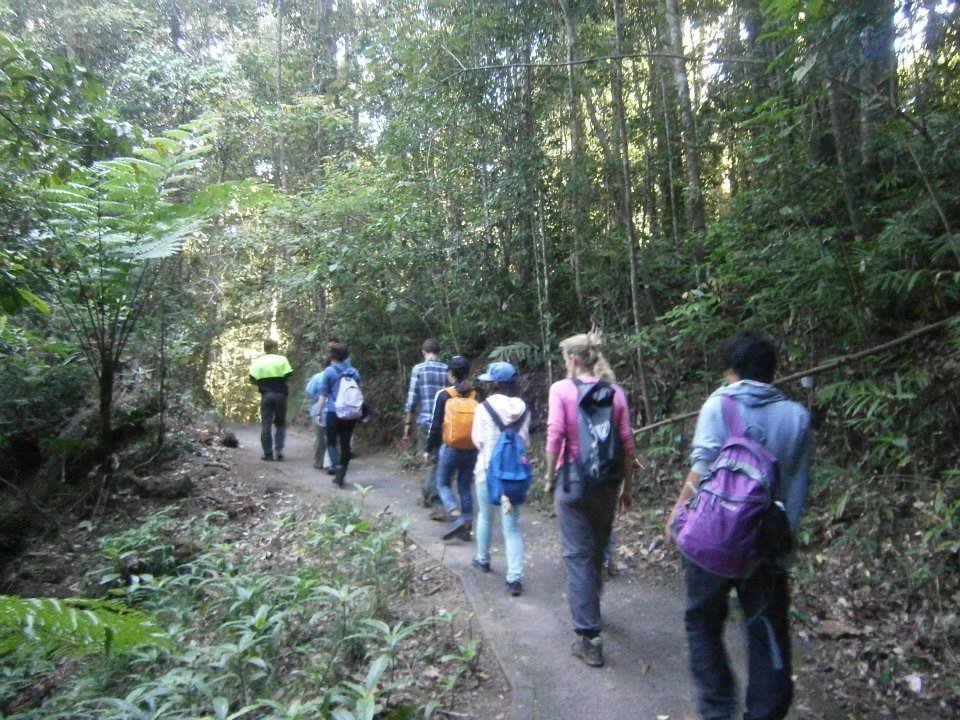
Field research can be tough—physically, emotionally, and ethically. LGBTQ+ scientists often bring a heightened awareness to issues of safety, consent, and respect, both for their colleagues and the communities they work with. They lead by example, pushing for safer fieldwork protocols and advocating for the rights of all team members. Their influence helps ensure that science is conducted with integrity and care, setting new standards for ethical research worldwide.
Innovating Conservation Strategies
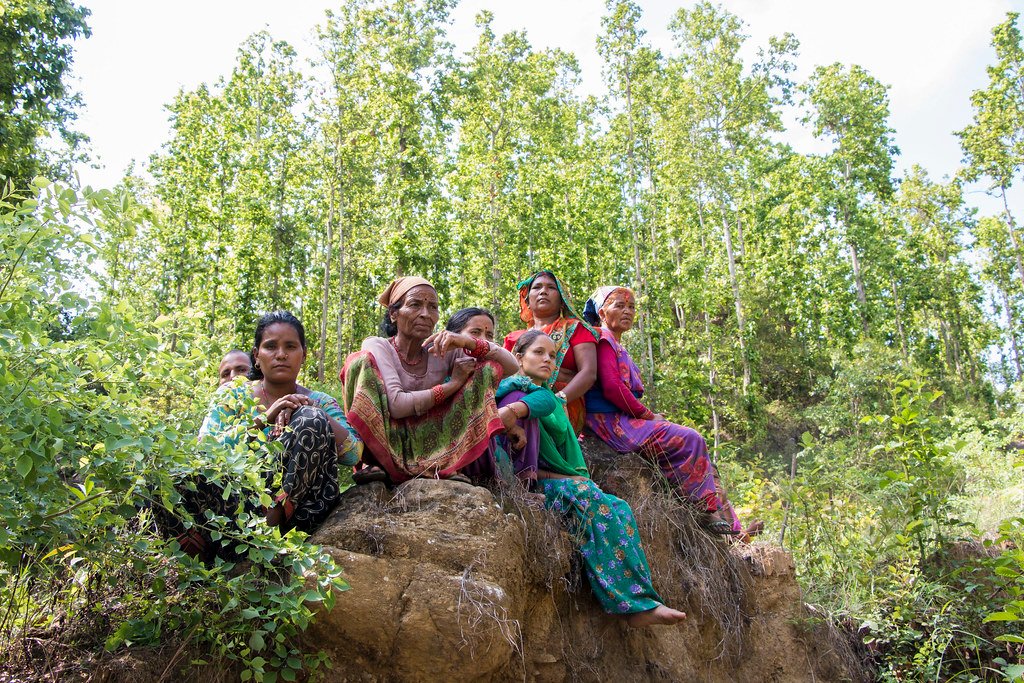
Conservation isn’t just about saving animals—it’s about understanding ecosystems, cultures, and the people who depend on them. LGBTQ+ researchers are especially skilled at seeing connections between species, habitats, and human communities. Their fresh perspectives spark new ideas for protecting biodiversity, such as community-led conservation projects or creative partnerships across borders. By thinking outside the box, they help design solutions that are more adaptable, resilient, and effective.
Championing Intersectional Approaches

Wildlife science doesn’t happen in a vacuum. LGBTQ+ scientists frequently recognize the importance of intersectionality—how gender, race, sexuality, and other identities shape our experiences and opportunities. They advocate for research that acknowledges these complexities, both in human societies and animal populations. This approach leads to deeper, more nuanced studies that reflect the true diversity of life on Earth.
Mentoring the Next Generation

Representation matters. When young LGBTQ+ people see scientists who share their identities, they’re more likely to imagine themselves making discoveries in the field. Many LGBTQ+ scientists take pride in mentoring students and early-career researchers, creating a supportive network that empowers the next generation. Through mentorship, they help break down barriers and ensure that science is open to all curious minds, regardless of background.
Rewriting Scientific Narratives
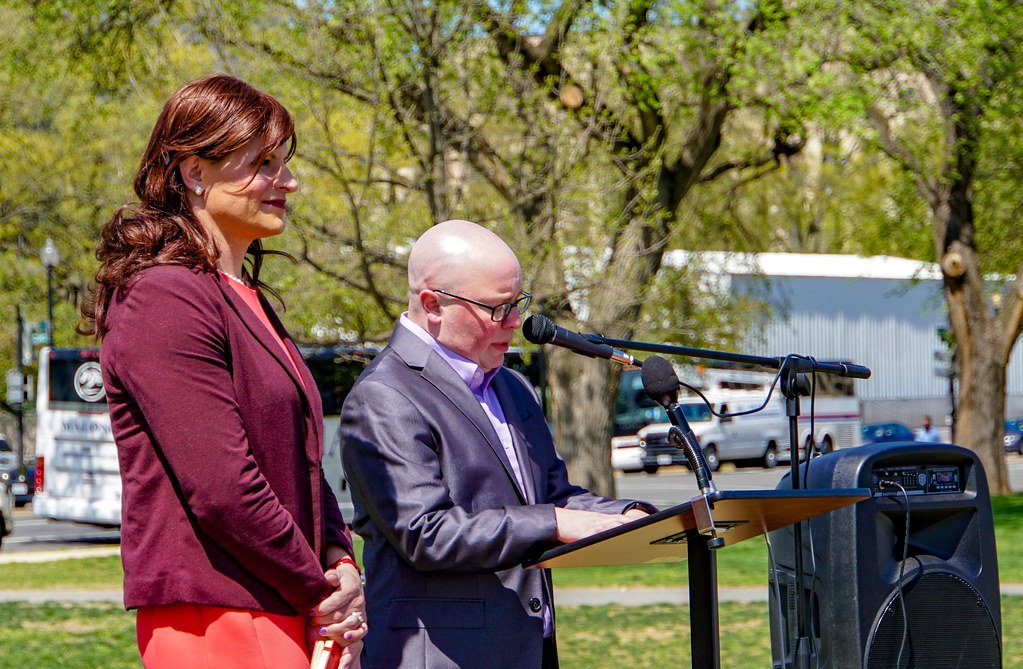
Science is full of stories—about animals, ecosystems, and the people who study them. LGBTQ+ researchers are rewriting these narratives by sharing their own experiences and highlighting stories that were previously overlooked. Whether it’s documenting the parenting habits of same-sex albatross pairs or sharing personal journeys in academic journals, their voices add richness and authenticity to the scientific record. These stories not only educate but also inspire, showing that science is a living, evolving conversation.
Promoting Mental Health and Wellbeing

The pressures of scientific research can take a toll on anyone, but LGBTQ+ scientists often face additional challenges related to discrimination or isolation. Many are now leading efforts to promote mental health and wellbeing in research settings. By advocating for supportive policies, organizing peer support groups, and speaking openly about their experiences, they help create healthier, more compassionate workplaces for everyone.
Bridging Science and Activism

For some LGBTQ+ wildlife researchers, science and activism go hand in hand. They see their work as a tool for social change—whether it’s advocating for environmental justice, protecting indigenous lands, or fighting for equal rights in the scientific community. Their dual roles enrich both fields, infusing scientific research with a sense of purpose and urgency that can drive lasting impact.
Increasing Visibility and Representation
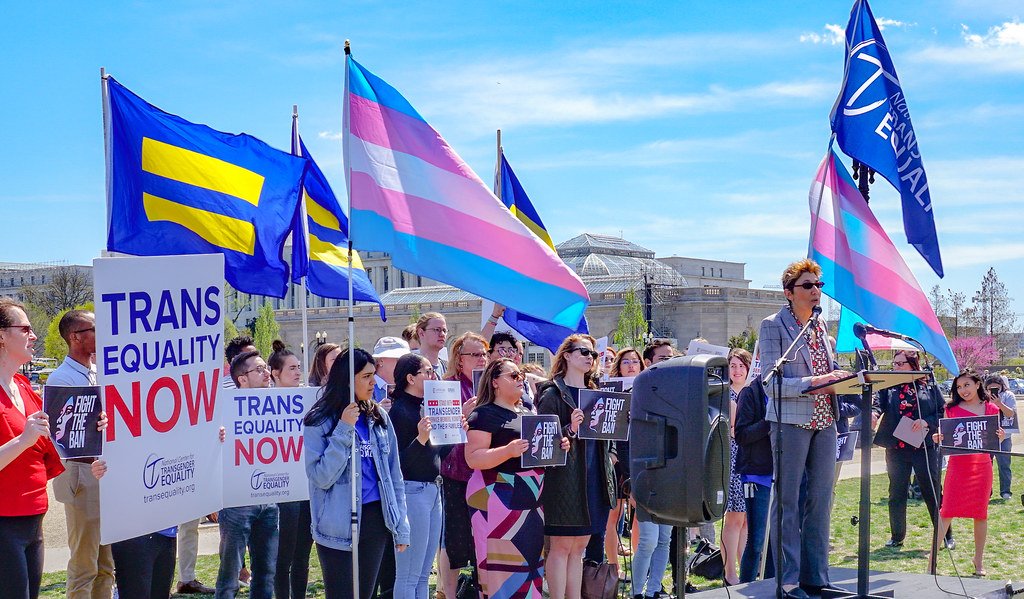
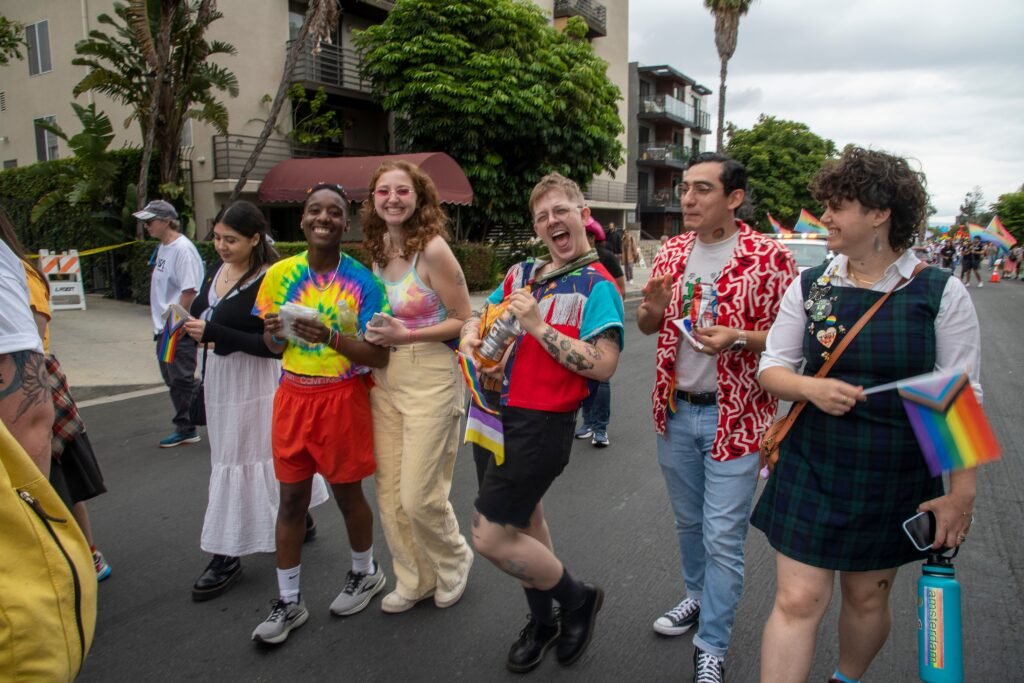
Visibility is a powerful thing. LGBTQ+ scientists are sharing their stories at conferences, in documentaries, and on social media, making their presence known in spaces where they were once invisible. This increased representation challenges stereotypes and encourages institutions to create more inclusive policies. As more LGBTQ+ scientists step into the spotlight, the scientific community becomes a more welcoming and dynamic place.
Building Global Collaborations

Wildlife doesn’t recognize borders, and neither do many LGBTQ+ researchers. They often forge international collaborations, bringing together scientists from different cultures and backgrounds. These global networks foster the exchange of ideas, resources, and support, making wildlife research stronger and more impactful. Collaboration across continents leads to discoveries that benefit both science and conservation efforts worldwide.
Encouraging Open-Ended Inquiry
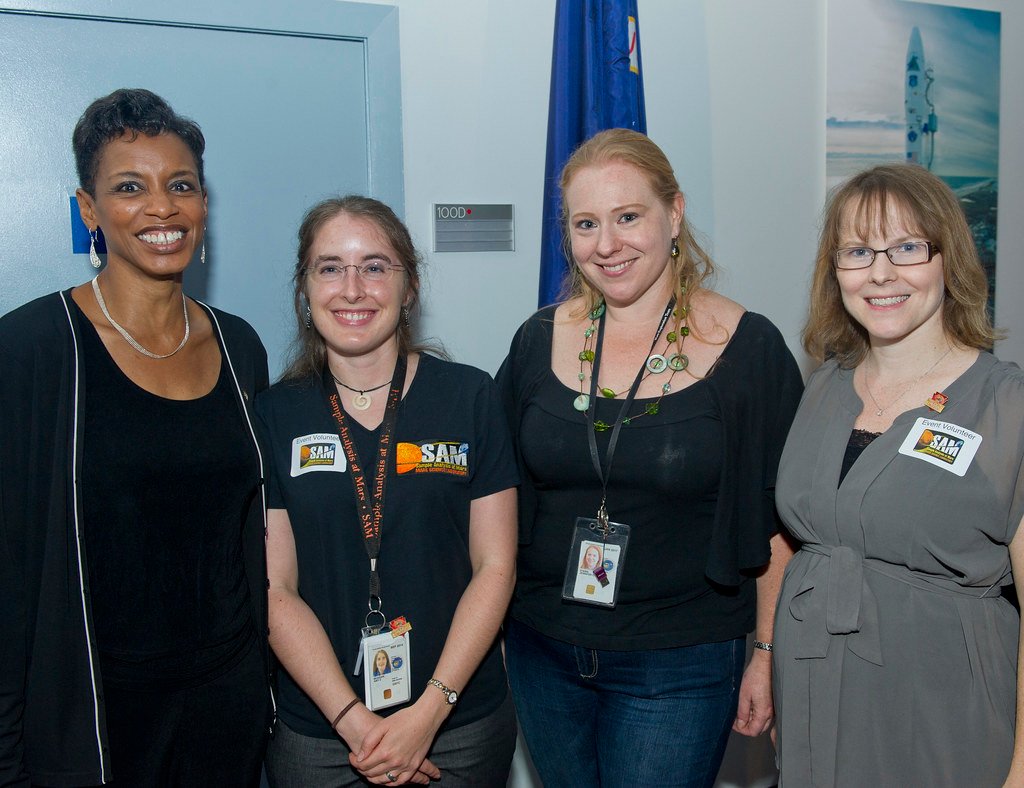
Curiosity is at the heart of science, and LGBTQ+ scientists excel at asking questions that others might overlook. Their willingness to challenge assumptions and explore new avenues leads to unexpected discoveries. For example, by studying non-traditional mating systems or unconventional habitats, they uncover patterns and behaviors that enrich our understanding of the natural world. This spirit of open-ended inquiry keeps the field vibrant and full of possibility.
Confronting Discrimination and Bias
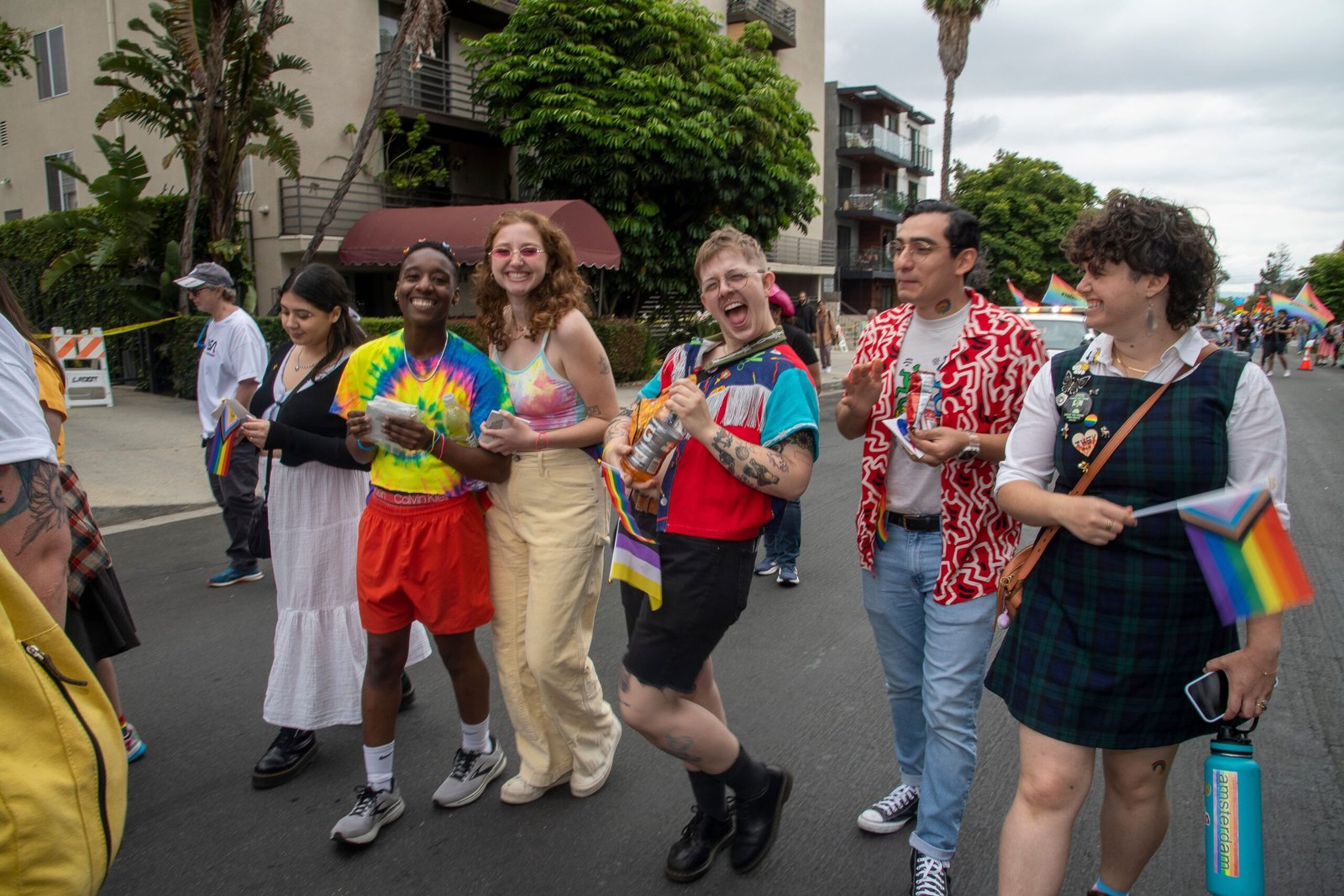
Despite their many contributions, LGBTQ+ scientists still face barriers in the scientific world—from subtle biases to outright discrimination. Many are working tirelessly to confront these challenges, whether by pushing for institutional change or educating colleagues about inclusivity. Their courage in speaking out not only improves conditions for themselves, but also sets a precedent for fairness and respect across the field.
Celebrating Diversity as a Scientific Strength

Diversity isn’t just a buzzword—it’s a cornerstone of good science. LGBTQ+ researchers embody this principle, showing that a wide range of perspectives leads to better questions, sharper insights, and more creative solutions. Their presence in wildlife research is a testament to the power of inclusion, reminding us that the wildest discoveries often come from the most unexpected places.
Inspiring a More Inclusive Future

The impact of LGBTQ+ scientists reaches far beyond individual studies or discoveries. They are shaping a future where everyone—regardless of identity—can contribute to our understanding of the natural world. Their example inspires hope, curiosity, and a sense of belonging among scientists and nature lovers alike. The question lingers: What incredible breakthroughs might we see next, now that more voices are being heard?