Jane Goodall, renowned for her groundbreaking research on chimpanzees, has significantly changed the way scientists and the public understand the animal kingdom. Her work not only transformed the field of primatology but also revolutionized the study of animal behavior by emphasizing the importance of long-term observation in natural habitats. Goodall’s approach and findings challenge conventional academic paradigms, making her a pivotal figure in animal behavior studies.
The Early Days: Entering the World of the Chimps

Jane Goodall began her journey into the world of chimpanzees in 1960 when she arrived at Gombe Stream National Park in Tanzania. With little formal scientific training, Goodall embarked on an unorthodox path that focused on direct observation rather than laboratory analysis. Her method allowed her to witness behaviors that were previously unknown to scientists, opening new avenues of understanding about our closest relatives in the animal kingdom.
Revolutionary Observations on Tool Use

One of Goodall’s most significant discoveries was observing chimps using tools. She watched as a chimp named David Greybeard used a twig to extract termites from a mound, challenging the belief that only humans were capable of making and using tools. This observation had profound implications, prompting scientists to reconsider definitions of humanity and intelligence, and blurring the lines between human and animal behavior.
Complex Social Structures

Goodall’s extensive, on-the-ground observation revealed the complex social structures within chimp communities. She documented their hierarchical societies, detailed family bonds, and observed instances of cooperation, conflict, and even warfare between different groups. Her work highlighted the emotional depth and societal complexities of chimpanzees, contributing to a broader understanding of social behaviors across species.
Personalities and Emotional Depth

Contrary to the belief prevalent in her time that animals were devoid of emotions, Goodall provided evidence of distinct personalities among chimps. She observed grief, joy, anger, and empathy, illustrating a rich emotional tapestry that was previously attributed only to humans. Her work caused a paradigm shift, encouraging scientists to reconsider emotions in animals and leading to ethical debates concerning animal rights and welfare.
Long-term Observation Methodology
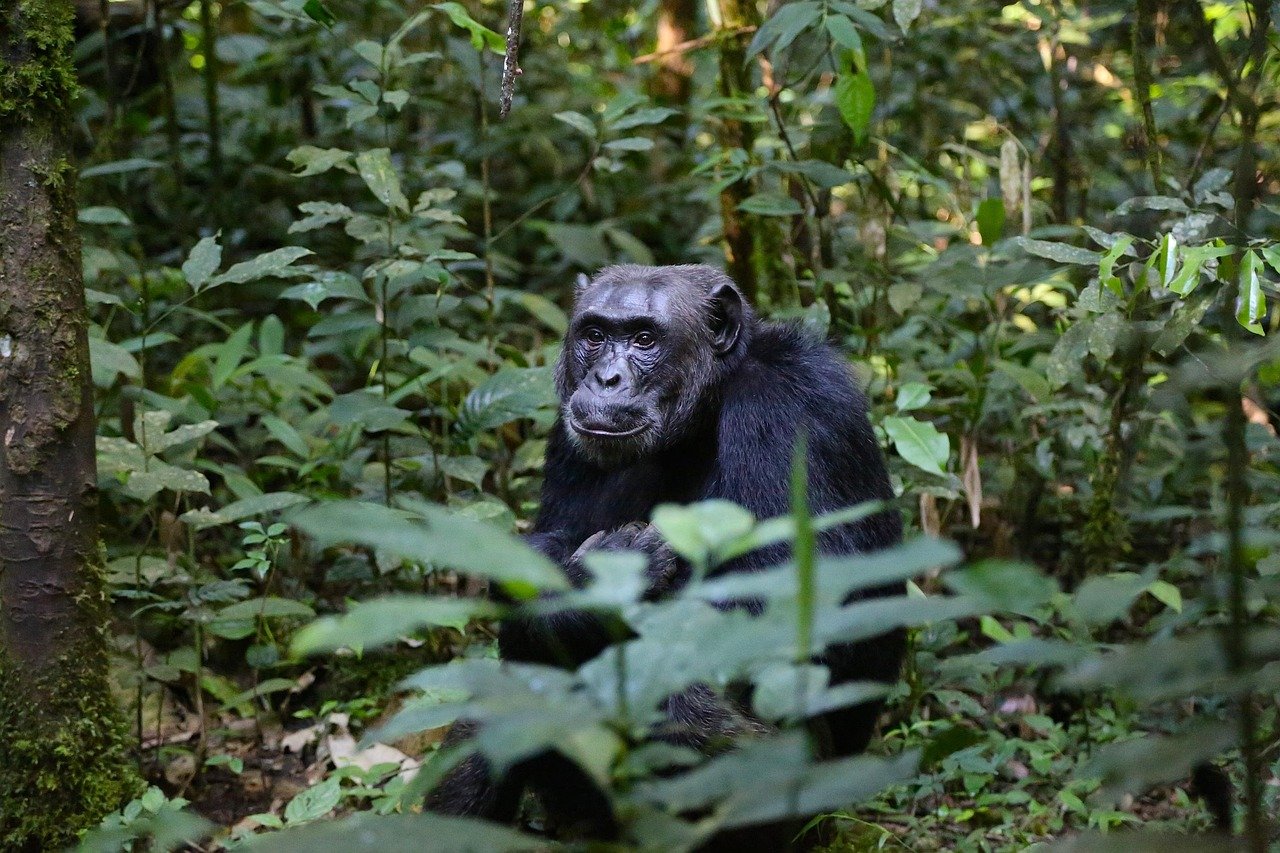
Goodall’s research highlighted the advantages of long-term observation in understanding animal behavior. Her commitment to immersing herself in the chimps’ habitat allowed her to gather data over extended periods, providing insights into generational changes and long-term behavioral patterns that short-term studies could not reveal. This methodology became a model for future ethological studies, emphasizing patience and sustained fieldwork.
Influence on Conservation and Ethics

Goodall’s research has had a lasting impact on conservation efforts and animal research ethics. By showcasing the complex lives of chimps, she has fostered a greater appreciation for their conservation. Her research spurred global campaigns to protect their habitats and informed international laws on animal experimentation and welfare. Goodall’s emphasis on conservation continues with her founding of the Jane Goodall Institute, which advocates for the protection of chimpanzees and their environments.
Conclusion

Jane Goodall’s pioneering work with chimpanzees has not only revolutionized the study of animal behavior but also reshaped humanity’s view of itself within the natural world. By highlighting the intelligence, emotions, and complex societies of chimps, she bridged the gap between humans and animals, fostering a deeper respect for life in all its forms. Her legacy continues to inspire new generations of scientists, conservationists, and animal lovers to pursue understanding through empathy and patience, ensuring a more compassionate future for all species.