Conservation efforts across the globe are undergoing a paradigm shift, with Indigenous communities at the forefront of some of the most effective initiatives. In Canada, Indigenous-led conservation practices are emerging as vital strategies to preserve biodiversity and protect wildlife. The unique blend of traditional ecological knowledge and modern conservation practices provides a holistic approach to wildlife protection. This article delves into how these Indigenous-led efforts are making a difference in Canada’s vast and diverse ecosystems.
The Role of Indigenous Knowledge in Conservation
Indigenous communities have a deep-rooted connection with the environment, encompassing thousands of years of accumulated ecological wisdom. This knowledge, often passed down through generations, offers invaluable insights into sustainable wildlife management. Unlike conventional conservation methods that tend to focus on isolated objectives, Indigenous approaches consider the interconnectedness of all living things, fostering a more harmonious relationship with nature.
Understanding Canada’s Biodiversity
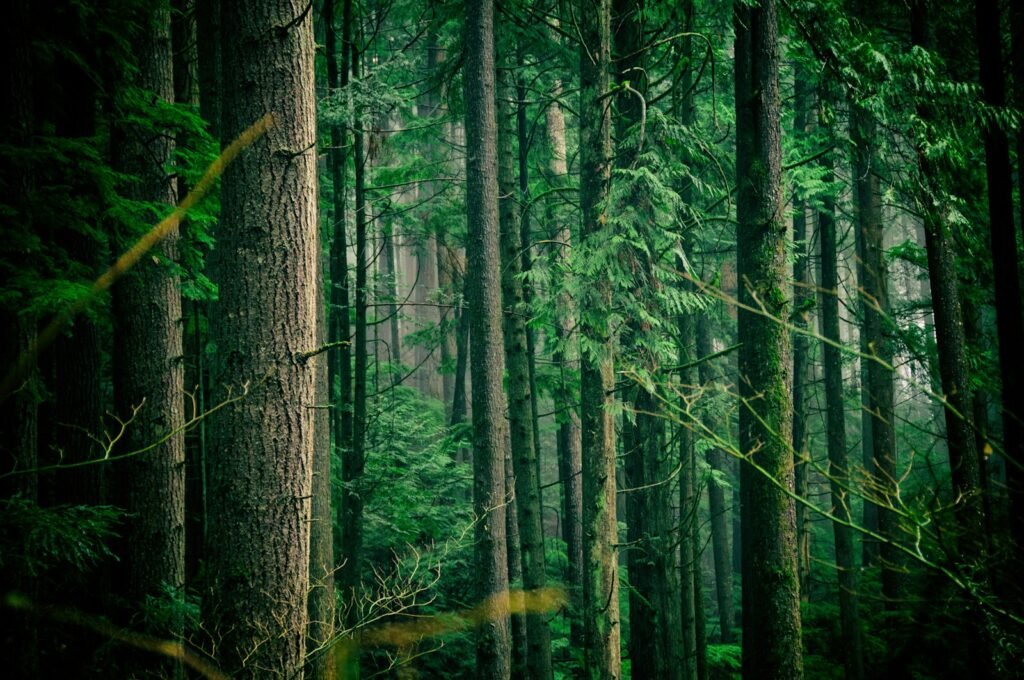
Canada is home to a rich tapestry of ecosystems, from its Arctic tundras to sprawling prairies and lush forests. Supporting a vast array of wildlife, including species that are unique to the region, conservation in Canada requires a nuanced understanding of these habitats. Indigenous peoples have historically managed these landscapes, maintaining their biodiversity through practices that respect the land’s natural rhythms.
Community-Led Conservation Initiatives

Indigenous-led conservation initiatives often involve community participation, ensuring that conservation efforts align with local values and needs. These initiatives empower communities, giving them a voice in managing their lands and resources. By involving local populations, conservation strategies can be more adaptive and responsive to ecological changes.
Protected Areas and Indigenous Stewardship
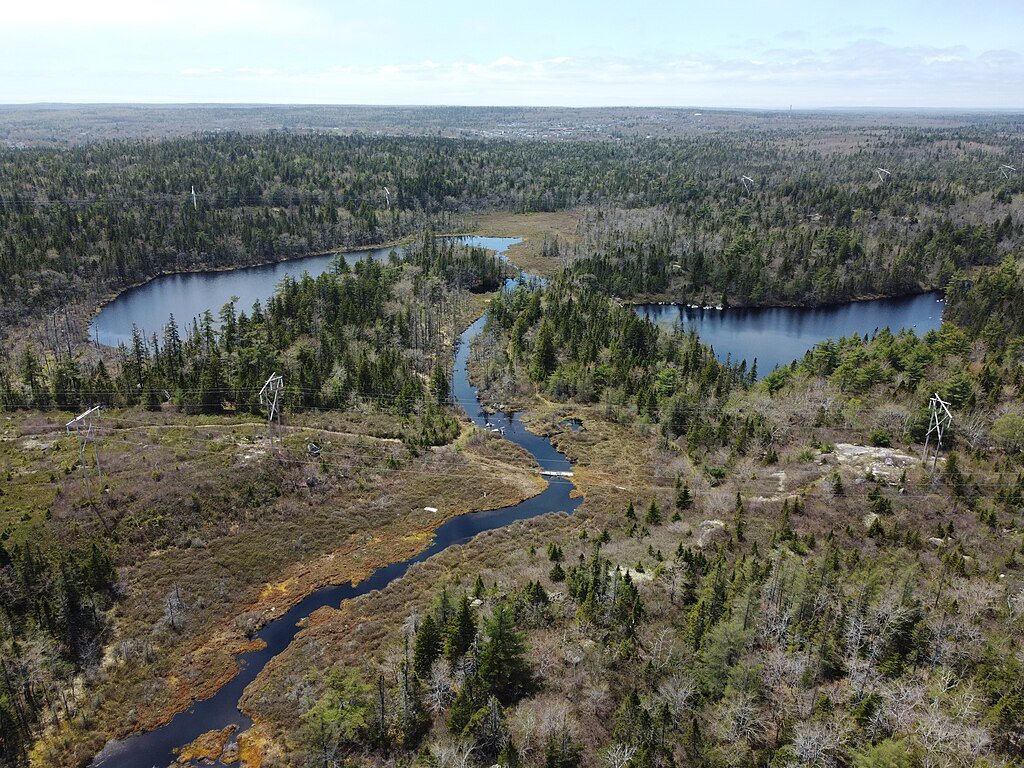
One of the most significant contributions of Indigenous-led conservation is the establishment of protected areas under Indigenous stewardship. These protected regions serve as vital sanctuaries for wildlife, safeguarding habitats from industrial development and other threats. Indigenous guardians oversee these lands, blending traditional practices with modern conservation techniques to manage wildlife effectively.
Successful Examples of Indigenous Conservation

Several successful conservation projects led by Indigenous communities are making headlines in Canada. For instance, the Great Bear Rainforest, one of the world’s largest coastal temperate rainforests, is co-managed by Indigenous groups. Here, collaborative efforts have helped protect species like the Spirit Bear, a rare subspecies of the black bear. Similarly, the Dene and Cree peoples in Saskatchewan have spearheaded woodland caribou conservation initiatives, leading to significant advancements in habitat preservation.
Combating Climate Change

Indigenous-led conservation efforts also play a crucial role in addressing climate change, one of the most pressing challenges of our time. Due to their profound connection to the land, Indigenous communities are acutely aware of environmental changes and are often the first to notice shifts in wildlife patterns. Their adaptive management strategies and sustainable practices are instrumental in promoting resilient ecosystems that can better withstand climatic shifts.
Challenges and Collaborative Solutions

Despite the successes, Indigenous-led conservation initiatives face numerous challenges, including political and economic pressures that can threaten traditional land rights. However, partnerships between Indigenous communities, government agencies, NGOs, and private sectors are proving to be effective solutions. Such collaborations can provide the necessary resources and support to amplify Indigenous voices and sustain conservation efforts.
The Future of Indigenous-Led Conservation

The future of conservation in Canada is promising, with Indigenous leadership paving the way towards more sustainable and effective wildlife preservation. Ongoing education, policy reforms, and increased awareness of the importance of Indigenous stewardship will be key to ensuring the vitality of Canada’s wildlife for generations to come.
Through a blend of traditional knowledge and innovative conservation techniques, Indigenous-led efforts are not only protecting Canada’s diverse wildlife but also nurturing a sustainable coexistence between humans and nature. These initiatives exemplify the power of culturally informed conservation practices, offering hope and inspiration for global wildlife preservation efforts. The success of these projects underscores the necessity and potential of Indigenous leadership in safeguarding our planet’s natural heritage.