

India’s lush and vibrant landscapes have long been renowned for their rich biodiversity, supported by centuries-old traditions that intertwine nature with spirituality. Among these traditions is the concept of sacred forests, areas that have been revered and preserved across generations through cultural beliefs. These sacred groves play an indispensable role in conserving India’s unique biodiversity, acting as reservoirs of life amidst rapid modernization.
The Historical Roots of Sacred Forests
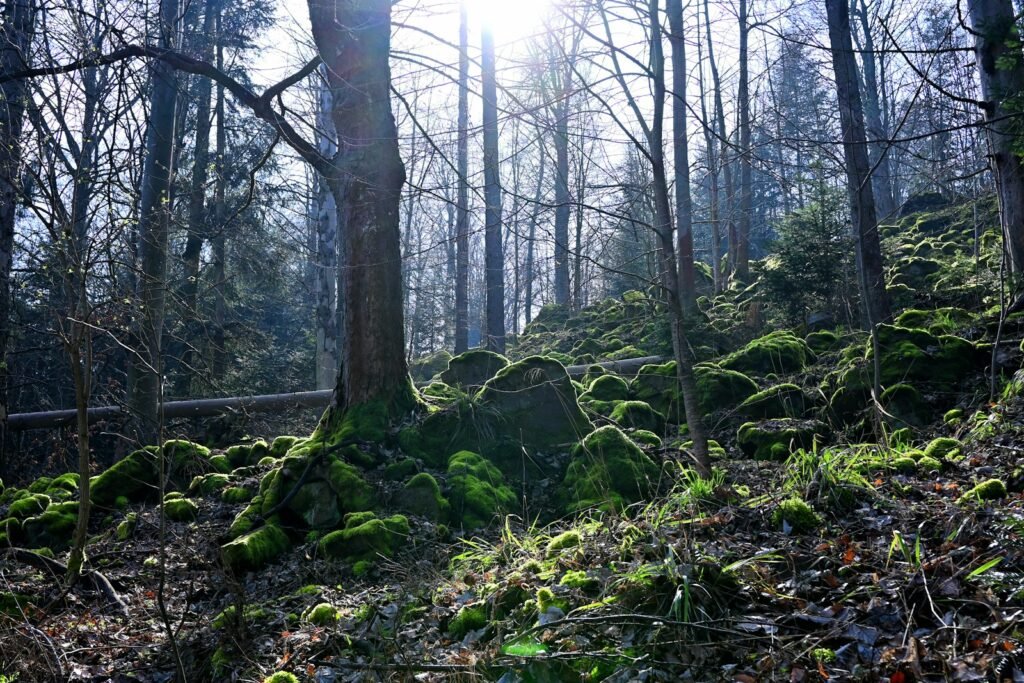
The tradition of sacred forests in India dates back thousands of years. These groves, called “Dev Bhoomi” or “God’s Land” in many regions, are dedicated to deities, spirits, or ancestors. Local communities, motivated by a sense of spiritual duty and reverence, meticulously protect and nurture these patches of wilderness. Consequently, this practice has led to the preservation of numerous plants and animal species that may have otherwise been lost to deforestation or unsustainable development.
Ecological Significance of Sacred Groves

Sacred forests are often situated amidst larger ecosystems, acting as biodiversity hotspots and gene pools for a variety of species. These groves are teeming with medicinal plants, rare herbs, and other flora that are integral to local pharmacopoeia. Moreover, they provide critical habitats for wildlife, including many endangered species, enhancing ecological balance and biological diversity.
Guardians of Traditional Knowledge

Sacred forests are not merely about conserving nature but also about preserving traditional knowledge. The communities that take care of these groves possess extensive ethnobotanical knowledge passed down through generations. This includes information on the medicinal and nutritional uses of plants found in the groves, highlighting the importance of linking local traditions with modern conservation efforts.
Cultural Practices and Conservation

The protection afforded to sacred forests is deeply embedded in religious practices and taboos that discourage exploitation. Festivals, rituals, and community gatherings often center around these areas, reinforcing their importance and ensuring continued protection. These traditions foster a strong sense of stewardship and responsibility toward the natural environment.
Contribution to Climate Resilience
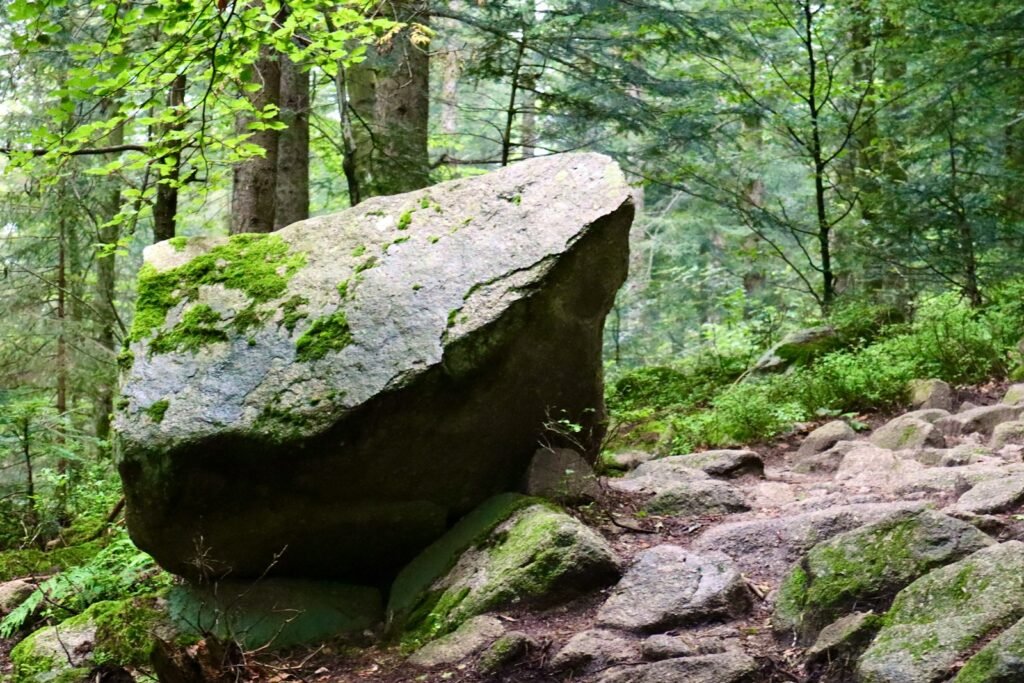
Sacred groves play a critical role in climate resilience. The dense vegetation found in these areas not only provides a carbon sink but also protects against soil erosion, stabilizes water cycles, and fosters microclimates that support diverse life forms. As climate change poses new threats, sacred forests become vital assets in environmental management and adaptation strategies.
Challenges Faced by Sacred Forests
Despite their significance, sacred forests are increasingly at risk from urbanization, agriculture encroachment, and modernization pressures. These threats can lead to habitat fragmentation and biodiversity loss. Continued advocacy and strengthened legal frameworks are crucial to safeguarding these critical ecosystems.
Integrating Indigenous and Modern Conservation Practices

Successful biodiversity conservation in sacred forests requires a harmonious blend of indigenous practices and scientific approaches. Collaborative campaigns involving local communities, environmentalists, and government agencies can enhance protection efforts. By respecting tradition while incorporating scientific innovation, these groves can be preserved for future generations.
Case Studies: Successful Conservation Initiatives

Various regions in India offer remarkable examples of sacred grove conservation. In Meghalaya, the sacred forests of the Khasi Hills have thrived under the guardianship of tribal communities who implement stringent ecological conservation measures. Similarly, the Kodagu district in Karnataka is known for its well-preserved sacred groves, which host diverse species and contribute to local water conservation. These success stories highlight the powerful impact of community-driven conservation efforts.
The Role of Education in Conservation

Educating younger generations about the importance of sacred forests is vital for their preservation. Schools and community programs that incorporate lessons on the cultural, ecological, and spiritual values of these groves help instill a lifelong commitment to conservation. Through raising awareness, a new generation of guardians can emerge to protect these vital ecosystems.
Concluding Thoughts on Sacred Forests and Biodiversity

India’s sacred forests are much more than relics of the past; they are crucial for contemporary efforts to conserve biodiversity and combat climate change. By intertwining spirituality, tradition, and ecological science, these forests represent a beacon of hope for sustainable environmental stewardship. As we navigate the challenges of the modern world, the lessons from India’s sacred groves remind us of the profound relationship between humans and nature, urging us to protect these invaluable assets for the benefit of all life on Earth.