
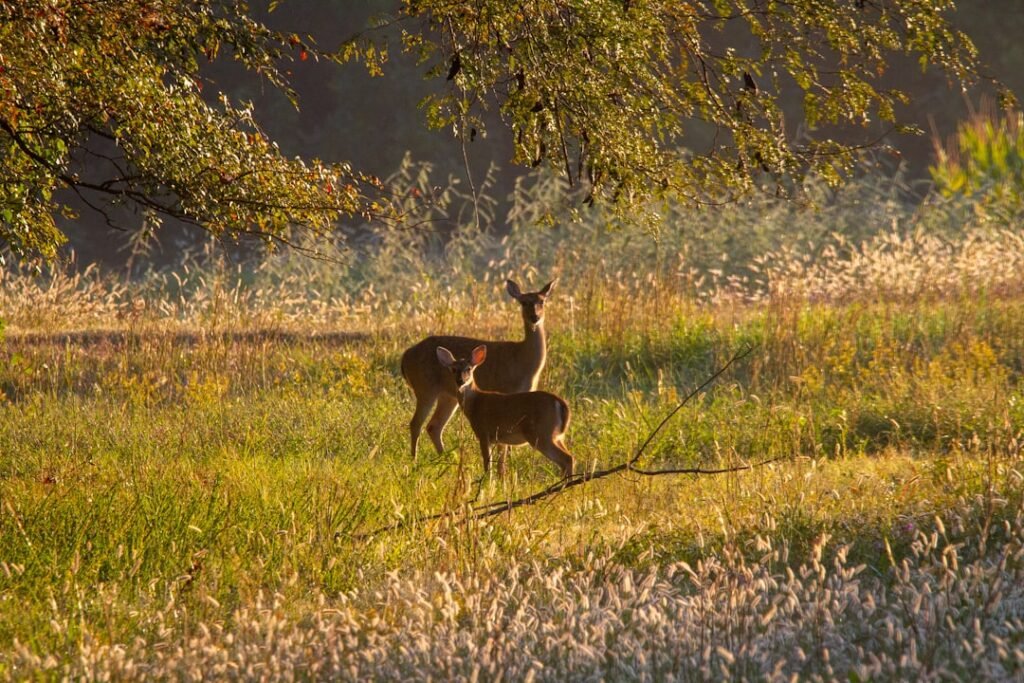


The Paradox of Absence (Image Credits: Unsplash)
In the shadow of human strife and environmental mishaps, unexpected oases emerge where nature reclaims the land, offering refuge to species long displaced by progress.
The Paradox of Absence
Human activity often drives wildlife away, yet when conflicts force people to flee, ecosystems sometimes flourish in the void left behind. This phenomenon, known as involuntary parks, reveals a stark irony: zones rendered uninhabitable by war, pollution, or disaster become thriving habitats. Researchers have documented how these areas, devoid of farming, hunting, or urban sprawl, allow biodiversity to rebound swiftly. Birds, mammals, and insects repopulate spaces once dominated by machinery and munitions. Such transformations challenge conventional conservation strategies, suggesting that enforced isolation can mimic protected reserves. Still, these gains come at a human cost, underscoring the complex interplay between society and the natural world.
Experts point to the rapid ecological recovery in these sites as evidence of nature’s resilience. Populations of endangered species have stabilized or grown, free from the pressures of development. However, the permanence of these parks remains uncertain, as cleanup efforts or peace accords could reopen the areas to habitation. This temporary sanctuary status highlights the need for deliberate protection measures elsewhere.
Historical Roots of Reluctant Refuges
The concept of involuntary parks gained prominence through observations of post-conflict landscapes, where military zones and abandoned industrial sites unexpectedly supported rich wildlife. During the Cold War, vast tracts of land in Europe and Asia served as no-man’s-lands, patrolled but largely untouched. Vegetation overgrew barbed wire fences, and animals navigated minefields with surprising adaptability. In the United States, chemical contamination led to evacuations that inadvertently preserved habitats. These cases illustrate how human errors or aggressions create barriers more effective than any fence erected for conservation. Over decades, studies have tracked species diversity in these zones, revealing higher counts than in adjacent developed areas.
One notable example arose from nuclear testing grounds, where radiation levels deterred settlement but permitted hardy flora and fauna to evolve. Similarly, border regions scarred by disputes have become corridors for migratory birds. These historical instances provide lessons for modern conservation, emphasizing the value of minimal human interference. Yet, they also warn of the dangers posed by unexploded ordnance or toxins to the very wildlife they shelter.
Case Studies in Nature’s Comeback
Around the world, specific sites exemplify this unintended boon for biodiversity. In Central Europe, the Demilitarized Zone between North and South Korea stands as a 250-kilometer-long buffer strip teeming with rare cranes and black-faced spoonbills. Evacuated due to ongoing tensions, the area has evolved into a de facto nature reserve since the 1950s. Wildlife thrives amid the ruins of war, with mammal populations including leopards and bears that vanished from nearby farmlands. This zone’s isolation has preserved ancient forest remnants, offering a glimpse of pre-industrial ecosystems.
Across the Atlantic, the Rocky Mountain Arsenal near Denver transformed from a chemical weapons facility into a wildlife refuge after contamination forced its closure in the 1980s. Bald eagles nested in the grasslands, and deer herds expanded unchecked. Remediation efforts later integrated conservation, turning liability into legacy. Other examples include Chernobyl’s exclusion zone in Ukraine, where wolves and lynx roam freely despite lingering radiation.
- The Korean DMZ: A militarized divide hosting over 2,900 plant species and unique birdlife.
- Chernobyl Exclusion Zone: Przewalski’s horses reintroduced amid abandoned villages.
- Times Beach, Missouri: A dioxin-scarred town reborn as Route 66 State Park, now home to river otters.
- Ha Ha Tonka State Park: Features an unfinished castle overtaken by forest, sheltering bobcats.
- Chippewa Lake Amusement Park, Ohio: Rusted rides entwined with vines, attracting pollinators.
Implications for Global Conservation
While involuntary parks demonstrate nature’s capacity to heal, they also expose vulnerabilities in traditional refuge systems. Human-wildlife conflicts persist at the edges of these zones, where expanding populations encroach on recovering habitats. Policymakers grapple with balancing security needs and ecological benefits, as seen in debates over border lands management. In places like Zimbabwe and India, similar dynamics fuel tensions between communities and conservation. These parks underscore the urgency of integrating human needs into wildlife strategies, preventing future conflicts through sustainable land use.
Advocates argue that studying these sites could inform the design of voluntary protected areas, incorporating buffer zones to minimize disturbances. International efforts, such as those by the U.S. Fish and Wildlife Service, expand formal refuges to over 570 nationwide, drawing parallels to involuntary successes. However, the ethical dilemma remains: celebrating wildlife gains amid human suffering risks overlooking root causes like pollution and war.
Key Takeaways
- Involuntary parks highlight nature’s resilience but are not sustainable substitutes for intentional conservation.
- They often arise from toxic or dangerous conditions, posing hidden risks to wildlife.
- Lessons from these zones can enhance global efforts to mitigate human-wildlife conflicts.
As human footprints expand, involuntary parks serve as poignant reminders that stepping back can allow the wild to step forward. What role should such unintended refuges play in our broader fight for biodiversity? Share your thoughts in the comments below.


