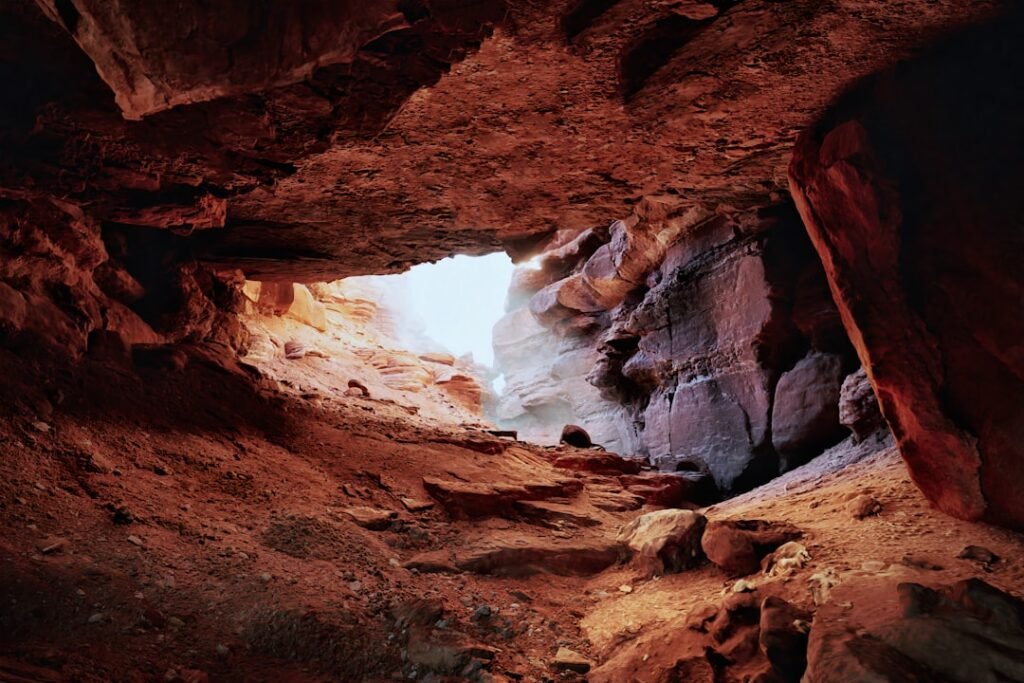
The majestic grizzly bear, an emblem of North America’s wilderness, is on the move. Once confined to more limited territories, these formidable creatures are gradually expanding their range across the state of Montana. This natural phenomenon not only sparks intrigue but also raises significant conservation and ecological questions. Understanding the factors behind this expansion is crucial for wildlife management and coexistence strategies.
Historical Context: Grizzlies in Montana
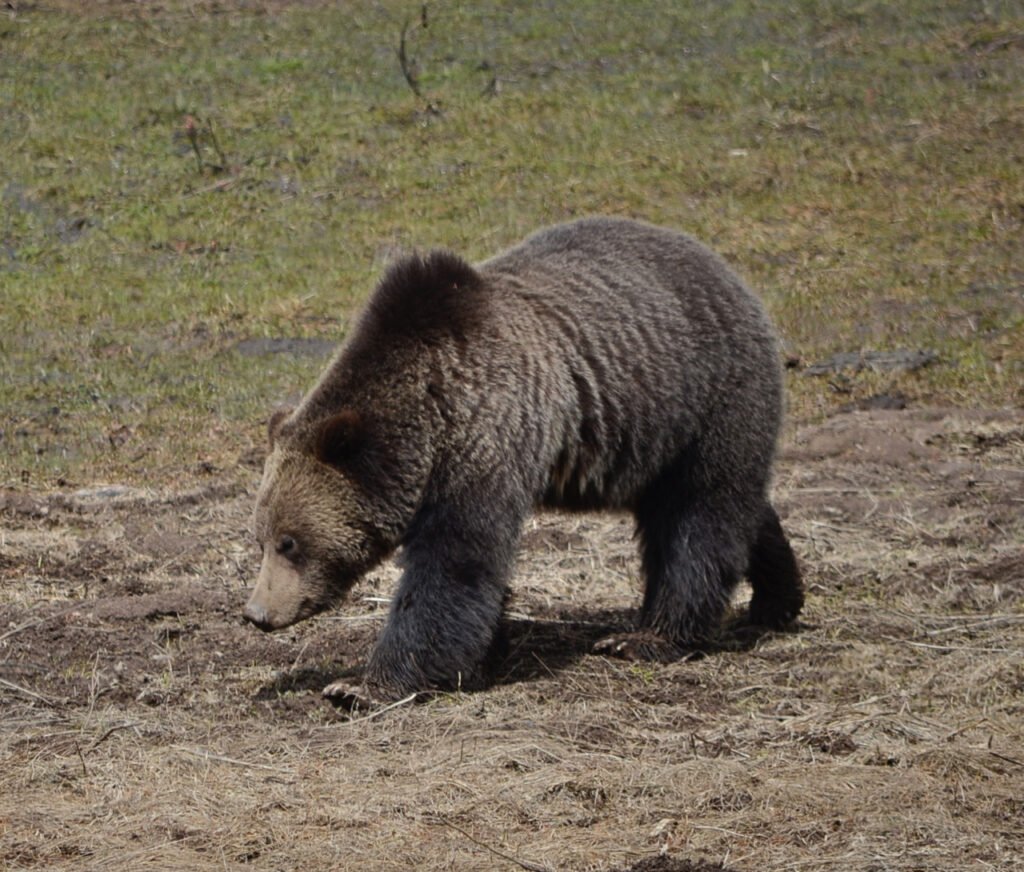
Historically, grizzly bears occupied a wide range across North America, but their population was severely reduced by hunting and habitat destruction in the early 20th century. Montana has always been a critical state for grizzly conservation, hosting a significant portion of the bear’s population in the lower 48 states. However, it wasn’t until recent decades that their expansion became apparent.
Current Range Expansion Patterns
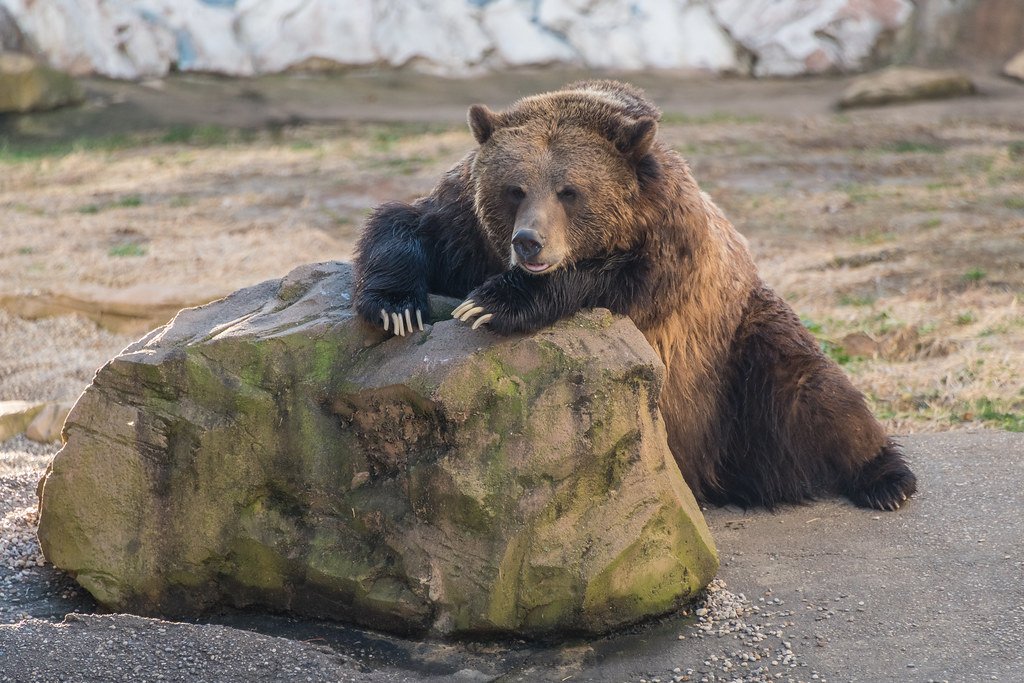
In recent years, grizzly bears have been documented moving into areas they haven’t inhabited for over a century. Sightings and GPS tracking data show these bears are venturing eastward from established strongholds like the Northern Continental Divide Ecosystem and Yellowstone National Park.
Factors Driving Expansion

The expansion of grizzlies in Montana is largely attributed to successful conservation efforts, including legal protections, habitat restoration, and the establishment of wildlife corridors. These measures have helped increase grizzly bear populations, necessitating the search for new territories.
Role of Conservation and Management
Effective conservation policies have played a pivotal role in grizzly recovery. By protecting critical habitats and reducing human-bear conflicts, these efforts have not only stabilized populations but encouraged natural expansion. Management plans involve stakeholders from government entities, conservationists, and local communities.
Challenges with Human-Bear Interactions

As grizzly bears explore new areas, human-bear interactions are becoming more common. These encounters can lead to conflicts, especially in regions with high human densities or agricultural activities. Strategies to minimize these conflicts are essential for ensuring the safety of both bears and humans.
Bears and Agriculture: Finding a Balance
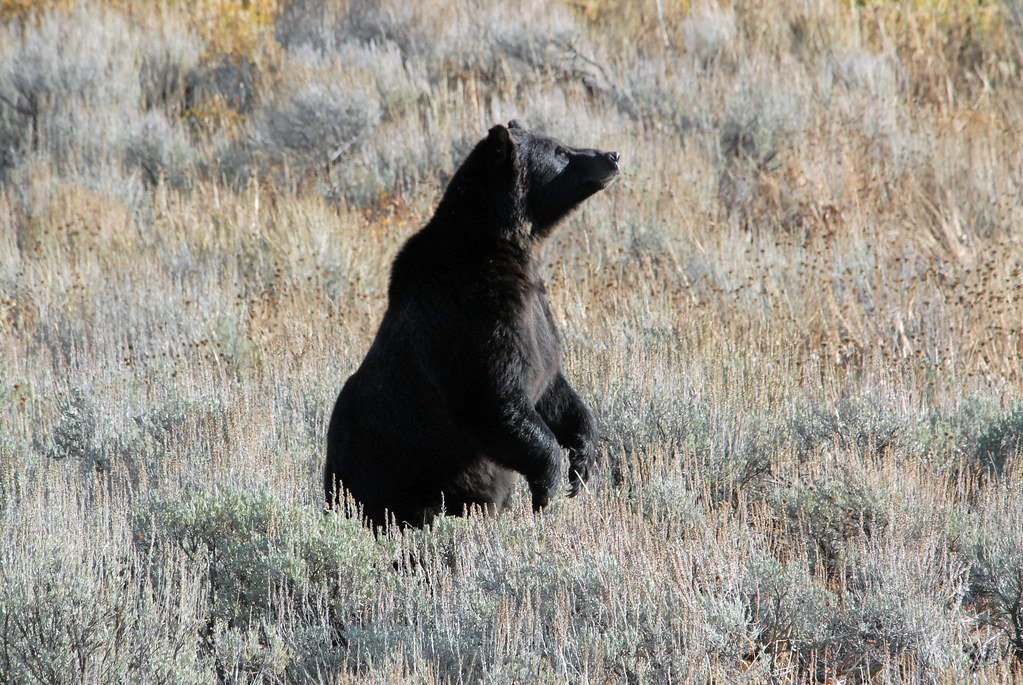
As bears move into agricultural zones, farmers and ranchers face challenges protecting livestock and crops. Implementing bear-proofing practices, such as electric fencing and secure storage of attractants, can mitigate these issues. Education and incentive programs for farmers are also gaining traction.
Impact on Other Wildlife

The presence of grizzlies influences ecosystems beyond their immediate environs. Their expansion can affect prey dynamics and competition with other predators. This highlights the importance of continued research to understand these ecological relationships fully.
Research and Monitoring Efforts
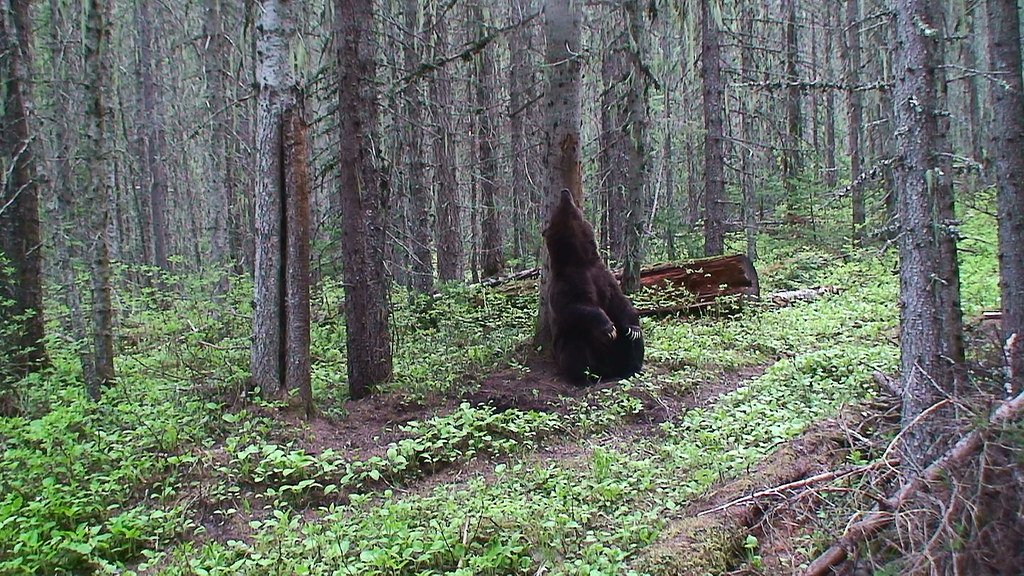
Ongoing research involves using technologies like GPS collars to monitor bear movements and study their behaviors in newly occupied areas. These data are invaluable for shaping effective management strategies and predicting future expansion trends.
Public Education and Awareness
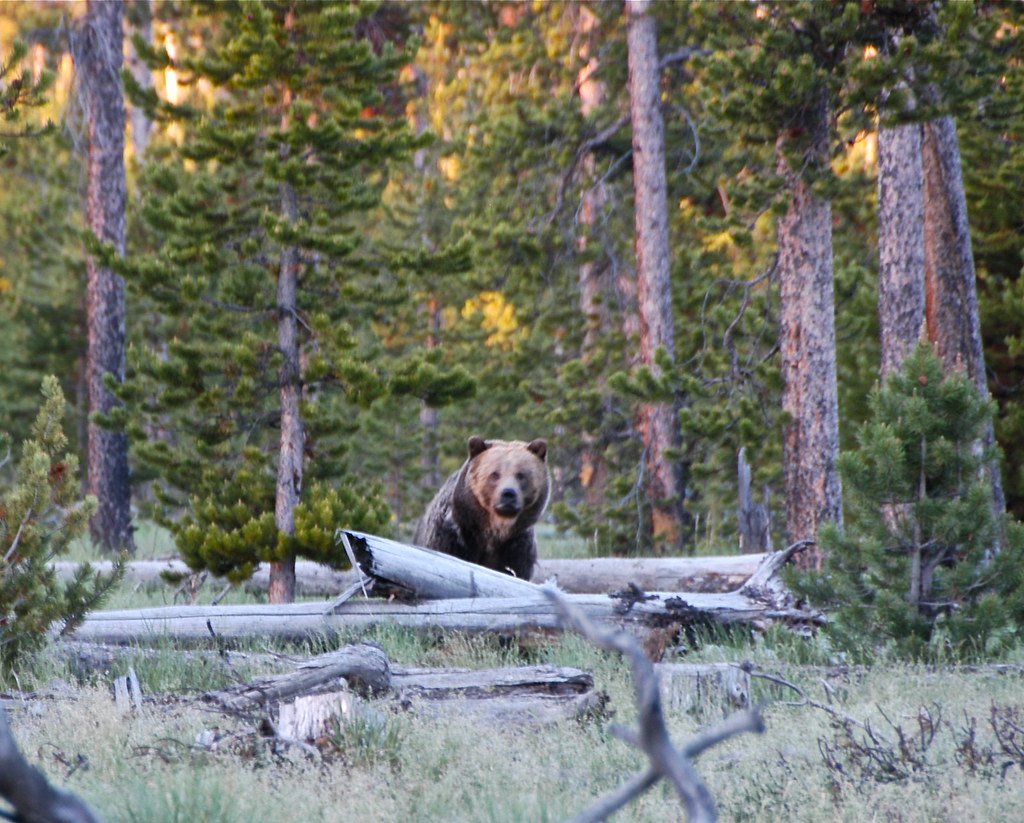
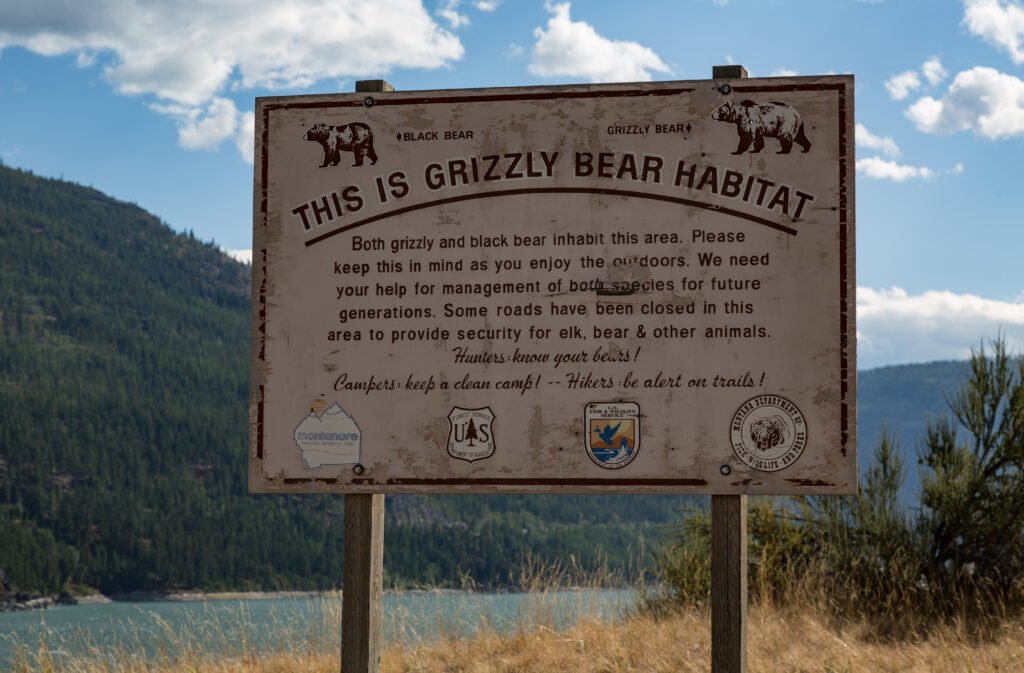
Educating the public about living with grizzlies helps mitigate fears and promote coexistence. Efforts include community workshops, informative signage in wilderness areas, and public safety campaigns to prepare residents and visitors for potential bear encounters.
The Role of Climate Change
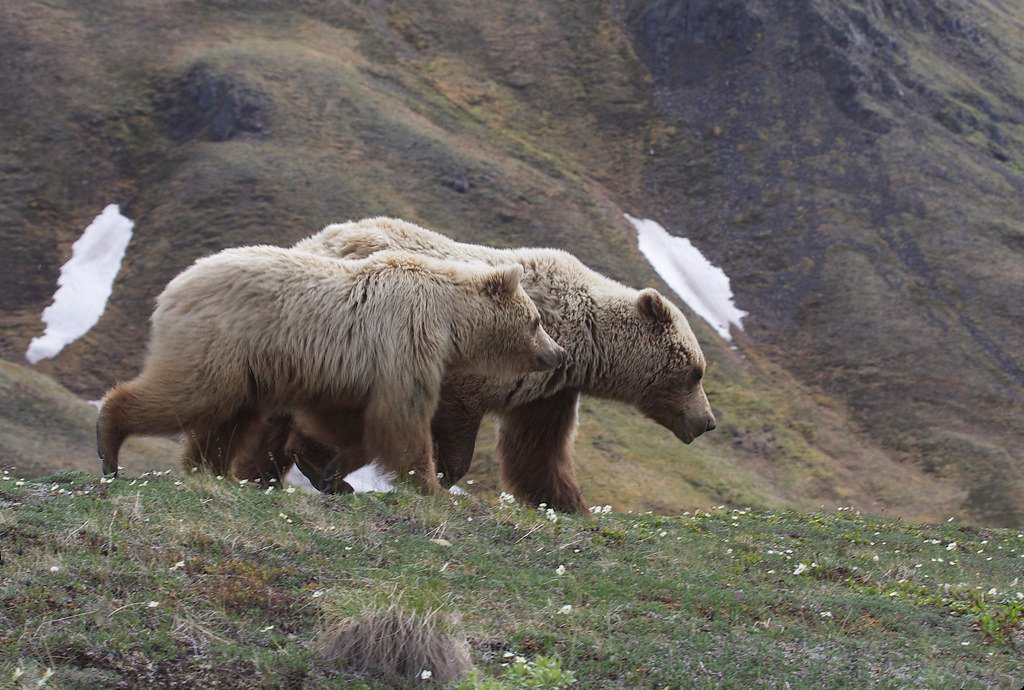
While not a primary driver of their current expansion, climate change impacts food availability and habitat conditions, which could further influence grizzly movements in the future. Monitoring these changes is critical to long-term conservation planning.
An Ongoing Story of Adaptation

The story of grizzly range expansion in Montana is one of adaptation and resilience. These bears are excellent navigators of their evolving landscapes, showcasing nature’s incredible ability to thrive under favorable conditions. Their journey reminds us of the intricate balance required in wildlife conservation.
Conclusion: Coexistence in a Changing Landscape
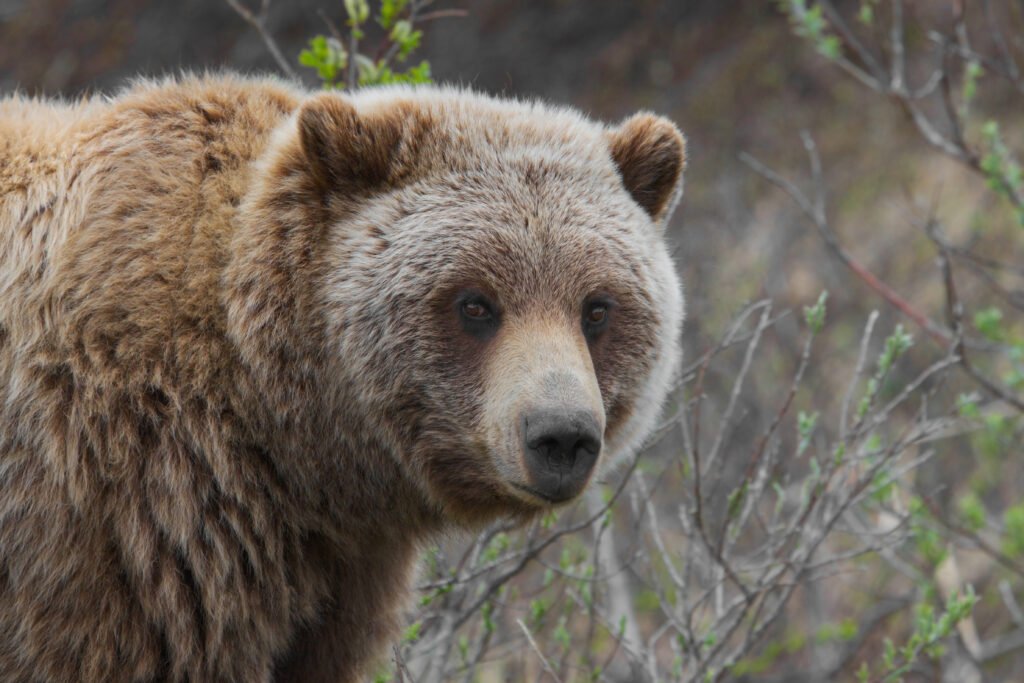
Grizzly bears expanding their range in Montana is a testament to successful conservation efforts, yet it also presents new challenges and opportunities for humans and wildlife alike. Harmonious coexistence will require adaptive management, community involvement, and a commitment to preserving these awe-inspiring creatures for future generations. As we continue to monitor and support these majestic animals, we are reminded of the profound impact our actions have on the natural world, underscoring our responsibility to steward it wisely.