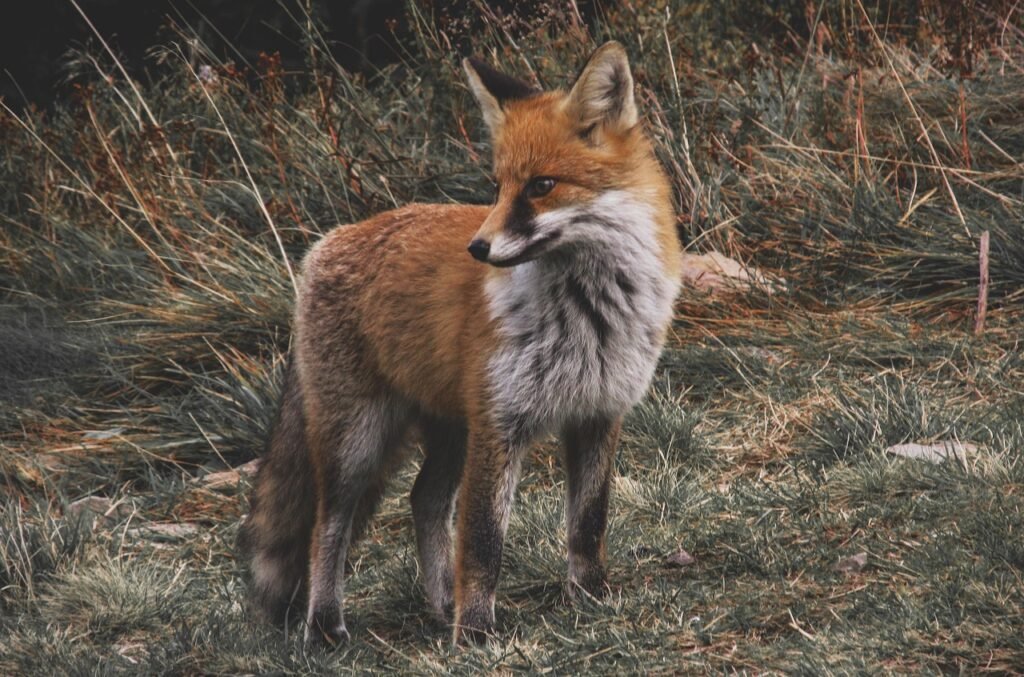


Conquering the Arctic Chill (Image Credits: Pixabay)
Foxes have long captivated observers with their ability to flourish across vastly different landscapes, from icy tundras to arid deserts.
Conquering the Arctic Chill
The Arctic fox stands as a testament to survival in one of Earth’s harshest realms. These small canids endure temperatures as low as -50°C, thanks to their dense fur that insulates against the biting cold. In winter, their coats shift to a pristine white, providing camouflage amid the snow while they hunt for lemmings and scavenge polar bear kills. Researchers have noted how these foxes dig extensive dens in permafrost, using them as refuges during brutal storms.
Behavioral adaptations further enhance their resilience. Arctic foxes roam vast distances over sea ice, following prey migrations with keen senses. Their rounded bodies minimize heat loss, and they curl into tight balls at night to conserve warmth. Studies from regions like Alaska reveal that they maintain body heat down to -13°C without additional shelter. This combination of physical traits and opportunistic foraging ensures their presence across the northern tree line.
Navigating Desert Extremes
In the scorching Sahara, fennec foxes demonstrate remarkable ingenuity against heat and scarcity. Their oversized ears not only dissipate body heat but also amplify sounds to detect underground prey like insects and rodents. These nocturnal hunters move silently across dunes, relying on a diet that includes roots for hydration since free water remains scarce. Fennec foxes burrow deeply during the day, emerging at dusk to avoid the peak sun.
Physical features like thick-soled paws prevent burns on hot sand, while their light fur reflects sunlight. Observations in North African habitats show they can survive almost entirely without drinking, drawing moisture from food sources. This adaptability allows them to thrive where larger predators falter. Their playful yet elusive nature helps them evade threats such as jackals and eagles.
Red Foxes: Urban and Rural Pioneers
Red foxes exemplify versatility by infiltrating both wild prairies and bustling cities worldwide. Native to northern hemispheres, they adjust to short-grass plains and even suburban backyards, where they raid bins for scraps. Their bushy tails serve multiple roles, from balance during 30 mph sprints to warmth in winter curls. In diverse climates, red foxes molt seasonally, changing from reddish hues to sleeker summer coats.
These omnivores exploit human-altered landscapes, blending stealthy hunting with bold scavenging. In the UK and North America, they navigate traffic and fences with ease, raising kits in hidden dens. Genetic studies indicate color variations – black, silver, or cross patterns – aid camouflage in varied terrains. Their widespread distribution stems from such flexible strategies, making them the most common wild dog species globally.
Core Adaptations Driving Fox Success
Foxes owe their global reach to a suite of evolutionary traits honed over millennia. Omnivorous diets allow shifts from small mammals to fruits and carrion, ensuring sustenance in lean times. Exceptional hearing and smell pinpoint prey buried under snow or sand, while agile bodies enable leaps over obstacles up to two meters high. Solitary or paired lifestyles minimize competition, though family units form during breeding seasons.
Here are key physical and behavioral adaptations that define their survival:
- Thick, multi-layered fur for insulation in cold climates.
- Enlarged ears for cooling and echolocation in deserts.
- Burrowing habits providing shelter from predators and weather.
- Opportunistic foraging, including scavenging larger kills.
- Seasonal molting for camouflage and temperature regulation.
- High-speed pursuits and climbing skills for diverse terrains.
These features vary by species but unite foxes as adaptable survivors. In urban settings, some red foxes even show signs of self-domestication, tolerating human proximity for easier meals.
Key Takeaways
- Foxes adapt physically with fur, ears, and paws tailored to extremes.
- Behavioral flexibility, like nocturnal activity, boosts survival odds.
- Their global presence highlights resilience amid habitat changes.
Foxes remind us of nature’s ingenuity in the face of adversity, proving that clever adaptations can turn challenges into opportunities across the planet. As habitats evolve, their story underscores the importance of conservation to preserve such versatile wildlife. What aspects of fox adaptability intrigue you most? Share your thoughts in the comments.