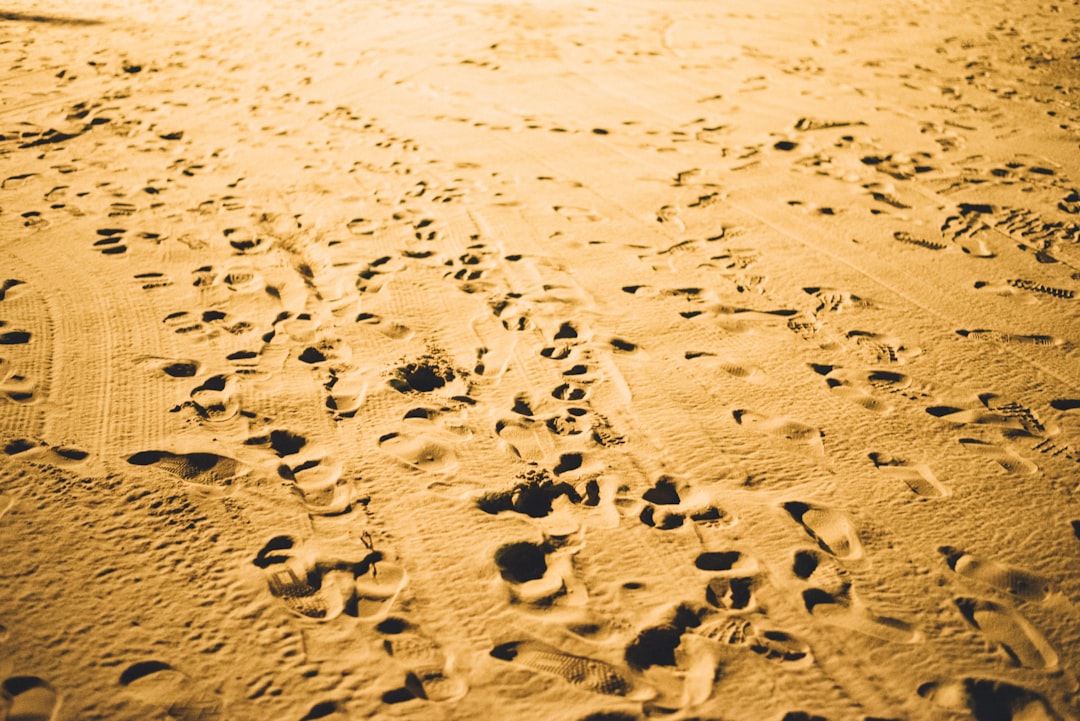
Fossilized footprints are like time capsules, offering a rare window into the lives of creatures that roamed the Earth millions of years ago. These ancient imprints, preserved in layers of sediment, tell a story of movement, behaviour, and interaction. Unlike bones, which only provide information about the physical structure of dinosaurs, footprints reveal how these majestic creatures interacted with their environment. Imagine walking along a beach and leaving footprints in the sand. Now, picture those footprints fossilized for millions of years, capturing a moment in time. This is what paleontologists study to uncover the mysteries of prehistoric life.
Footprints as Historical Narratives

Fossilized footprints are more than just marks on the ground; they are narratives of ancient life. By examining the size, depth, and spacing of these prints, scientists can infer the speed and behavior of the dinosaur that made them. For instance, a series of closely spaced prints might indicate a dinosaur walking leisurely, while wider spaced prints could suggest a sprint. These tracks provide clues about whether a dinosaur was alone or moving in a group, and whether it was predator or prey. They are like pages in a history book, each telling a part of the story of life long gone.
Detecting Dinosaur Dynamics
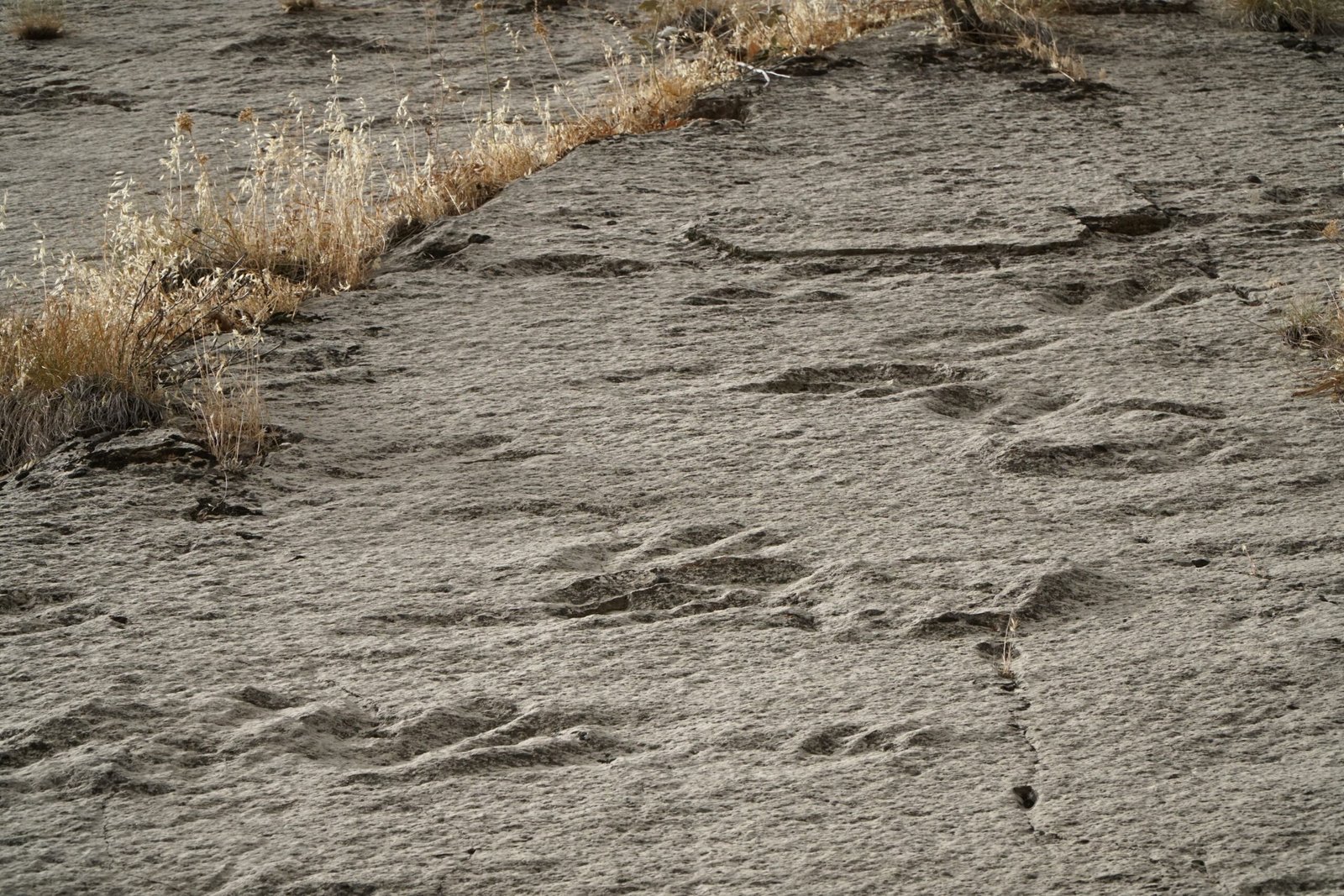
The arrangement of fossilized footprints can also reveal the social dynamics of dinosaurs. In some fossil beds, multiple sets of tracks are found parallel to each other, hinting at herding behavior. These discoveries have transformed our understanding of dinosaurs from solitary giants to animals that may have lived in complex social structures. By studying these patterns, scientists can reconstruct ancient ecosystems and understand how dinosaurs interacted with one another. It’s similar to analyzing traffic patterns; the tracks show how dinosaurs navigated their world.
Understanding Dinosaur Speed and Movement
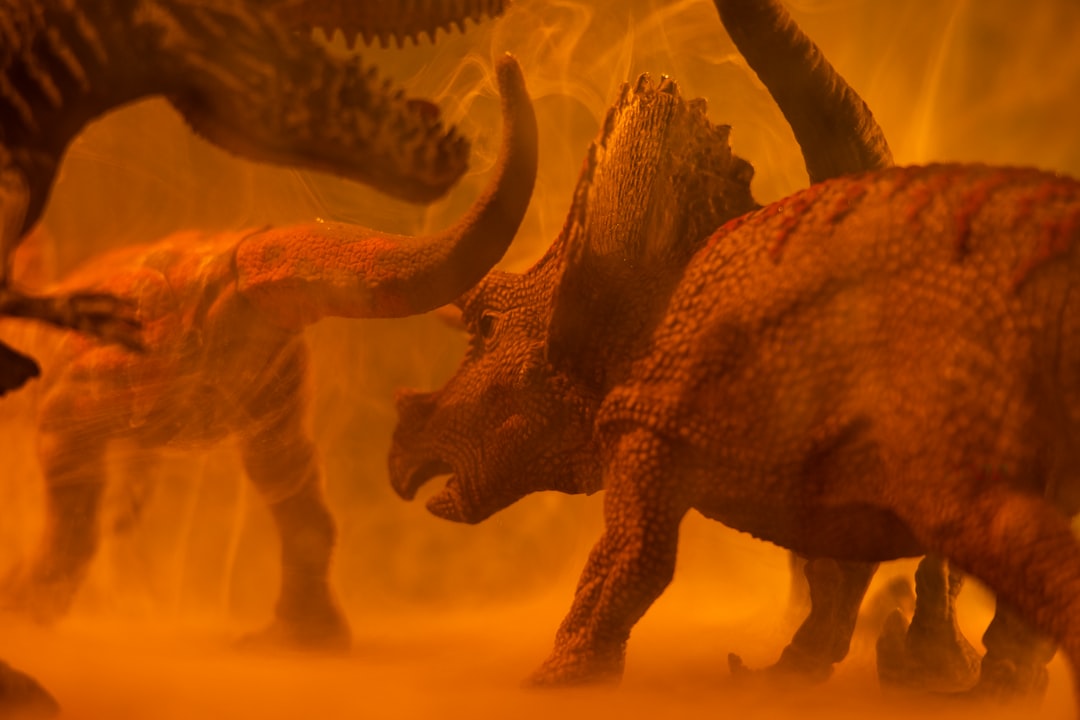
One of the most intriguing aspects of fossilized footprints is the ability to determine the speed at which a dinosaur was moving. By calculating the distance between footprints and the size of the animal, paleontologists can estimate its pace. This information is crucial for understanding the hunting and escape strategies of these ancient creatures. For example, if a predator’s tracks are found alongside those of a prey species, scientists can infer a chase scenario, providing insight into the predator-prey dynamics of the time.
Reconstructing Ancient Environments
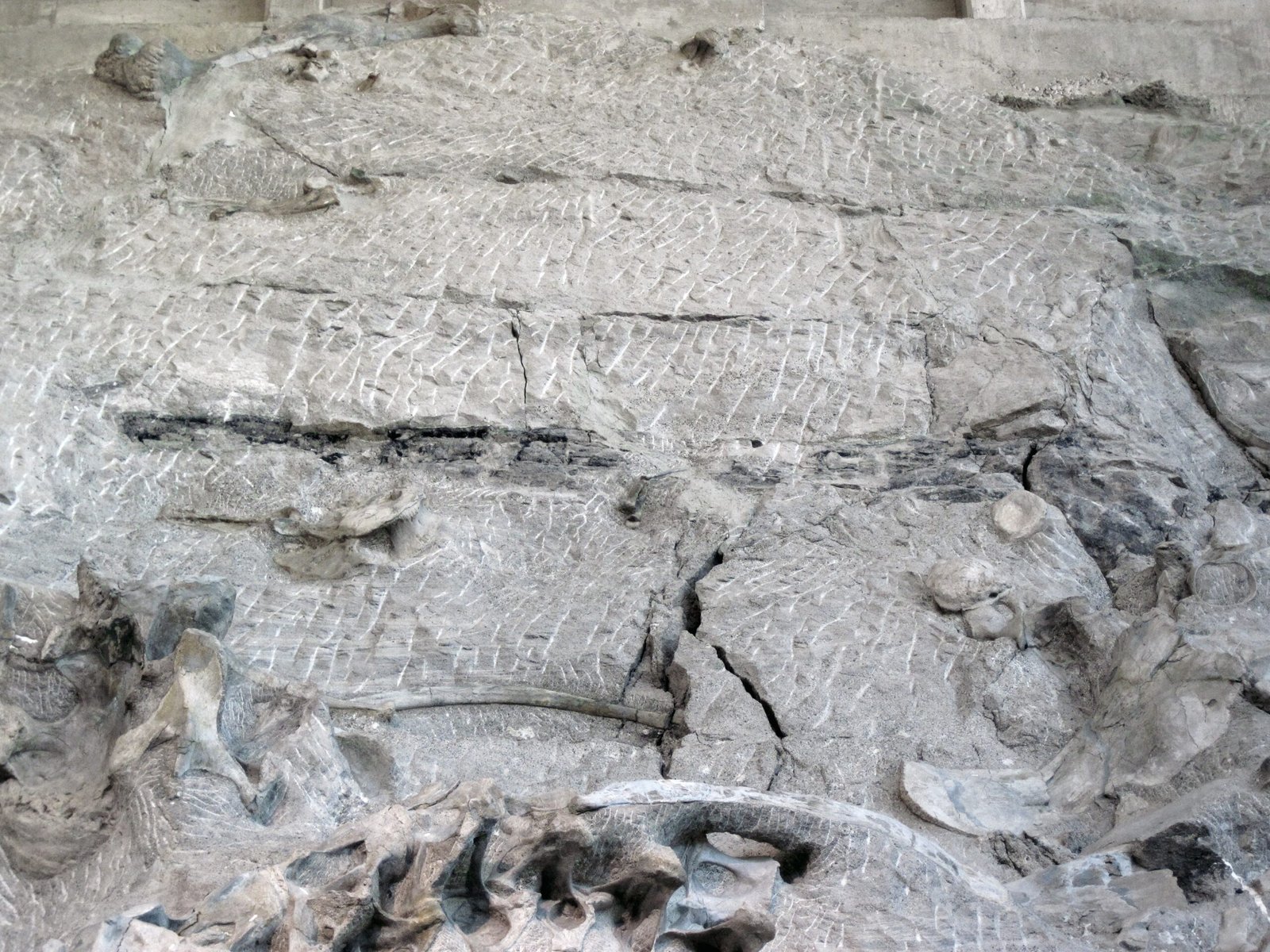
Fossilized footprints are not just about the animals that made them; they also provide valuable information about the environment in which they lived. The type of sediment in which the footprints are found can indicate whether the area was once a riverbank, forest floor, or desert. This helps scientists paint a more complete picture of the prehistoric world, including climate conditions and ecological diversity. Just as footprints in the sand can tell us about a day at the beach, dinosaur tracks reveal the landscapes of the past.
Footprints and Dinosaur Diversity
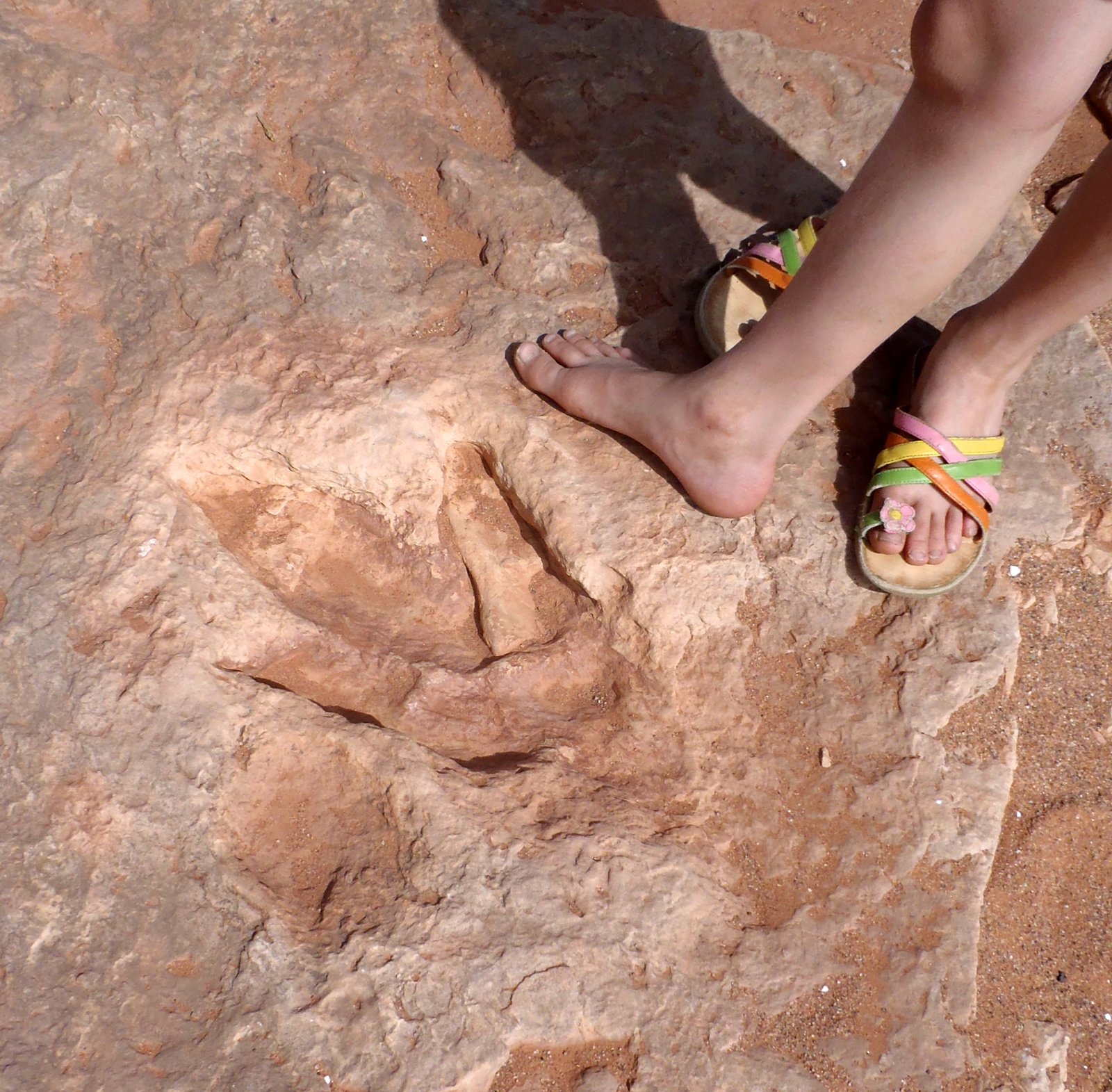
The diversity of footprints found in fossil beds reflects the incredible variety of dinosaurs that once inhabited the Earth. Different species left different types of tracks, allowing scientists to identify the presence of certain dinosaurs even when bones are not available. This is especially important in areas where fossilized bones are scarce, as footprints can still provide evidence of the types of dinosaurs that lived there. Each type of print is a signature, unique to the species that left it.
Challenges in Footprint Interpretation
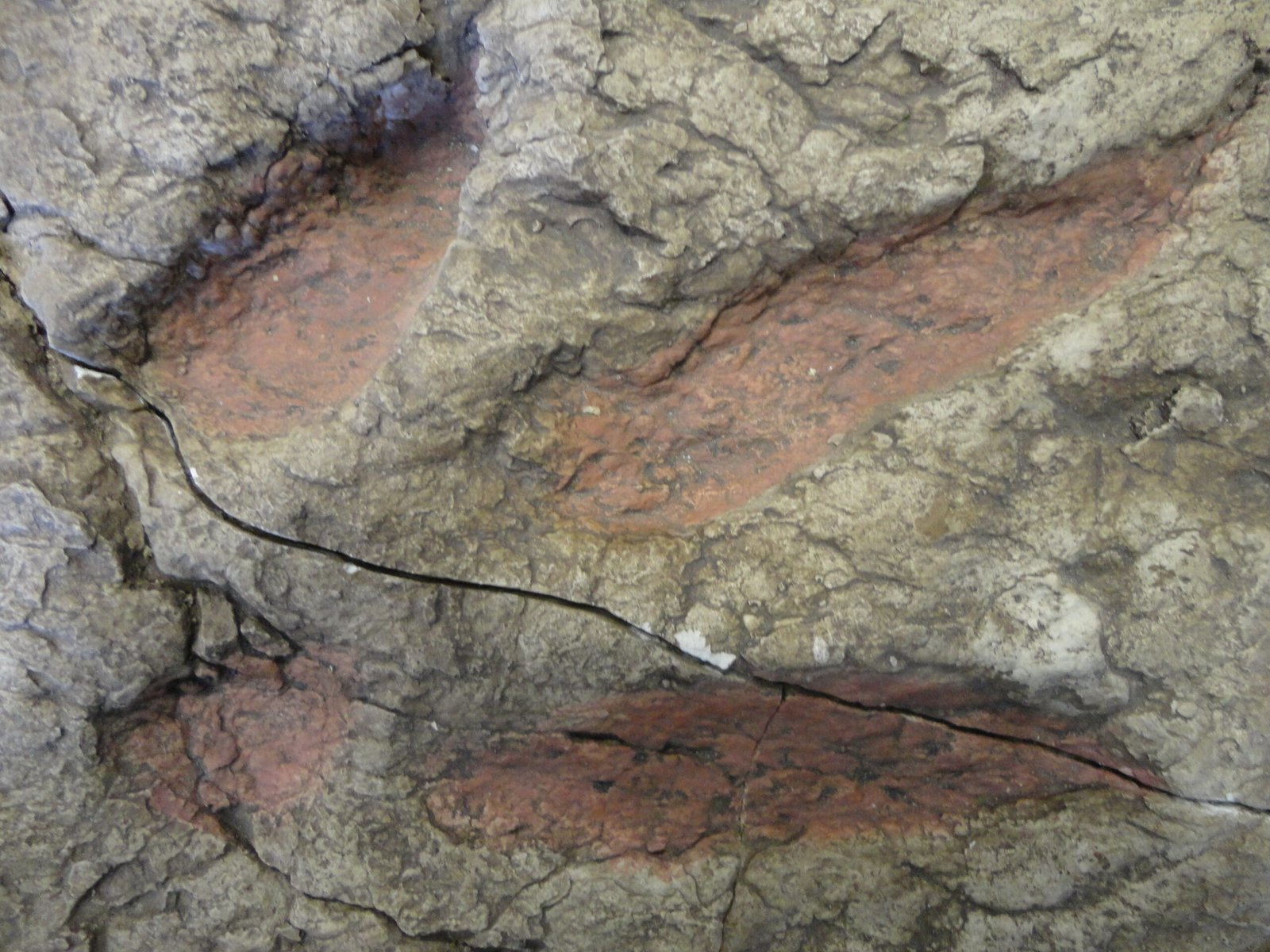
Interpreting fossilized footprints is not without its challenges. Erosion, weathering, and the passage of time can alter the appearance of tracks, making it difficult to draw accurate conclusions. Additionally, the overlap of footprints can complicate the analysis. Paleontologists must use a combination of fieldwork, digital modeling, and comparative anatomy to accurately interpret these ancient marks. It’s a bit like piecing together a puzzle with missing pieces, requiring both scientific skill and creative thinking.
Technological Advances in Footprint Analysis
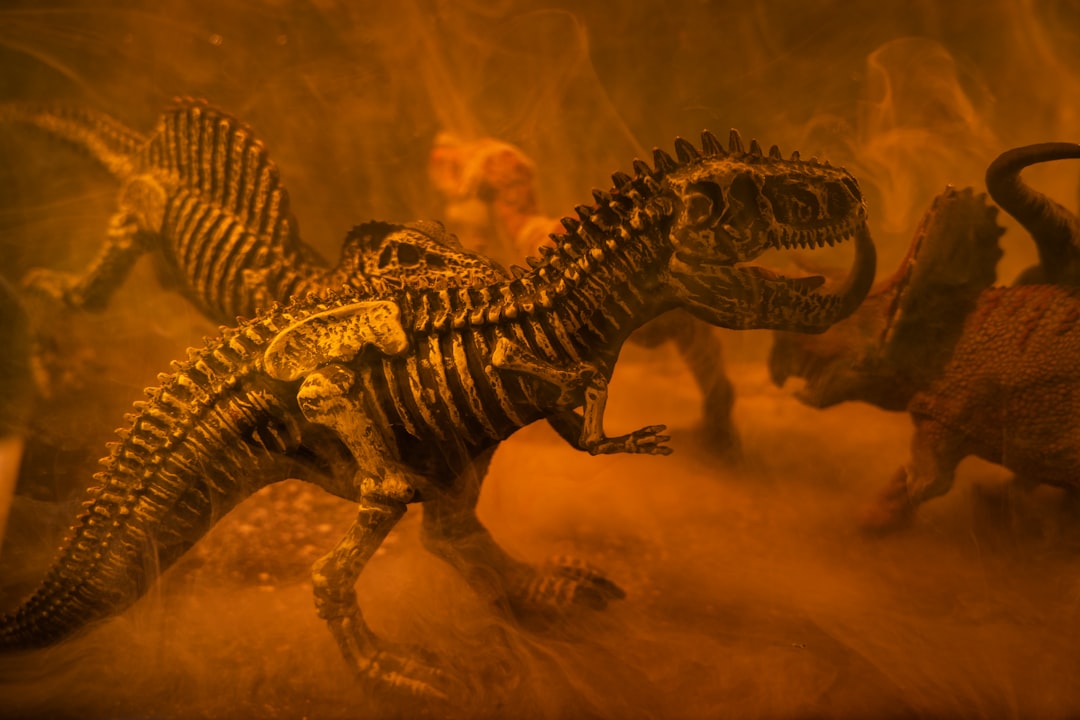
Recent technological advances have revolutionized the study of fossilized footprints. High-resolution imaging, 3D modeling, and computer simulations allow scientists to analyze tracks in unprecedented detail. These tools enable researchers to create digital reconstructions of dinosaurs in motion, offering new insights into their behavior and physiology. This technology has opened up new possibilities for understanding these ancient giants, much like how a microscope reveals the hidden world of cells.
The Global Impact of Footprint Discoveries
Discoveries of fossilized footprints have been made all over the world, each adding a piece to the puzzle of dinosaur history. From the deserts of North America to the plains of Africa, these tracks have provided a global perspective on dinosaur distribution and diversity. They remind us that dinosaurs were once widespread and adapted to a variety of environments. Each discovery is a reminder of the interconnectedness of life on Earth, both past and present.
Footprints as a Window to the Past
Fossilized footprints are a powerful tool for exploring the past, offering insights that bones alone cannot provide. They allow us to walk in the footsteps of dinosaurs, to glimpse their lives, and to understand the world they inhabited. These ancient tracks are a testament to the enduring legacy of dinosaurs, capturing moments frozen in time. As we continue to study these remarkable imprints, we gain a deeper appreciation for the complexity and beauty of life that once thrived on our planet.