

Ever wondered why your dog gets just as excited when you return from a five-minute grocery run as they do from a full work day? Their jumping, tail wagging, and joyful barking seem completely out of proportion to your brief absence. This fascinating behavior hints at one of the most intriguing aspects of canine cognition: dogs experience time in a remarkably different way than humans do.
The secret lies in how their minds process temporal information through a complex combination of biological rhythms, sensory cues, and unique neural pathways. While we humans rely heavily on clocks and abstract concepts of past and future, dogs navigate time through their exceptional ability to detect subtle environmental changes, scent trails, and body rhythms that escape our notice entirely.
The Biological Clock That Never Stops Ticking

Dogs possess a circadian rhythm similar to humans, functioning as an internal clock that regulates sleep, play, and meal times throughout the day. Their biological rhythm follows a diurnal pattern with peak activity during daylight hours and rest concentrated at night. Yet this internal timekeeper operates quite from our own human version.
Unlike humans who typically have one major sleep period, dogs are classified as polyphasic sleepers, meaning they take multiple short naps throughout the day while maintaining their primary nighttime rest. This rhythm includes changes in hormone levels that guide when they feel sleepy, when they naturally wake up with stretches and yawns, and when their energy peaks. These circadian patterns provide dogs with structure and predictability, creating a framework for understanding their daily routine even without checking a clock.
Their biological clock also responds powerfully to external cues that we might barely notice. Dogs perceive morning not by reading numbers on a screen, but through the gradual shift from darkness to light and the corresponding hormonal changes in their bodies.
Processing Visual Information at Lightning Speed

Research reveals that dogs can process visual information faster than humans due to their higher Critical Flicker Fusion Frequency. This incredible speed comes from their Critical Flicker Fusion Frequency capabilities. Higher Critical Flicker Fusion Frequencies enable dogs to perceive rapid movements with remarkable clarity, essentially experiencing the world in what might seem like slow motion compared to human perception.
Think about watching a movie at different playback speeds. While a single day feels like twenty-four hours to us, that same period may feel longer to dogs due to their faster visual processing rate. When a dog catches a frisbee mid-air, they can see the rotation and subtle trajectory changes more clearly and for longer duration within the same timeframe than a human observer would.
This enhanced temporal resolution has evolutionary advantages. Dogs are incredibly sensitive to even the smallest changes in body language, picking up on subtle movements we make unconsciously. They notice not just obvious hand signals during training, but also tiny finger twitches and micro-movements that completely escape human awareness.
The Scent-Based Timeline That Maps Their Day
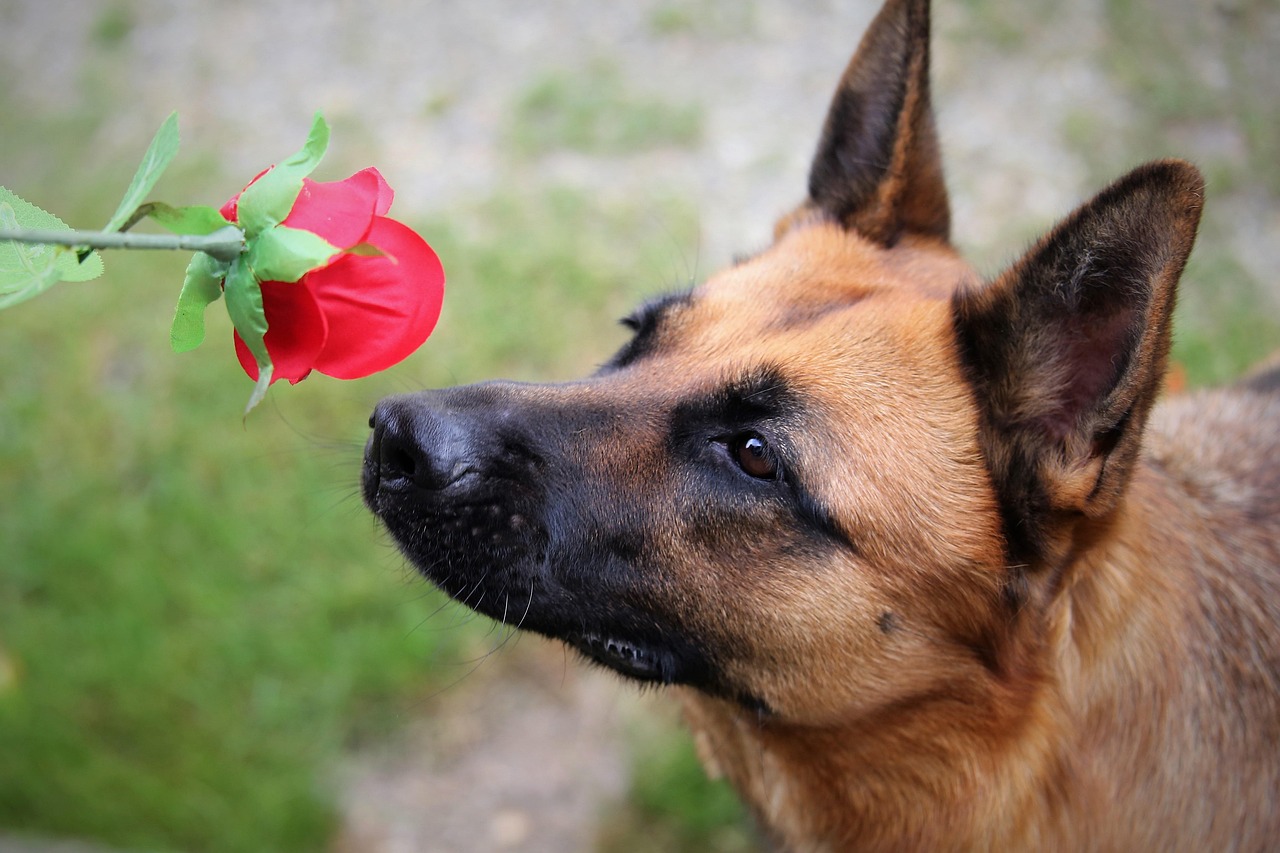
Dogs possess an extraordinary ability to track time through smell, using what researchers call an “olfactory timeline” based on how scents gradually fade throughout the day. When you leave home, your scent is strongest, but as hours pass, it begins to weaken at predictable rates, allowing your dog to estimate when you might return based on scent intensity.
The movement and strength of scents can also inform dogs about both past and future events, with weak ground-level odors indicating someone passed by earlier, while stronger airborne scents suggest someone approaching. This scent-based time tracking becomes so precise that dogs can distinguish between shorter and longer absences, which explains why they might react when you’ve been gone five minutes versus five hours.
Scientists call this phenomenon olfactory memory, and it’s believed that dogs can use it to track both short periods through scent strength and longer timeframes through scent-based recollections. This creates an invisible map of temporal information that surrounds them constantly.
Routine Recognition and Pattern Detection
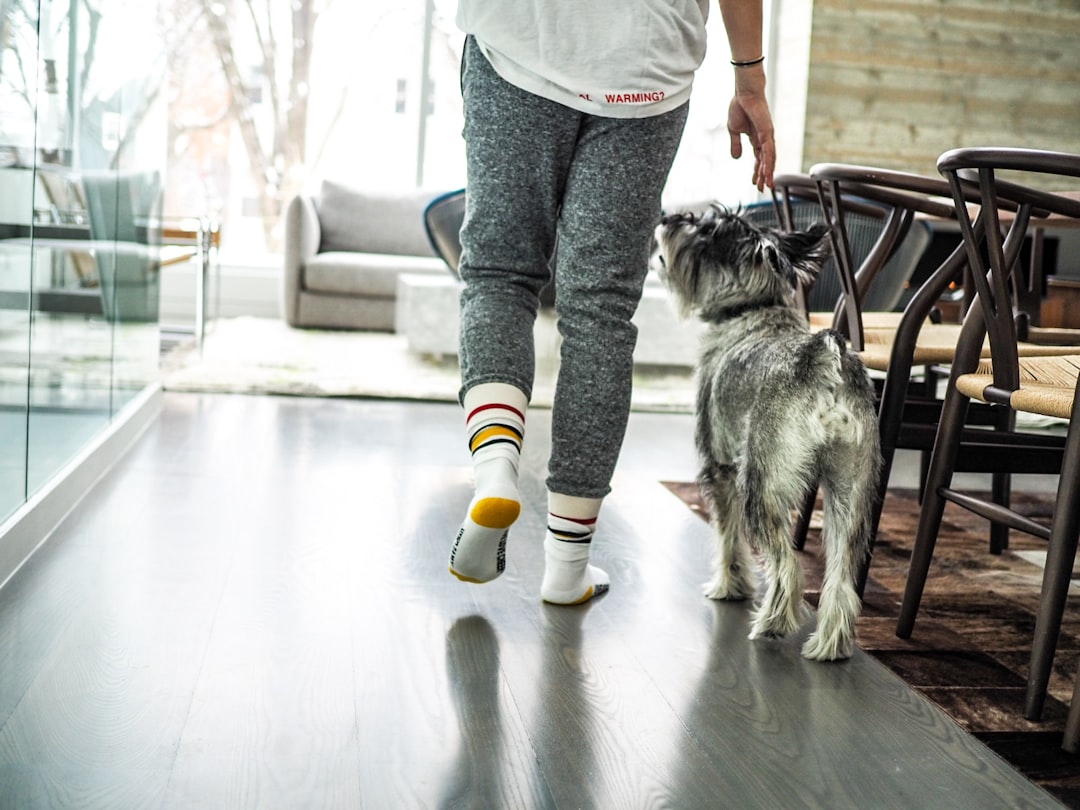
Dogs possess what researchers call associative, episodic-like memory, meaning they create strong mental links between specific behaviors, objects, and activities. They excel at recognizing and remembering patterns in daily life, forming powerful associative memories that help them anticipate regular events like walks, meals, or family members returning home.
Your behavior and routines provide crucial temporal cues for dogs, such as when you put on shoes and grab a leash in the morning, signaling walk time, followed by heading to their food bowl because they know breakfast comes next. Dogs are master observers who learn precise timing by noticing small patterns like sneaker-putting-on or key-grabbing, constantly tuning into the rhythm of your day and the subtle signs that predict what happens next.
They also rely heavily on sensory cues beyond visual patterns, responding to specific sounds like food packaging opening or the jingle of a leash to anticipate the activities that typically follow. These learned associations become so powerful that many dogs can predict events with startling accuracy.
Metabolic Speed and Temporal Experience
Dogs have a higher metabolism than humans, and some researchers theorize this may affect their time perception, though the exact relationship remains unclear. Research across various species shows that metabolic rate, ecology, and lifespan all influence time perception, which explains why your dog might react so intensely to a brief fifteen-minute absence that seemed much longer to them.
This metabolic difference creates a fundamental shift in how dogs experience the passage of time. Evidence suggests that dogs perceive time as passing more slowly than humans do, based on research comparing different species and their biological factors. Think of it like watching a video in slow motion – events unfold at a different pace entirely.
The implications extend beyond simple time perception. Since dogs cannot verbally communicate their temporal experience, and our own sense of time’s pace depends heavily on language and abstract thinking about time, we can only infer how different their world must feel. Dogs probably engage in far less introspection about past and future compared to humans, living more fully in their immediate sensory experience.
Sleep Patterns and Time Architecture

Dog sleep patterns reveal fascinating insights about their time perception, with more active days leading to longer sleep periods, earlier onset of drowsiness, and more time spent in deep sleep stages, while nighttime naturally brings deeper, longer sleep compared to daytime naps. Although dogs have polyphasic sleep cycles with alternating periods of activity and rest throughout the day, they show greatest sleep propensity during nighttime hours, similar to humans.
Dogs cycle through similar sleep phases as humans, including wakefulness, drowsiness, REM sleep, and non-REM sleep, and they follow circadian rhythms and diurnal sleep patterns comparable to their human companions. Their circadian rhythm operates on the same twenty-four-hour cycle that regulates biological processes, and experts believe these canine cycles actually adapted to match human cycles during domestication.
Research using activity monitoring shows all dogs demonstrate clear circadian activity patterns with high daytime activity and low nighttime activity, though aging affects both daytime and nighttime activity levels in measurable ways. These sleep architecture differences suggest dogs may experience temporal transitions between day and night than we do.
Emotional Time and Separation Awareness

When left alone, dogs may become increasingly anxious over time, demonstrating clear awareness of time’s passage, while also reacting to behavioral cues as though they instinctively know “it’s time for walks”. As pack animals, dogs interpret departures and returns through social dynamics, viewing family members as pack members, making reunion excitement a natural expression of joy at having the pack reunited.
While dogs cannot count days during extended absences, their powerful sense of smell allows them to detect when owners have been gone for long periods because the home environment smells significantly less like the absent person. Some dogs can use routine knowledge to adapt to separation, understanding that departure patterns usually predict eventual return, though dogs with separation anxiety may begin showing distress as soon as departure routines begin.
When you return, dogs pick up your scent immediately, transforming their anticipation into visible excitement. This emotional response to temporal separation reveals how deeply dogs connect their social bonds with their perception of time passing.
Environmental Cues and Subtle Time Signals
Dogs often seem to know exactly when someone should arrive home, but this apparent time-telling ability may rely on environmental cues we overlook, such as better hearing that allows them to distinguish specific car sounds, subtle light changes at certain times of day, nearly inaudible clock sounds, or neighbor activities that occur predictably.
Dogs perceive time through a combination of changes in their bodies, environmental observations, and smell rather than abstract concepts, understanding timing through physical sensations like hunger pangs rather than knowing specific times like “5 p.m.” or “dinner”. Researchers have discovered that animals possess specialized nerve cells that activate when expecting future events, suggesting built-in time estimation and memory capabilities, with brain activity corresponding to anticipated events like a mental clock ticking in their minds.
Common signs of temporal awareness include waiting by doors at specific times, increased activity before regular meals, restlessness when routines get disrupted, and excitement when approaching typical times for walks or owner returns. These behaviors suggest dogs are constantly monitoring multiple environmental time signals that create their daily temporal map.
The Limits of Canine Time Consciousness
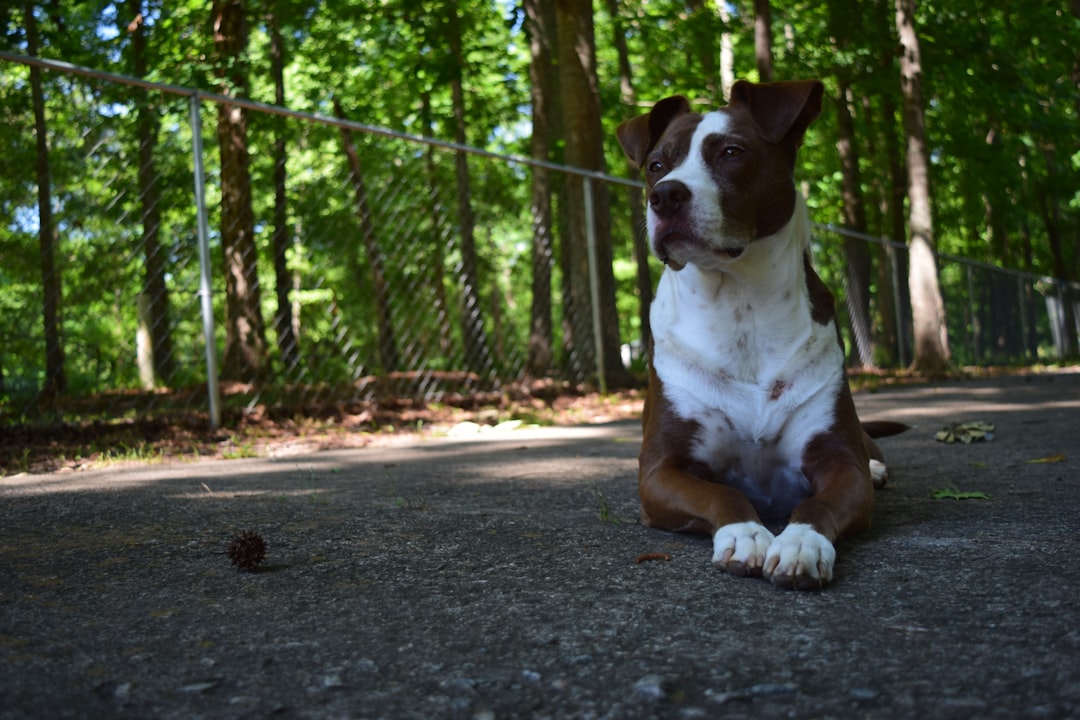
Dogs have a sense of time but don’t experience it the same way humans do, with poorly developed concepts of past and future that affect their overall time perception. While dogs can experience time passing, they lack knowledge of specific hours, days, or weeks that have gone by. Time perception involves ruminating about past and future, activities dogs probably don’t engage in much, making humans likely the only species capable of wondering how other species conceptualize time.
Experts emphasize that time represents a complex concept for dogs, who most likely understand and perceive it through a mixture of biological, sensory, and social factors working together, though much remains to be learned about canine cognition and their world perception. Dogs form their own time understanding rooted in routines, associative memories, and remarkable sensory abilities, creating an internal clock that synchronizes with daily life rhythms.
Training Implications and Practical Applications
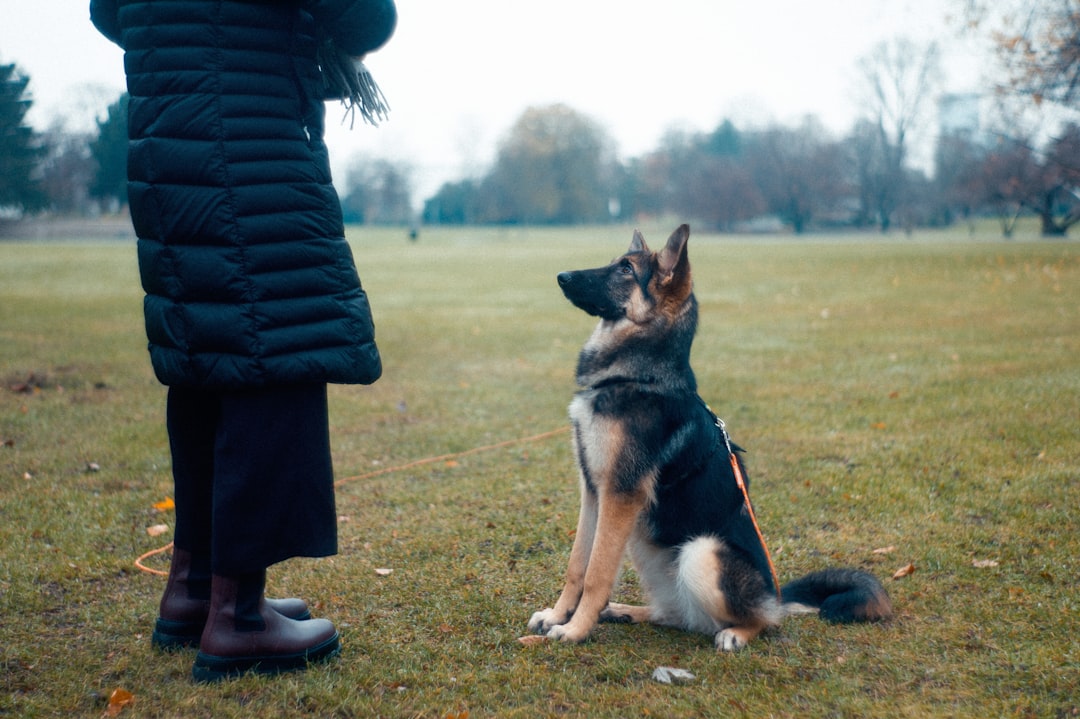
Understanding dogs’ enhanced time perception can significantly improve training techniques, since their higher Critical Flicker Fusion Frequency and acute motion sensitivity means they notice not just obvious hand signals, but also tiny unconscious movements trainers make. Training becomes more effective when you help dogs focus by reducing distractions, allowing them to use their speedy senses on what you’re teaching, since understanding their ability to see motions and changes we miss makes a real difference in training success.
Dogs thrive with consistent routines that provide comfort and security because they know their basic needs for food and exercise will be met at predictable times each day. Since dogs are so attuned to our activities, schedule changes affect their time sense, with some dogs unable to settle until their humans do, and others waiting longer for meals or having walks replaced with car rides, though constant disruptions can be particularly difficult for anxious dogs.
Interestingly, some dogs seem naturally more attentive than others regardless of breed, and those who pay closer attention to human behavior likely have stronger time perception abilities than dogs who are less observant. This suggests individual variation in canine temporal abilities.
Conclusion: Living in the Canine Moment
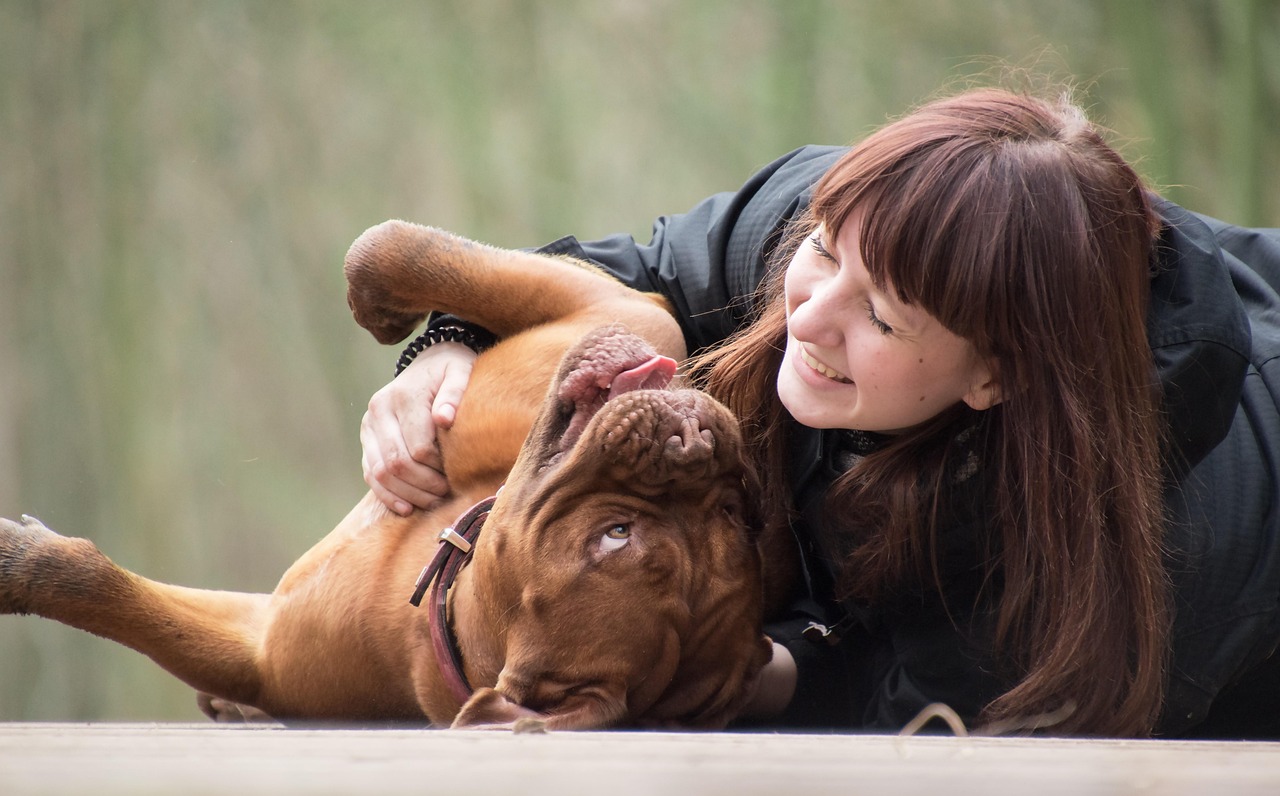
Understanding how dogs perceive time helps us appreciate their remarkable abilities and create more structured, comfortable environments for our pets, as their natural capacity to track and anticipate daily events proves truly impressive even though they don’t think about time the way we do. Their unique blend of biological rhythms, sensory superpowers, and associative learning creates a temporal experience that’s both familiar and completely alien to our human perspective.
The next time your dog seems to predict your every move or knows exactly when dinner should arrive, remember that they’re navigating through a rich tapestry of scent trails, subtle environmental changes, and internal biological signals that create their own version of time. While we measure moments with clocks and calendars, dogs experience time as a flowing river of sensory information and rhythmic patterns.
What fascinates you most about how dogs might experience each moment compared to us? Share your thoughts in the comments below.