
Every choice you make, from a morning coffee to a career move, travels through an invisible assembly line in your head. Signals race, memories weigh in, and emotions lobby hard, all within fractions of a second. The mystery is that it often feels effortless, even when the stakes are enormous. Scientists are currently mapping that invisible process with tools that read spikes, blood flow, and even microscopic timing glitches. What they keep finding is both humbling and empowering: your decisions are not coins tossed by fate, but carefully negotiated bets shaped by biology, experience, and context.
The Hidden Clues

Before you feel that click of certainty, your brain has already begun to lean. Electrical activity ramps up in motor and frontal areas, hinting at an answer milliseconds early. Tiny eye movements and subtle shifts in attention sketch your preferences ahead of awareness. Even your heartbeat and breath can nudge perception toward one option. Consciousness, in this view, is the headline writer arriving just after the story is drafted.
I notice this on road trips when I “decide” to exit only after my hands drift toward the blinker. That effortless drift is the tail end of evidence accumulating beneath awareness. Your senses gather clues, your memory supplies patterns, and your body flags stakes and urgency. The final feeling of choosing is the summary, not the whole report. Knowing that can soften regret and sharpen preparation.
From Ancient Tools to Modern Science
Humans have puzzled over choice since philosophers debated free will by candlelight. Early psychological studies moved the question into laboratories, timing reflexes and mapping preferences. Over the last half century, decision research adopted the language of computation. Models now simulate how evidence accumulates and how thresholds trigger a commitment. Brain imaging and recordings give those models biological anchors.
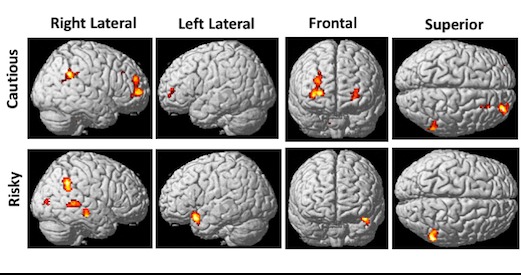
Magnetic scanners reveal networks that light when we compare values or detect conflict. Electrodes track millisecond rhythms that predict when evidence tips the scale. Behavioral tasks show how framing, fatigue, and social norms steer selection. Put together, the field now treats decisions as dynamic processes, not single flashes. That shift lets scientists test causes, not just correlations.
The Brain’s Decision Circuitry

Different brain regions contribute complementary skills to the choice orchestra. The prefrontal cortex weighs goals, rules, and consequences, acting like a project manager. Orbitofrontal and ventromedial areas assign value to options, integrating rewards and costs. The basal ganglia and striatum help translate value into action, learning from outcomes over time. The anterior cingulate flags conflict and error, pushing for adjustments when signals clash.
Meanwhile, the insula monitors body states that color risk and urgency. The hippocampus brings relevant memories and context into the discussion. The amygdala tunes attention to emotionally meaningful cues without hijacking everything. Thalamic hubs help route information efficiently, like air-traffic control for thoughts. A decision is the coordinated output of this network, not a decree from one spot.
Fast Gut, Slow Thought

Everyday choices often ride two tempos that cooperate more than they compete. The fast mode is pattern-based, predictive, and frugal with effort. It guesses from experience and body signals, which is why something can feel right before you can explain it. The slower mode is deliberate, reflective, and hungry for details. It holds options in mind, simulates futures, and checks for mistakes.
These modes trade off depending on time pressure, uncertainty, and training. Under stress, the fast system can dominate and overgeneralize from recent wins or losses. With sleep and calm, the slower system has bandwidth to test assumptions. Practice lets fast processes internalize good habits, freeing attention for exceptions. Wise decision-makers learn when to downshift and when to trust a well-tuned gut.
Risk, Reward, and Uncertainty
Rewards are not just prizes; they are signals that teach the brain how to choose next time. When outcomes beat expectations, chemical messengers strengthen the actions that led there. When outcomes disappoint, those messages shrink, urging exploration or restraint. Uncertainty complicates this feedback, making the brain juggle learning with caution. That dance explains why we chase possibilities some days and hedge on others.
Stress narrows the frame, pushing short-term safety over long-term growth. Sleep loss blunts attention and impulse control, making decoys look attractive. Framing can flip preferences even when the math is identical. Social context magnifies these shifts, because fairness, reputation, and trust carry their own value signals. Decisions are never made in a vacuum; the air itself changes the sound.
Why It Matters

Understanding how decisions form changes how we design systems around people. Traditional models assumed a rational calculator that coolly maximizes gains. Real brains operate under limits, use shortcuts, and learn from noisy feedback. Policies, interfaces, and classrooms that respect those realities reduce errors and improve equity. In healthcare, for example, aligning choices with patient values requires more than forms; it needs timelines, defaults, and clarity matched to human attention.
There is also a personal dividend in knowing your brain’s playbook. If effort and context shape choices, you can engineer better contexts. You can set thresholds for action before emotions run hot. You can train habits that carry you when energy dips. Knowledge here is not abstract; it is a toolkit for tomorrow morning.
The Future Landscape
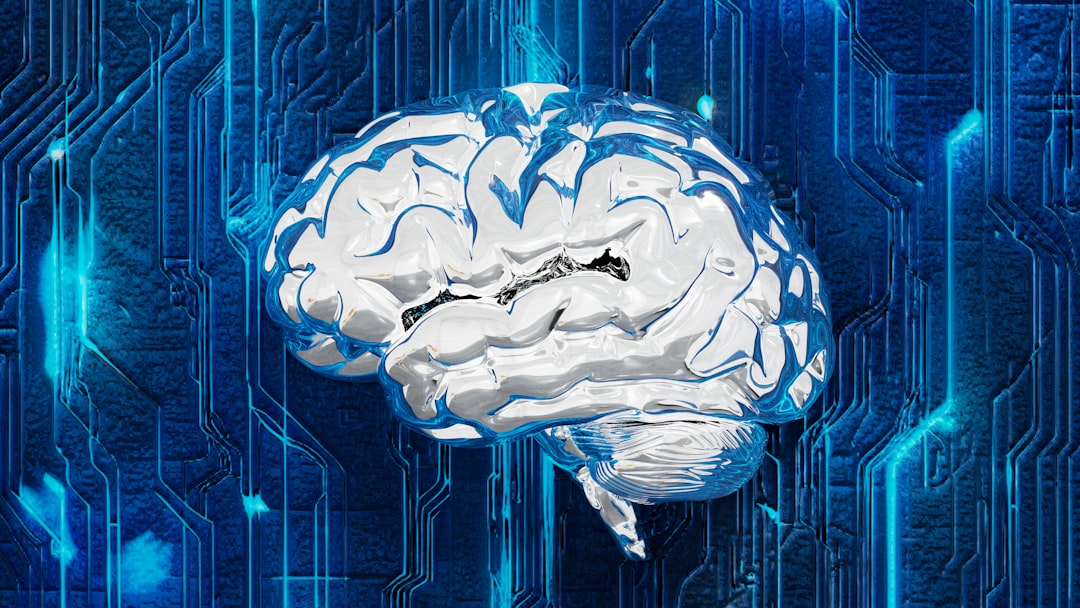
New tools are pushing decision science from description to precision. Noninvasive brain stimulation is being refined to nudge networks involved in impulse control and planning. Brain-computer interfaces aim to restore communication and could, one day, assist complex choices. Artificial intelligence is pairing with neural data to predict lapses before they happen. These technologies promise help where willpower alone falls short.
With power comes responsibility, and the ethics are not window dressing. Who decides when and how to modify a decision pathway, and for whose benefit. Privacy safeguards must evolve as neural signals join health records and wearables. Algorithms that guide choices must be transparent and stress-tested for bias. The future will be brighter only if trust and oversight keep pace with technique.
Try This: Small Steps to Train Your Decider

Start with a decision journal, but keep it lightweight. Write the context, your options, your predicted outcome, and your confidence, then revisit later. Patterns will jump out, like overconfidence on late nights or impatience when hungry. Next, run a pre-mortem by imagining a choice failed and listing likely reasons. This simple rehearsal recruits the slower system without sapping momentum.
Shape your environment so the default is your ally. Set cooling-off intervals for big purchases and use if-then rules for recurring dilemmas. Protect sleep and fueling, because tired and hungry brains cut corners. Practice small, repeated choices that build identity and reduce daily friction. Little by little, your system learns to choose well before the moment arrives.
Suhail Ahmed is a passionate digital professional and nature enthusiast with over 8 years of experience in content strategy, SEO, web development, and digital operations. Alongside his freelance journey, Suhail actively contributes to nature and wildlife platforms like Discover Wildlife, where he channels his curiosity for the planet into engaging, educational storytelling.
With a strong background in managing digital ecosystems — from ecommerce stores and WordPress websites to social media and automation — Suhail merges technical precision with creative insight. His content reflects a rare balance: SEO-friendly yet deeply human, data-informed yet emotionally resonant.
Driven by a love for discovery and storytelling, Suhail believes in using digital platforms to amplify causes that matter — especially those protecting Earth’s biodiversity and inspiring sustainable living. Whether he’s managing online projects or crafting wildlife content, his goal remains the same: to inform, inspire, and leave a positive digital footprint.