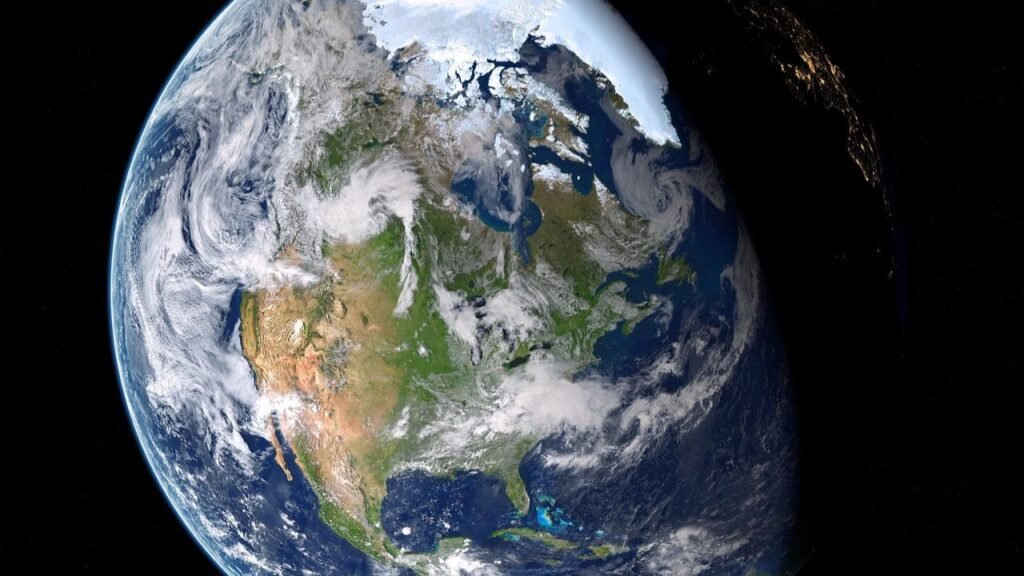

If you could suddenly see the invisible forces around our planet, the view would be shocking: a giant magnetic bubble wrapped around Earth, quietly deflecting deadly radiation racing through space at almost unimaginable speeds. Most of the time, we walk around without ever realizing that this invisible shield is the main reason we can breathe, live, and scroll our phones in peace instead of being fried by cosmic particles. Cosmic radiation sounds like something from a sci‑fi movie, but it’s very real, and without protection, it would slowly shred DNA, damage cells, and make Earth look a lot more like Mars.
What fascinates me personally is how something we never see or feel has shaped everything we do see: oceans, forests, cities, and even our bodies. The magnetic field is not a luxury; it’s part of the life-support system built into our planet. Understanding how it works is a bit like popping the hood of a car you’ve driven your whole life and finally seeing the engine. Let’s lift that hood and look at how this invisible force stands between us and the harshest parts of the universe.
The Invisible Storm: What Is Cosmic Radiation, Really?
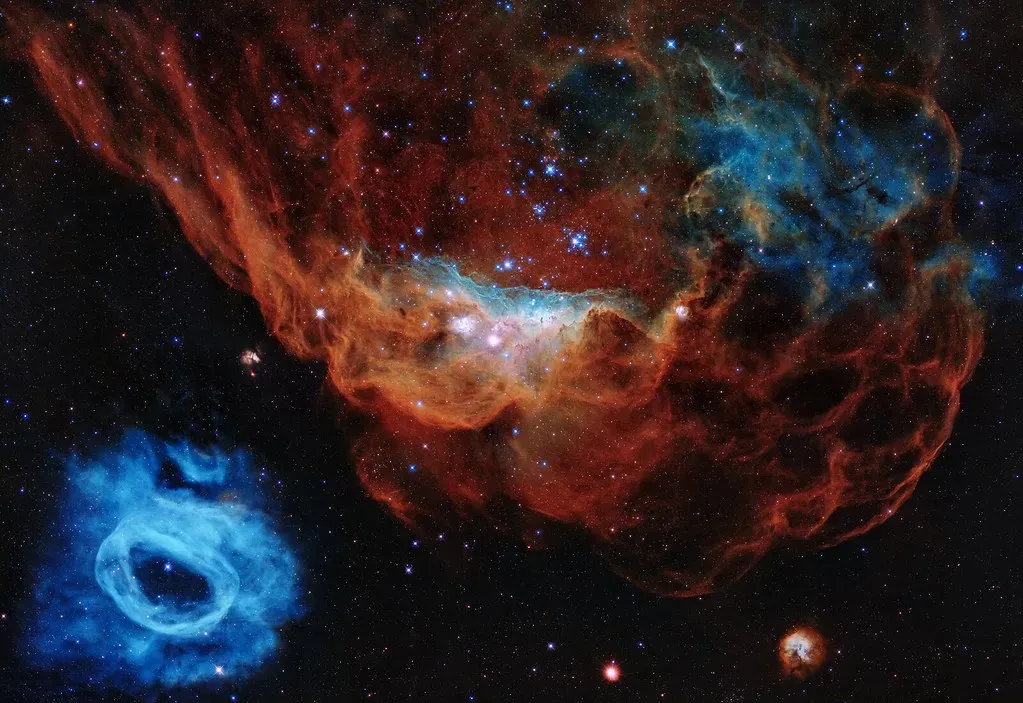
Imagine a constant hailstorm of tiny bullets, flying in from every direction in space at nearly the speed of light – that’s cosmic radiation. It’s made mostly of high‑energy particles like protons and atomic nuclei, launched from exploding stars, black holes, and violent events in distant galaxies, plus constant emissions from our own Sun. When these particles slam into matter, they can knock electrons loose, break chemical bonds, and damage the delicate structures inside living cells. On an airless, unprotected world, this radiation is relentless and unforgiving.
On Earth’s surface, though, we only experience a tiny fraction of it, because most of the dangerous stuff is blocked or redirected before it ever reaches us. High‑altitude pilots and astronauts get more exposure because they live and work above part of our natural shielding. That difference alone gives you a sense of how protective Earth’s systems really are. Cosmic radiation isn’t automatically lethal in small doses, but over time, increased exposure raises the risk of cancer and other health problems, and it can wreak havoc on electronics, satellites, and power systems if not properly managed.
The Planet-Sized Magnet: How Earth’s Magnetic Field Is Born
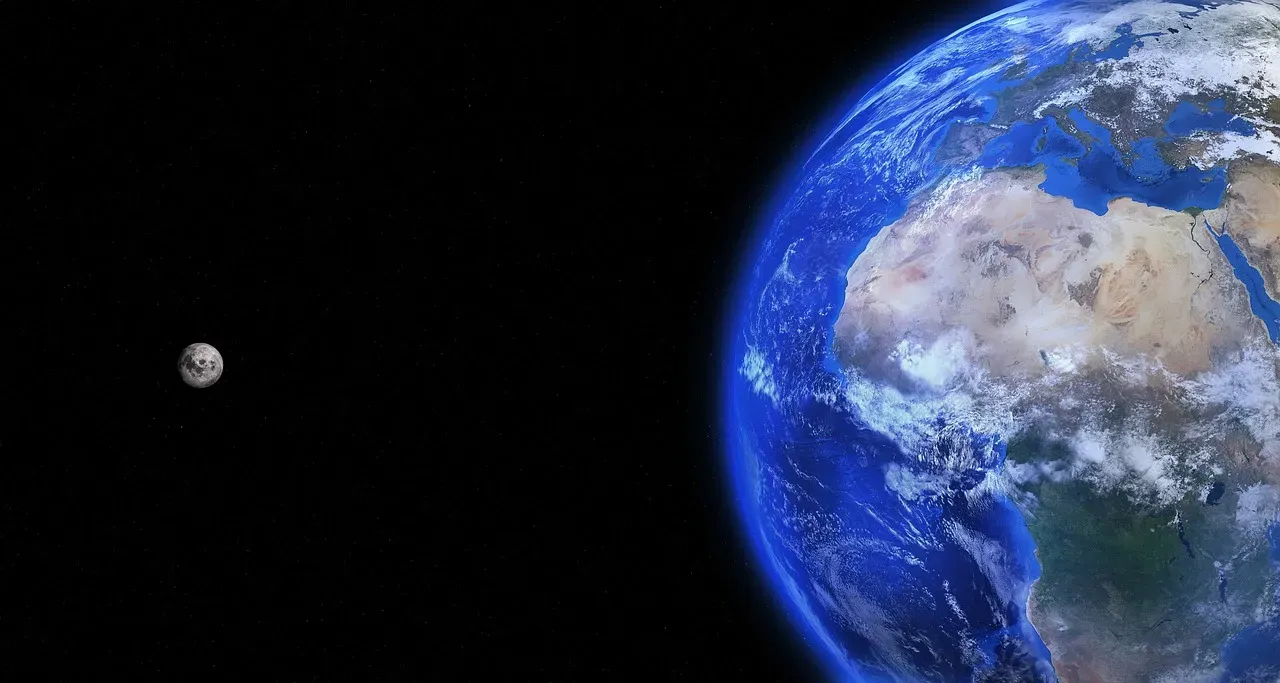
The fact that Earth even has a magnetic field starts deep under our feet, in a place we’ll never visit: the outer core. Down there, roughly half the radius of the planet below us, iron and nickel are so hot they behave like a churning, electrically conducting fluid. As this metal ocean slowly swirls and circulates, it creates electric currents, and moving electric currents generate magnetic fields. It’s like having a colossal dynamo spinning inside the planet, constantly powering a global magnetic shield.
This whole process is known as the geodynamo, and it’s the reason a simple compass points roughly toward geographic north instead of spinning aimlessly. The field it creates extends far beyond the surface, arching out into space in huge loops. This “planet-sized magnet” is not perfectly stable; it drifts, wiggles, and even flips polarity over geological time. But over human timescales, the field is steady enough to protect us and to guide everything from bird migrations to navigation systems. Without that molten, moving metal, Earth would be just another rock under cosmic fire.
Our Magnetic Bubble: The Magnetosphere as a Radiation Shield
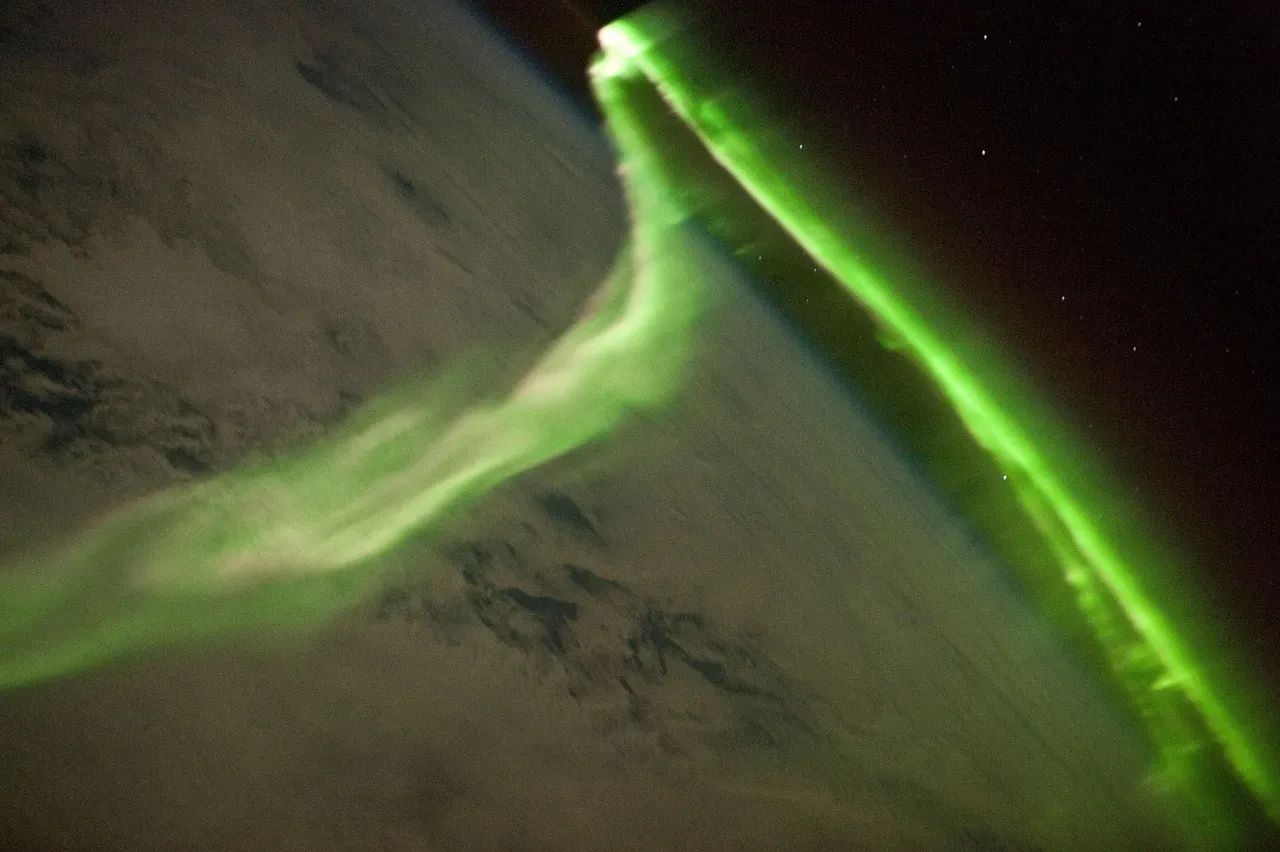
The magnetic field doesn’t just sit around the planet like a static shell; it gets stretched, squeezed, and sculpted by the solar wind, a constant stream of charged particles from the Sun. The result is the magnetosphere, a kind of magnetic bubble that wraps the planet and stands between us and a lot of incoming radiation. On the side facing the Sun, this bubble is compressed to a few Earth radii, while on the night side, it stretches far into space like a long tail. It’s not a solid barrier, but more like a force field that reshapes how particles travel.
When solar and cosmic particles encounter the magnetosphere, many of them are forced to curve along magnetic field lines instead of plunging straight into the atmosphere. Instead of hitting Earth head‑on, they are deflected around it, like marbles sliding along a curved surface. Only certain particles and energies make it through particular regions, often funneled toward the poles where the field lines dive into the atmosphere. That deflection and redirection is a big part of why we’re not constantly bombarded at ground level with the full fury of space radiation.
Deflect, Trap, Slow: What Really Happens to Cosmic Rays
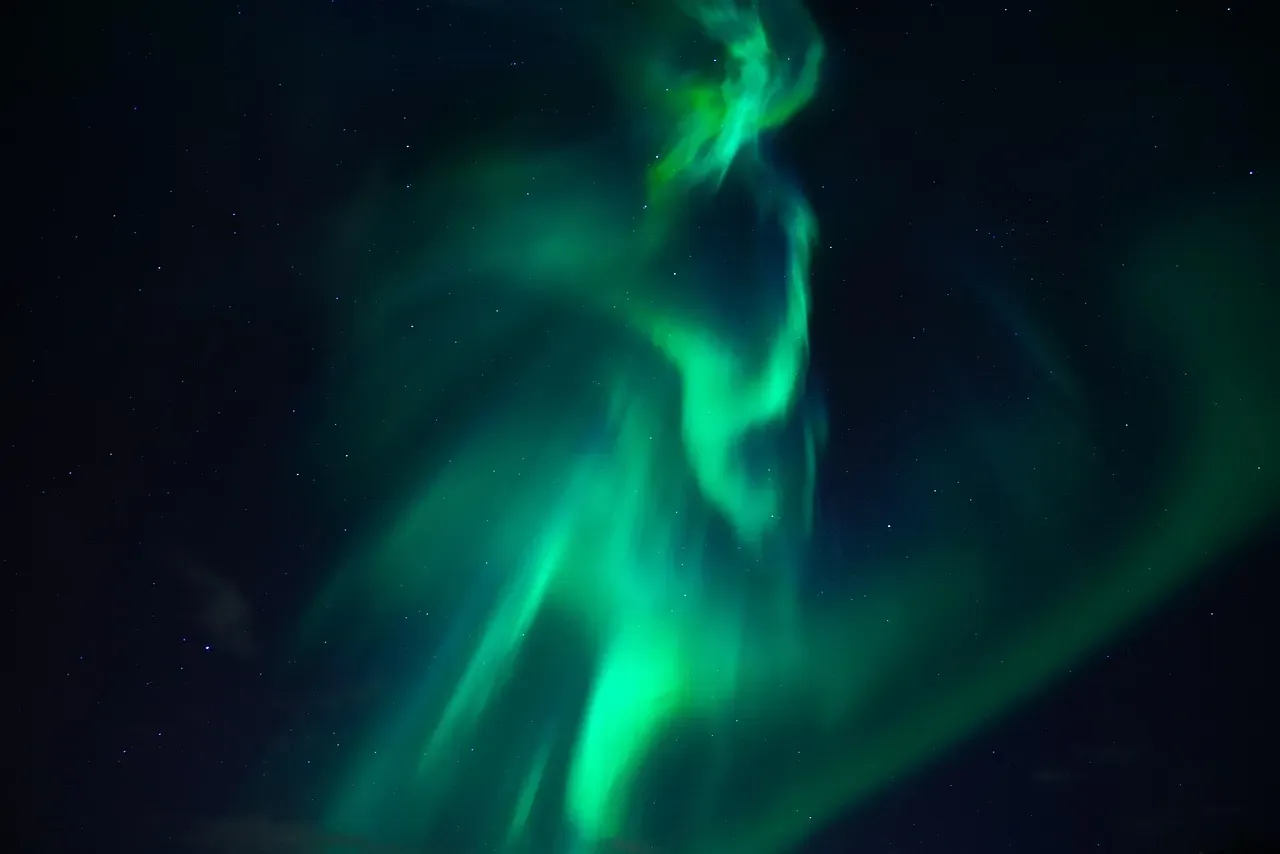
Cosmic rays arriving near Earth have to “negotiate” with the magnetic field, and the field is surprisingly good at winning that argument. Because these particles are charged, they spiral and bend when they encounter a magnetic field, following curved paths instead of straight ones. The stronger the field and the lower the particle’s energy, the more tightly it curves, which means many lower‑energy particles never get anywhere near the atmosphere. They get pushed aside, sent along field lines, or trapped for long periods in stable orbits.
Higher‑energy cosmic rays can still punch through, especially near the poles where the field funnels downward, but they’re greatly reduced by the time they hit the atmosphere. There, they collide with atoms and molecules, creating cascades of secondary particles rather than a single concentrated hit. That spreading out of energy, plus the filtering effect of the magnetic field, turns a potentially catastrophic blast into a background level of radiation that life on Earth has adapted to over billions of years. The field doesn’t make cosmic radiation vanish, but it downgrades it from existential threat to manageable risk.
The Van Allen Belts: Earth’s Loaded Magnetic “Moat”
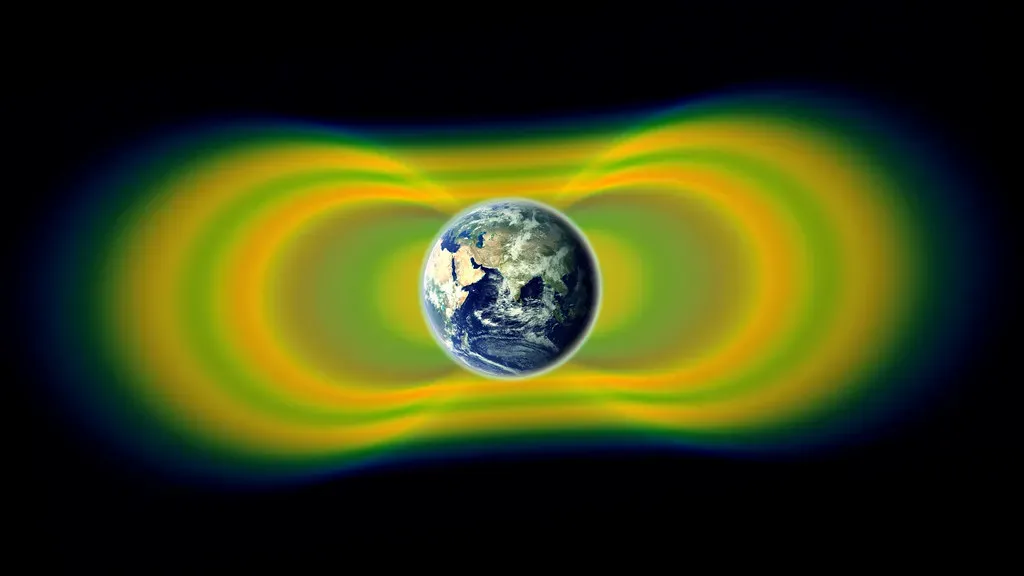
One of the wildest side effects of this interaction is that some particles don’t escape or hit the ground – they get stuck, forming radiation belts around the planet. These regions, called the Van Allen belts, are zones where charged particles are trapped by magnetic field lines, bouncing back and forth between the northern and southern hemispheres. Think of them as giant, invisible rings of radiation circling Earth, most intense at a few thousand to tens of thousands of kilometers above the surface. They’re like a loaded moat between us and deep space.
For spacecraft and satellites, flying through these belts can be a serious hazard. Engineers have to design electronics and shielding with these regions in mind, especially for long‑lived missions and navigation satellites that pass through the belts regularly. For people on the ground, though, the Van Allen belts act like a buffer of sorts, absorbing and storing energy that might otherwise slam more directly into the atmosphere. They’re a reminder that the magnetic field doesn’t just deflect radiation; sometimes it cages it in place, where we can at least predict and manage its effects.
When the Shield Shudders: Solar Storms, Auroras, and Risks
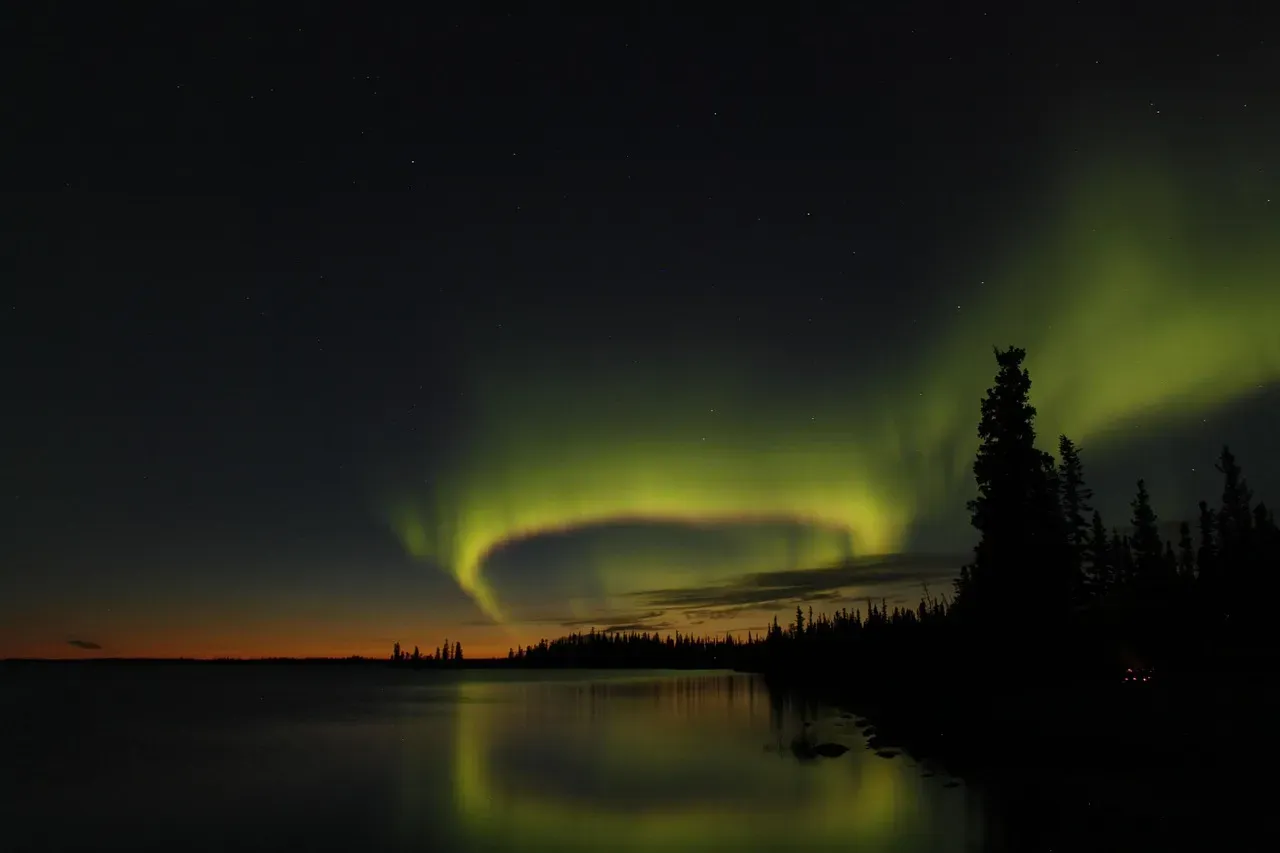
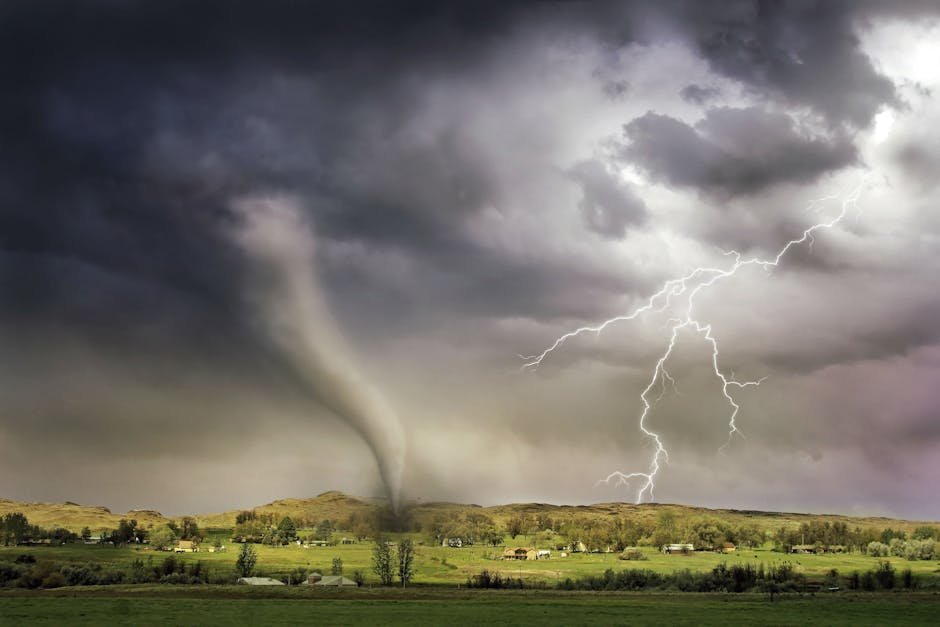
The magnetic field is powerful, but it’s not immovable, and the Sun loves to test its limits. During solar storms and coronal mass ejections, the Sun can hurl enormous clouds of charged particles and magnetic fields at Earth. When these interact with our magnetosphere, the whole magnetic bubble can shake, compress, and reconnect in complex ways. Some of that energy and those particles get dumped along magnetic field lines into the upper atmosphere near the poles, lighting up the sky as the auroras most people recognize from photos and travel brochures.
Those dancing lights are beautiful, but they’re also a visible sign that a lot of energy is being dumped into our magnetic and atmospheric systems. During intense events, this can induce currents in power lines, disrupt satellites, degrade GPS accuracy, and increase radiation exposure for high‑altitude flights and astronauts. Still, without the magnetic field, these storms would be far more devastating, stripping away the atmosphere and blasting the surface directly. The shield may shudder under stress, but it takes the punch for us, over and over again.
Why Mars Is a Warning: A Planet Without a Strong Magnetic Shield
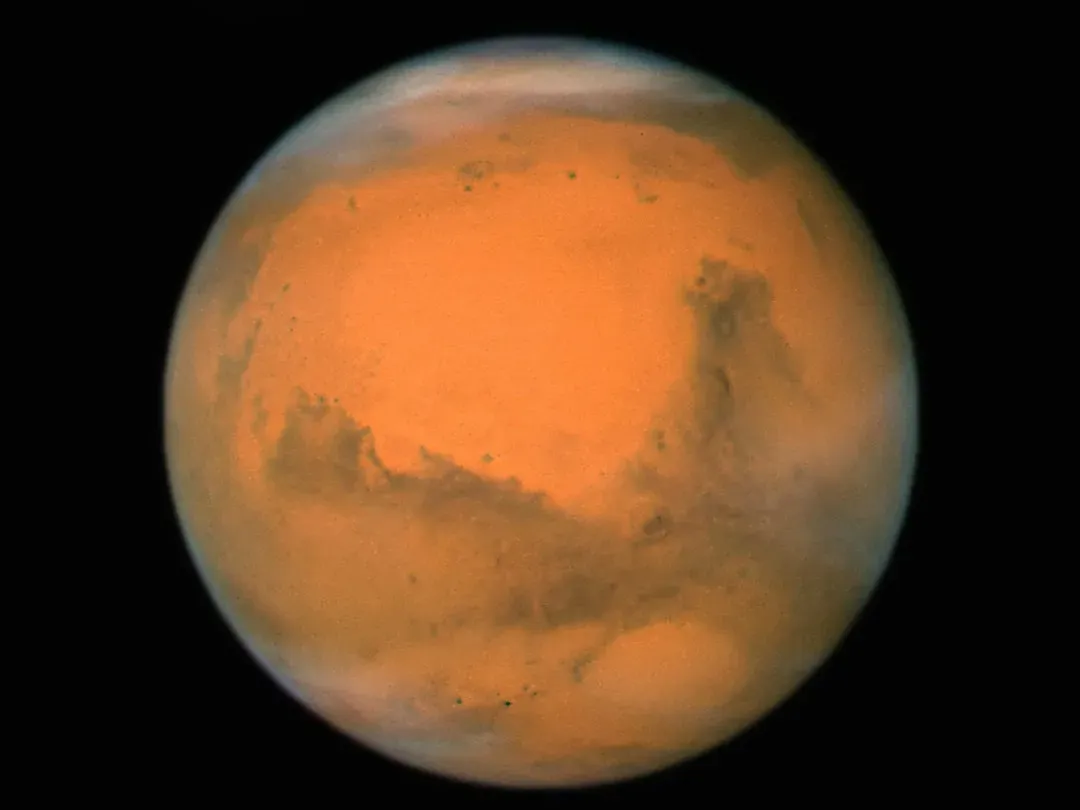
To really appreciate Earth’s field, it helps to look at a planet that lost its own protective magnetism: Mars. Evidence suggests Mars once had a stronger magnetic field and thicker atmosphere, and probably more surface water as well. Over time, as its interior cooled and the geodynamo weakened or shut down, the global field faded. Without that protection, the solar wind and cosmic radiation had a much easier time eroding the Martian atmosphere, atom by atom, molecule by molecule. Today, Mars has only patchy local magnetic regions and a thin, fragile atmosphere.
The result is a world where radiation at the surface is far higher than on Earth, and any future human explorers will need heavy shielding just to live there safely. Mars is like a before‑and‑after picture that shows what can happen when a planet loses its magnetic armor. It doesn’t mean Earth is on the same path tomorrow, but it does underline how dependent our climate, atmosphere, and habitability are on that invisible field. When I think about it that way, a simple handheld compass starts to feel like a tiny, portable reminder of our planet’s most underrated life-support system.
Living Inside an Invisible Fortress
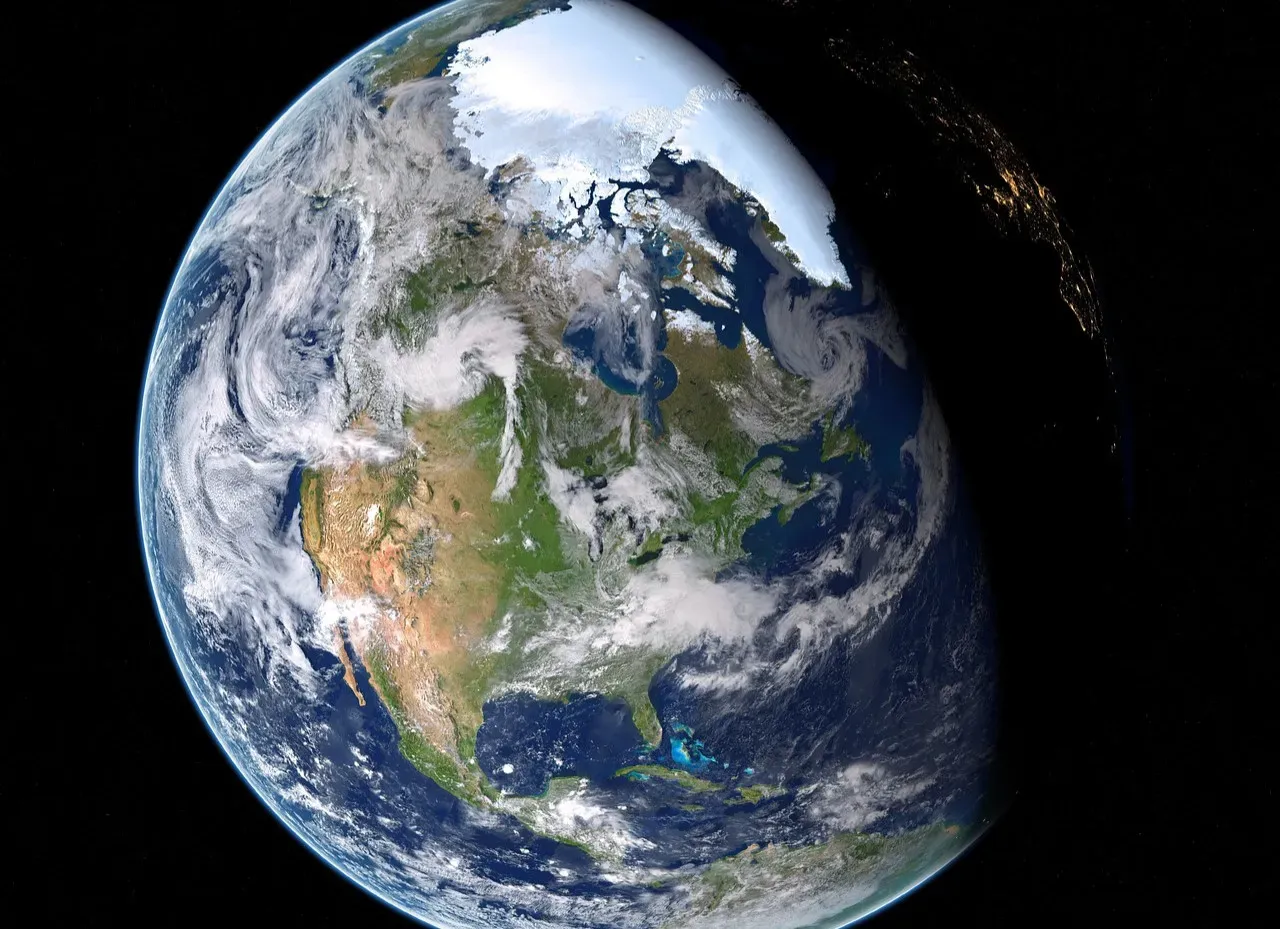
The Earth’s magnetic field quietly does the kind of job that only gets noticed when you imagine it not being there. It’s born in the depths of the planet, reaches far into space, deflects and reshapes cosmic radiation, traps dangerous particles in belts, and turns potentially catastrophic solar events into mostly manageable disturbances. The atmosphere finishes the job, but the magnetic field is the first major line of defense that turns a hostile universe into a survivable home. Without this invisible fortress, life on Earth would look very different, if it existed at all.
Next time you see a photo of an aurora, or watch a compass needle swing, it’s worth remembering that you’re watching your planet’s shield in action. We live inside a constantly working, constantly shifting magnetic cocoon that holds back the worst of space so that oceans, forests, cities, and people can exist. For all our technology and cleverness, we still rely on this ancient, planetary-scale system more than we rely on anything we’ve built. Knowing that, it’s hard not to look up at the night sky and quietly wonder: how many other worlds out there have shields strong enough to let life take root?