Some of the most important moments in your life live only in a thin strip of biological tissue, folded inside your skull. A first kiss, a hospital corridor, the smell of your grandparents’ house – none of these exist anywhere except in the changing connections between billions of neurons. For decades, scientists could describe memory in broad strokes, but the precise dance between cells, chemicals, and time remained a stubborn mystery. Now, powered by brain imaging, molecular tools, and even implants, researchers are starting to map how fleeting experiences solidify into the stories we tell ourselves. The picture that’s emerging is both comforting and unsettling: your memories feel stable, yet under the hood, they’re constantly being rewritten.
The First Spark: How an Experience Becomes a Trace
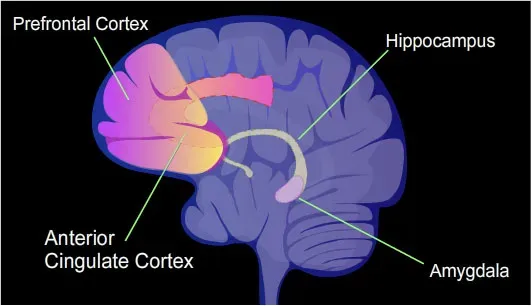
Imagine walking into a room and catching a whiff of fresh coffee; in less than a heartbeat, your brain has already begun encoding a memory. Sensory systems in your eyes, ears, nose, and skin fire off signals that converge in regions like the hippocampus, a seahorse-shaped structure buried deep in the temporal lobe. Neurons there respond in specific patterns, forming what scientists call an engram, a physical trace of the experience. At first, this trace is fragile, like wet concrete that hasn’t set yet, easily disrupted by distraction, stress, or a lack of sleep. In animal experiments, disrupting hippocampal activity right after learning can completely erase newly formed memories, underscoring just how delicate that first spark really is.
The timing of this early phase is surprisingly tight. The brain uses bursts of synchronized activity – brain waves in the theta and gamma ranges – to link together the elements of an event: who was there, where you were, what you felt. If those waves are disrupted, the story can fall apart, leaving you with only fragments. Age, medications, and even inflammation can blunt those signals, which is one reason people in midlife sometimes notice that new names and details do not stick as easily. The brain is still encoding, but the initial trace may be weaker, less likely to survive the hours that follow.
Wiring Changes: Synapses, Proteins, and the Making of Long-Term Memory
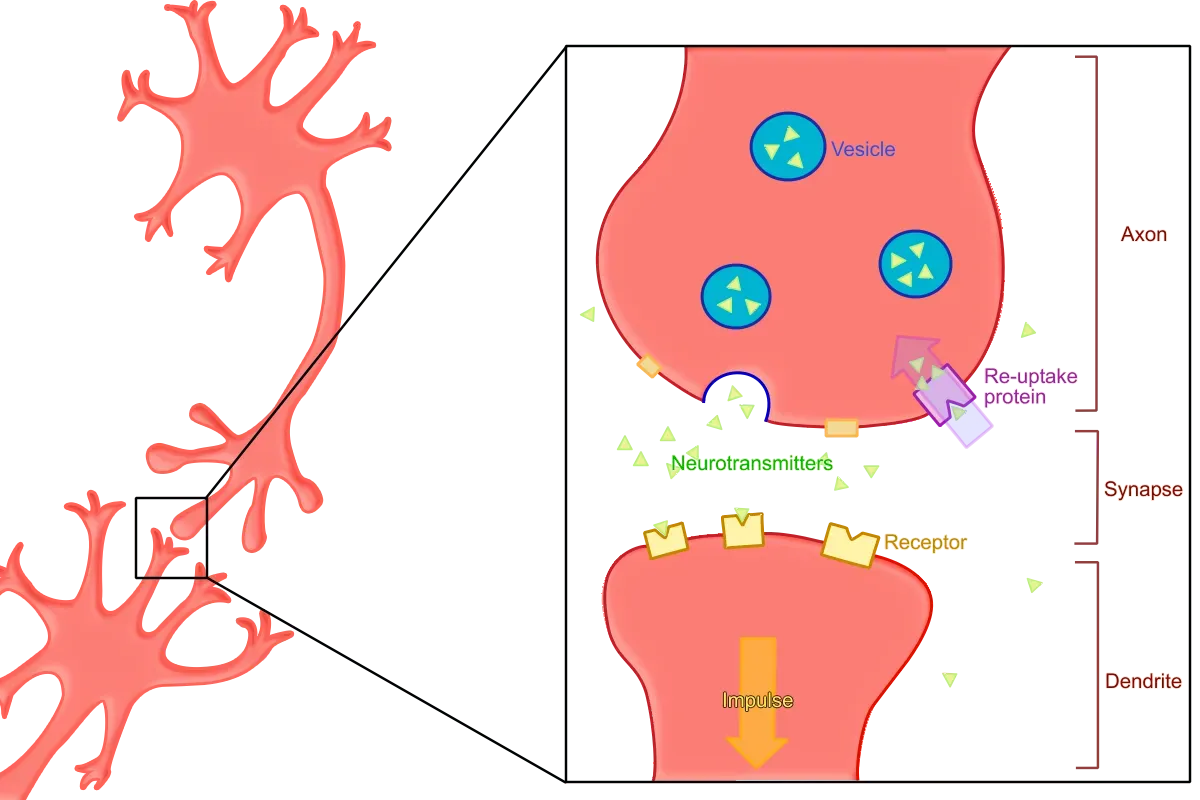
The leading explanation for how the brain stores memories long term is both simple and profound: neurons that fire together strengthen their connections. At the microscopic level, this shows up as long-term potentiation, where repeated activity across a synapse makes that connection more efficient for hours, days, or longer. This strengthening is not just electrical; it’s deeply physical. Synapses sprout new receptor proteins, reshape their tiny structures, and call on a cascade of genes that change how the cell behaves in the future. In other words, every time you learn, the architecture of your brain is literally remodeled.
These changes require energy, nutrients, and time. If protein synthesis is blocked in the brain of an animal right after learning, a memory might initially seem intact but then fade after several hours, never making the jump to long-term storage. Hormones also play a powerful role. Stress hormones released in moderate amounts can actually enhance this consolidation process, making emotionally charged memories more likely to stick, while chronic, overwhelming stress tends to impair it. That is why some ordinary days fade, while intense, emotional events burn in with uncomfortable clarity.
The Hippocampus as Librarian: From Short-Term to Stored History
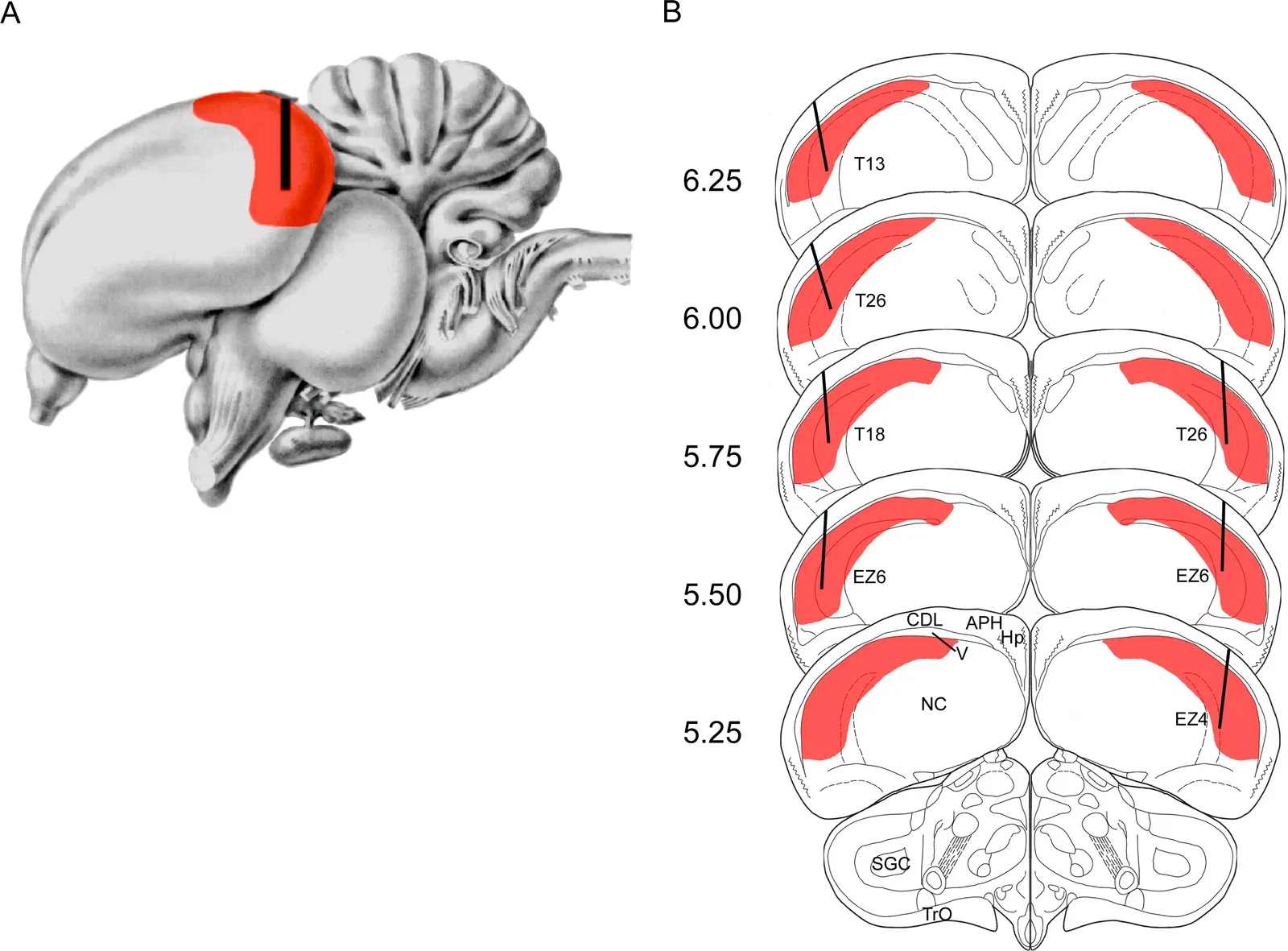
One of the most striking discoveries in memory science came from rare patients who lost the ability to form new memories after damage to their hippocampus. They could hold a conversation for a few minutes, then forget it completely, like a tape that never records. From cases like these, researchers concluded that the hippocampus acts less like a warehouse and more like a librarian, temporarily binding together the details of an event and then gradually transferring them to distributed networks across the cortex. Over weeks to years, this slow handoff builds what we experience as autobiographical memory and general knowledge about the world.
This transfer process is not smooth or continuous; it’s punctuated, and much of it happens while you sleep. During deep, slow-wave sleep, the hippocampus replays recent experiences in compressed bursts, a kind of neural fast-forward that seems to teach the cortex what to keep. At the same time, cortical networks refine patterns, linking new information to old knowledge, which is why a good night’s sleep can make yesterday’s confusion feel clearer. As we get older, those deep sleep stages tend to shrink, which may partly explain why forming new long-term memories can feel like trying to write on a page that’s already crowded with ink.
Editing the Past: Why Memories Feel Solid but Stay Flexible
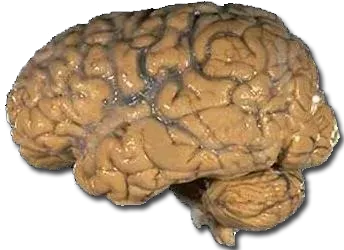
Most of us picture memories as files stored in a brain archive, pulled out and viewed unchanged. The reality is more unsettling: each time you recall a memory, your brain briefly destabilizes it and then has to restabilize it again, a process known as reconsolidation. During this window, new information, mood, and context can subtly alter the trace, blending what actually happened with what you believe or have since been told. Over many years, these tiny edits can accumulate, which is why siblings sometimes swear they remember the same family event in completely different ways.
Scientists have pushed this idea to the limit in animal studies, where interfering with reconsolidation can weaken or even erase specific learned fears. That has raised both hope and ethical anxiety: could similar techniques someday help people haunted by traumatic memories, or might they be misused to manipulate recall? Even without futuristic tools, everyday life is already reshaping your past. Each time you retell a story, you highlight certain details and skip others, and the brain tends to strengthen whatever gets replayed. The memory that survives is the one that fits your current narrative, not necessarily the one that most closely matches the original event.
Why It Matters: Memory, Identity, and Life in Midstream
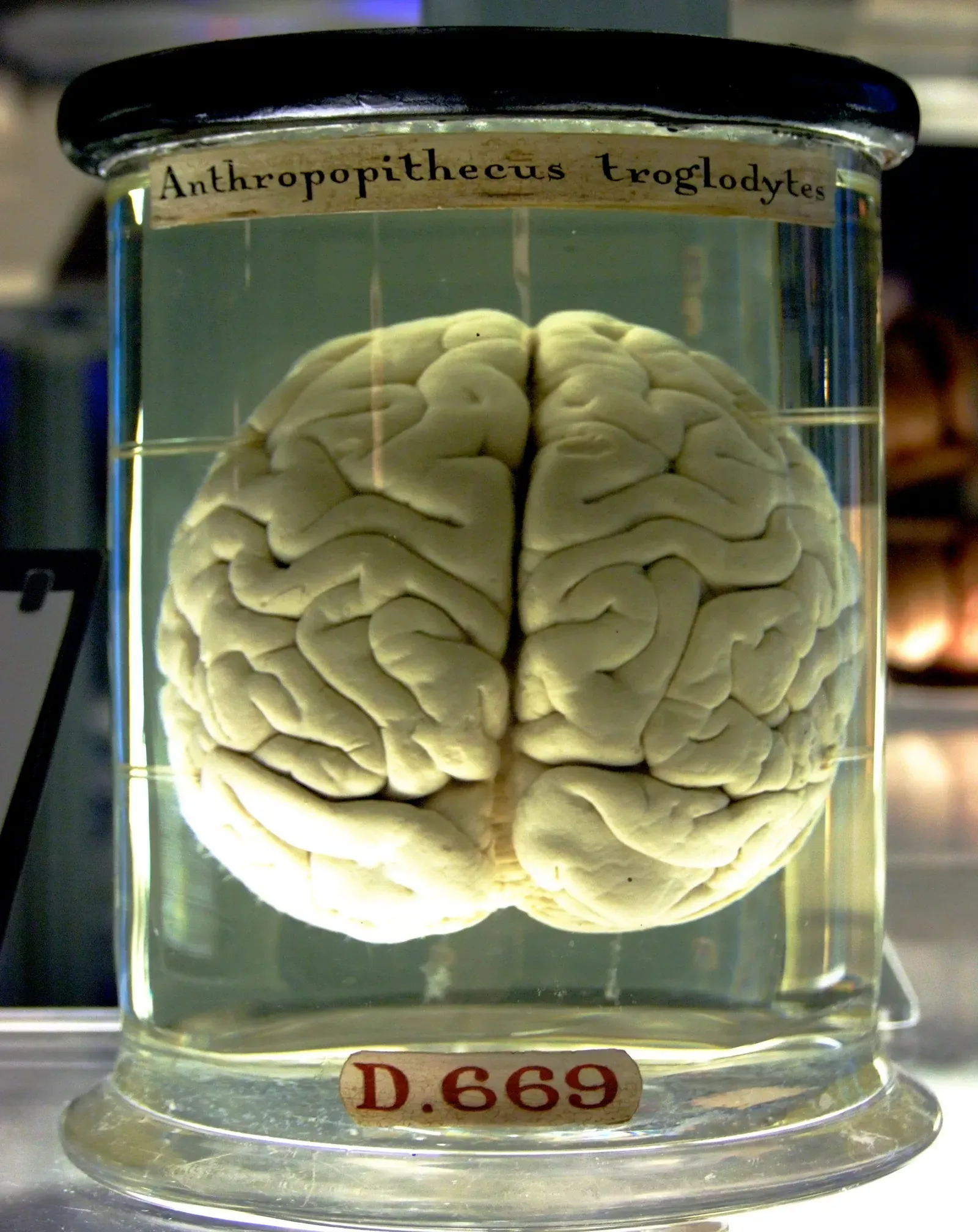
By the time people reach their forties and fifties, many notice a quiet shift: names slip, appointments need reminders, and the past feels both more vivid and more distant. Understanding how memory really works can be oddly reassuring in this phase of life. It shows that occasional forgetfulness is a natural consequence of a system optimized not for perfect recall, but for flexibility and relevance. The brain prioritizes patterns and meaning over raw detail, so it lets go of what it deems unimportant to keep the overall system efficient. That trade-off keeps us adaptive, but it can feel like betrayal when you cannot remember why you walked into a room.
There is also a deeper emotional weight here. Memories are not just data; they are the scaffolding of identity, shaping how you answer questions like who you are and what your life has meant so far. When memory fails dramatically, as in Alzheimer’s disease and other dementias, families often describe the grief not just as losing a person, but as watching that person’s story come apart. Against that backdrop, research into memory mechanisms stops being an abstract puzzle and becomes a pressing human concern. The more we learn about how the brain builds and maintains memories, the better we can design habits, environments, and eventually therapies that protect the stories we care about most.
What Strengthens (and Weakens) Your Brain’s Archive
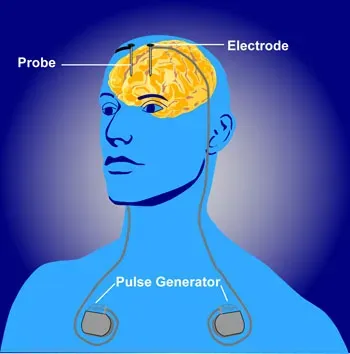
Scientists have identified a handful of forces that consistently shape how robustly we remember. Sleep is one of the strongest: both short, deep naps and full nights of quality sleep support the replay processes that consolidate memories. Physical activity matters too; regular aerobic exercise boosts blood flow and growth factors in the brain, particularly in regions involved in learning and memory. Social engagement and mentally demanding activities, from learning a new language to playing complex music, may help maintain cognitive reserve, giving the brain more ways to route around damage or decline. By contrast, chronic stress, heavy alcohol use, and unmanaged cardiovascular risks can quietly erode the networks that memories depend on.
If that sounds like a laundry list, it helps to think of memory as a garden, not a hard drive. You cannot simply “back up” your brain, but you can influence the soil, the watering schedule, and the amount of sunlight. Small, consistent choices – taking a brisk walk, keeping a regular sleep schedule, staying curious about new topics – support the biological processes that stabilize and refresh memory traces. In midlife especially, these habits act like compound interest, with benefits that may not be obvious for years but can make a difference when the brain is under pressure. The details of what you remember are unique, but the conditions that help those memories survive are surprisingly universal.
The Future Landscape: Implants, AI, and Rewriting Memory Disorders
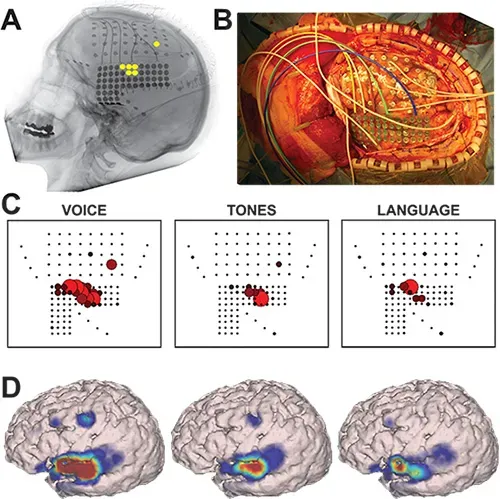
In the last decade, advances in brain recording and stimulation have started to turn long-standing science fiction into cautious reality. Researchers working with patients who already have brain implants for epilepsy have used electrical pulses in memory-related regions to modestly improve recall on certain tasks. Experimental devices are trying to mimic the way the hippocampus encodes information, acting as a prosthetic bridge when natural circuits are damaged. At the same time, AI tools are helping scientists decode patterns of neural activity, inching closer to predicting which brain states correspond to remembering a face, a word, or a place.
These developments offer real hope for conditions like traumatic brain injury and early dementia, but they also raise hard questions. If we can amplify or dampen specific memories, where should we draw the line between treatment and enhancement? Who gets access to such technologies, and how do we protect mental privacy when neural data become another kind of personal information? Globally, different countries are beginning to sketch out “neurorights” frameworks, but the science is moving fast, and regulation often lags behind. The challenge for the coming decades will be to turn our growing power over memory into tools for care and dignity, rather than control.
How You Can Engage: Caring for Your Memories and Supporting the Science
While labs work on high-tech solutions, there are simple, low-tech ways you can support your own memory system and the broader science behind it. On a personal level, you can treat sleep, movement, and social connection less like luxuries and more like core maintenance for your brain. Writing down important events, keeping a journal, or organizing photos into coherent stories can also help reinforce autobiographical memories, especially during busy or stressful periods. If you have older relatives, gently encouraging them to share life stories does not just preserve family history; the act of storytelling itself can exercise their memory networks.
For those who want to go a step further, there are opportunities to participate in memory research through university studies, brain-health registries, or online cognitive tests. Donations to organizations that fund Alzheimer’s and dementia research support the challenging, long-term work needed to translate basic science into real treatments. Even staying informed and skeptical – questioning exaggerated claims about “miracle” brain supplements or gadgets – helps create a more honest public conversation about what memory science can and cannot do. In a world where our digital devices remember so much for us, choosing to actively care for the fragile, living memories inside our own heads might be one of the most meaningful acts of self-preservation available.
Suhail Ahmed is a passionate digital professional and nature enthusiast with over 8 years of experience in content strategy, SEO, web development, and digital operations. Alongside his freelance journey, Suhail actively contributes to nature and wildlife platforms like Discover Wildlife, where he channels his curiosity for the planet into engaging, educational storytelling.
With a strong background in managing digital ecosystems — from ecommerce stores and WordPress websites to social media and automation — Suhail merges technical precision with creative insight. His content reflects a rare balance: SEO-friendly yet deeply human, data-informed yet emotionally resonant.
Driven by a love for discovery and storytelling, Suhail believes in using digital platforms to amplify causes that matter — especially those protecting Earth’s biodiversity and inspiring sustainable living. Whether he’s managing online projects or crafting wildlife content, his goal remains the same: to inform, inspire, and leave a positive digital footprint.