
Imagine getting dropped in the middle of a foreign country with no phone, no map, no street signs you recognize – and still somehow walking straight to your front door. That’s basically what some animals do every single year. They cross oceans, deserts, and entire continents, and they almost never get “lost” the way we do when our GPS drops signal in a parking garage.
From birds that can feel the Earth’s magnetic field to turtles that remember the “taste” of the beach where they were born, animals use navigation tricks that sound almost supernatural. Yet, researchers are steadily piecing together how these living compasses work. The more we learn, the more it feels like nature has quietly been running the most advanced navigation system on the planet – long before the first satellite ever went into orbit.
The Magnetic Sixth Sense: Feeling the Earth Itself
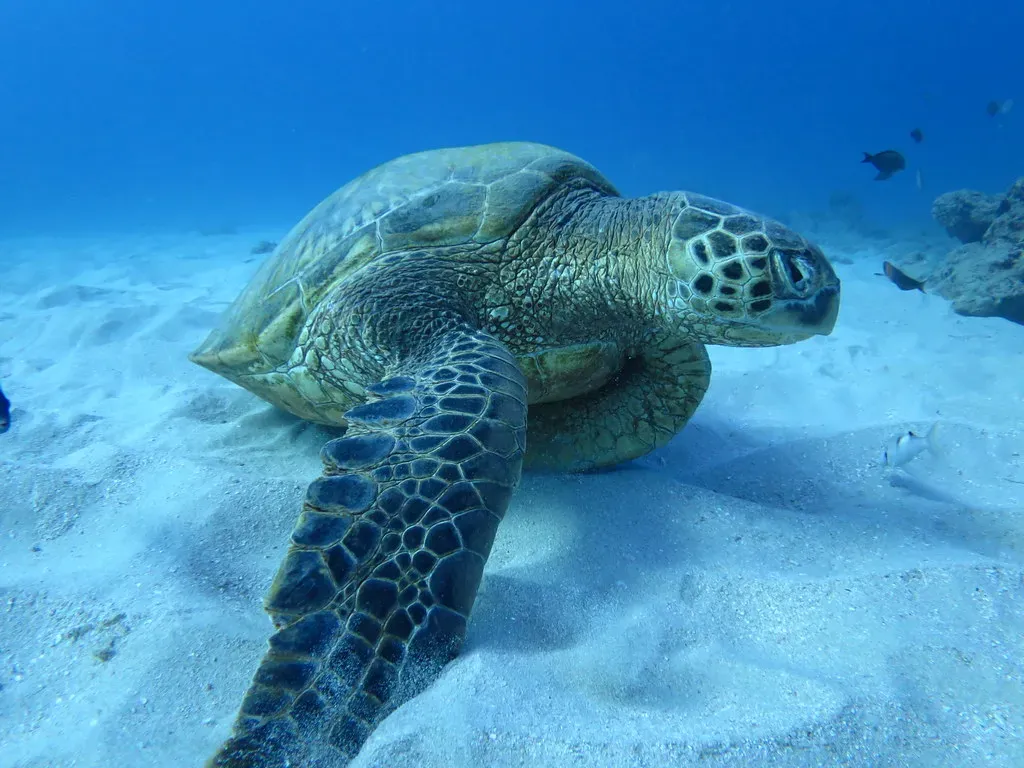
Here’s a wild thought: some animals don’t just see and hear the world – they literally feel the planet’s magnetic field. Many migratory birds, certain fish like salmon, and even sea turtles seem to carry an internal magnetic compass that helps them set and keep a direction over thousands of miles. Instead of checking a map, they’re tuning in to subtle differences in the Earth’s magnetic field, like someone listening to background music most of us can’t hear.
Scientists have found clues that this “magnetic sense” might live in two places: tiny iron-based particles in animal tissues and special light-sensitive molecules in the eye. In some birds, for example, vision and magnetism appear strangely linked; they may literally see the magnetic field as patterns or shading over their normal view of the world. We still don’t fully understand how this sense feels from the animal’s perspective, but it’s clear they’re using information we’re basically blind to.
Star Maps and Sun Compasses in the Sky
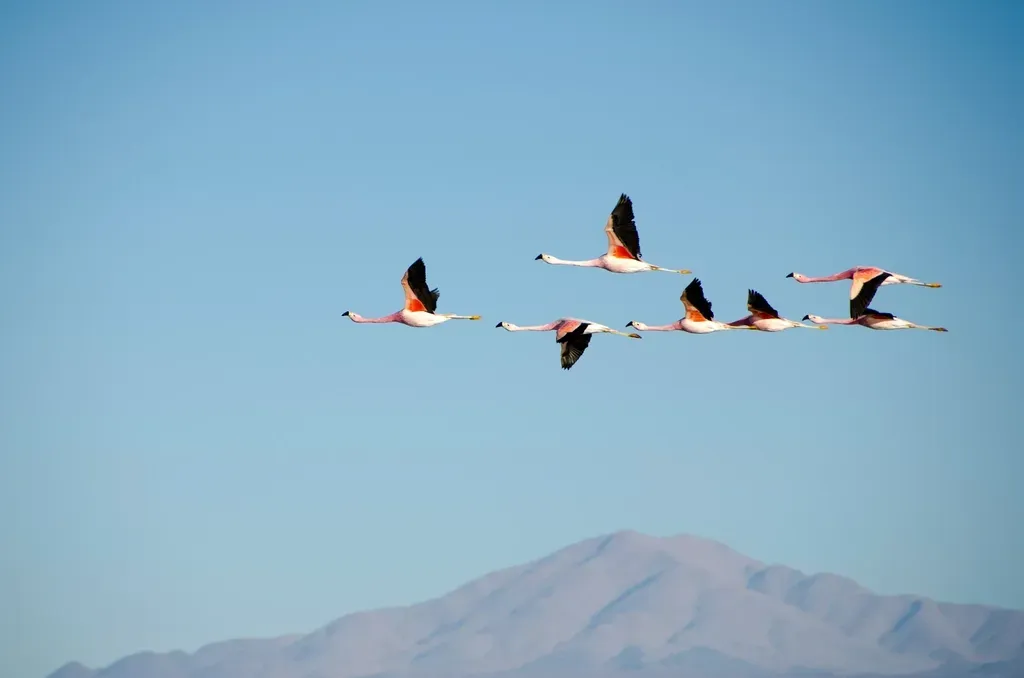
Long before humans learned to navigate by the North Star, some animals were already doing it. Experiments with migratory birds have shown that young birds kept under artificial night skies can become confused if the star patterns are changed, suggesting they use constellations like a celestial road map. They don’t need to recognize each individual star the way sailors might, but they seem to learn overall patterns and use them to figure out which way is “homeward.”
During the day, the Sun becomes another powerful guide. Birds, bees, and even some desert ants rely on a solar compass, combined with an internal sense of time. They mentally correct for the Sun’s movement across the sky, so they know that “toward the Sun in the morning” is a different direction from “toward the Sun in the afternoon.” It’s like walking with a constantly moving landmark – but keeping an invisible protractor in your head so you still know which way to go.
Smell Highways: Odor Maps in the Air and Water
Some animals don’t follow visual landmarks or stars; they follow invisible rivers of scent. Homing pigeons, for example, are famous for finding their way back from unfamiliar locations, and a big part of that ability appears to come from smell. They learn the unique mix of odors carried by winds around their home area, almost like memorizing the “accent” of the air itself. When they’re released far away, they compare what they smell to this mental odor map and gradually home in on familiar territory.
In the water, salmon take this concept to another level. After spending years at sea, they return to the exact river where they were hatched, guided by an astonishingly precise sense of smell. They recognize the chemical fingerprint of their home stream amid countless others. To us, every river might smell like “water and plants,” but to a salmon it’s more like a detailed, personal address written in scent.
Landmarks, Memory, and Mental Maps
Not every master navigator is crossing oceans. Some animals excel at building detailed mental maps of smaller territories and then stringing those maps together over long journeys. Monarch butterflies, for example, migrate thousands of miles across North America, but along the way they still rely on landscape cues like coastlines, mountain ranges, and plains to keep their route on track. These large features act like the bold lines on your road atlas, shaping the broad path they follow.
Closer to the ground, animals like wolves, elephants, and even tiny ants use landmarks with stunning precision. Ants in deserts have been shown to count their steps and remember visual cues like rocks and plants; elephants remember water holes they haven’t visited in years. Over time, these memories form rich internal maps. It’s a bit like living in a city for decades: even without a GPS, you just know that if you cut through this park and go past that odd-shaped building, you’ll end up where you need to be.
Inherited GPS: Navigation Pre-Installed at Birth
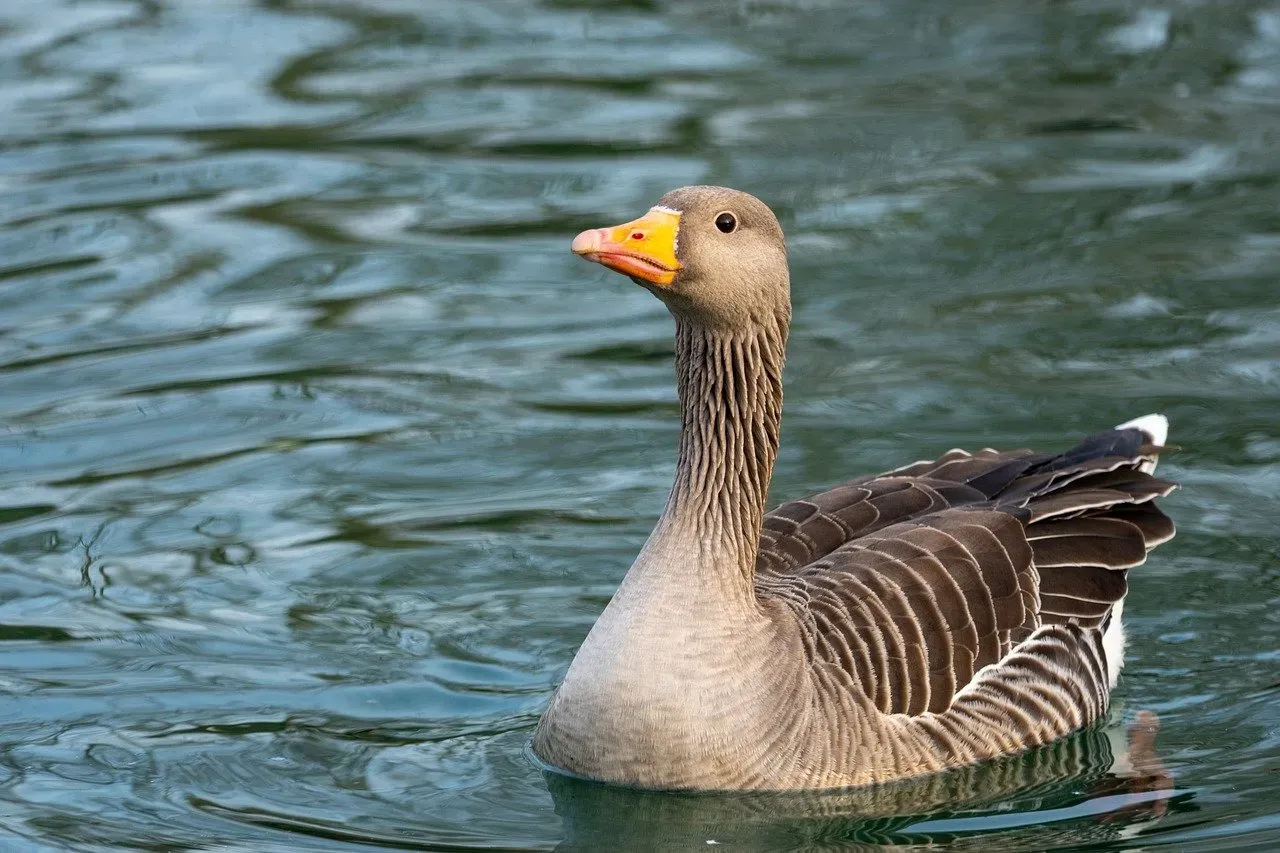
One of the most mind-bending parts of animal navigation is that some species seem to be born with part of the route already “downloaded” into their brains. Young cuckoos, for instance, migrate to their wintering grounds without ever following their parents, who left earlier. Somehow, the direction and rough timing of their first long journey are genetically programmed, like having a basic trail marked on a map from the day you’re born.
Monarch butterflies take this biological inheritance to an extreme. No single butterfly completes the full round trip between North America and Mexico; it takes several generations. Yet, offspring that have never seen the starting point still fly toward the same overwintering areas their great-grandparents used. It’s hard not to feel humbled by that kind of built-in knowledge, especially when many of us still miss a freeway exit we’ve driven past twenty times.
The Power of Tiny Brains: Insects That Out-Navigate Us
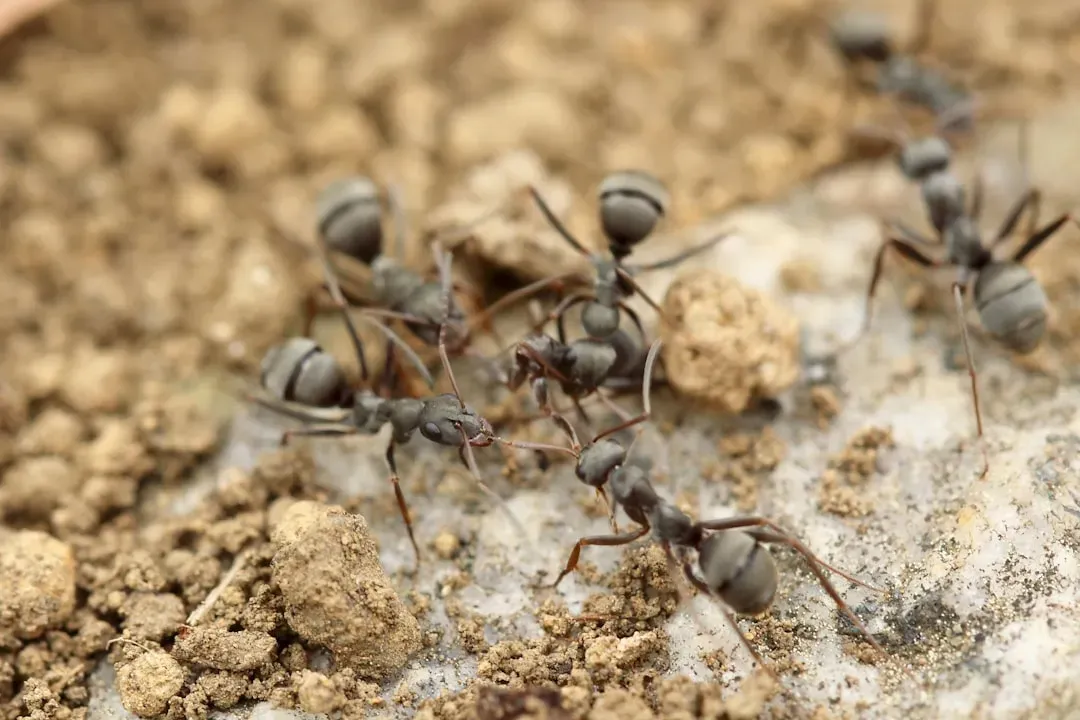
It’s tempting to assume that impressive navigation requires a big brain, but insects quietly wreck that idea. Desert ants navigate scorching, mostly featureless landscapes and still find their way back to a nest that looks like nothing more than a small hole in the sand. They combine step-counting, the angle of the Sun, and quick snapshots of the landscape around them, then compute a direct return path. All of that happens in a brain smaller than a pinhead.
Honeybees push this even further. They fly miles from the hive, find flowers, then come back and communicate the location to others through complex movements often described as a kind of “dance.” That dance encodes direction relative to the Sun and distance based on effort. In practical terms, they’re running a tiny, fuzzy version of a mapping app inside their heads and then broadcasting directions to the entire colony – no satellites, no screens, just finely tuned instinct and learning.
When Nature’s GPS Breaks: Threats to Animal Navigation
As impressive as these natural systems are, they’re not indestructible. Artificial lights at night can disorient migratory birds and sea turtles, drawing them away from safe routes or nesting beaches. City glow can drown out the stars, and bright shoreline lights can lure baby turtles inland instead of toward the ocean. The same cues that guided animals reliably for thousands of years can suddenly become traps when our modern world scrambles the signals.
Other forms of pollution pose more subtle threats. Chemical changes in rivers may confuse salmon that rely on scent, while noise pollution in the oceans can interfere with whales and other marine animals that navigate partly by sound. Even shifts in the Earth’s magnetic field, combined with magnetic interference from human technology, may alter the delicate magnetic sense in birds and turtles. Losing these navigation abilities wouldn’t just be a scientific curiosity; it could unravel entire migration systems that ecosystems depend on.
What Animal Navigation Teaches Us About Intelligence
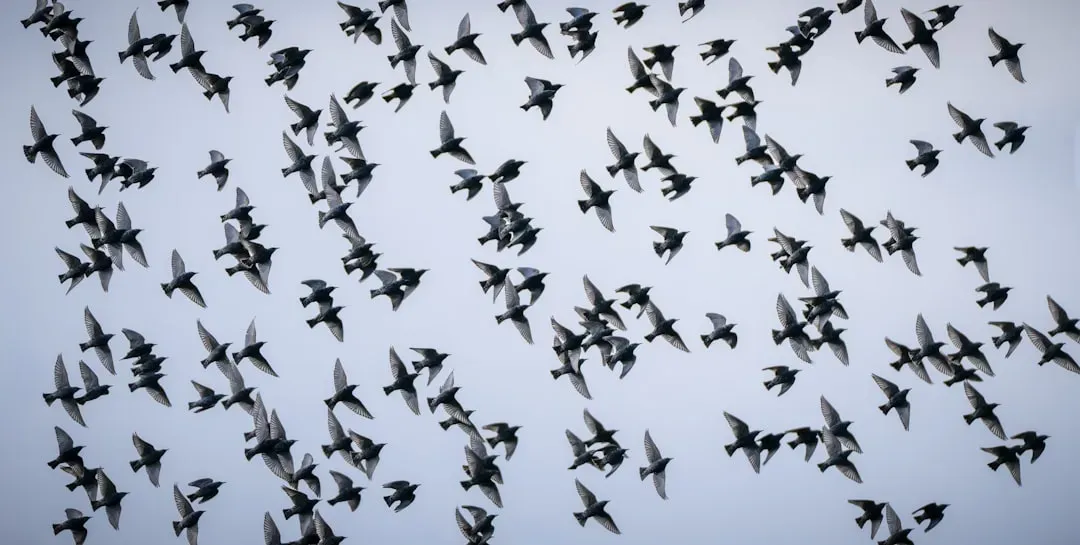
When we watch a bird cross an ocean or a turtle return to the beach where it hatched, it’s easy to think of it as a neat trick and move on. But if you pause and really take it in, these journeys force us to reconsider what we mean by intelligence and memory. These animals solve problems we’d struggle with even using advanced tools, and they do it quietly, year after year, guided by senses we can barely imagine. It’s like discovering your quiet neighbor has secretly been performing world-class math in their head while watering the plants.
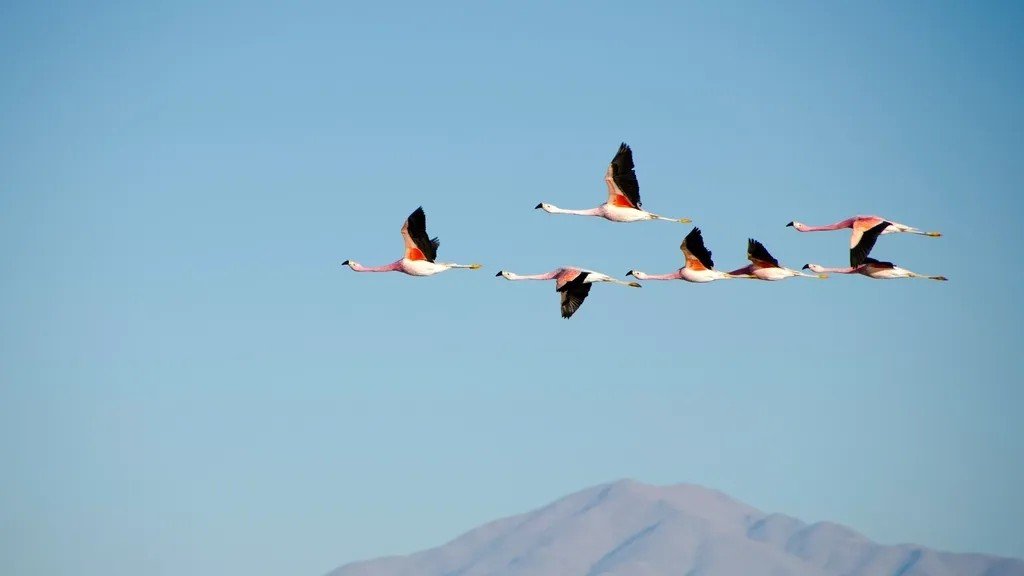
To me, that’s the part that sticks: we walk around with our phones, terrified of losing the blue dot on a screen, while birds, fish, insects, and mammals cross the planet using magnets, stars, smells, and stories written into their DNA. Their success is a reminder that the world is full of minds that work differently from ours, but are no less impressive. Next time you see a flock passing overhead or a butterfly drifting past your window, it might be worth asking yourself: where is it going – and how sure are you that you’d do better without your GPS?