

If you walk through a forest, it feels calm, almost silent. But beneath that quiet surface, an astonishing conversation is happening every second. Trees are sending chemical alarms, roots are trading nutrients, and tiny signals are racing through leaves like electrical messages in a nervous system.
For a long time, scientists assumed plants were passive background props in nature. Now, research is turning that idea upside down. It turns out plants don’t just respond to the world; they share information, warn their neighbors, and even “eavesdrop” on others. The more we learn, the more it feels like we’ve been living with an alien civilization right in front of us – and we’re only just starting to understand their language.
The Shocking Idea: Plants Aren’t Silent At All

Imagine finding out that your quiet neighbor has been hosting a weekly gathering for years and you never noticed. That’s basically what’s happened with plants: we thought they were mute and isolated, but experiments keep showing they constantly send and receive signals. When a plant is attacked by insects, starved of water, or hit by disease, it doesn’t just “suffer” – it reacts and often alerts others around it.
This isn’t communication in the human sense, of course. There are no thoughts or intentions we can prove. But there are patterns, signals, and responses that meet the scientific definition of communication: one organism sends a message that changes the behavior or state of another. It feels eerie at first, like we’ve stumbled into a slow, green internet that has been online for millions of years.
Talking Through the Air: Chemical Messages From Leaves
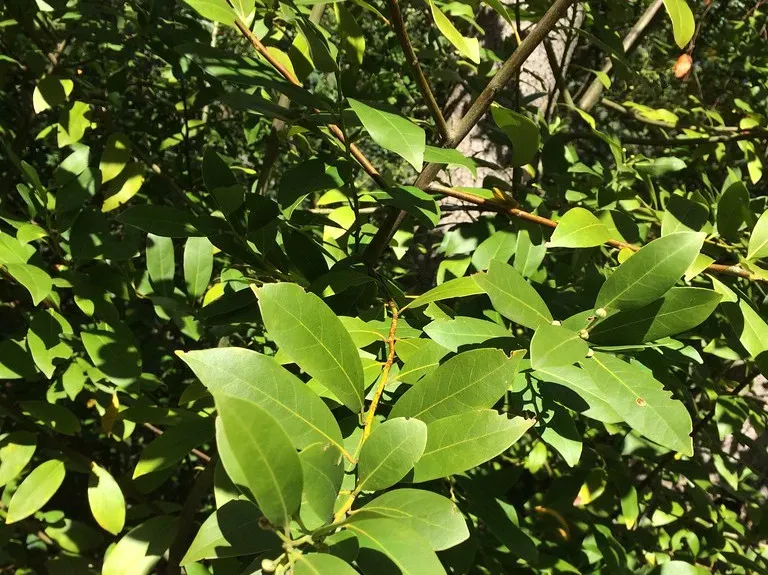
One of the most surprising ways plants “speak” is through the air using volatile organic compounds – tiny molecules they release into the atmosphere. When a caterpillar chews on a leaf, that plant can send out an airborne chemical signal that nearby plants detect. In response, those neighbors may boost their own defenses before they’re even attacked, like hearing a distant alarm siren and locking your doors in advance.
Some plants use these vapors like a targeted distress call. Certain chemicals can attract predators or parasites of the insects that are harming them, basically calling in bodyguards. Others change the taste or toughness of their own leaves, making themselves less appealing. It’s not storytelling or poetry, but it is a kind of language: specific chemicals that mean specific things, to listeners that know how to respond.
Underground Networks: The “Wood Wide Web”

While the air carries some plant messages, an even more intricate conversation happens underground. Many trees and plants form partnerships with mycorrhizal fungi – delicate fungal threads that wrap around or even enter plant roots. These networks can connect many different plants together, sharing water, nutrients, and chemical signals through a kind of living, biological internet.
Through these fungal highways, a struggling plant may receive extra nutrients from healthier neighbors, and signals about stress can move from one tree to another. Researchers have observed cases where older, well-established trees seem to support younger ones in the shade, helping them survive. There’s debate about how intentional or cooperative this really is, but the result is clear: roots and fungi create a shared communication and resource network that turns a forest into something closer to a single, interconnected system.
Warning Signals: When Plants Sense Danger

When plants are under attack, they don’t just react physically; they also send warning signals that change how other plants behave. For example, when some species are damaged by insects, they release chemicals that trigger defense genes in neighboring plants. Those neighbors might grow tougher leaves, produce bitter compounds, or develop toxins that make them less attractive to hungry mouths.
This early-warning system can stretch over surprisingly large areas, especially in dense plant communities. It’s as if one plant saying “I’m being eaten!” helps the rest prepare for the same threat. Even in agricultural fields, scientists have found that certain crops can respond to stress signals from their neighbors, which is now inspiring more natural pest-control strategies that work with plant communication instead of just spraying chemicals everywhere.
Electricity, Touch, and Sound: The Hidden Senses of Plants
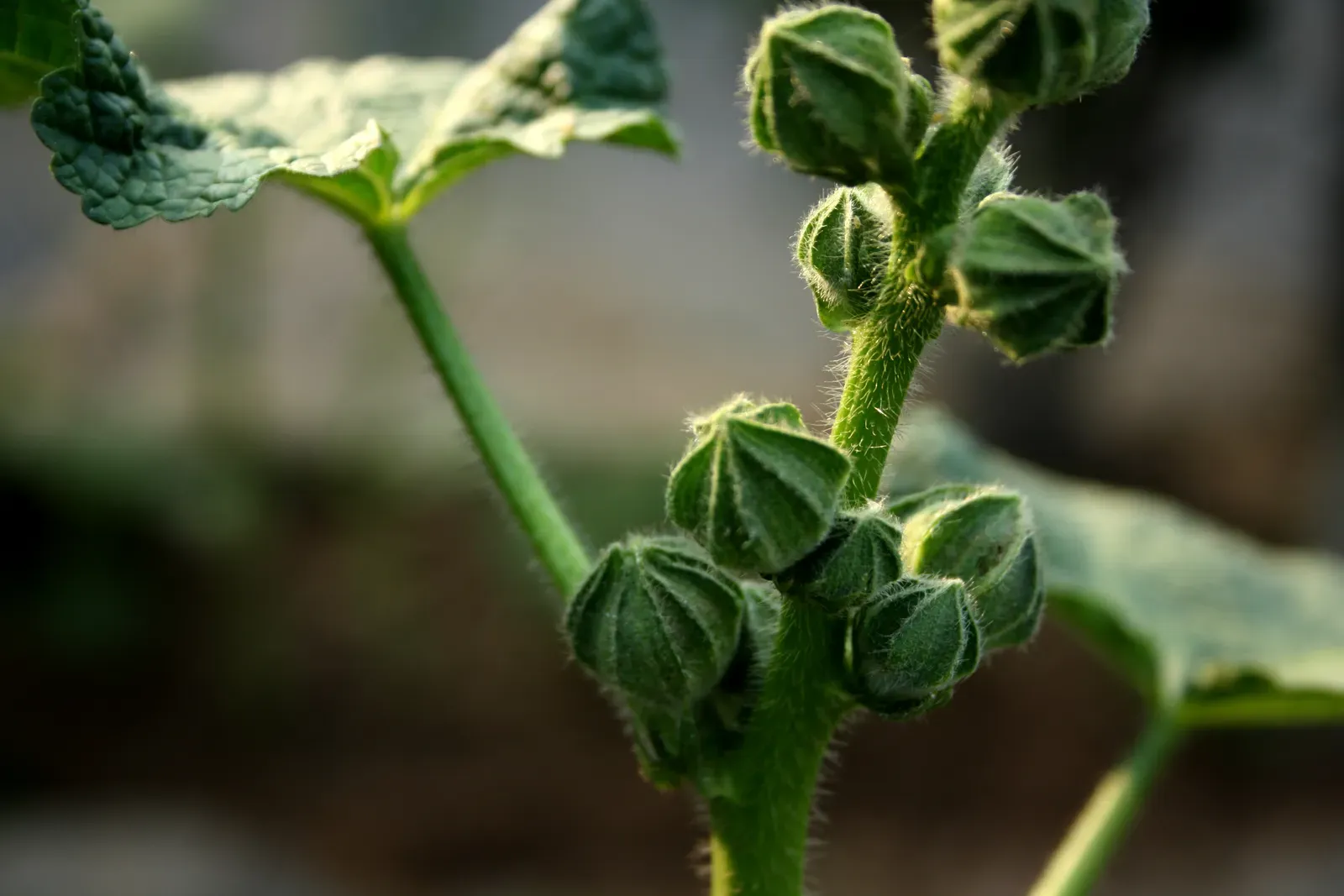
Chemicals aren’t the only way plants share information. Inside their tissues, plants can send fast electrical signals, a bit like nerve impulses in animals. When part of a plant is injured or suddenly stressed, these electrical changes can move through stems and leaves, triggering responses in distant parts of the same plant, such as closing pores or redirecting growth.
Plants also respond to touch and vibration in surprisingly precise ways. Some species change their growth when brushed repeatedly, growing shorter and sturdier, a bit like strength training. There’s ongoing research into how plants react to certain sound frequencies and vibrations, including those made by insects and water movement. It’s still a developing field, and scientists are careful not to overstate it, but the idea that plants “feel” their environment through multiple subtle senses is now widely accepted.
Are Plants “Intelligent”? Rethinking What That Means
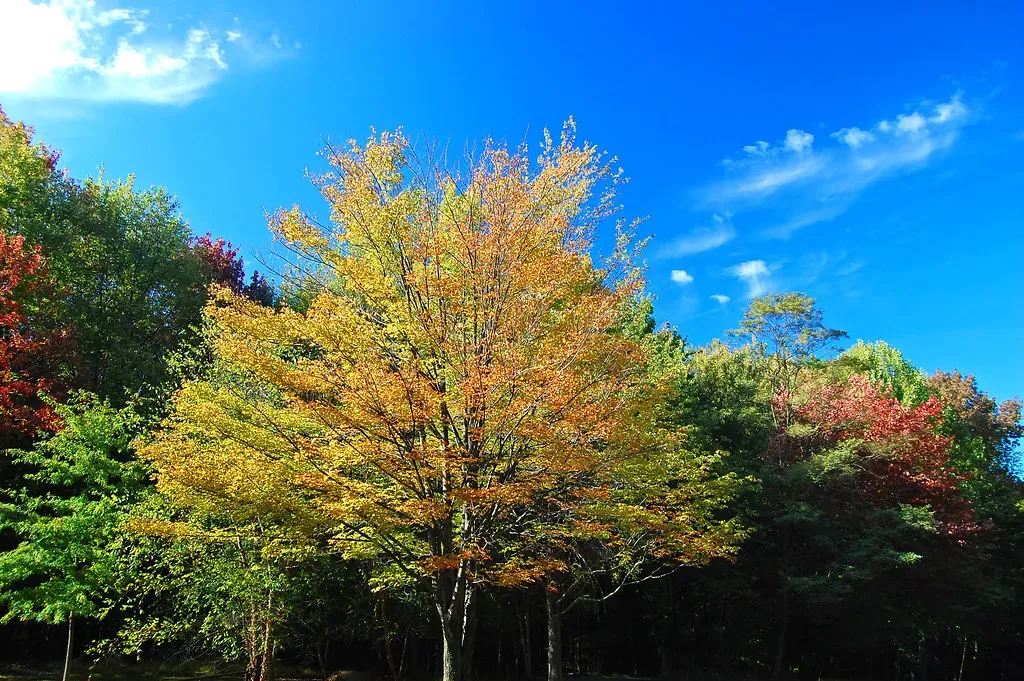
Once you realize plants communicate, it’s tempting to jump to the idea of plant intelligence in a human-like sense. But that’s where things get tricky. Plants don’t have brains or neurons, and there’s no solid evidence of conscious thought. What they do have are complex signaling networks and the ability to integrate information over time, making flexible responses that help them survive and reproduce.
Some scientists argue this is a form of distributed intelligence: instead of a central command center, plants process information through their whole body, from roots to leaves. Others prefer to avoid the word “intelligence” altogether and just talk about sophisticated adaptation. Personally, I think the label matters less than the realization that plants are not simple at all. They sense, they react, they share information – just in a way that’s so different from ours that it feels almost alien.
Why Plant Communication Matters for Our Future

Plant communication isn’t just a fun piece of trivia; it has very real consequences for how we grow food and protect ecosystems. If crops can warn each other about pests, farmers might rely more on natural signals and less on pesticides. By learning which plant combinations enhance each other’s defenses through airborne chemicals or root signals, we could design more resilient, diverse fields instead of endless monocultures that collapse at the first sign of disease.
Understanding how forests share resources and information could also help with conservation and climate resilience. When we clear land without thinking about these hidden networks, we’re not just cutting down trees; we’re tearing apart the communication systems that help entire landscapes cope with stress. The more we uncover this secret language of nature, the harder it becomes to see plants as background scenery. They’re active participants in the world we all share – quiet, yes, but far from silent.