

You’ve probably walked through a garden or forest without giving much thought to what’s happening beneath your feet or above the leaves. It’s quiet, peaceful, almost still. Yet something remarkable is unfolding, something you can’t hear or see with your naked eye.
Plants are talking. They’re sharing information, warning each other, even helping neighbors in distress. Let’s be real, most of us think of plants as passive organisms that just sit there soaking up sun and water. That couldn’t be further from reality. These green beings have evolved astonishingly complex ways to interact with their surroundings and each other, creating invisible networks that rival our own social media feeds in sophistication. Ready to discover the secret language of plants? Be prepared to see your garden in a whole new light.
The Chemical Vocabulary: Volatile Organic Compounds

Plants communicate through a host of volatile organic compounds (VOCs) that can be separated into four broad categories, each the product of distinct chemical pathways: fatty acid derivatives, phenylpropanoids/benzenoids, amino acid derivatives, and terpenoids. Think of these as the alphabet plants use to write messages into the air around them. When you smell freshly cut grass, you’re actually eavesdropping on a plant distress signal.
When grass is cut, it releases gaseous chemicals, a fragrant distress signal. These scent molecules aren’t just random emissions. Plants also release this scent when eaten by a caterpillar – and as if responding to their call for help – other bugs take notice and prey on those caterpillars. It’s like a botanical emergency broadcast system, calling in reinforcements when under attack. Neighboring plants pick up these airborne warnings and start preparing their own defenses before the threat even reaches them.
Underground Networks: The Wood Wide Web
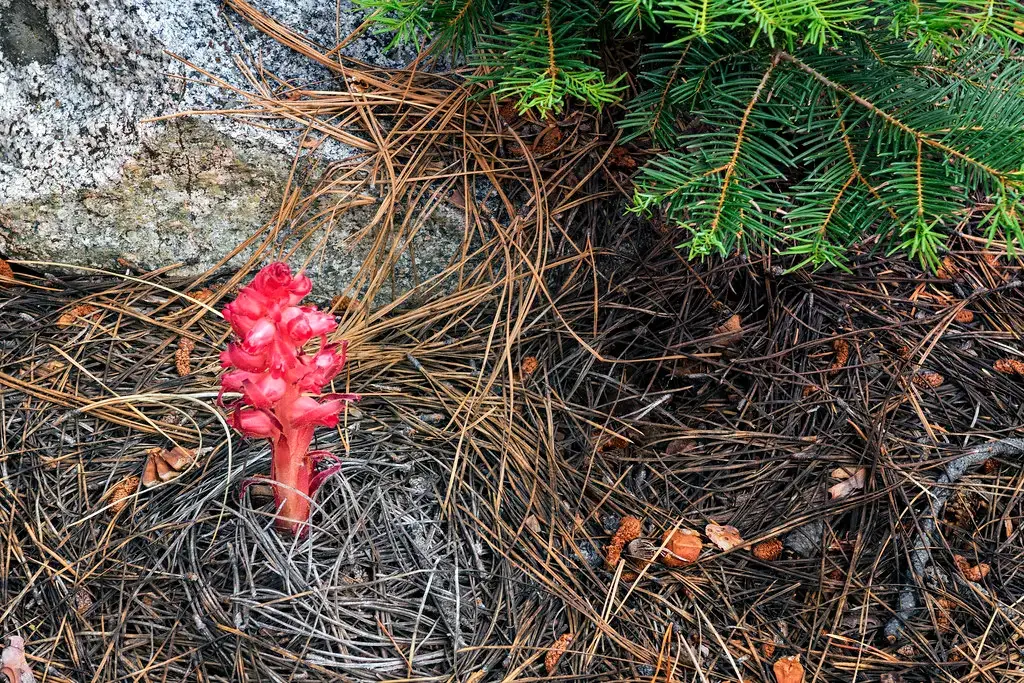
A mycorrhizal network (also known as a common mycorrhizal network or CMN) is an underground network found in forests and other plant communities, created by the hyphae of mycorrhizal fungi joining with plant roots. This network connects individual plants together. Scientists have dubbed this system the wood wide web, and honestly, it’s hard to think of a better name. Imagine an internet made of fungus connecting trees like fiber optic cables connect computers.
The plant provides to the fungus up to 30% of the carbon it fixes by photosynthesis, while the fungus provides the plant with nutrients that are limiting in terrestrial environments, such as nitrogen and phosphorus. This isn’t just communication; it’s a full-blown trade economy happening beneath the forest floor. Carbon has been traced going through an older “nurse” tree through fungal networks to another, younger tree that’s too young to get a good source of light and photosynthesize. Mother trees literally feed their offspring through these underground highways.
Root Communication: Chemical Signals Below Ground

Plants communicate through their roots by secreting tiny amounts of special chemicals into the soil all through the plant’s root zone – what scientists call the rhizosphere. These chemicals, called root exudates, send signals to every other living thing in the root zone. The complexity here is staggering when you really think about it. Your garden isn’t just dirt with plants stuck in it; it’s a bustling chemical communication hub.
One interesting thing plants communicate to each other is who they are. No one is yet sure how this is done, but we do know that plants are able to recognize plants that are siblings (podmates), plants that are their same species but not close relatives, and plants that are total strangers. They compete vigorously when a plant is a stranger, growing long, invasive roots that stretch out farther and farther, trying to fill up the root space and drive the other plant out. Plants have family drama underground. Who knew?
Electrical Signaling: The Plant Nervous System

Action potentials in plants are carried out through a plants vascular network (particularly the phloem), a network of tissues that connects all of the various plant organs, transporting signaling molecules throughout the plant. In the phloem, the propagation of action potentials is dictated by the fluxes of chloride, potassium, and calcium ions, but the exact mechanism for propagation is not well understood. Plants don’t have nerves like animals, but they’ve figured out something similar using their plumbing system.
These results indicate that tomato plants communicate with one another via airborne volatile cues, and when these VOC’s are perceived by receptor plants, responses such as depolarization and calcium influx occur within seconds. Within seconds! That’s faster than some text messages get delivered. 2025 research has advanced understanding of how hydraulic pressure mediates long-distance signaling in plants. Scientists proposed a unified model showing that changes in negative pressure within plant vasculature transmit both mechanical and chemical stress signals. The study explained how pressure disturbances can trigger calcium fluxes and gene-expression responses, clarifying how plants coordinate whole-organism reactions to drought, wounding, and other stressors.
Defense Signaling: Warning the Neighbors
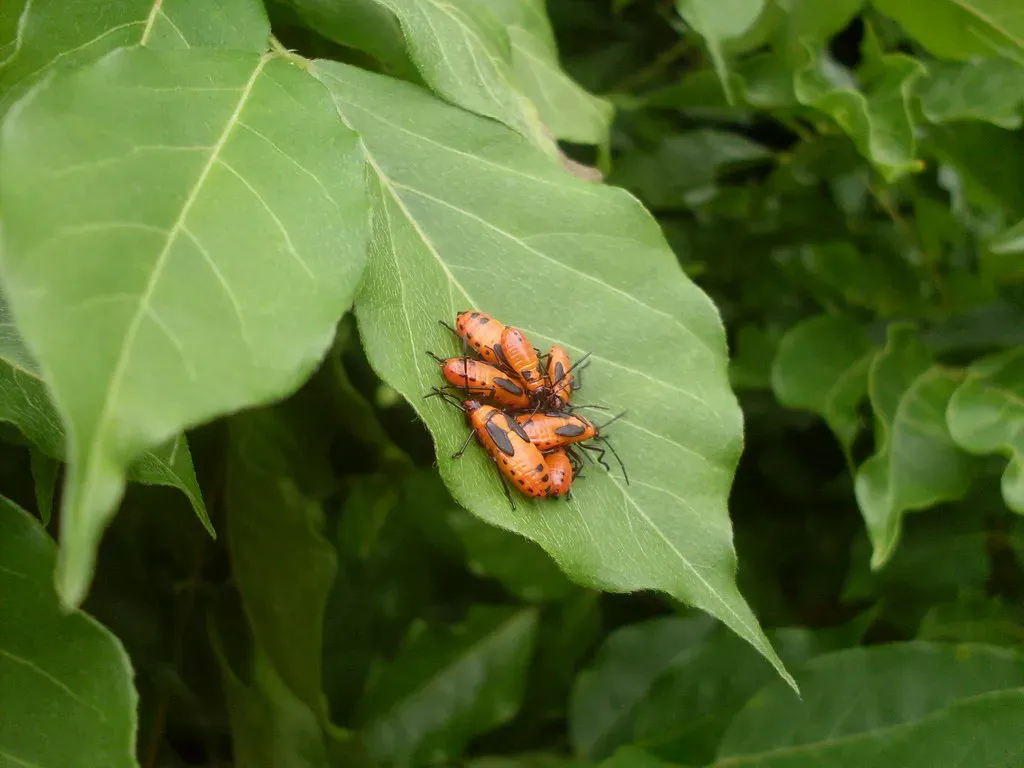
The researchers found that despite no contact via root system or touching, maple and poplar tree saplings would respond to others of their same species receiving damage to their leaves. This discovery from research in the 1980s fundamentally changed how scientists view plant interactions. When one plant gets attacked by insects or disease, it doesn’t suffer in silence.
So, plants use certain VOCs to warn their neighbors about threats, while other VOCs allow them to attract more useful organisms. It’s a two-pronged strategy that’s elegantly simple yet remarkably effective. Several species of economically important plants (corn, cotton, and tobacco) were found to release VOCs that attracted parasitic wasps to them. These wasps prey upon one of two closely-related species of caterpillar who would otherwise eat these specific plants, and it was found that the plants seemed to be releasing a distinct scent to let the wasps know their favorite dish was on the menu. Plants are basically calling in pest control services using scent.
Stress Communication Through Roots

Unstressed plants demonstrated the ability to sense and respond to stress cues emitted from the roots of the osmotically stressed plant. Furthermore, the unstressed plants were able to send additional stress cues to other neighboring unstressed plants in order to relay the signal. This relay system means stress information can spread through a plant community like wildfire, preparing everyone for incoming trouble.
Pisum sativum (garden pea) plants communicate stress cues via their roots to allow neighboring unstressed plants to anticipate an abiotic stressor. Garden peas might seem humble, yet they’re sophisticated enough to warn their neighbors about drought before it hits. A cascade effect of stomatal closure was observed in neighboring unstressed plants that shared their rooting system but was not observed in the unstressed plants that did not share their rooting system. The plants receiving warnings literally started closing the pores in their leaves to conserve water, getting ready for a drought they hadn’t experienced yet.
Plant Hormones: Internal and External Messengers
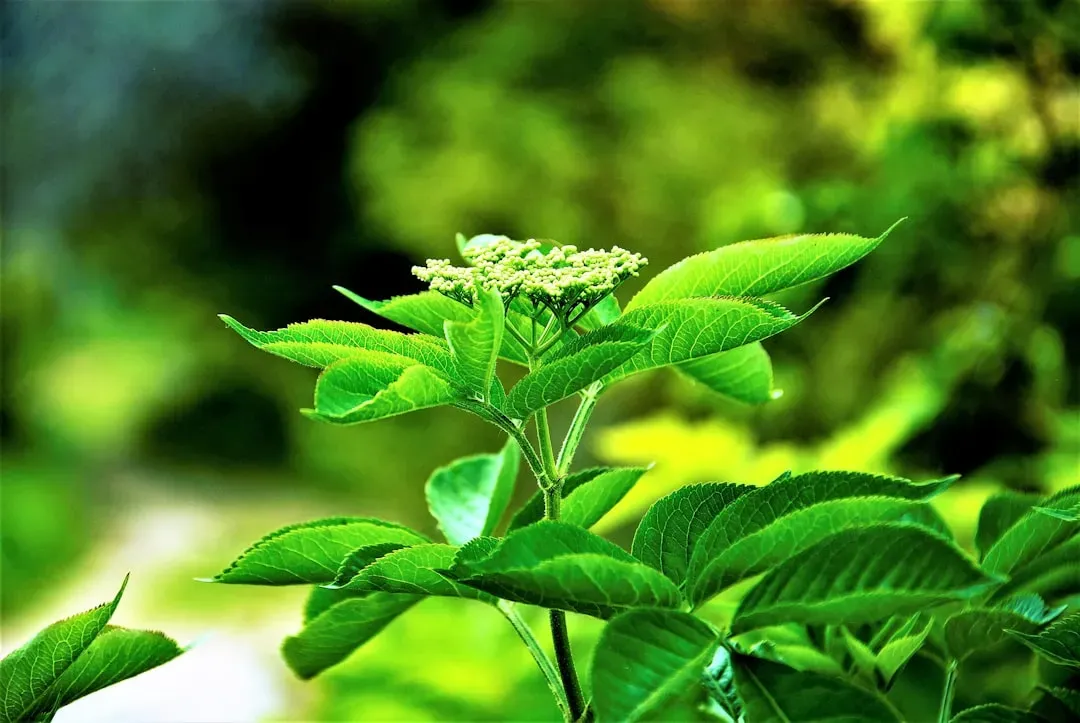
A hormone called auxin is produced at the top of a plant and travels downwards – telling a sprout trying to break through the soil’s surface which way is up. Plants produce a sophisticated array of hormones that control everything from growth direction to defense responses. These chemical messengers work both inside individual plants and between different plants.
Many plants under this kind of stress send out the hormone jasmonic acid, which tells the plant to start producing a toxin to defend itself. Jasmonic acid is like the plant version of an adrenaline rush when danger strikes. Phytohormones such as salicylic acid, ethylene, jasmonic acid, and abscisic acid not only help during plant growth but also potentially control fungal invasion and insect attacks. Volatile organic compounds like terpenoids also serve as the primary messengers for interspecific interactions. These hormones don’t just stay inside the plant; they leak out and influence the behavior of neighbors and microbes.
Sound Communication: The Silent Frequencies

Young maize roots were found to make tiny clicking sounds that are at the lower end of the human hearing range (about 220 Hz). When the roots were suspended in water so that they could move more easily, they leaned toward these sounds. We can’t hear most of what plants are saying because they communicate at frequencies outside human perception.
In March, a new study showed many different plant species make ultrasonic sounds to communicate stress. These authors speculate that tiny vibrations in the cells of each plant might produce “sounds” of frequencies that can be detected by other plants, telling them whether they are growing near a “bad” or a “good” neighbor. Plants might literally be talking to each other in whispers we’ll never naturally hear. The technology exists to detect these sounds, opening up entirely new ways of monitoring plant health and stress.
Practical Implications: Understanding Plant Communication

Here’s the thing: understanding how plants communicate isn’t just fascinating science for its own sake. The answer could help feed the world. If we can decode plant language, we might be able to trigger natural defense mechanisms instead of spraying pesticides, or optimize crop yields by arranging plants that communicate beneficially with each other.
By understanding how plant communication systems work, the team may then begin to exploit those signals to create plants that can communicate with people and each other, and be programmed to respond to specific stressors. Imagine crops that could tell farmers exactly what they need, or forests that could signal when disease is spreading before it becomes visible. Decoding the specific signaling molecules that activate plant defense responses presents a unique opportunity to manipulate defense/attractive signals. Thus, mimicking or manipulating chemical communication agents directed towards pollinators can promote beneficial interactions, leading to increased pollination success and optimized nutrient uptake by the plant. We’re standing at the edge of a revolution in agriculture and conservation.
Conclusion: The Hidden Conversations Around Us
The natural world has been holding conversations this entire time, and we’re only just learning to listen. Almost without exception, plant communication are parallel processes on multiple levels, (A) between plants and microorganisms, fungi, insects and other animals, (B) between different plant species as well as between members of the same plant species; (C), between cells and in cells of the plant organism. Every garden, every forest, every field is alive with chemical signals, electrical impulses, and fungal networks transmitting information in ways we’re still struggling to fully understand.
Next time you’re surrounded by greenery, remember that you’re standing in the middle of countless ongoing conversations. Plants warning each other about danger. Mother trees feeding their young through underground fungal networks. Roots recognizing family members and competing with strangers. Silent sounds pulsing through the soil at frequencies we can’t detect. The quiet forest isn’t quiet at all; we just weren’t tuned to the right channels.
What other secrets might plants be keeping from us? Tell us what surprised you most about plant communication in the comments.