

Think about the last time a random smell suddenly pulled you back to childhood. Maybe it was sunscreen that made you feel like you were seven again at the beach, or a song that dropped you straight into an old breakup. Moments like these feel almost magical, but they’re not magic at all. They’re the result of an incredibly complex, messy, and beautiful system in your brain that’s working all the time, even when you don’t notice it.
Memory isn’t one single “thing” your brain does; it’s a whole orchestra of processes playing together: attention, emotion, chemistry, sleep, and even your body. And here’s the twist: your memories are not perfect recordings. Every time you remember something, your brain is actually rewriting the story a little bit. Once you see how this works, you start to understand why siblings remember the same family event in totally different ways, and why your most vivid memories can still be wrong in surprising ways.
The Brain’s Memory System: Not a Single “Memory Center”
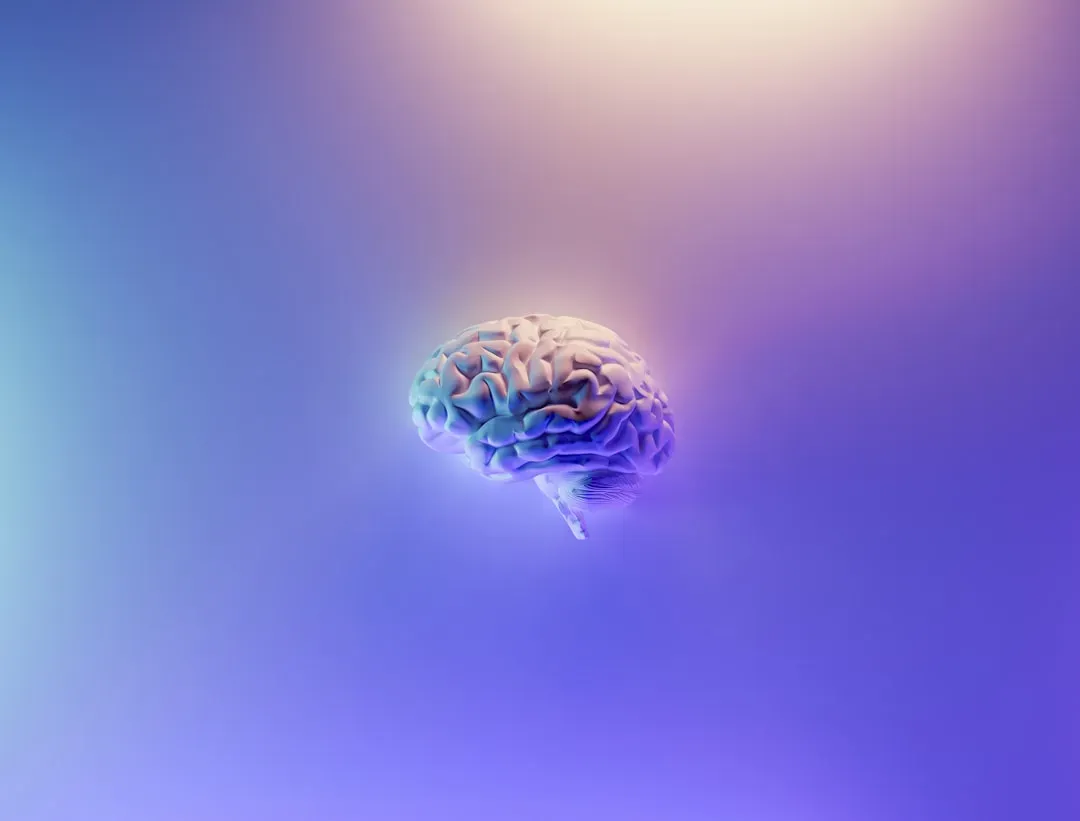
It’s tempting to imagine a special “memory room” in the brain, like a hard drive folder where everything is neatly stored, but that’s not how it works at all. Instead, memory is spread across many areas, each handling different parts of an experience. Visual details are shaped in one region, sounds in another, emotions in yet another, and your sense of where you are in space somewhere else again. When you remember, your brain has to reassemble these scattered pieces into a coherent scene.
Key players like the hippocampus, located in the temporal lobe, act a bit like an air traffic controller, helping link all those bits together into an event you can consciously recall later. The prefrontal cortex helps you pay attention, plan, and decide what matters enough to keep. Meanwhile, structures like the amygdala tag intense emotional moments so they’re more likely to stick. Memory is less like a filing cabinet and more like a living city at rush hour, with signals constantly moving, connecting, and changing their routes.
From Experience to Memory: The Encoding Process
Before anything can become a memory, it has to be encoded, and that depends heavily on what you pay attention to. Your brain is bombarded with more information than it could ever store, so it ruthlessly filters. If you’re half-listening in a meeting while scrolling your phone, your brain simply doesn’t encode most of what’s said, which is why it later feels like there was “nothing to remember.” The problem usually isn’t bad memory; it’s weak encoding.
Encoding is stronger when you process information deeply: connecting it to things you already know, putting it into your own words, or imagining vivid mental images. That’s why students who explain ideas to someone else tend to remember better than those who just reread notes. Emotion and surprise also boost encoding, which is why you can vividly recall where you were during a shocking event but not what you had for lunch last Tuesday. In a way, your brain is constantly asking, “Is this worth keeping?” and most of life gets quietly tossed into the background.
Short-Term vs. Long-Term Memory: The Brain’s Two Stages

When something first happens, it usually lands in a short-term or working memory system. This is the mental space you use to hold a phone number in mind for a few seconds or remember the start of a sentence long enough to understand the end. It’s limited, fragile, and easily wiped out by distraction. If you’ve ever walked into a room and instantly forgotten why you went there, you’ve felt how flimsy this stage can be.
Long-term memory is different: it’s more stable, more durable, and can last for years or even a lifetime. But not everything gets promoted from short-term to long-term. Repetition, emotional impact, and personal relevance help move information along that path. The shift from short-term to long-term isn’t like dragging files into a folder – it’s more like reinforcing a trail in the woods: every time you walk it, the path gets clearer and easier to follow.
Synapses and Neuroplasticity: How Memories Are Written in the Brain
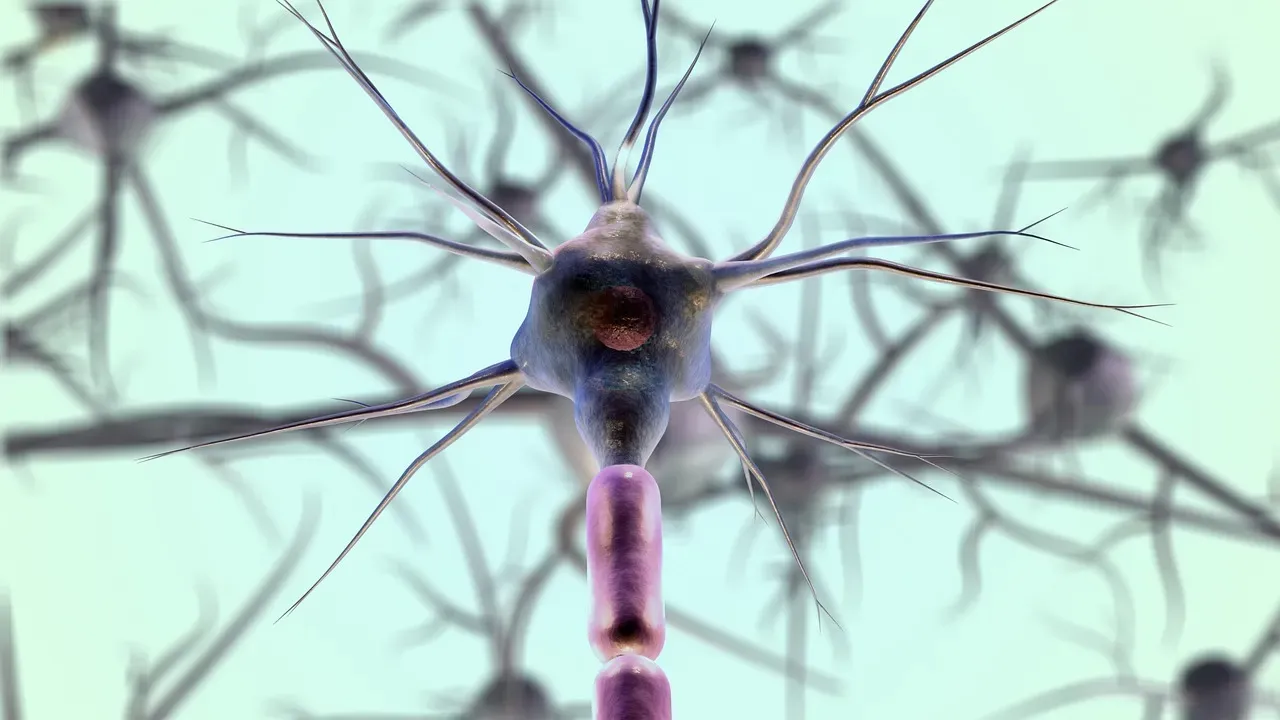
Under the hood, memories live in the connections between neurons, the tiny cells that communicate using electrical and chemical signals. When certain neurons fire together frequently, the connections between them strengthen, a phenomenon often summed up as “cells that fire together, wire together.” This strengthening can happen through changes in how sensitive a synapse is, or even in how many receptors it has to catch the chemical signals being sent.
Over time, those reinforced networks become the physical trace of a memory. Neuroscientists call this synaptic plasticity: the brain’s ability to change its wiring based on experience. This is why learning a new skill, like playing the piano or speaking another language, feels hard at first and then slowly becomes more automatic. You’re literally reshaping the pathways in your brain, turning rickety bridges into sturdy highways that are easier and faster to travel every time you use them.
The Hippocampus: Your Brain’s Internal Librarian
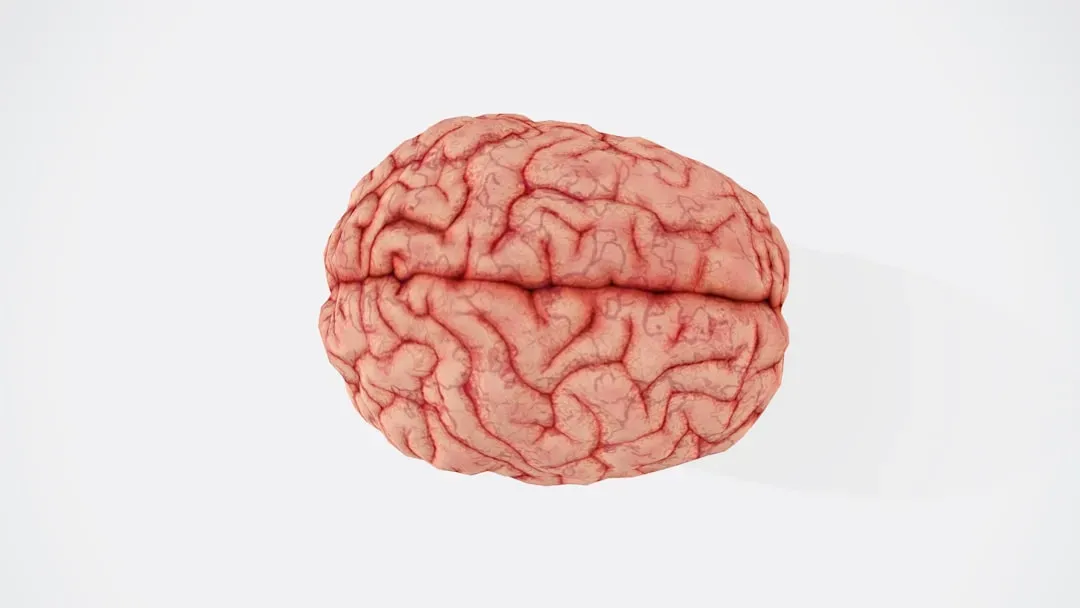
The hippocampus plays a crucial role in forming new episodic memories – those detailed recollections of specific events in your life. People with damage to this region can often remember old memories but struggle badly to form new ones, which shows how central it is for getting new experiences into long-term storage. It’s a bit like a librarian who doesn’t store every book personally but knows how to catalog and shelve them all over the library.
What’s fascinating is that the hippocampus seems especially involved when memories are still “fresh.” Over time, as memories are revisited and reactivated, their details become more distributed across the cortex, and they may rely less on the hippocampus. This process, called systems consolidation, is one reason older memories often feel fuzzier but also more stable in a general sense. You might forget the exact date of a childhood vacation but still remember the overall feeling of it, almost like your brain has saved the summary instead of the full recording.
Emotions, the Amygdala, and Why Some Memories Burn In

Not all memories are created equal, and emotion is one of the biggest deciding factors in what sticks. The amygdala, a small, almond-shaped structure deep in the brain, helps tag events with emotional significance. When something scares you, thrills you, or deeply moves you, stress hormones like adrenaline and cortisol surge, and the amygdala ramps up the brain’s encoding machinery. That’s why emotionally intense days tend to stand out long after ordinary ones blur together.
This can be a gift and a burden. Emotional tagging helps you remember things that matter for survival, like dangerous situations or important relationships. But in conditions like post-traumatic stress, those same systems can engrave certain moments so deeply that they replay again and again, often against your will. The brain is trying to say, “Never forget this; it might protect you,” even when that constant replay stops being useful and starts being painful.
Sleep and Memory Consolidation: What Happens at Night

While you sleep, your brain is surprisingly busy working on your memories. Studies using brain imaging and recordings have shown that during certain sleep stages, especially deep sleep and rapid eye movement (REM) sleep, patterns of neural activity from your day are replayed. It’s as if your brain is quietly rehearsing what happened, strengthening some connections and trimming others. This replay helps stabilize newly formed memories and integrate them into what you already know.
People who sleep after learning tend to remember better than those who stay awake for the same amount of time, which is why “cramming all night” so often backfires. Short naps can also help when they include deeper sleep stages. Sleep doesn’t just protect memories; it can also reorganize them, linking ideas in new ways. That might be part of why you sometimes wake up with a fresh solution to a problem that felt impossible the night before.
Recall, Reconstruction, and Why Memory Is Not a Perfect Recording

When you remember something, you’re not pressing “play” on a perfect recording. Instead, your brain is reconstructing the event using stored details, your current mood, your beliefs, and even hints from the present situation. This reconstruction is usually good enough that it feels real and continuous, but it leaves room for errors, distortions, and gaps you don’t even notice. The feeling of certainty you get from a vivid memory doesn’t guarantee accuracy.
Every time you recall a memory, it becomes briefly malleable again before it’s stored once more, a process sometimes called reconsolidation. During that window, new information, suggestions, or your own interpretations can subtly reshape it. That’s one reason different people can sincerely disagree about what happened in a shared event. Their brains have been editing the story every time they’ve told it or thought about it, gradually drifting apart like separate drafts of the same book.
Forgetting: Why It’s Not Always a Bad Thing

Forgetting often feels like failure – you can’t recall a name, you lose a detail, you blank on a fact you “should” know. But from the brain’s perspective, forgetting is useful and even necessary. If you remembered every tiny detail of every day, your mind would be overwhelmed with clutter. Forgetting helps your brain prioritize what’s useful right now and what can fade into the background. It’s more like tidying a room than losing treasures.
Memories can weaken if they’re rarely used, if they were weakly encoded to begin with, or if new similar information interferes with the old. Emotional distance and time also play big roles. Sometimes forgetting can be protective, softening the edges of painful experiences so they’re less raw. In other cases, targeted therapies try to work with reconsolidation processes to reduce the emotional punch of traumatic memories without erasing the facts, something researchers are still actively exploring.
Shaping Your Own Memory: Practical Ways to Help Your Brain

While you can’t control every quirk of your memory, you have more influence than it might seem. The basics still matter: regular sleep, physical activity, and a balanced diet all support the brain’s ability to encode and store information. Exercise, for example, promotes blood flow to the brain and supports growth factors that help neurons stay healthy and form new connections. What’s good for your heart is often good for your memory too.
On a more practical level, you can work with your brain instead of against it. Focus deeply on what you want to remember instead of multitasking. Use association – link new information to something you already know, place it in a mental story, or imagine it in a vivid, even ridiculous picture. Space your practice over time instead of cramming, and test yourself rather than just rereading. These strategies might sound simple, but they align closely with how the brain naturally builds and strengthens memory pathways.
In the end, your memories are not just files in your head; they’re the evolving story of who you are, constantly being updated, edited, and reinterpreted. Knowing how that story is built doesn’t make it any less meaningful – it can actually make it feel even more precious, because you realize how fragile and flexible it really is. When you think back on your own past later today, what will you notice that you never questioned before?