


Think back to a vivid childhood memory: the smell of your school cafeteria, the sound of your friend’s laugh, the exact color of the sky that day. You can almost feel yourself there, like a mental time machine. Now here’s the unsettling part: some of those details might never have happened the way you remember them.
Our memories feel like faithful video recordings, but they’re much closer to stories that get rewritten every time we tell them. Neuroscience over the past few decades has revealed something both fascinating and a little disturbing: your brain is brilliant at creating the feeling of truth, even when it quietly bends or invents the facts. Once I learned that, I stopped trusting my own certainty quite so much – and weirdly, that made life feel a bit more honest.
The Brain Doesn’t Record, It Reconstructs
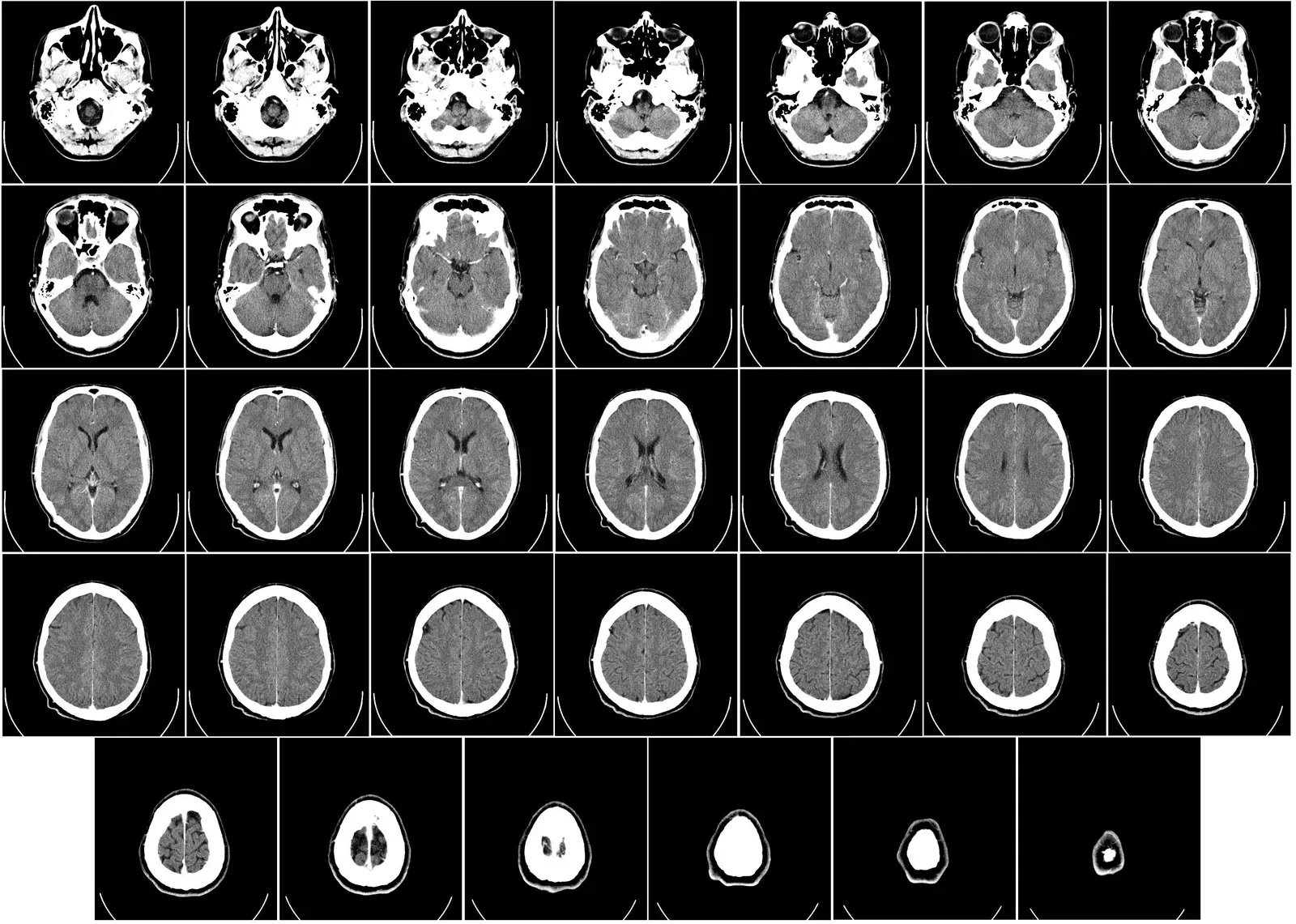
Here’s the first shock: your brain doesn’t store memories like files on a hard drive or clips in a video library. Instead, every time you remember something, your brain is actively rebuilding that moment from pieces scattered across many different regions – sights, sounds, emotions, and meanings all stitched together on the fly. It feels instant and seamless, but under the hood it’s more like a creative reconstruction than a replay.
This process is powerful because it lets you update memories with new context and lessons, helping you adapt to a changing world. But the same flexibility that lets you grow also opens the door to errors, gaps, and small distortions that can snowball over time. It’s a bit like retelling the same story at parties; each time you tweak a detail for clarity or drama, that version begins to feel like the real one. After enough retellings, you honestly believe it happened exactly that way.
The Hippocampus: Your Brain’s Story Stitcher
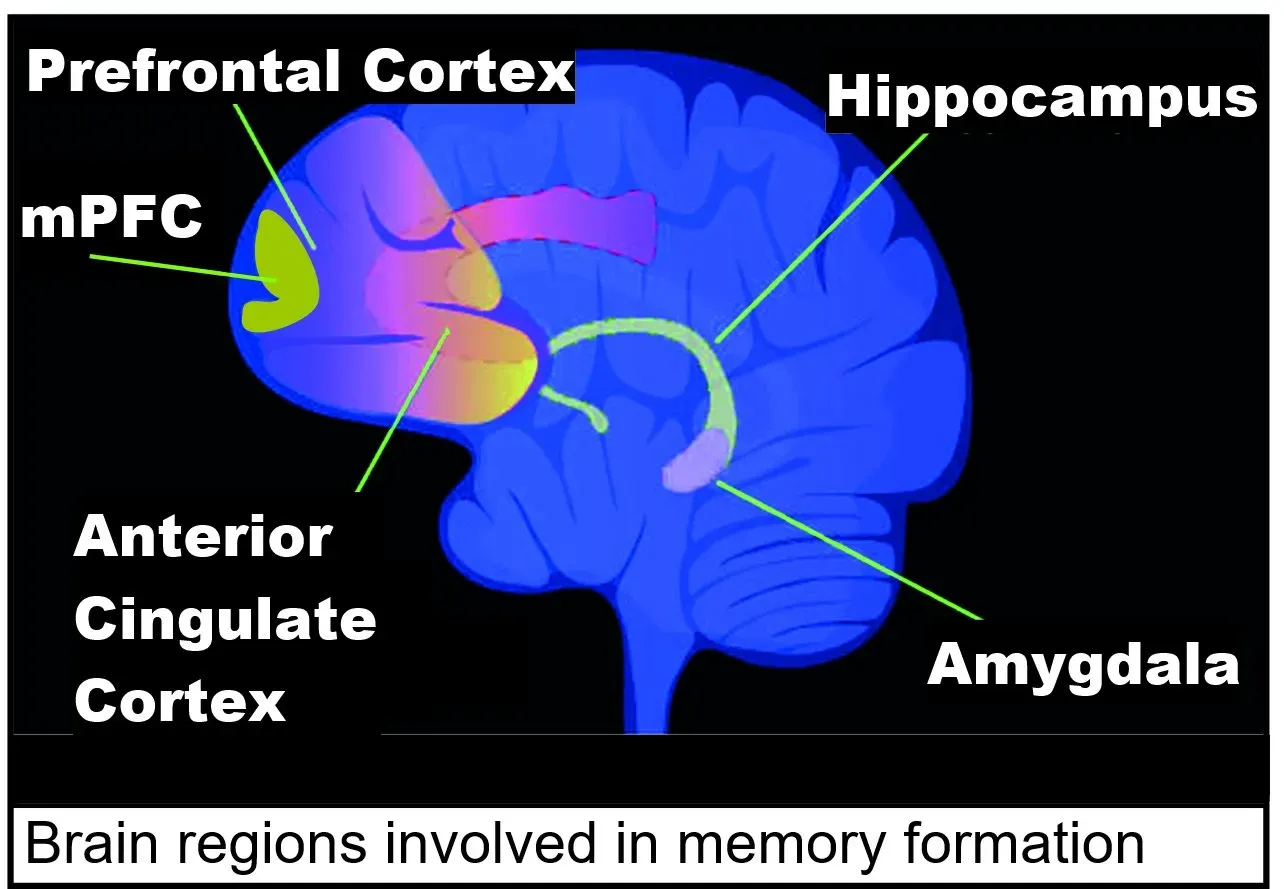
At the center of this whole operation is a small, seahorse-shaped structure deep in your brain called the hippocampus. It plays a crucial role in taking raw sensory experiences – what you saw, heard, felt – and binding them into a coherent event that you can later recall. Think of it as the editor that takes scattered scenes and cuts them into one continuous episode. Without a working hippocampus, people can experience the present but struggle to turn it into long-term memories.
The hippocampus doesn’t work alone, though. It coordinates with areas like the visual cortex at the back of your brain for images and the amygdala for emotional intensity. When a memory is especially emotional or surprising, the hippocampus gets a kind of priority boost to store it more deeply. That’s why many people can describe where they were during a shocking event years later. Ironically, those “flashbulb memories” feel the most certain, yet research shows their details can shift over time even while our confidence stays sky-high.
Emotion: The Glue That Makes Memories Stick (And Twist)

Emotion acts like a highlighter pen for experiences, telling your brain what’s worth saving. When something is scary, joyful, humiliating, or life-changing, your amygdala sends strong signals that help strengthen those memory traces. This is incredibly useful for survival: you want to remember which dog bit you or which street felt unsafe at night. Emotional events can seem larger, sharper, and more colorful in our minds, as if lit by a spotlight.
But that emotional boost doesn’t guarantee accuracy; it mostly guarantees intensity. Under stress or fear, your brain narrows its focus, sometimes sharpening one part of the scene while blurring the rest. You might remember an angry face in painful detail, but not the exact words spoken or who else was in the room. Over time, your mind can fill in those hazy corners with assumptions, stories you heard later, or your current feelings about the people involved – and you won’t feel those details as guesses, but as solid truth.
Filling In the Gaps: When Imagination Masquerades as Memory

Our brains hate gaps. When parts of an event are missing, the mind tends to quietly fill the holes with what “must have” happened, based on your expectations, beliefs, and experiences. That guesswork often happens outside your awareness. So later, when you replay the memory, you don’t see a rough sketch with question marks; you see a finished picture that feels complete and convincing, even though some of it was woven from imagination.
This is why two people can leave the same meeting and walk away with wildly different versions of what was said. Each brain reconstructs the event using its own assumptions, prior experiences, and emotional filters. Over time, if you keep rehearsing your version or talk about it with like-minded people, those guessed or invented elements can harden into what feels like unshakable fact. What began as a maybe can, with repetition, become your personal truth.
Suggestion, Social Pressure, and the Power of Leading Questions

Memories are especially vulnerable when they’re fresh or when you’re uncertain. Under those conditions, outside information can slip in and blend with your own recollection. Leading questions – even something as simple as asking how “fast” cars were going in an accident instead of how “slow” – can subtly nudge people toward remembering more damage than there actually was. The brain doesn’t label those later-added details as external; they get integrated into the story as if they were there from the start.
Conversations with friends, news reports, or even photos you see later can reshape how you remember an event. You might adopt someone else’s detail because it sounds familiar or fits your beliefs, and after a while you feel certain you personally saw or experienced it. Social pressure adds another layer: when everyone around you seems to recall something a certain way, it’s hard not to drift in that direction. Over time, your memory can adjust to match the group, and you’ll likely feel absolutely sure it has always been that way.
Why False Memories Feel So Convincing

One of the strangest things about false memories is that they don’t usually feel weak or vague. They can come with the same emotional punch, sensory richness, and gut-level certainty as genuine memories. That feeling of “I just know I was there” comes not from a perfect record, but from how fluently your brain can reconstruct the scene. The smoother the reconstruction, the more your mind interprets that ease as evidence that it really happened.
Confidence and accuracy are only loosely connected. People can be unsure about memories that are largely correct, and absolutely convinced about memories that are heavily distorted or completely fabricated. This mismatch can create tension in relationships, especially when two people are sure about incompatible versions of the same event. In those moments, it helps to remember that both of you might be honestly reporting what your brains have constructed, rather than one being truthful and the other lying.
Protecting Yourself: Healthy Skepticism About Your Own Memories

Knowing that your memories can be wrong is not meant to make you paranoid; it’s meant to make you wiser. Instead of treating every vivid recollection as unquestionable, you can hold it with gentle curiosity. You might catch yourself saying things like “this is how I remember it, but I know my brain tends to fill gaps” or “I feel sure, but I’m open to other versions of what happened.” That small shift in attitude can defuse a lot of conflict and protect you from false certainty.
Practically, it can help to write down important events soon after they happen, so later reconstructions have something stable to anchor to. Comparing memories calmly with others, especially when everyone agrees to the idea that nobody’s mind is perfect, can create a more accurate shared picture. Most of all, recognizing that your mind is both storyteller and witness lets you treat your memories with respect but not blind faith – like a friend you trust, but still sometimes double-check.
Living with a Storytelling Brain

Our brains give us the priceless ability to revisit the past, learn from it, and carry it into the future as stories that guide who we are. At the same time, the very mechanisms that make those stories rich and meaningful also make them fragile, flexible, and sometimes flat-out wrong. Remembering is not about pressing play on a perfect recording; it’s about rebuilding the past with the tools and biases of the present moment.
Once you see memory as a living, changing story rather than a fixed archive, you can be both grateful for it and a little cautious. You can honor how real your experiences feel, while leaving space for the possibility that some details have shifted in the retelling. In the end, the question isn’t whether your memories are flawless, but whether you’re willing to hold them lightly enough to keep learning. How many of your “clearest” memories might be more flexible than you ever imagined?


