Imagine a world where the temperature drops below freezing, the wind howls, and food becomes a rare treasure. For most of us, winter is a time to bundle up, stay indoors, and dream of spring. But for insects—those tiny, delicate creatures buzzing through summer gardens—the cold months are a battle for survival. Yet, year after year, they return, seemingly unfazed by the harshest season. How do they do it? The secrets of insect survival in winter are as surprising as they are ingenious, revealing a world of hidden strategies, ancient instincts, and incredible resilience. Let’s journey into the frosty underworld of bugs and see how they defy the odds.
The Challenge of Winter for Insects
Winter is more than just chilly; for insects, it’s a gauntlet of challenges. The cold can freeze their bodily fluids, food sources vanish, and predators grow desperate. Unlike mammals, insects can’t rely on body heat or thick fur to shield them. Instead, they face a stark choice: adapt, migrate, or perish. Insects must prepare for winter long before the first snowflake falls. Their survival depends on timing, resourcefulness, and a toolkit of evolutionary tricks that have been refined over millions of years. For many, winter is not just a season—it’s a test of life or death.
Diapause: The Insect’s Secret Pause Button
One of the most astonishing ways insects survive winter is through diapause, a kind of suspended animation. It’s like pressing a pause button on life itself. During diapause, an insect’s development halts, metabolism slows, and all non-essential activity shuts down. This state can last for weeks or even months, allowing insects to wait out the coldest conditions. For example, the monarch butterfly’s caterpillars enter diapause as pupae, remaining dormant until spring brings warmth and food. Diapause is triggered by environmental cues, like shorter days and dropping temperatures, making it a finely tuned response to the rhythm of the seasons.
Antifreeze Proteins: Nature’s Frost Defenders
You might be surprised to learn that some insects have evolved their own version of antifreeze. Certain beetles, moths, and flies produce special proteins that prevent ice crystals from forming inside their bodies. These antifreeze proteins bind to tiny ice particles, stopping them from growing and puncturing delicate cells. This remarkable adaptation means some insects can survive at temperatures well below freezing. The snow flea, for instance, can hop around on icy surfaces thanks to antifreeze compounds in its blood. It’s a bit like having your car engine protected on the coldest morning, except these insects invented it first.
Burrowing and Shelter: Underground Hideaways
When temperatures plunge, some insects don’t try to resist the cold—they escape it. Many dig deep into the soil, hide under rocks, or seek shelter in tree bark. By burrowing underground, insects like the cicada and certain beetle larvae find a stable, insulated environment where temperatures remain above freezing. Even a few inches of soil can make the difference between life and death. Some ants build elaborate chambers below ground, while others, like the woolly bear caterpillar, curl up under leaf litter. These hideaways are nature’s sleeping bags, keeping the cold at bay until spring returns.
Migration: The Long Journey South
Not all insects stay put when winter arrives. Some, like the famed monarch butterfly, embark on epic migrations to warmer climates. Monarchs travel thousands of miles from North America to central Mexico, navigating by the sun and Earth’s magnetic field. This journey is not just a quest for warmth—it’s a race against time and exhaustion. Dragonflies and some species of moths also migrate, sometimes in vast swarms. These migrations are perilous, but they offer a chance for survival in lands where flowers still bloom. Migration is a bold strategy, reserved for those with wings strong enough for the journey.
Eggs: Waiting Out Winter’s Fury

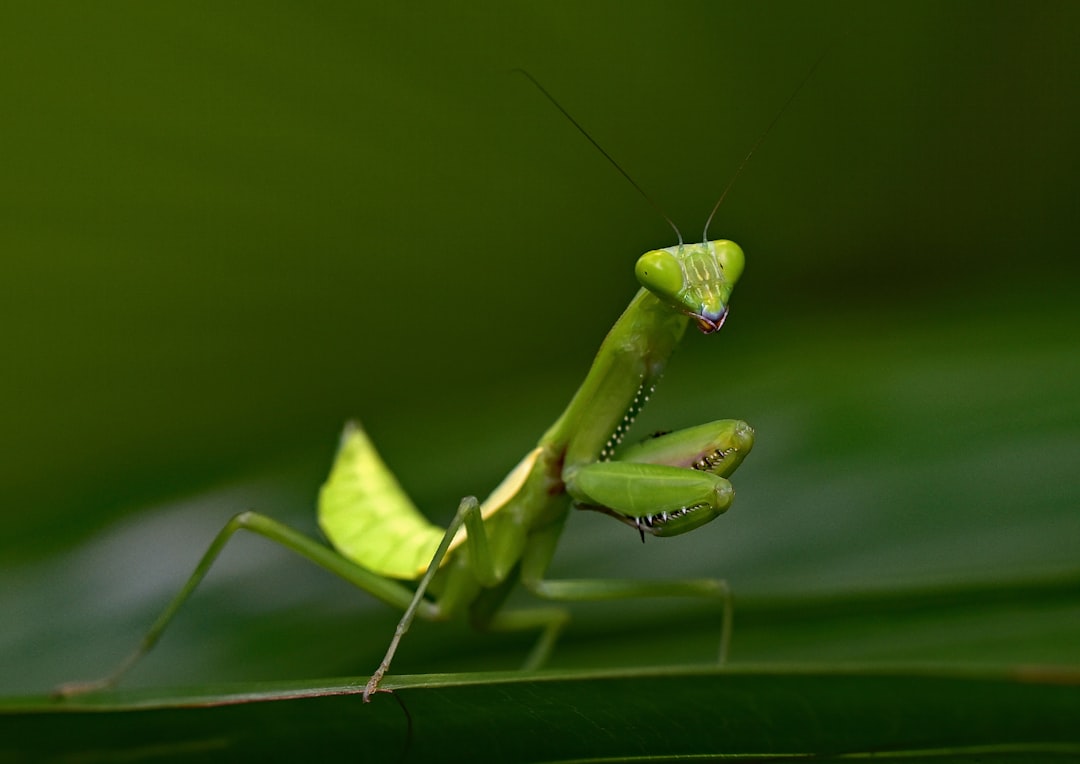
For many insects, winter is endured not as adults, but as eggs. By laying eggs in hidden, protected places, insects like grasshoppers, praying mantises, and some butterflies ensure the next generation will hatch when conditions improve. These eggs are often coated with tough shells or special chemicals that resist freezing and dehydration. Some species even time their egg-laying so the young emerge just as spring provides fresh food. It’s a patient, passive approach—like planting seeds in autumn and trusting in the promise of spring. The cycle continues, quietly, beneath the snow.
Larval Hibernation: Sleeping Through the Storm
Some insects spend winter as larvae, essentially sleeping through the coldest months. The woolly bear caterpillar is a classic example, curling up under leaf litter and freezing almost solid. Thanks to glycerol and other chemicals in their bodies, these caterpillars don’t suffer cell damage, even when ice forms inside them. Come spring, they thaw out and continue their transformation into moths. This larval hibernation is a blend of bravery and biology, allowing insects to ride out winter in a half-dreaming state, waiting for the sun to return.
Supercooling: Defying the Freezing Point

Supercooling is a mind-bending trick that lets insects survive in temperatures below freezing without turning to ice. By eliminating impurities and controlling water content, some insects can lower the freezing point of their bodily fluids. This means they remain liquid, even as the world around them turns to ice. The goldenrod gall fly, for instance, survives inside plant stems by supercooling and producing cryoprotectants. It’s a delicate balance—one stray ice crystal and their tissues could be destroyed. Supercooling is nature’s high-stakes gamble, with the ultimate prize: survival.
Cluster Together: Power in Numbers
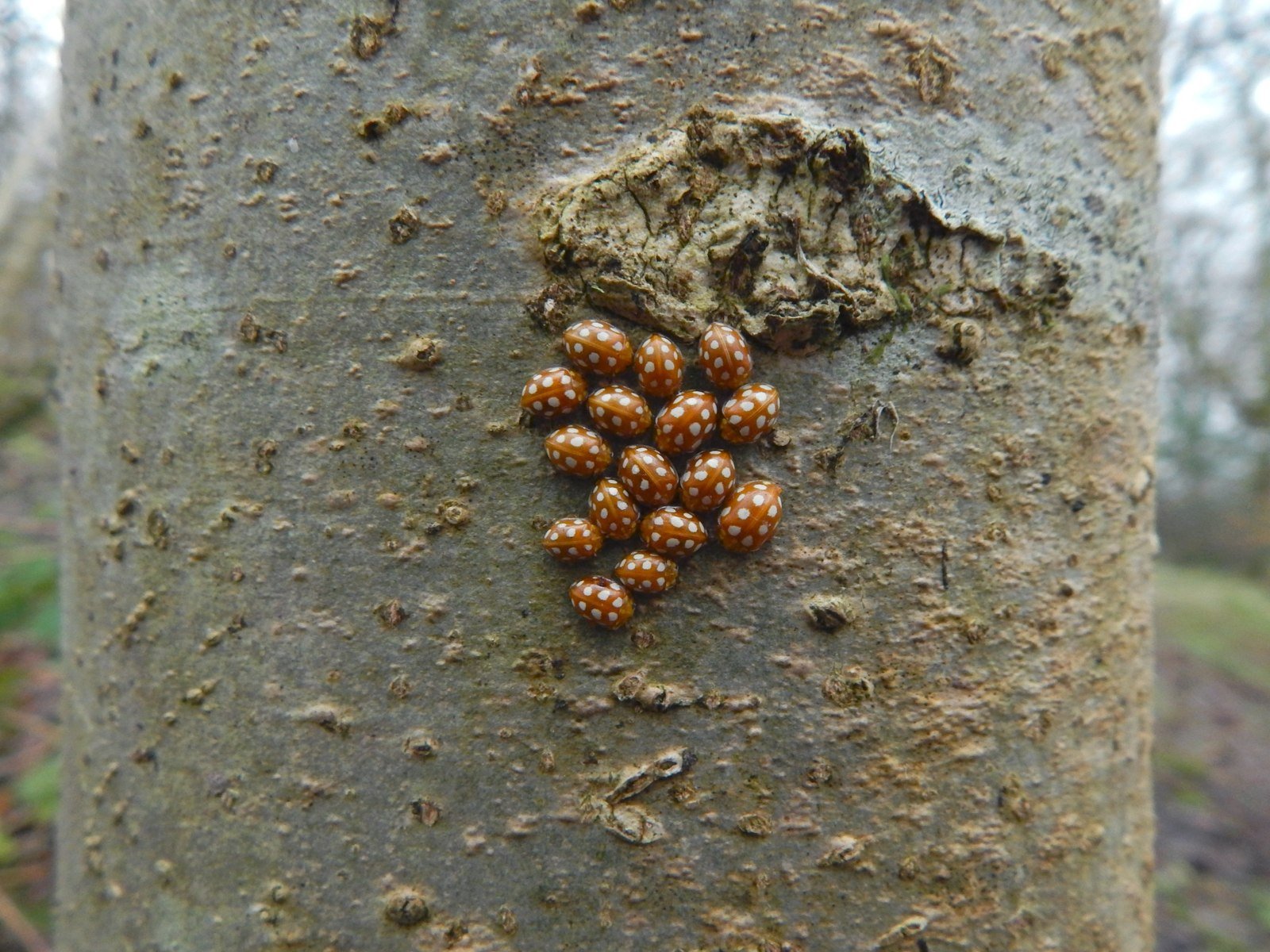
Sometimes, survival is a team effort. Honeybees, ladybugs, and some butterflies huddle together in large clusters during winter. By sharing body heat and minimizing exposure, these groups can keep temperatures inside the cluster much higher than the freezing air outside. In a beehive, worker bees vibrate their wings to generate warmth, keeping the queen and brood cozy through the coldest nights. Ladybugs gather by the thousands in crevices or under bark, forming living blankets. It’s a strategy that proves there’s strength in numbers, even for creatures so small.
Using Human Habitats: The Uninvited Guests
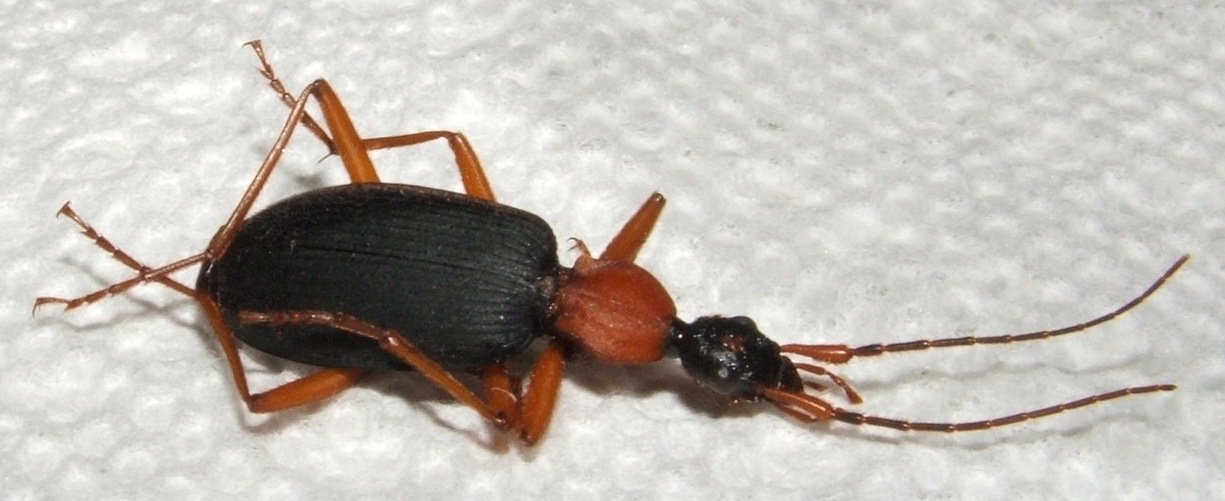
Not all insects stay hidden in the wild. Some have learned to exploit human homes and buildings as winter shelters. Boxelder bugs, stink bugs, and Asian lady beetles often invade attics, basements, or wall crevices, riding out the cold in relative comfort. While this isn’t always welcome news for homeowners, it’s a testament to insect ingenuity. Our walls, windows, and eaves become their survival zones, blending the natural and human worlds in ways both surprising and clever.
Changing Body Chemistry: Winterizing from Within
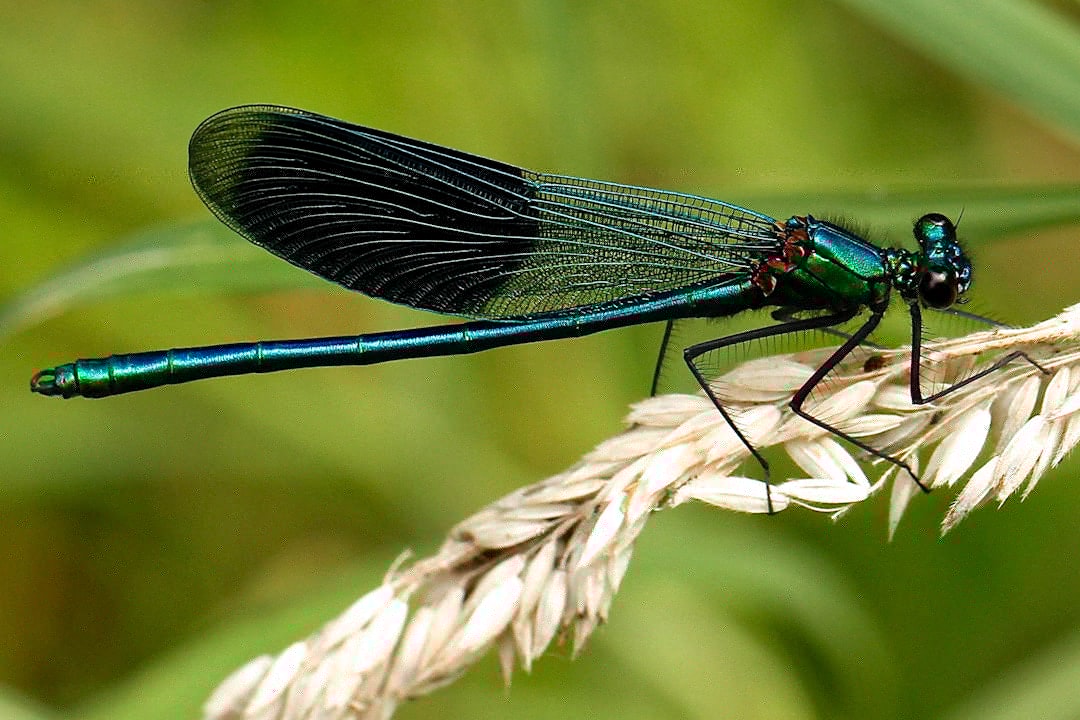
To survive freezing temperatures, many insects undergo dramatic changes inside their bodies. They accumulate sugars, alcohols, and other compounds that act as natural antifreeze, protecting cells from ice damage. Glycerol is a common protective chemical, turning insect blood syrupy and resistant to freezing. These biochemical changes aren’t random—they’re carefully timed, often triggered by shorter days and cooler nights in autumn. The result is an internal “winter coat,” invisible but powerful enough to ward off the worst of the cold.
Altering Life Cycles: Timing Is Everything
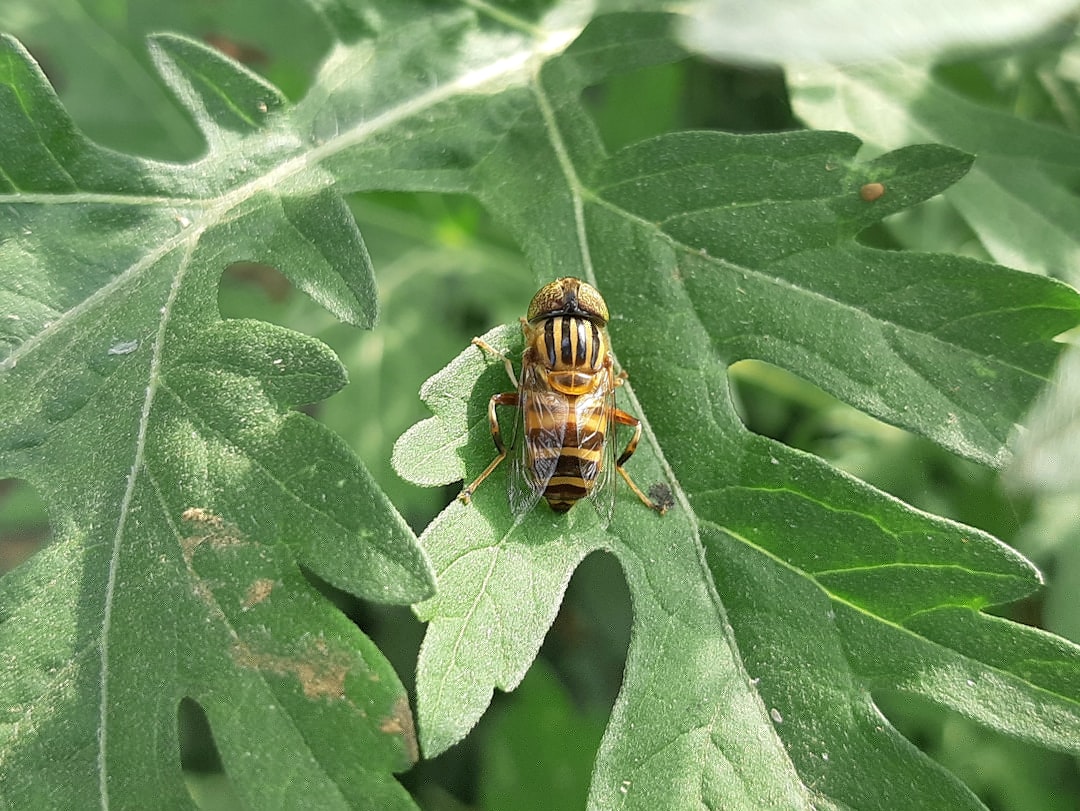
Insects have mastered the art of timing. Some speed up their development to fit in an extra generation before winter, while others slow down, entering dormancy early to avoid late-season frosts. The gypsy moth, for example, lays eggs in late summer that remain dormant until spring. Timing is a survival skill, shaped by evolution and honed by experience. Miss the window, and the next generation may not survive. Get it right, and the lineage continues, year after year.
Reducing Water Loss: Staying Hydrated in the Cold

Winter air is dry, and dehydration is a constant threat. Insects combat this by sealing their bodies with waxy coatings, reducing the size of breathing holes (spiracles), and clustering together to share moisture. Some beetles and caterpillars even absorb water from snow or ice when temperatures allow. These adaptations help insects maintain the delicate balance of water inside their bodies, preventing fatal desiccation during months when liquid water is scarce.
Feeding on Available Resources: Making Do with Less
While many insects go dormant, some remain active and must find food during winter’s lean times. Snow fleas and winter moths feed on algae, fungi, or decaying plant matter, scraping out a living in places most creatures avoid. Others, like certain wasp species, rely on stored food or parasitize other overwintering insects. These strategies require flexibility and tenacity, a willingness to eat whatever is available when choices are few.
Adapting Shape and Color: Camouflage and Compactness
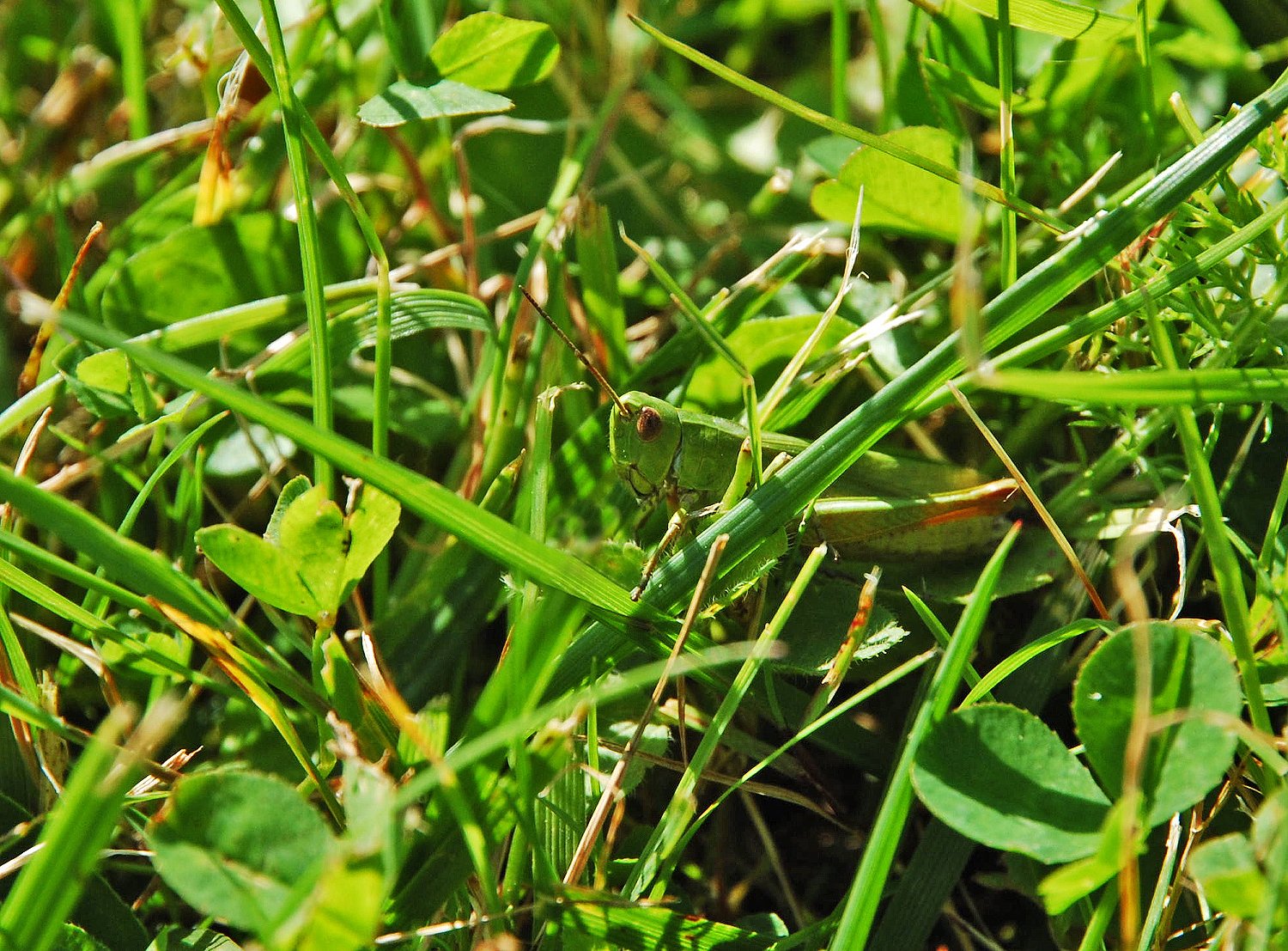
Some insects change their appearance to survive winter. By adopting earth-toned colors, they blend into dead leaves or bark, avoiding hungry predators. Others, like the golden tortoise beetle, flatten their bodies to squeeze into tight spaces. Compact shapes reduce heat loss and make it easier to hide. These physical adaptations are subtle but vital, turning insects into masters of disguise and survival.
Returning with Spring: The Grand Awakening
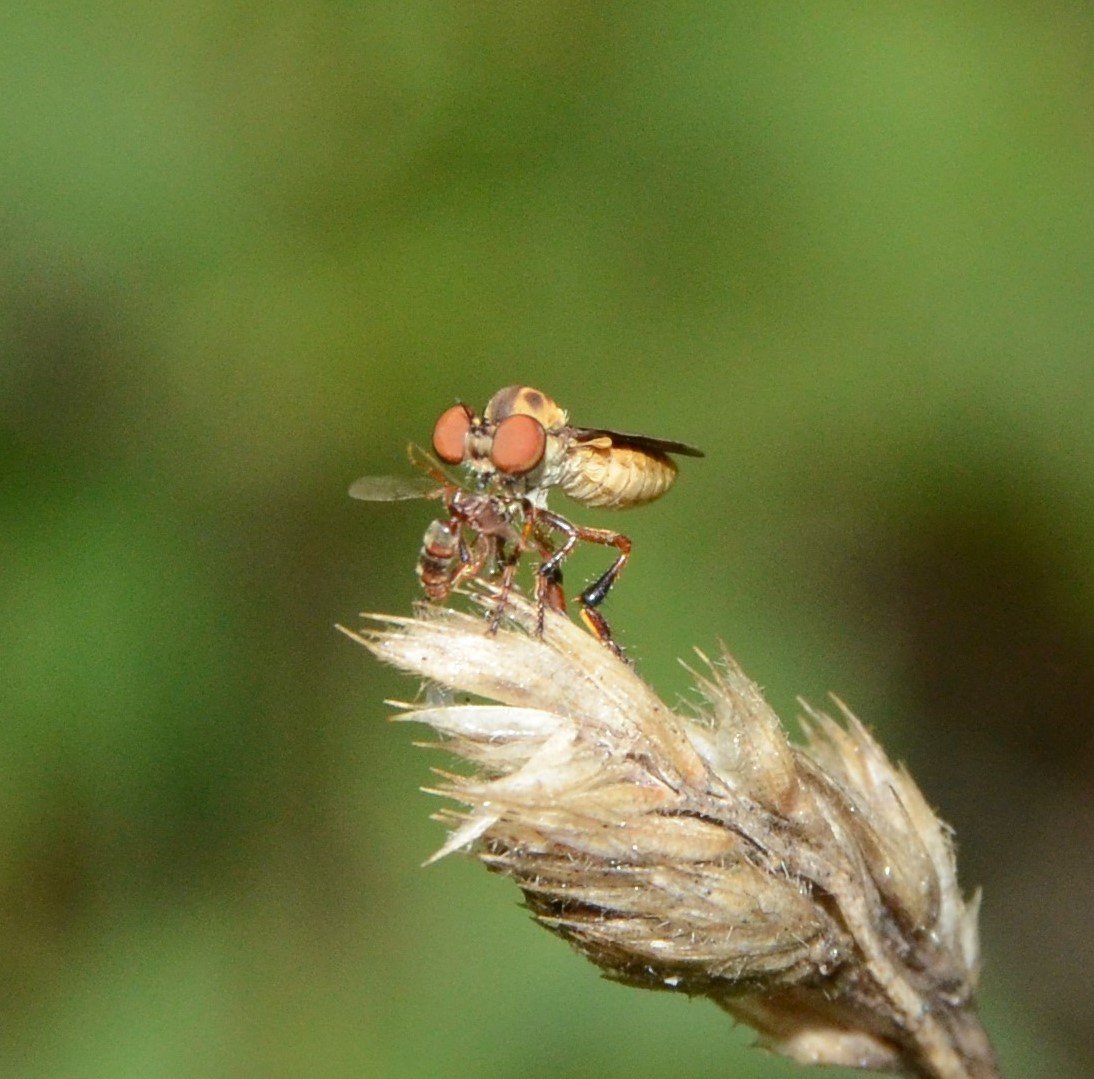
As winter loosens its icy grip, insects emerge from their hiding places in a burst of activity. Some, like stoneflies and mayflies, are among the earliest to appear, signaling the change of season. Their arrival is a marvel of timing; they sense temperature shifts, moisture, and even the angle of sunlight. This grand awakening fills forests, fields, and gardens with new life, a testament to the patience and resilience that carried them through the dark months.
Specialists vs. Generalists: Different Paths to Survival
Not all insects use the same strategies to survive winter. Specialists have finely tuned methods, like the spruce budworm, which can only overwinter on certain trees. Generalists, on the other hand, use a wide range of tactics and can survive in many environments. This diversity of strategies means that, no matter how harsh the winter, some insects always find a way through. It’s a mosaic of survival stories, each unique and fascinating.
Extreme Survivors: The Champions of Cold
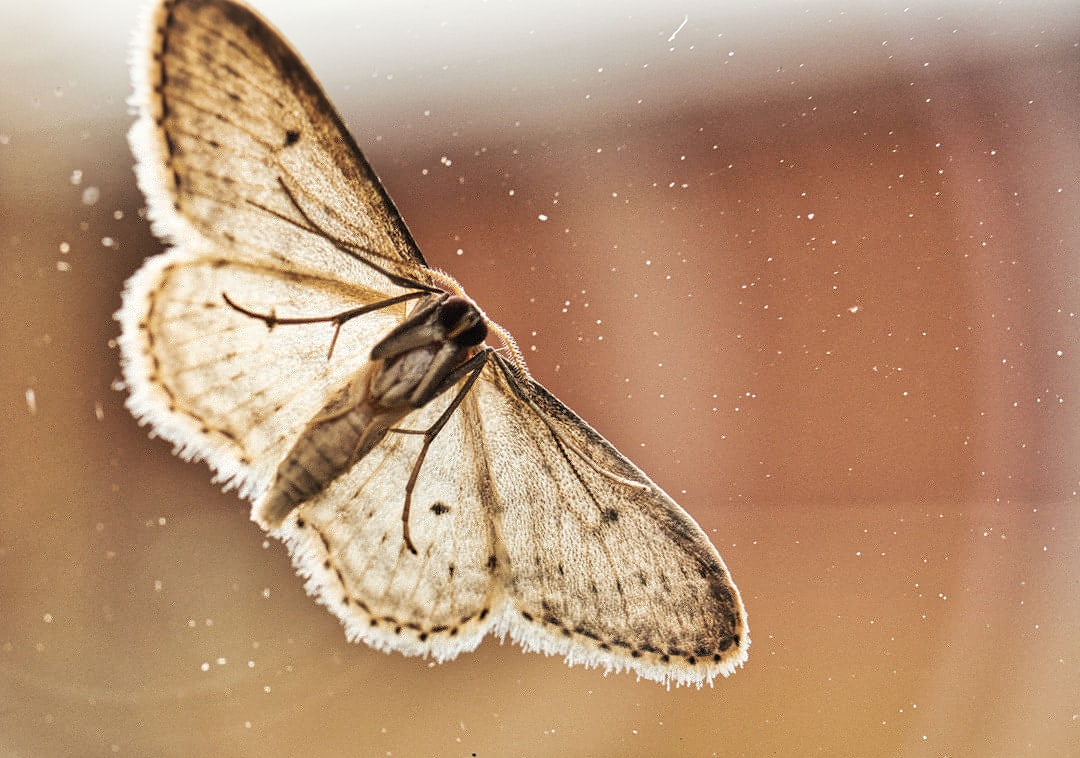
Some insects take winter survival to the extreme. The Arctic woolly bear moth spends most of its life frozen, thawing out for a few weeks each summer to feed and grow. After several years of this cycle, it finally pupates and emerges as an adult. These extreme survivors push the limits of what life can endure, showing that even in the coldest places on Earth, insects find a way to persist.
Lessons from Insect Resilience
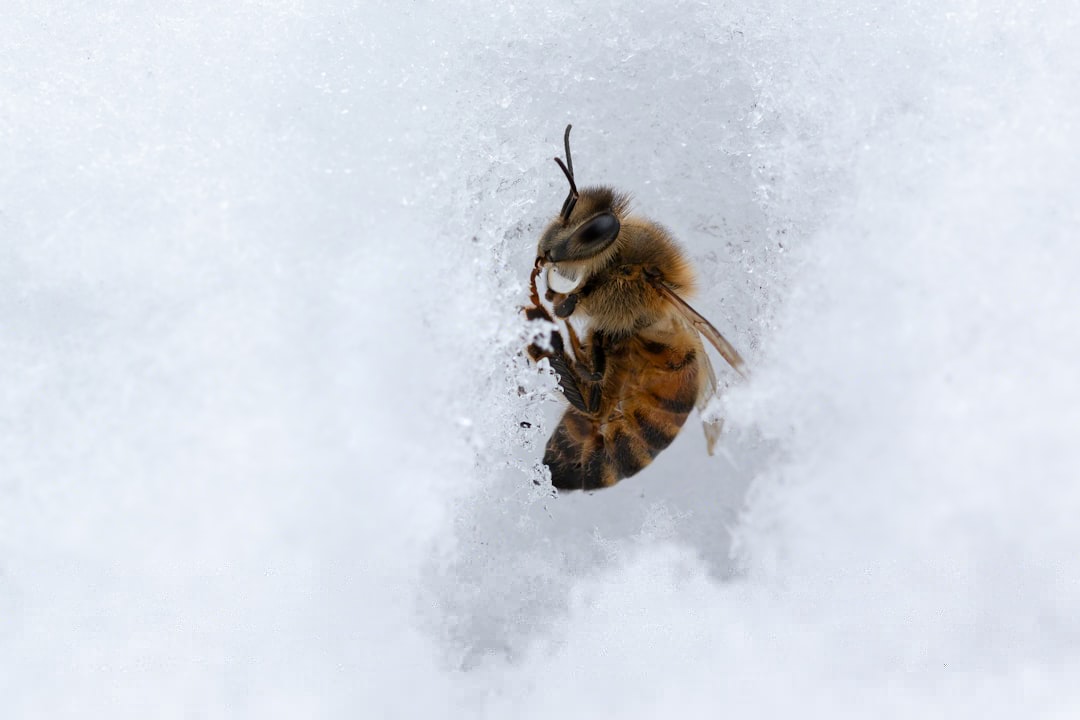
The story of how insects survive winter is more than just a tale of endurance; it’s a lesson in adaptability, patience, and creative problem-solving. Insects remind us that even the smallest creatures can overcome the biggest challenges. Their strategies inspire scientists searching for new ways to preserve food, treat frostbite, or design better insulation. Above all, insects show us that survival is about flexibility and hope, even in the face of darkness and cold. What hidden strengths might we discover in ourselves if we looked to the insect world for inspiration?