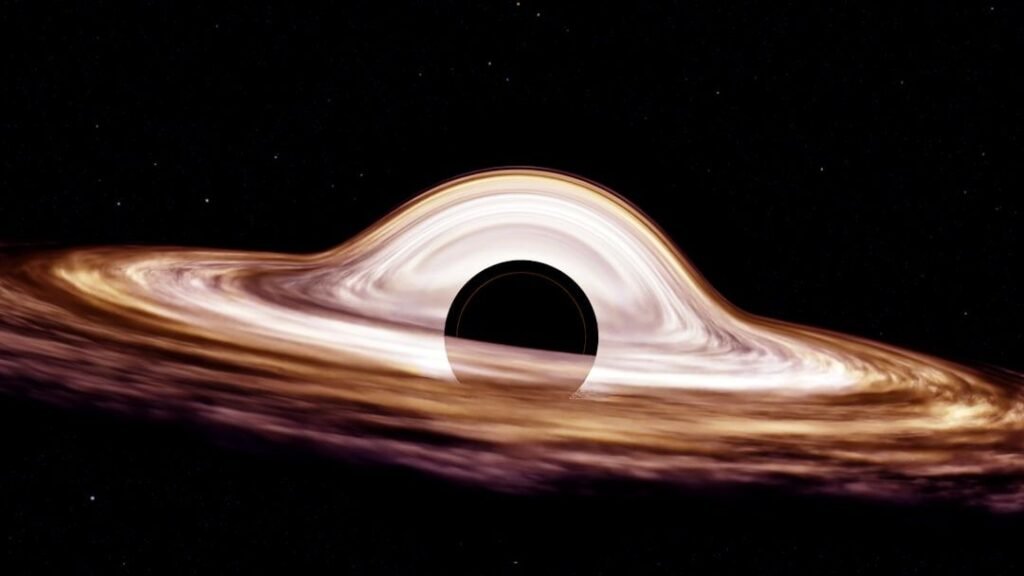

Imagine dropping a marble onto a stretched bedsheet. The heavier the marble, the deeper the dent, and the more anything rolling nearby gets pulled toward it. Now replace the bedsheet with the universe and the marble with a black hole. That’s the strange, beautiful heart of how black holes bend space and time.
Black holes sound like pure science fiction: invisible monsters in the dark, swallowing anything that strays too close. But the real story is even more mind‑bending and, in a way, more elegant. You don’t need a physics degree to grasp the basics; you just need a few good mental pictures and a bit of curiosity about how the universe really works.
What Is Space-Time, Really?
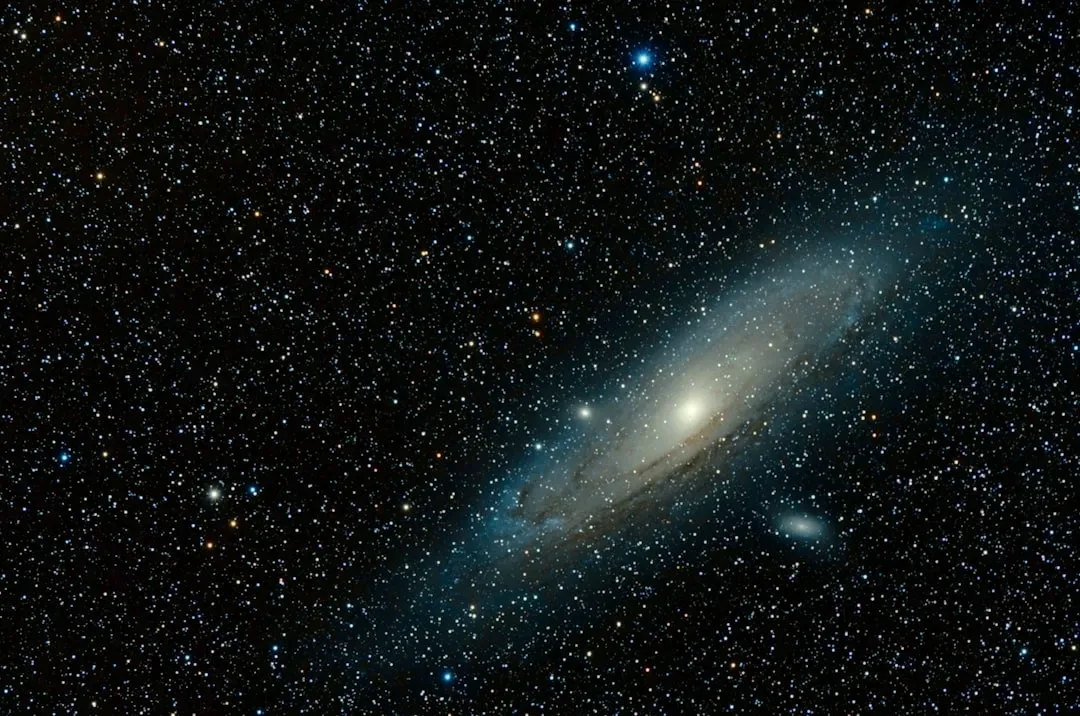
It helps to start with a slightly uncomfortable idea: space and time aren’t two separate things. They’re woven together into one stretchy, dynamic fabric that physicists call space-time. Think of it like a vast four‑dimensional stage where every planet, star, and black hole is both standing on the stage and reshaping it at the same time.
When there’s no matter or energy around, this space-time fabric would be perfectly flat and boring. But add something massive, like Earth or the Sun, and the fabric curves around it. Time itself slows down slightly near that curve, and paths that light and objects take are gently bent. We don’t just move through space; we’re always moving through time too, and gravity is what happens when the stage we’re walking on is warped.
Einstein’s Big Idea: Gravity Is Curved Space
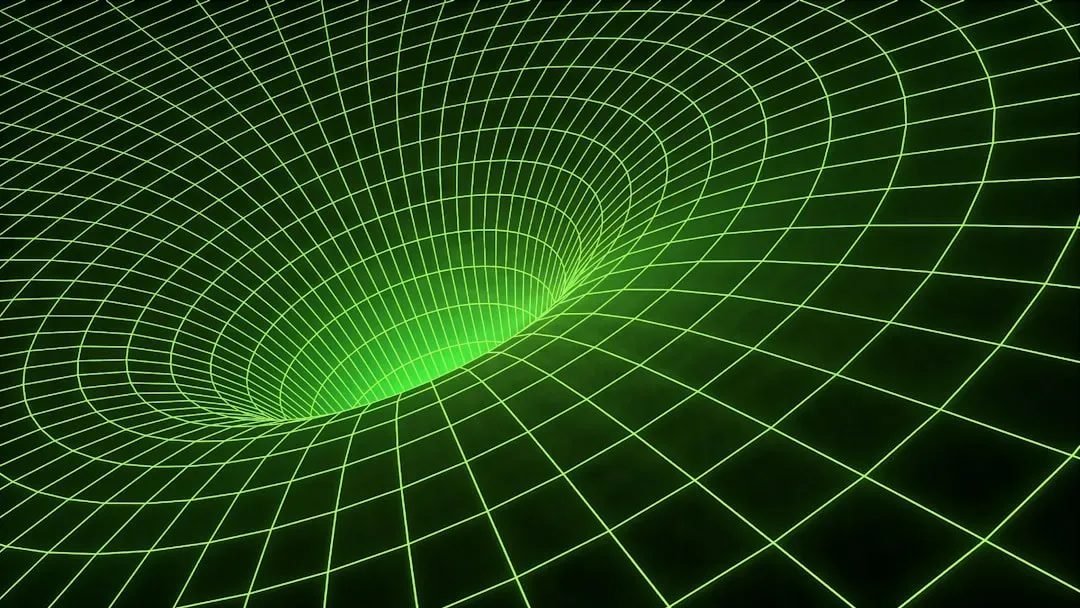
Before Einstein, gravity was thought of as a mysterious invisible force that pulled objects together, like a magnet you couldn’t see. Einstein turned that picture inside out. He proposed that what we feel as gravity is actually just the result of space-time being curved by mass and energy. Objects aren’t really being “pulled”; they’re following the straightest possible paths through a curved landscape.
This is where our bedsheet analogy really kicks in. Place a bowling ball in the middle of a trampoline and roll a marble nearby. The marble curves around not because the ball reaches out and grabs it, but because the surface is bent. In the same way, Earth orbits the Sun because the Sun bends space-time around it, and Earth’s “straight” path through that curved region looks like an orbit. Einstein’s wild idea, tested again and again since, is that gravity is geometry.
How Black Holes Form: Gravity Gone Extreme
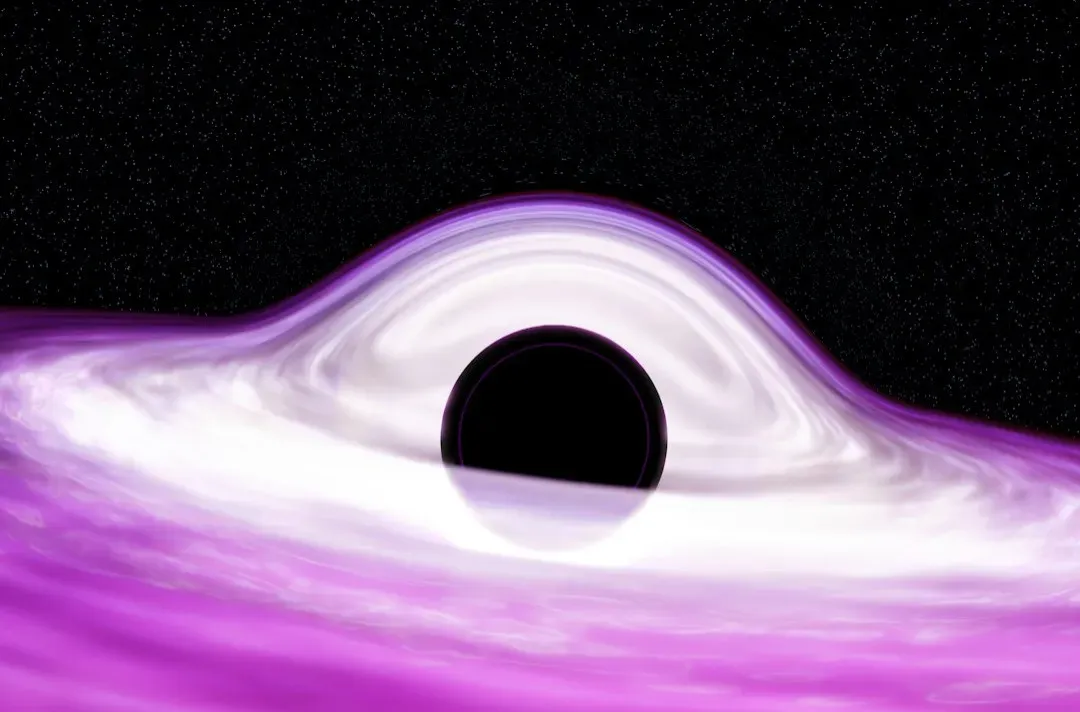
Black holes are what you get when gravity goes to the absolute extreme. Most often, they’re born when a massive star runs out of fuel, can no longer support its own weight, and collapses in on itself. If the core that’s left is heavy enough, gravity wins completely and keeps pulling inward with no known force able to stop it.
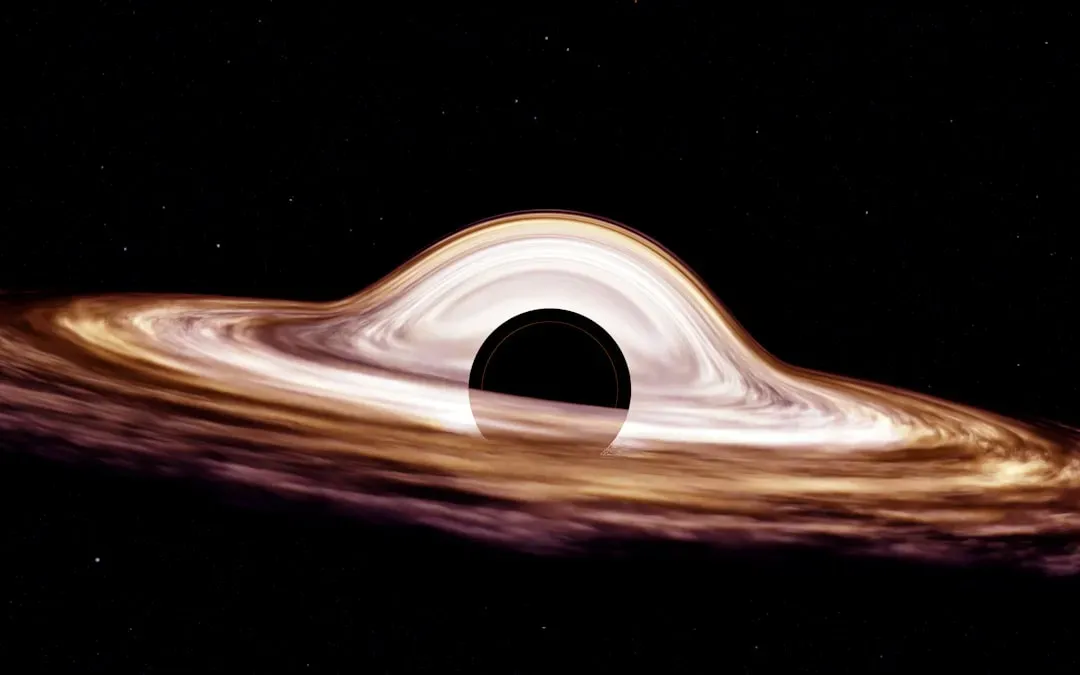
As the star collapses, its mass gets squeezed into an incredibly tiny region, and space-time around it becomes violently curved. Instead of a gentle dip like a bowling ball on a trampoline, it becomes more like a bottomless pit in that sheet. The result is a region where the curvature of space-time is so intense that not even light, the fastest thing in the universe, can escape once it gets too close. That’s when a black hole is truly born.
The Event Horizon: The Point of No Return
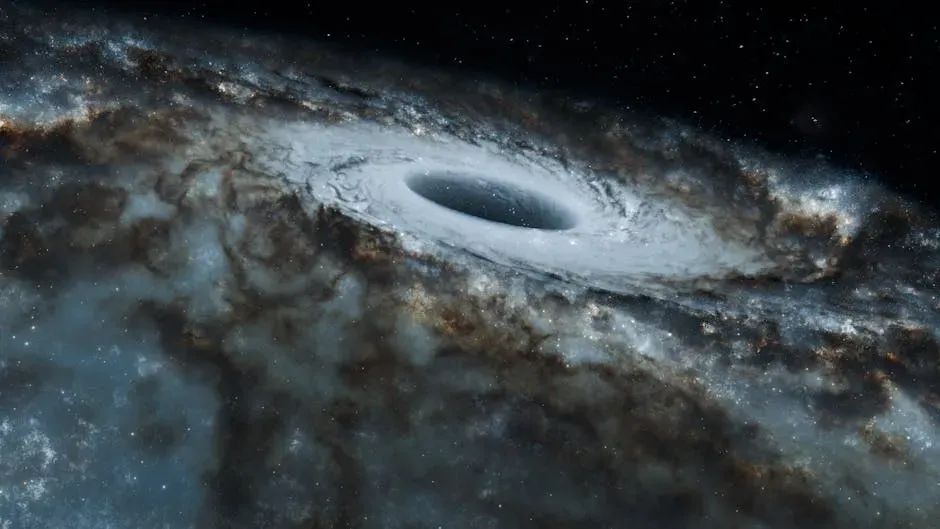
The “surface” of a black hole is not a solid shell but an invisible boundary called the event horizon. Cross this line, and every possible path you could take through space-time curves inward toward the center. The event horizon isn’t a wall; it’s more like a cliff edge that you can’t see until it’s too late, defined purely by the geometry of space and time.
From the outside, anything approaching the event horizon appears to slow down, dim, and almost freeze in time due to intense gravitational time dilation. To a distant observer, you’d never quite see an object cross that boundary; it would just fade away. Inside the event horizon, all roads lead to the center, called the singularity, where our current understanding of physics breaks down and the curvature of space-time becomes effectively infinite.
How Black Holes Bend Light and Time
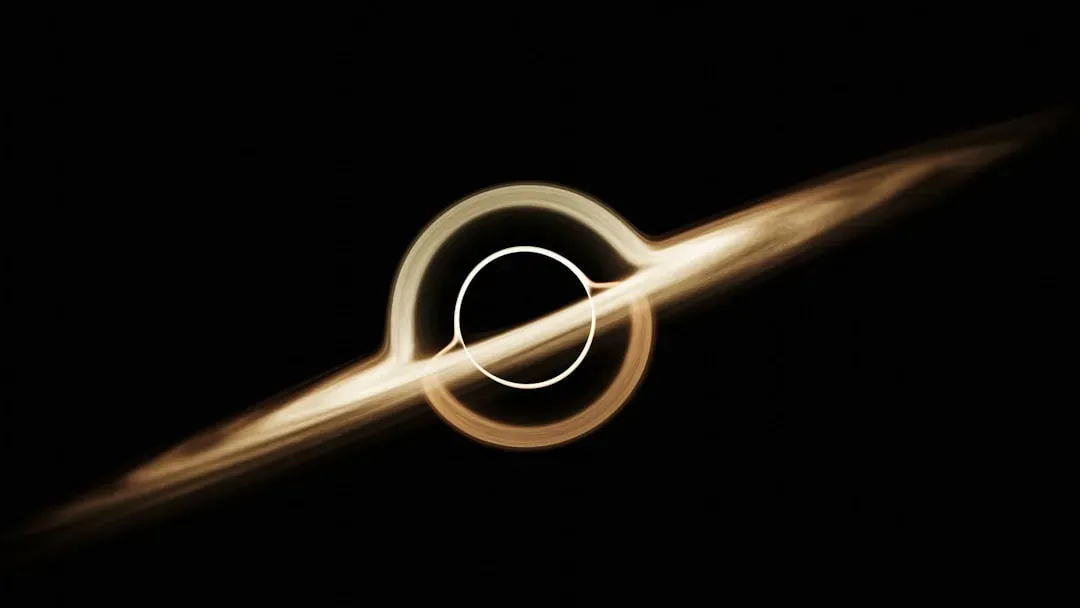
Because black holes warp space so intensely, they also twist the paths that light takes. Light traveling near a black hole can be bent around it, creating cosmic mirages called gravitational lensing. Astronomers have actually seen background stars and galaxies appear stretched or multiplied because their light passed near massive objects, including suspected black holes, on the way to us.
Time is just as affected. The closer you get to a black hole, the slower time runs compared with far away regions. If you orbited safely near a black hole for what felt like a few hours, people back on Earth could experience many more hours, days, or even years depending on how close you were. This isn’t a science‑fiction trick; time dilation near massive objects has been measured even around Earth using precise clocks on satellites and airplanes. Black holes simply push this effect to the limit.
What Happens If You Fall Into a Black Hole?
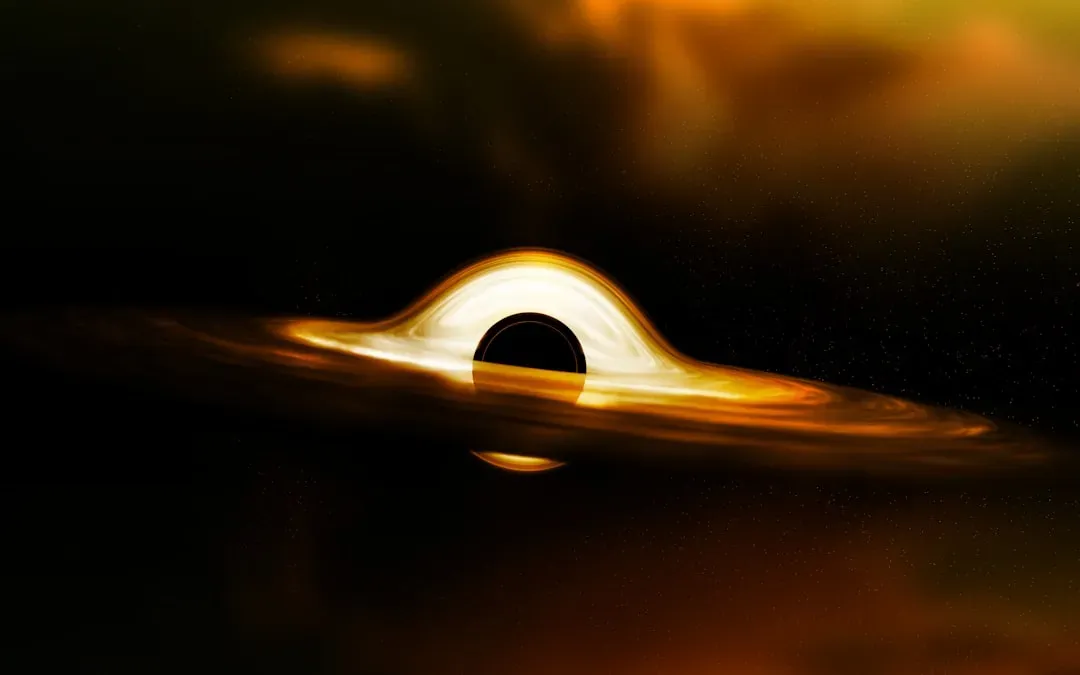
This is where things get both fascinating and a little unsettling. If you fell feet‑first toward a small black hole, the gravity pulling on your feet would be much stronger than the gravity pulling on your head. That difference would stretch you in one direction and squeeze you in others, a process researchers sometimes describe with dark humor as being pulled into a long, thin strand. Larger black holes spread this effect out over more distance, so you might not feel anything dramatic at the horizon itself.
From your own point of view, you’d cross the event horizon without any special fireworks, but you’d be unable to turn back. Every possible future path leads you inward until you reach the central region where known physics can’t tell us what truly happens. Some ideas suggest that quantum effects might soften the singularity, but those are still open questions. What’s clear is that the journey is a one‑way ticket, and the familiar rules of space and time stop making sense in the way we’re used to.
How We Know Black Holes Are Real
For a long time, black holes were just strange predictions on paper, but over the past few decades the evidence has become overwhelming. Astronomers have tracked stars whipping around invisible objects in our galaxy’s center at extreme speeds, indicating something incredibly massive and compact must be there. The only realistic explanation that fits the data is a supermassive black hole millions of times heavier than the Sun, quietly warping space-time at the core of the Milky Way.
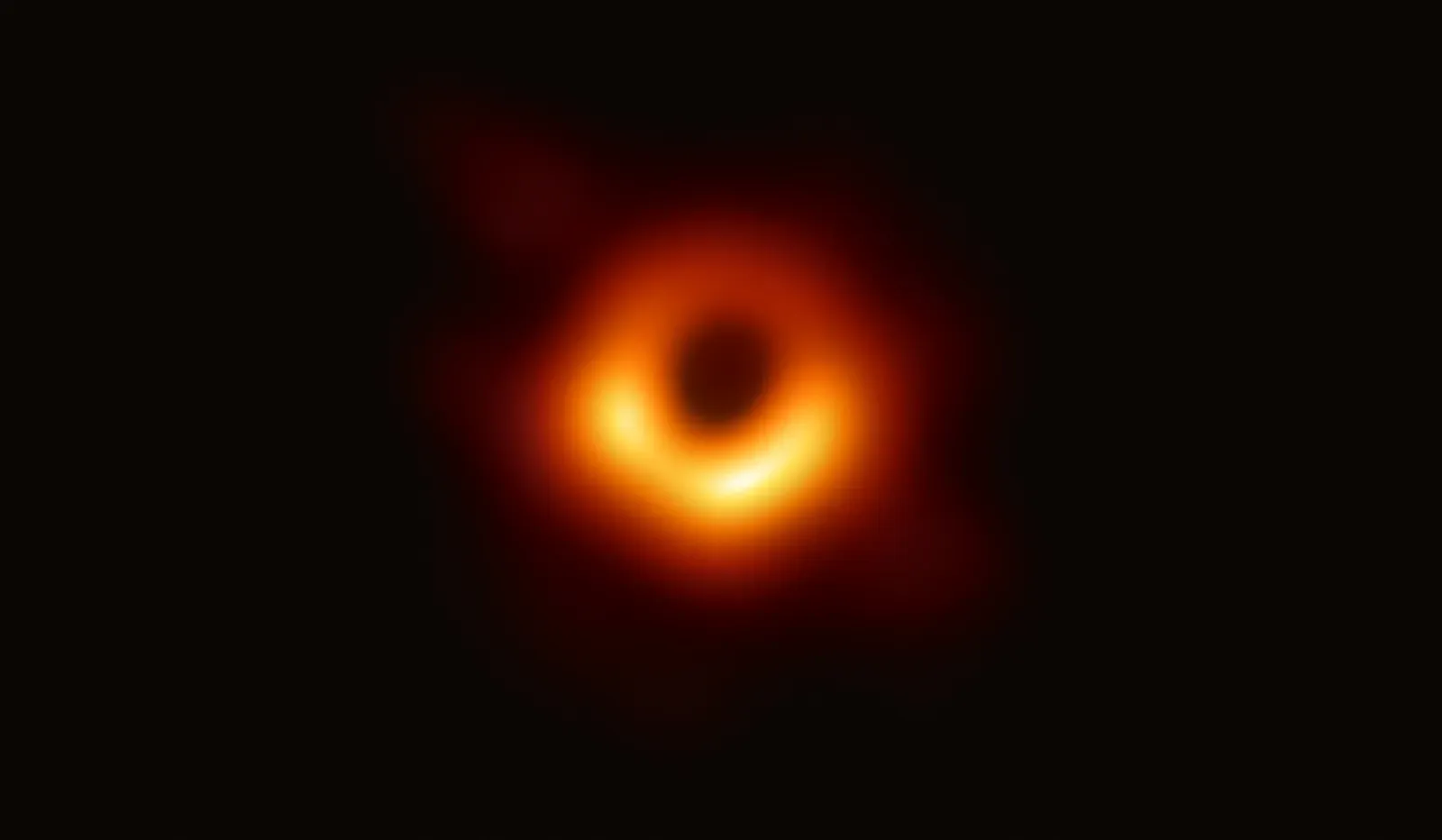
In 2019, an international team created the first image of a black hole’s shadow, using a planet‑sized network of radio telescopes. Since then, we’ve even recorded gravitational waves – ripples in space-time itself – from black holes colliding. These observations match the predictions of Einstein’s equations with striking accuracy. So while we can’t see black holes directly, we can see their fingerprints on the universe everywhere we look closely.
Why Black Holes Matter for Understanding the Universe
Black holes aren’t just cosmic vacuum cleaners; they’re powerful laboratories for the deepest questions in physics. They sit at the crossroads of gravity, quantum mechanics, and thermodynamics, three pillars of science that still don’t play together perfectly. The puzzles around black holes – like what happens to information that falls in, or how Hawking radiation really works – are driving new theories that may someday unify our picture of the universe.
On a larger scale, supermassive black holes at the centers of galaxies seem to influence how those galaxies grow and evolve. They can launch jets of particles across thousands of light‑years and regulate star formation around them. So when we ask how black holes bend space and time, we’re not just talking about one weird object in isolation. We’re talking about how the universe shapes itself, and how the most extreme places in it might hold the keys to understanding everything else.