
Imagine never needing a GPS, a map, or even a window to figure out which way is north. No app, no signal, no stars. Just an invisible planetary force guiding you home across thousands of miles of open ocean or empty sky. Sounds almost magical, right? Yet this is the daily reality for a remarkable range of creatures that walk, swim, and fly this planet. They possess what many scientists now consider one of biology’s most stunning hidden abilities.
This so-called sixth sense is called magnetoreception, and researchers are still piecing together exactly how it works. You might be surprised to learn just how widespread it is, how physically peculiar the underlying mechanisms are, and what it might say about your own brain. Let’s dive in.
What Exactly Is Magnetoreception and Why Does It Matter?

Magnetoreception is a sense which allows an organism to detect the Earth’s magnetic field. Think of it like an internal compass wired directly into the nervous system, except it doesn’t look like any compass you’ve ever seen and nobody has pinpointed the exact receptor behind it. Magnetoreception allows organisms to orient themselves and to navigate by detecting the direction, intensity, and inclination of a magnetic field.
Like the theory of plate tectonics, the idea that animals can detect Earth’s magnetic field has traveled the path from ridicule to well-established fact in little more than one generation. Dozens of experiments have now shown that diverse animal species, ranging from bees to salamanders to sea turtles to birds, have internal compasses. Honestly, the speed at which scientific consensus shifted on this topic is itself remarkable. What was once fringe thinking is now a thriving research frontier with implications reaching far beyond biology.
Which Animals Are Known to Possess This Sense?
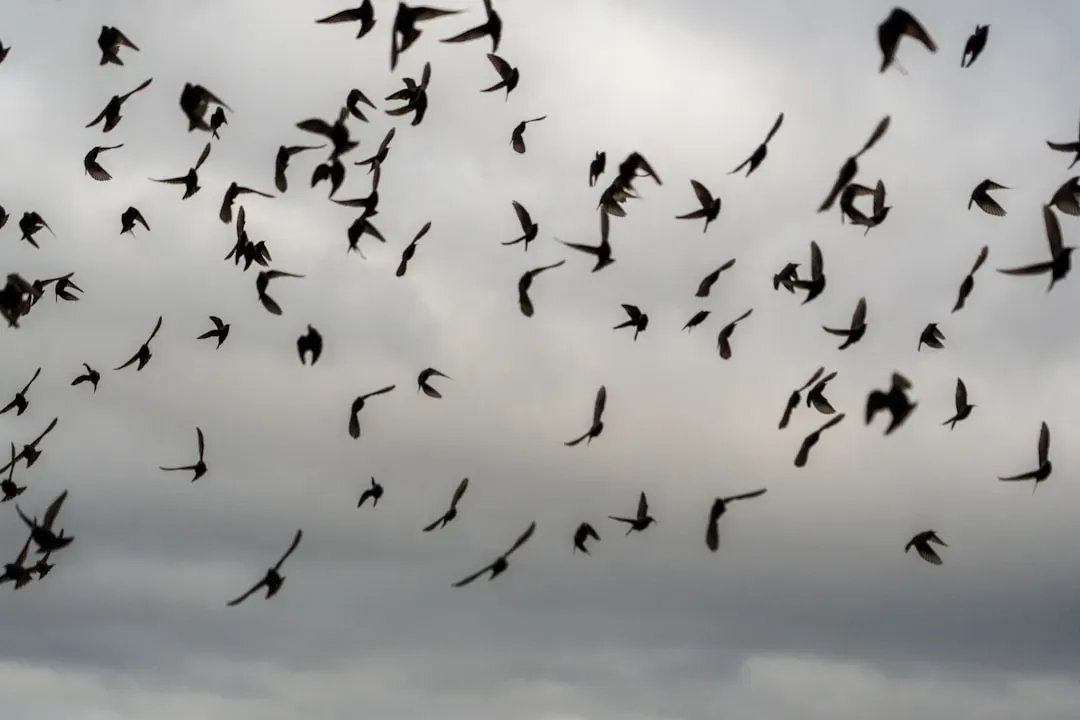
Animals with this sense include some arthropods, molluscs, and vertebrates, including fish, amphibians, reptiles, birds, and mammals. The list is longer than most people expect. Examples abound: salmon, sea turtles, spotted newts, lobsters, honeybees, and fruit flies can all perceive and utilize geomagnetic field information. Even dung beetles have been found to navigate using the Milky Way combined with the magnetic field, which I think officially qualifies them as nature’s most underrated navigators.
In recent years, researchers have found that less speedy creatures, including lobsters, worms, snails, frogs, and newts, possess the sense. Mammals, too, seem to respond to Earth’s field: in experiments, wood mice and mole rats use magnetic field lines in siting their nests; cattle and deer orient their bodies along them when grazing; and dogs point themselves north or south when they urinate or defecate. So the next time your dog takes forever to find just the right spot, consider that they might literally be aligning themselves with the planet.
The Magnetite Hypothesis: Nature’s Tiny Built-In Compass Needles

One hypothesis is that crystals of the mineral magnetite provide the physical basis for magnetoreception. The idea was inspired partly by the discovery that some bacteria produce magnetite crystals; as a result, the bacteria are physically rotated into alignment with magnetic field lines and can move along them. Picture a microscopic compass needle embedded inside a living cell. That’s essentially what scientists believe happens in magnetite-based magnetoreception. Single-domain crystals are tiny, about 50 nanometers in diameter, and each is a permanent magnet that will align with Earth’s magnetic field if permitted to rotate freely.
The 1963 discovery by Salvatore Bellini of magnetotaxis in certain bacteria, followed by Richard Blakemore’s 1975 description of the crystals, led to the detection of magnetite in a diverse array of magnetoreceptive species, including honeybees, birds, salmon, and sea turtles. In trout, the evidence is especially compelling. In trout, magnetite has been found in the nose and appears to be closely associated with a nerve that responds to magnetic stimuli. It’s a biological arrangement so elegant it almost seems deliberate.
The Quantum Compass: Cryptochrome and the Radical Pair Mechanism
The function of cryptochrome varies by species, but its mechanism is always the same: exposure to blue light excites an electron in a chromophore, which causes the formation of a radical pair whose electrons are quantum entangled, enabling the precision needed for magnetoreception. Here’s the thing, this is quantum physics operating inside a living eye. Not in a particle accelerator, not in some lab cooled to near absolute zero, but inside the retina of a migratory bird. This effect is extremely sensitive to weak magnetic fields, and readily disturbed by radio-frequency interference, unlike a conventional iron compass.
In 1993, Wiltschko and colleagues observed that magnetoreception behavior in birds depends on illumination at specific wavelengths of blue light, while birds exposed to red light lost their ability to navigate. That single observation reshaped decades of research. The magnetic compass in birds requires the presence of short wavelength blue and green light in order to work properly. If only red light is present, birds are no longer able to orient. It’s a stunning detail. Swap out the light color and the internal compass goes dark. No blue light, no navigation.
How Birds Navigate Using Magnetic Fields

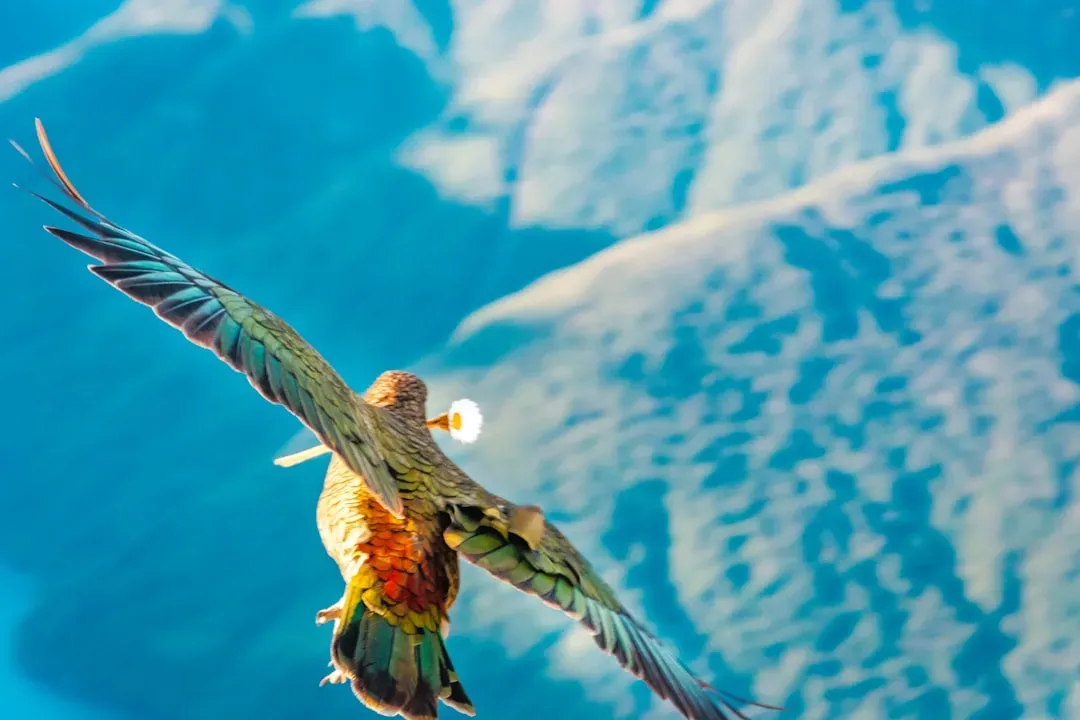
Perhaps the most well-studied example of animal magnetoreception is the case of migratory birds, including European robins, silvereyes, and garden warblers, who use the Earth’s magnetic field, as well as a variety of other environmental cues, to find their way during migration. You can think of it like a layered navigation system where multiple cues, stars, wind, smell, and magnetism all combine. Birds have populations of nerve cells in their brains triggered by magnetic fields, and cells in their inner ears capable of detecting magnetic fields by electromagnetic induction. In addition, they have iron-containing materials in their upper beaks.
A 2025 study brought a fascinating new twist. A 2025 study in Science presents two lines of evidence that pigeons sense magnetic fields in their inner ears. This adds a third potential magnetoreception site in birds, alongside the eye and the beak. The available evidence suggests that birds use both mechanisms, with the radical pair mechanism in the right eye providing directional information and a magnetite-based mechanism in the upper beak providing information on position as component of the map. A bird, it turns out, may be doing quantum physics and geology at the same time, just to fly south for the winter.
Sea Turtles: Nature’s Most Remarkable Magnetic GPS System

If you have ever wondered how homing pigeons make round trips without GPS, or how pregnant sea turtles find the same beach on which they were born decades earlier to lay their own eggs, it is all thanks to their sense of magnetoreception. Sea turtles, honestly, deserve their own documentary series purely for this ability. Additional studies revealed that they can detect both the magnetic field intensity and the magnetic inclination angle to determine their geographical position. That’s the equivalent of reading both latitude and longitude from an invisible planetary signal.
A landmark study published in Nature in February 2025 pushed the science even further. Researchers report that the loggerhead turtle can learn magnetic field information. When fed repeatedly in magnetic fields replicating those that exist in particular oceanic locations, juvenile turtles learned to distinguish magnetic fields in which they encountered food from magnetic fields that exist elsewhere, an ability that might underlie foraging site fidelity. By contrast, orientation behavior that required use of the magnetic compass was disrupted by radiofrequency oscillating magnetic fields. The findings provide evidence that two different mechanisms of magnetoreception underlie the magnetic map and magnetic compass in sea turtles. In other words, turtles appear to have not one but two entirely distinct magnetic systems.
Sharks, Fish, and the Electromagnetic Induction Route
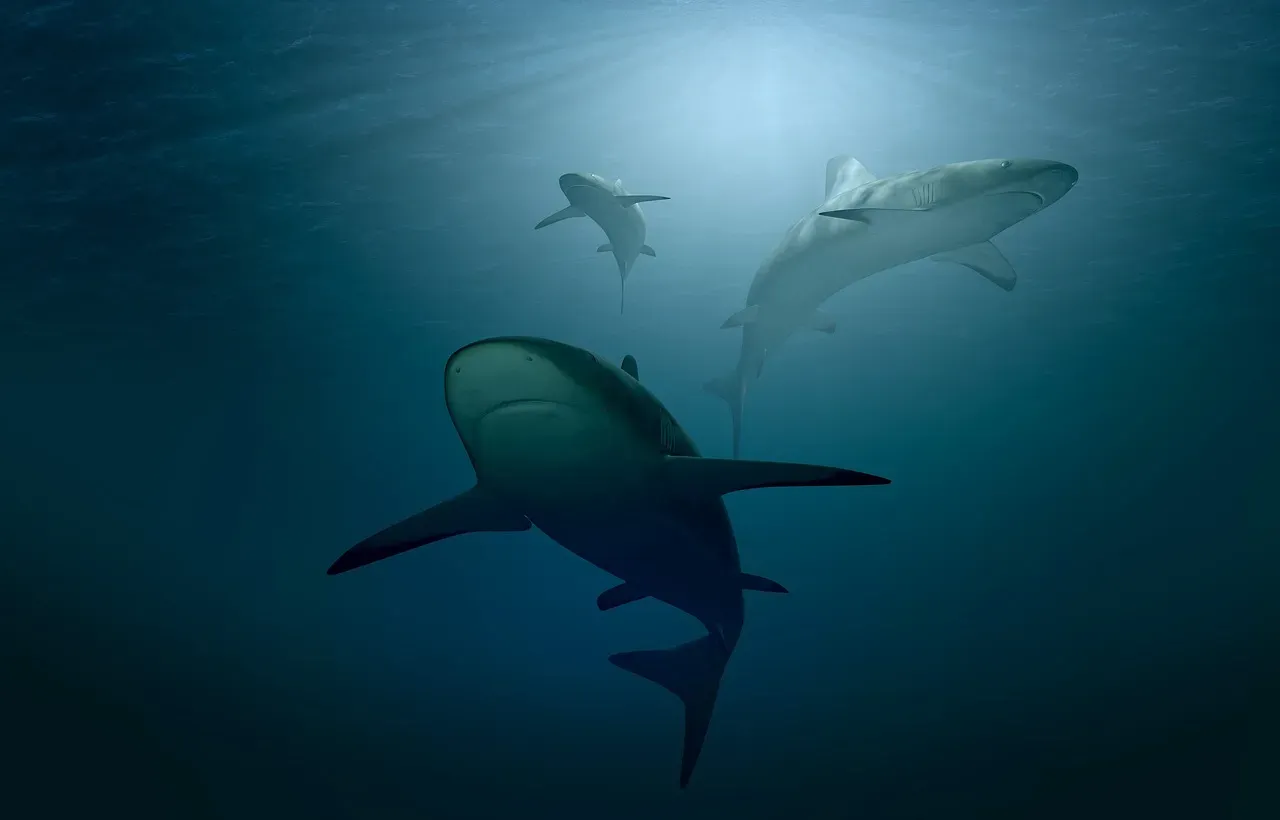
Another possible mechanism of magnetoreception in animals is electromagnetic induction in cartilaginous fish, namely sharks, stingrays, and chimaeras. These fish have electroreceptive organs, the ampullae of Lorenzini, which can detect small variations in electric potential. The basic idea is elegant: a shark’s body acts like a conducting wire moving through a magnetic field, generating a tiny electrical current that its sensory cells can detect. As a shark swims through Earth’s magnetic field, it induces weak electric currents to flow through the surrounding seawater. The induced current depends partly on the heading of the shark relative to the magnetic field. In effect, the shark uses its electric sense to infer its magnetic heading.
Magnetoreception is phylogenetically widespread and used by fish to guide movements over a wide range of spatial scales ranging from local movements to transoceanic migrations. A proliferation of recent studies, particularly in salmonids, has revealed that fish can exploit Earth’s magnetic field not only as a source of directional information for maintaining consistent headings, but also as a kind of map for determining location at sea and for returning to natal areas. Salmon, in particular, appear to imprint on the specific magnetic signature of their birth river, a fact so remarkable it almost defies belief. It’s hard to say for sure how evolution stumbled onto this, but stumble it did, repeatedly across the tree of life.
Could Humans Have a Magnetic Sense Too?
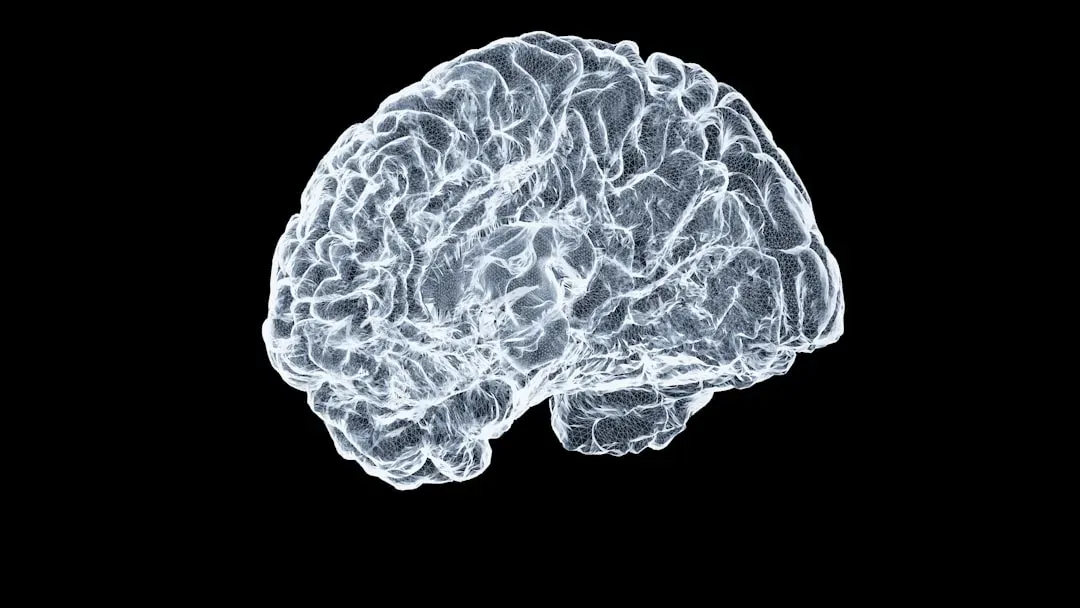
Researchers at Caltech confirmed that human neurophysiology is indeed sensitive to magnetism. They discovered specific rotations of Earth-strength fields that trigger distinctive brain wave activity, showing that humans are subconsciously processing geomagnetic stimuli. This is described as the first discovery of an entirely new human sense in modern times. Let that sink in. A potentially new human sense, discovered in the 21st century. Bird beaks and fish snouts also contain magnetite, as does the human brain. Researchers found that it is most concentrated in lower, evolutionarily ancient regions, including the brain stem and cerebellum.
Findings on magnetosensitivity in humans highlight evidence that suggests humans may retain a residual unconscious magnetic sense. The word “residual” is key. The leading hypothesis is that we once had a more functional version of this sense, and what remains is a kind of evolutionary vestige, still present in our brain chemistry but no longer consciously accessible. There is not yet a consensus on whether humans can sense magnetic fields or not, but it is being studied and some researchers have found evidence suggesting it. The ethmoid bone in the nose contains magnetic materials. Magnetosensitive cryptochrome 2 is present in the human retina. So the machinery may still be there. It’s just that nobody told our conscious minds about it.
Conclusion: A Sixth Sense We Are Only Beginning to Understand
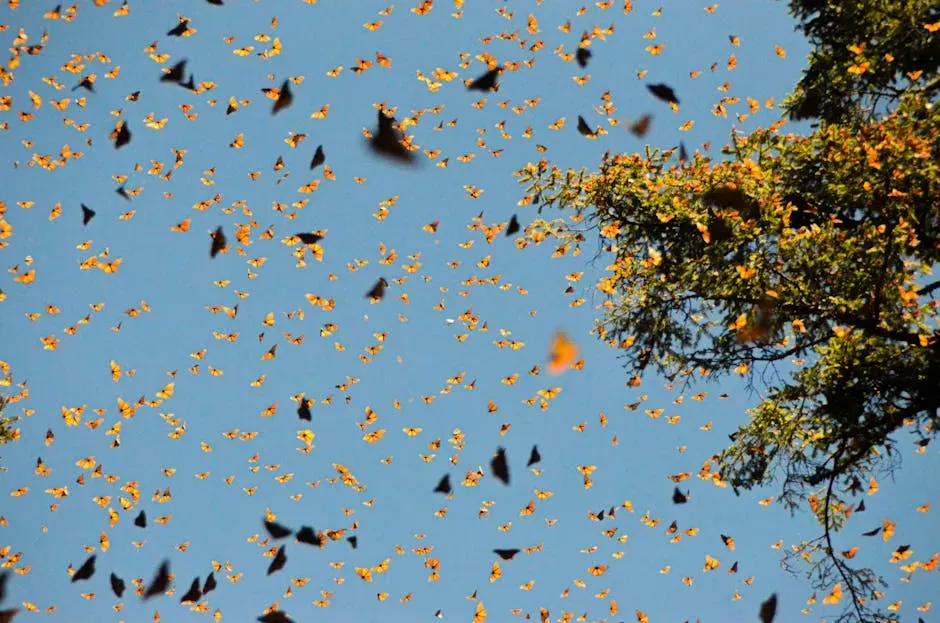
The science of magnetoreception is one of the most extraordinary ongoing mysteries in all of biology. You now know that animals as different as bacteria, monarch butterflies, loggerhead turtles, European robins, and great white sharks all tap into the planet’s invisible magnetic grid, each through mechanisms that border on science fiction. Some use quantum chemistry happening inside their eyes. Others rely on iron crystals finer than anything human industry can manufacture. Some may do both simultaneously, running two parallel sensory systems like a spacecraft with redundant navigation.
What makes this field so captivating is that the fundamental question, how exactly does any animal sense a magnetic field, remains unsolved. Evolution has equipped life on our planet with an array of extraordinary senses, but perhaps the least understood is magnetoreception. Despite compelling behavioral evidence that this sense exists, the cells, molecules, and mechanisms that mediate sensory transduction remain unknown. We are, in a very real sense, still reading the first chapter of this story.
The universe built a GPS into a sea turtle’s brain long before humans invented GPS. It hid a quantum compass inside a robin’s eye. It may have even tucked a faint magnetic whisper into your own nervous system that you’ve never consciously heard. Whether you find that humbling, thrilling, or deeply unsettling probably says something about you. What does it say about you?