
Imagine crossing an entire ocean in the dark, without a map, GPS, or even a visible landmark, and still arriving within a few hundred meters of your destination. That’s the kind of quiet, everyday miracle animals pull off all the time. From tiny insects to gigantic whales, countless species travel astonishing distances with a level of precision that still embarrasses our best gadgets.
I remember getting lost just driving in a new city because I took the wrong exit and the navigation app froze. Meanwhile, a bird that weighs less than a smartphone can fly from the Arctic to Africa and back, year after year, without “recalculating route.” The more scientists uncover about these journeys, the clearer it becomes: animal navigation is not one single “superpower,” but a layered toolkit built from senses we barely understand.
The Sun And Stars: Nature’s Ancient Compass

One of the most surprising discoveries in animal navigation is how many species literally steer by the sky. Many migratory birds use the position of the sun during the day and the stars at night as reference points, adjusting for the time of day as they go. Even tiny songbirds, which weigh less than a handful of coins, can learn the pattern of the night sky and use it to determine which way is “south” or “north.”
This isn’t just poetic; it’s testable. When scientists place birds in planetarium-like domes and shift the star patterns, the birds change their orientation accordingly. Some insects, like monarch butterflies, also use the sun, relying on an internal clock in their brain to compensate for the movement of the sun across the sky. It’s like carrying a built‑in watch and compass at the same time, all wired into their nervous system from birth.
The Invisible Map: Earth’s Magnetic Field
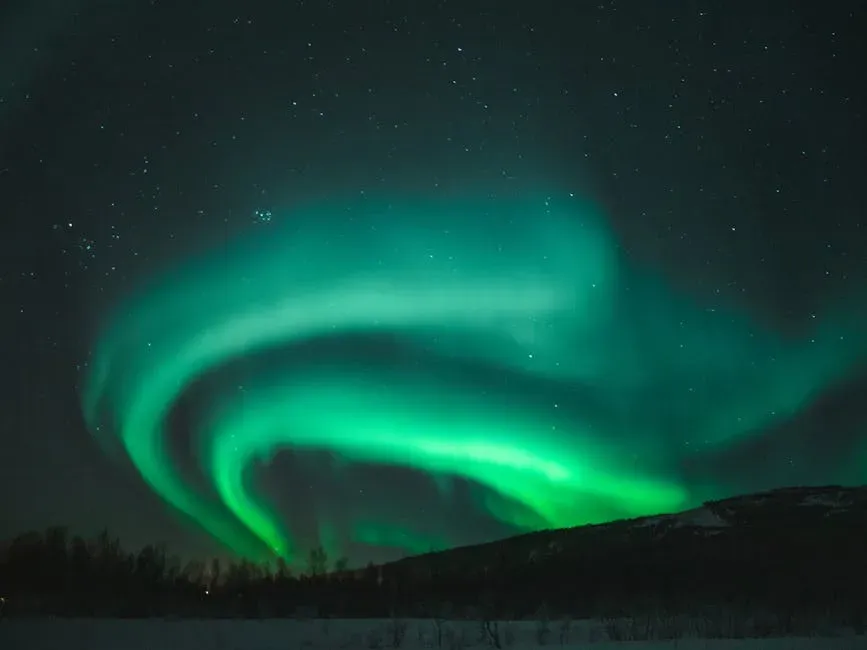
Another key part of the story is the Earth’s magnetic field, which acts like a massive, invisible map stretching across the planet. Many animals seem to sense this field and use it as a backup or even primary navigation system. Sea turtles, for instance, can return to the same beach where they hatched years earlier, apparently using magnetic cues like a long‑term, planet‑sized address book.
Birds, too, appear to detect both the direction and the strength of the magnetic field, helping them know not just where north is, but roughly where they are along their route. There’s evidence that some fish, including salmon, rely on similar magnetic signatures when they cross thousands of kilometers of open ocean to find their home rivers. The exact biological “sensor” is still actively studied, but it’s clear that many animals navigate partly by reading a map humans can’t see or feel without instruments.
Smell As A GPS: Odor Landscapes And Scent Trails
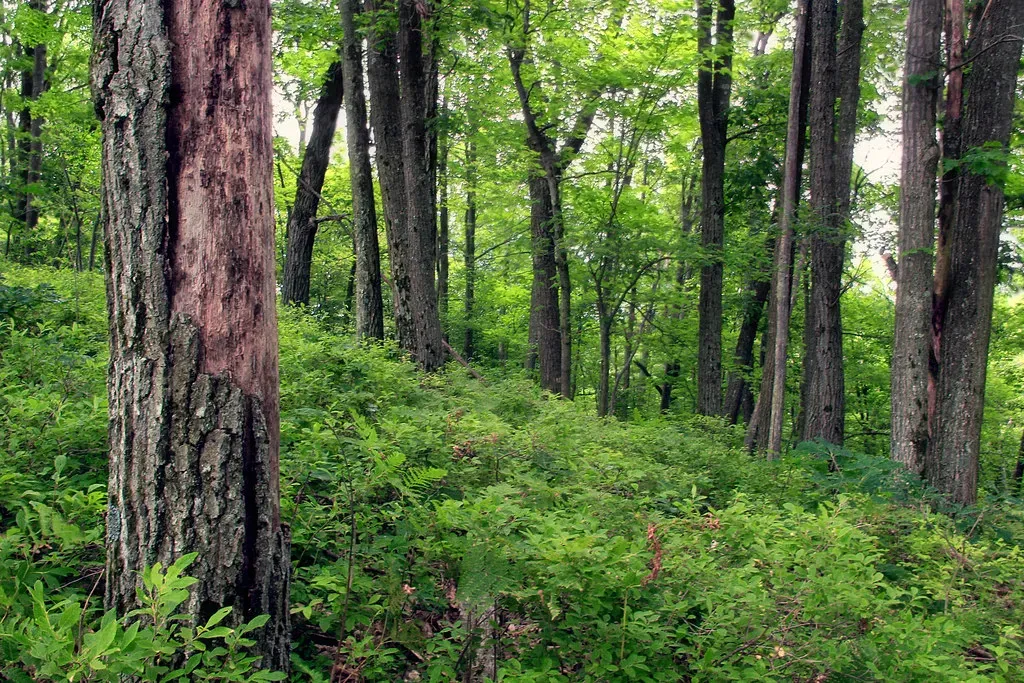
If following the stars sounds impressive, using smell as a kind of three‑dimensional map is just as wild. Homing pigeons, for example, aren’t just following roads they can see from the air; they also use airborne scents carried by the wind. Over time, they learn an “odor landscape” around their home, where certain smells are associated with certain directions, and that lets them find their way back from unfamiliar places.
In the ocean, salmon famously return from the open sea to the exact stream where they were born, guided in large part by smell. They imprint on the chemical signature of their home water as juveniles, then follow this scent trail years later through vast river networks. Ants use smell on a smaller scale, laying down chemical trails on the ground; other ants follow and reinforce these paths, creating dynamic, living road systems that can re‑route when blocked, all without a single traffic sign.
Reading The Wind, Waves, And Landscape
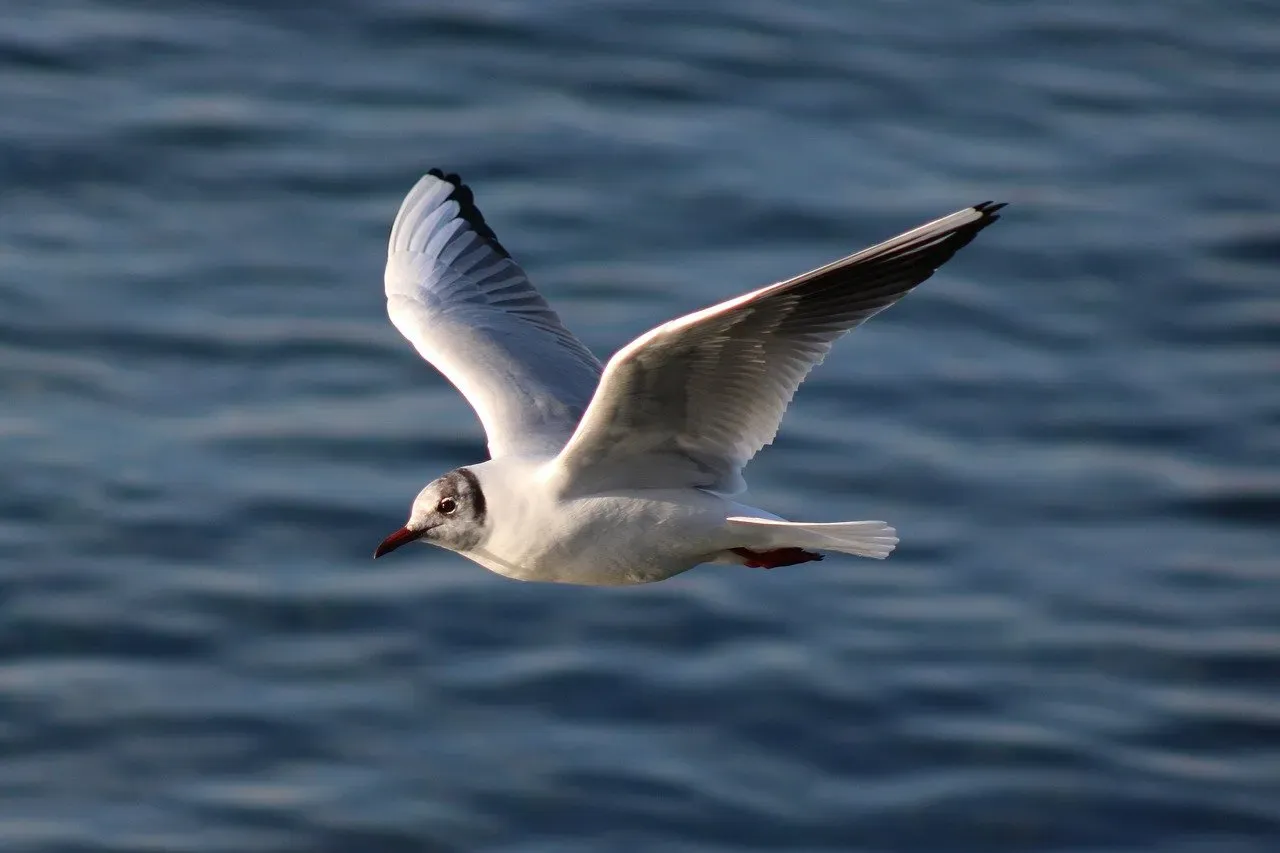
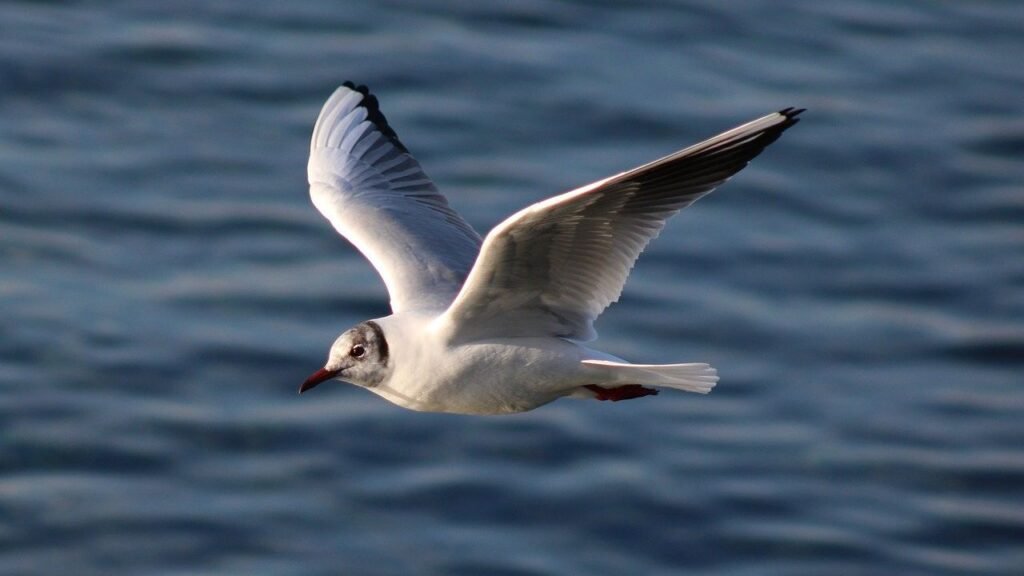
Many animals are expert readers of subtle environmental cues that humans usually ignore. Seabirds, for instance, can navigate partly by analyzing wind patterns, wave directions, and even the reflectance of light on the water’s surface. Some species have been observed following consistent wind corridors and wave fronts that act like moving highways across the ocean. This means they’re never just flying over a featureless blue expanse; to them, the sea is full of signs.
On land, animals like caribou, wildebeest, and elephants rely on memory of terrain combined with features like mountain ranges, valleys, rivers, and even the smell of rainfall. They pass these mental maps through generations, with older individuals guiding herds along traditional routes toward food and water. This mix of learned geography and sensory input can be fragile, though; when landscapes change rapidly due to human development, many of these routes break down, and animals can become disoriented or cut off from key resources.
Memory, Learning, And Social Navigation
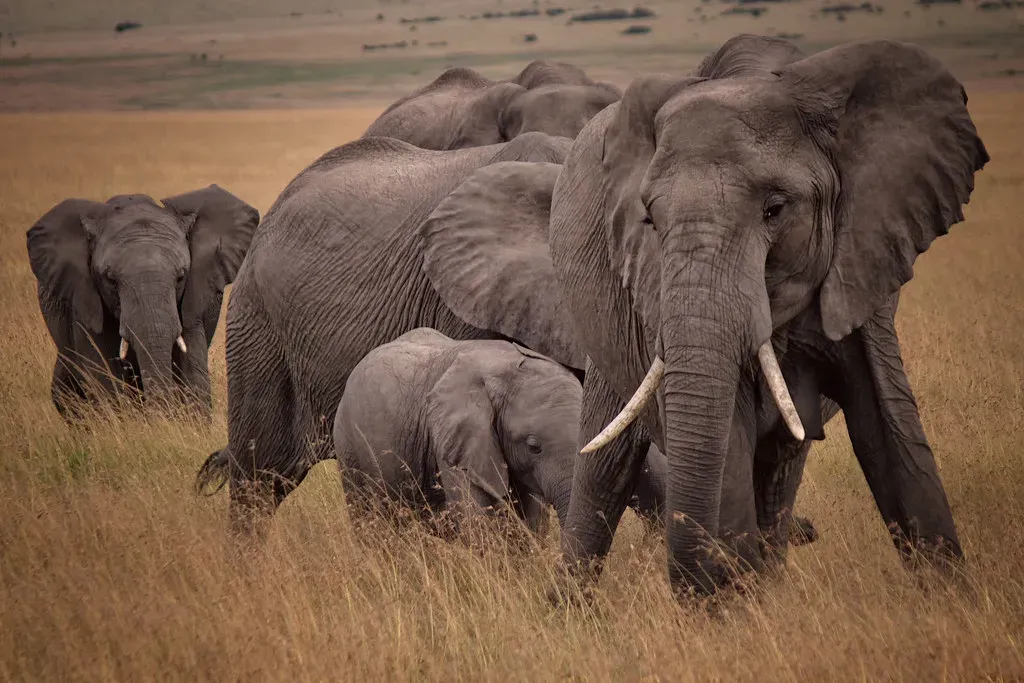
Not every navigation trick is hard‑wired; a lot of it is learned through experience and social life. Many mammals, birds, and even fish build mental maps of their environment over time, remembering safe paths, feeding spots, and dangers. A bat that leaves a cave every night learns the positions of trees, cliffs, and lights in its territory, then uses that memory to move more efficiently and safely the next time. This is navigation built from trial, error, and repetition.
Social learning plays a huge role too. In animals like whales, cranes, or elephants, older individuals often act as leaders, guiding younger ones along established migratory routes. If a knowledgeable elder is lost, sometimes the migration patterns of an entire group can shift or break down. It’s hard not to see a parallel with human road trips, where one confident driver “just knows the way,” and everyone else is quietly hoping they really do.
Microscopic Marvels: Insects And Their Tiny Brains
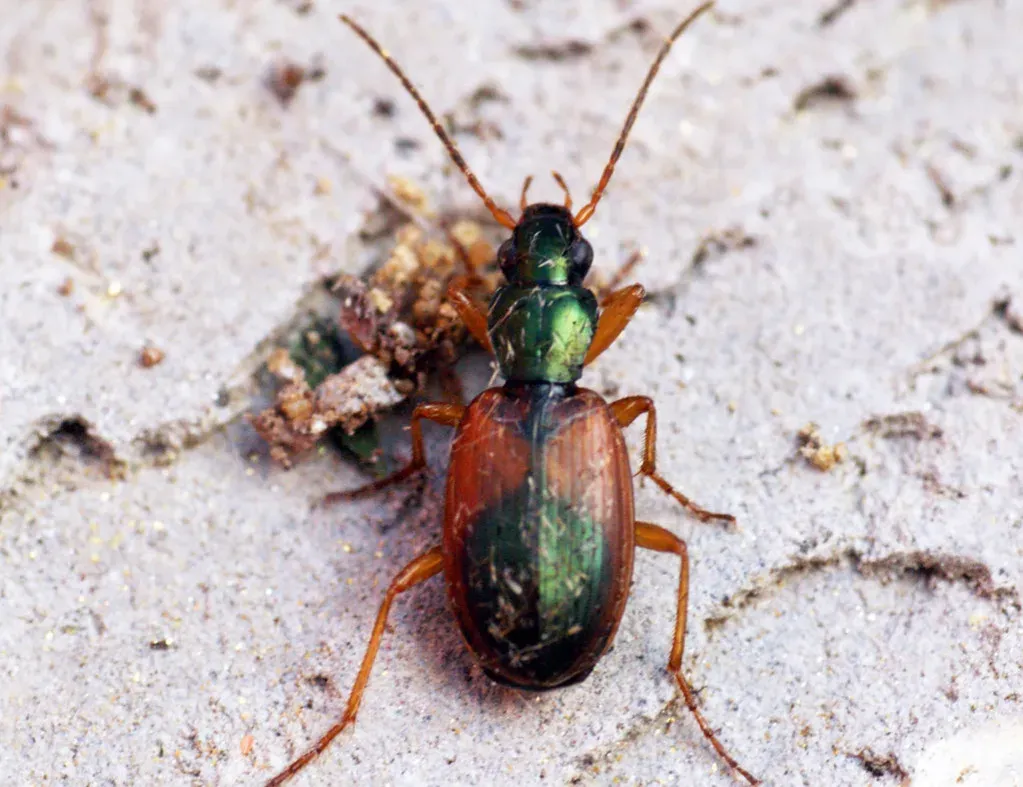
Insects might have some of the most mind‑bending navigation skills of all, considering how tiny their brains are. Desert ants, for example, can walk in seemingly random zigzags while foraging, then head home in a nearly straight line, even if you move them to a new starting point. They combine cues from the sun, step counting, and visual landmarks in a way that amounts to doing vector math in their heads. It’s as if your pedometer, compass, and camera were all fused into your nervous system.
Honeybees are another classic case. They can fly several kilometers to find food, then return to the hive and share the location using a complex “dance” that encodes direction and distance relative to the sun. Each bee then uses this information plus its own sense of the sun’s position to find the same spot. All of this happens inside a brain that weighs less than a raindrop, challenging the idea that you need big hardware to do sophisticated spatial thinking.
Multisensory Superpowers: Combining Cues For Reliability
What really makes animal navigation so reliable is that most species don’t depend on just one method. A migratory bird might use the stars on clear nights, the sun on cloudy days, the magnetic field when skies are overcast, and familiar landmarks when it nears its destination. This redundancy means that if one cue is missing or noisy, others can fill the gap. It’s similar to how you might use both road signs and your phone’s map app, and if one fails, you fall back on the other.
Scientists studying these systems have found that animals can switch priorities depending on conditions, almost like changing settings on a navigation app. In experiments where magnetic fields are manipulated or star patterns are hidden, some animals re‑weight the other available signals to stay oriented. This flexible, layered approach turns the world itself into a constantly updated map and compass, all interpreted through senses that human technology is only slowly learning to imitate.
Animal navigation, then, is not magic, but it can feel that way because it weaves together physics, biology, memory, and social learning into something seamless. The next time you open a GPS app and watch that little blue dot jitter around, it’s worth remembering that a butterfly or a bird might be flying overhead, following a path written in sunlight, magnetism, and smell, without a single digital clue. Who’s really lost?