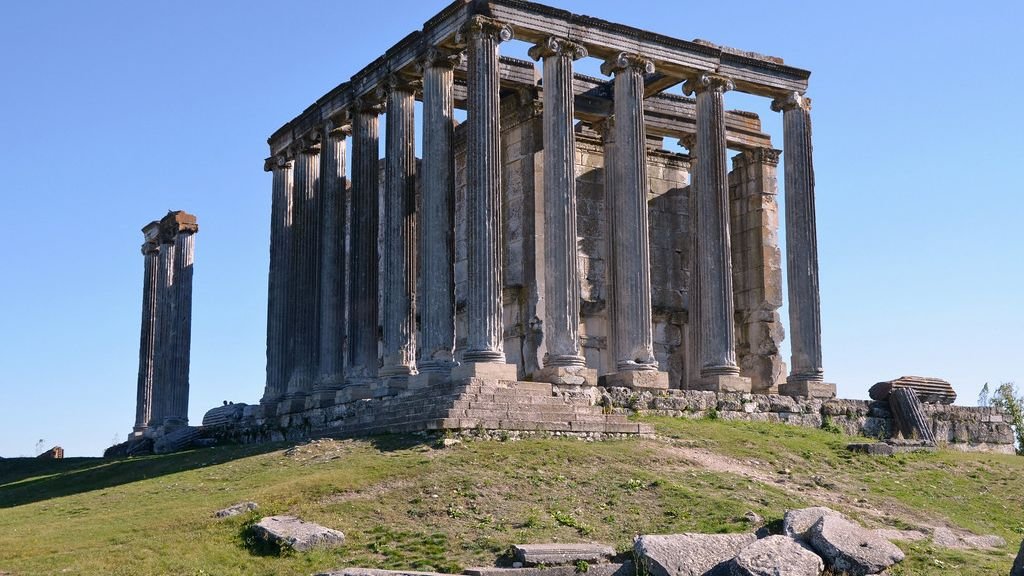

Stand in front of a pyramid, a stone temple, or a Roman aqueduct, and one thought hits you like a wave: how on earth did people do this without machines, steel cranes, or computer models? These structures have survived earthquakes, wars, and thousands of years of weather, while some modern buildings struggle to make it past a single century. There’s something both humbling and a bit unsettling about realizing that people with no electricity or engines pulled off engineering feats that still leave us scratching our heads.
But there’s no magic here, and no secret lost technologies; there’s human creativity, raw patience, and a deep understanding of materials and nature. Ancient cultures built big by thinking cleverly, organizing massive groups of people, and pushing trial-and-error to its limits. When you zoom in on how they worked, it starts to feel less like a mystery and more like a powerful reminder of what’s possible with focused effort and very simple tools used very well.
Rewriting the Rules With Simple Machines

One of the most surprising truths is that a lot of ancient building power came from tools a modern kid could understand in a school science class: levers, ramps, pulleys, and rollers. Cultures like the Egyptians, Greeks, and Romans turned these basic mechanical principles into full-blown construction systems, using geometry instead of gasoline. Instead of forklifts, they had giant wooden levers; instead of trucks, they had sledges sliding over oiled stone or damp sand.
A lever multiplies force, a ramp trades distance for effort, and a pulley changes direction and shares load; ancient builders pushed each of these to extremes. Blocks weighing many tons could be inched upward using long wooden beams as levers and stacked ramps of earth or stone, making “impossible” lifts slow but doable. In many cases, they didn’t need complex gadgets, just armies of workers trained to repeat the same motions, guided by masters who deeply understood how far wood, rope, and stone could be pushed before something snapped.
Harnessing Human (And Animal) Power At Scale
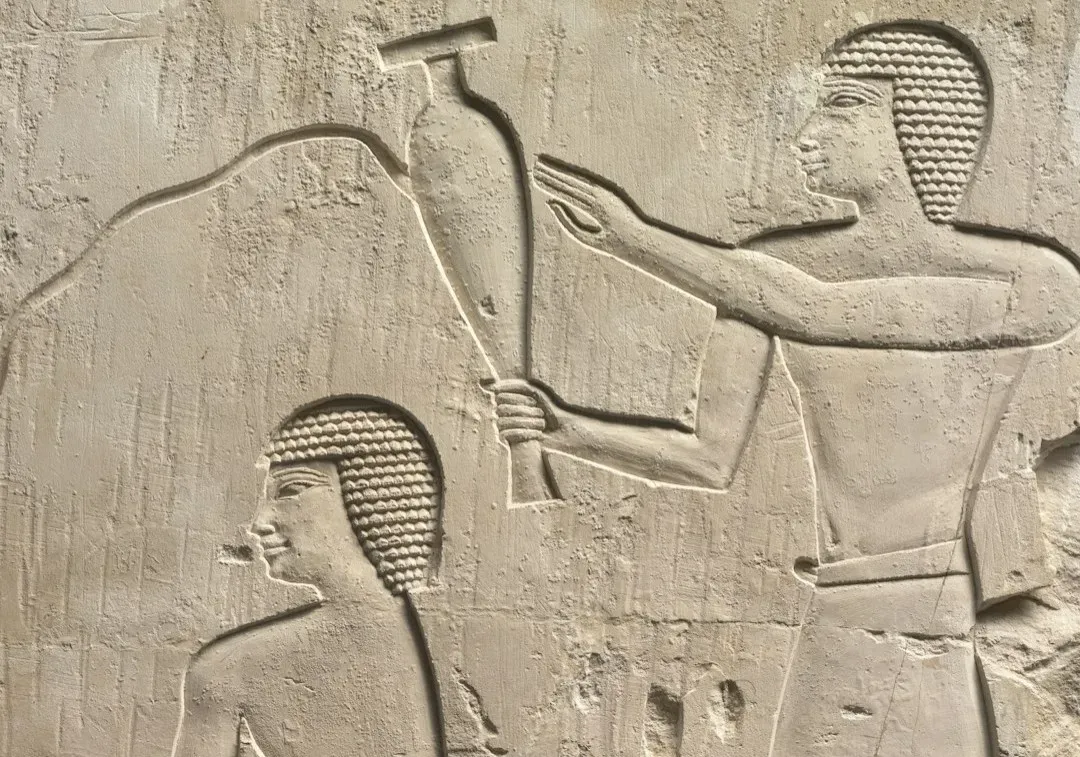
Without engines, the main source of energy was muscle, and ancient cultures got very good at organizing it. Thousands of workers hauling ropes in synchronized rhythm can move stones that one person couldn’t even budge, and that was the real “machine” behind many of the wonders we admire. From Egyptian labor teams to Roman construction gangs to Inca runners carrying tools high into the mountains, logistics mattered as much as raw strength.
Animals joined this power network too: oxen pulled sledges, donkeys and mules carried loads, and sometimes even elephants helped move enormous timbers or carved stones. What looks like brute force from a distance was actually a carefully orchestrated dance of timing, rest, food, and coordination. Leaders had to make sure people were fed, tools were repaired, and teams worked in shifts, or the whole project stalled. In a way, management and organization were as important as any hammer or chisel.
Stone, Wood, and Earth: Knowing Materials Like Old Friends
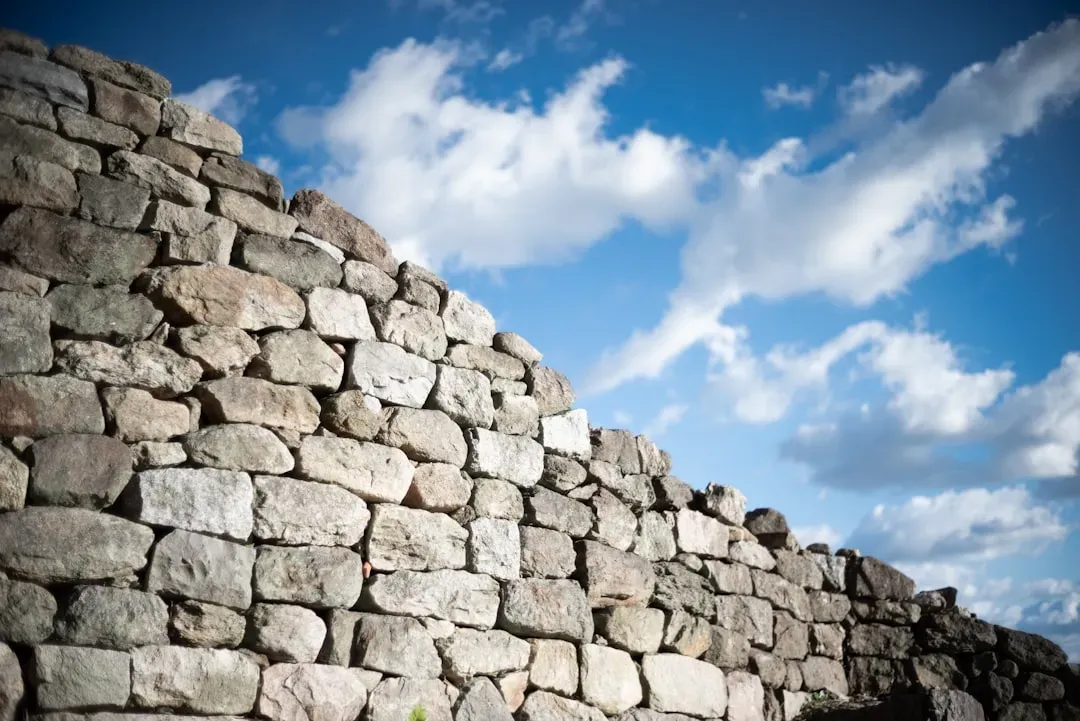
Ancient builders didn’t have steel beams or reinforced concrete, but they had something maybe even more valuable: intimate knowledge of the materials around them. Quarry workers could tell from the sound of a hammer strike whether a block would crack or hold. Carpenters knew which wood flexed safely and which would snap under weight. This deep familiarity came from generations of watching how structures aged, failed, and survived storms.
Different cultures leaned on different materials because of their landscapes. The Egyptians mastered limestone and granite; the Greeks and Romans used marble and concrete; the Maya and Inca worked with limestone, volcanic rock, and adobe. They designed in harmony with those materials’ strengths, using wider bases, thick walls, or corbelled roofs instead of tall, thin frames. Instead of forcing the world to fit blueprints, they shaped their designs to match what stone, wood, and earth naturally wanted to do.
Geometry and Measurement Without Electronics
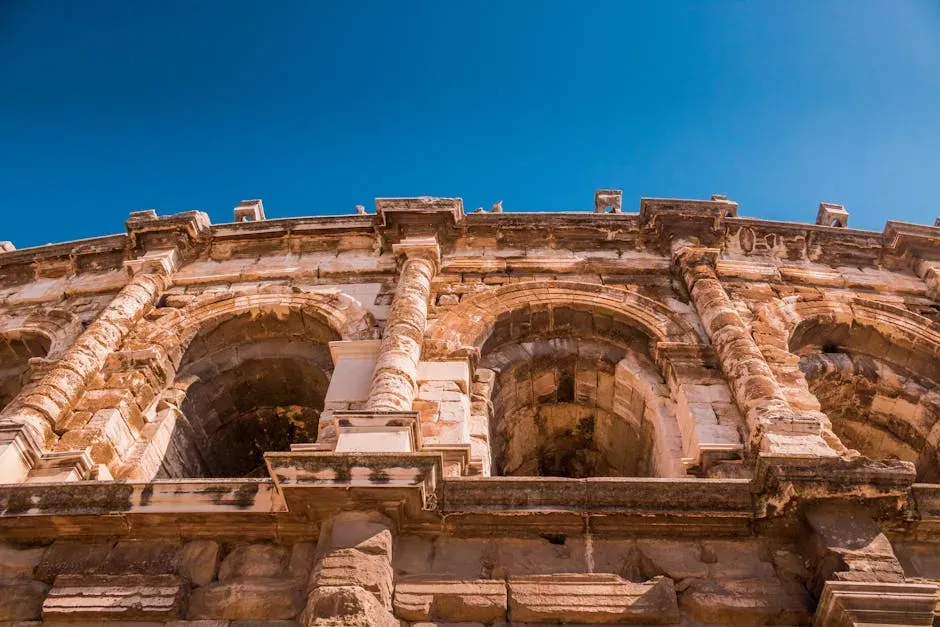
Even without calculators or laser levels, many ancient builders achieved a precision that still stuns surveyors and engineers. They relied on surprisingly simple tools: knotted ropes to measure fixed distances, plumb bobs to find vertical lines, and A-shaped frames with hanging weights to check for level. With these, they could lay out straight roads, perfect right angles, and symmetrical temples stretching over large sites.
Geometry was their secret weapon. By using basic ratios, similar triangles, and clever sightlines, they could align buildings to the cardinal directions or even to the path of the sun on specific days. Builders in Egypt, Mesopotamia, and later Greece and Rome embedded mathematical knowledge into their training, even if they explained it using practical rules rather than abstract equations. The result was not just impressive accuracy, but a built environment where shapes, shadows, and alignments carried cultural and sometimes spiritual meaning.
Ramps, Water, and Gravity: Quiet Engineering Tricks
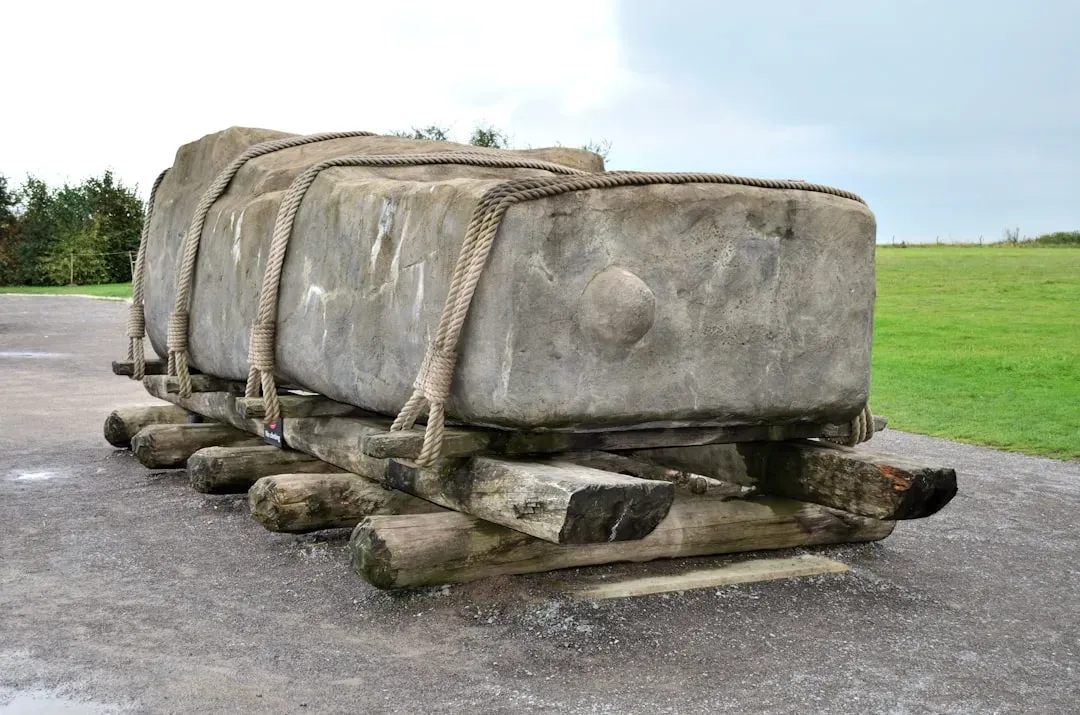
One of the simplest but most powerful tricks was to let gravity do the work. Ramps allowed heavy stones to be moved upward gradually, trading a steep lift for a long, gentle climb, sometimes circling around a structure as it grew. Archaeologists studying pyramid sites and temple foundations have found traces of these earthen or stone ramps, now collapsed but once central to the entire building process.
Water was another silent partner in construction. In some places, builders floated heavy materials along rivers or canals instead of dragging them over land, cutting down on friction and wear. Simple water channels and basins could help level surfaces over long distances: if the water line was even, the foundation could be too. These methods didn’t look flashy, but they allowed builders to extend their reach far beyond what bare hands alone could handle.
Mortise, Tenon, and Perfectly Fitted Stone
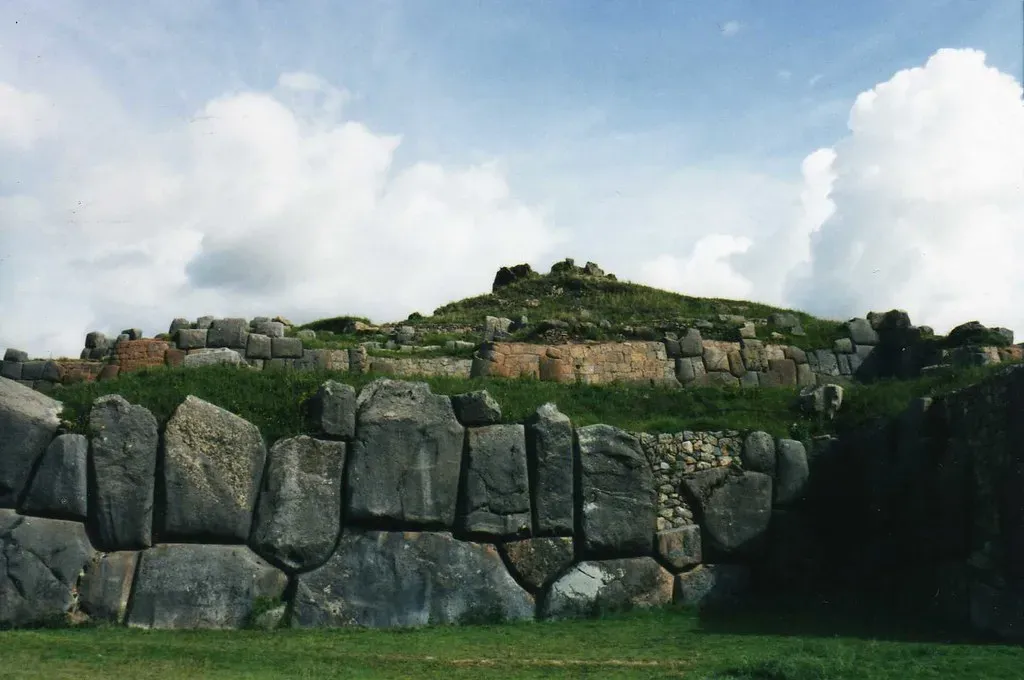
When you see ancient walls with barely a sheet of paper’s gap between stones, it’s easy to assume some lost high-tech magic. In reality, it was the result of patient shaping, constant testing, and clever joint design. In many cultures, stones were carved with interlocking shapes, like three-dimensional puzzle pieces, so that gravity and friction alone held them together. In seismic regions, like the Andes, this allowed buildings to flex and settle instead of shattering.
Woodworking techniques such as mortise-and-tenon joints, dovetails, and wooden pegs were also scaled up into stone and monumental architecture. Instead of nails and screws, builders used carved sockets and protrusions to pin blocks together horizontally and vertically. In some Greek and Roman sites, metal clamps or dowels added extra security, while in others, just the precision of surface contact and weight kept everything locked. These strategies created structures that could survive centuries of vibration, settlement, and even invasion.
Trial, Error, and the Long Memory of Tradition
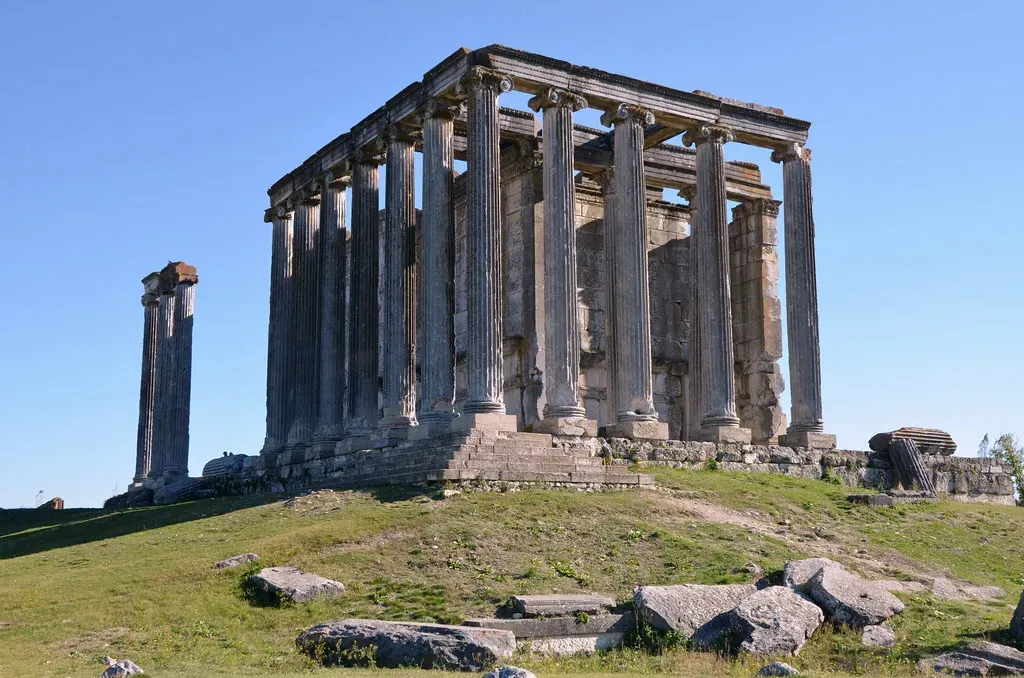
Ancient engineering wasn’t born perfect; it evolved through endless cycles of failure and refinement. Early walls collapsed, roofs leaked, towers leaned, and the people who lived through those problems remembered what went wrong. Over time, that memory turned into rules: how thick a wall needs to be, how far a wooden beam can span, how big a foundation must grow in soft soil. These rules were rarely written as equations, but they were tested in the harsh laboratory of everyday life.
Knowledge moved from master builders to apprentices, from parents to children, and often from one culture to another through trade and conquest. Each big project became a classroom for the next one, with small improvements baked into the design. When we admire a towering temple or a stable dome, we’re seeing the final draft of thousands of years of trial and error. That long memory, stored in skills and stories rather than textbooks, was one of the most powerful tools ancient builders ever had.
Adapting to Climate and Landscape
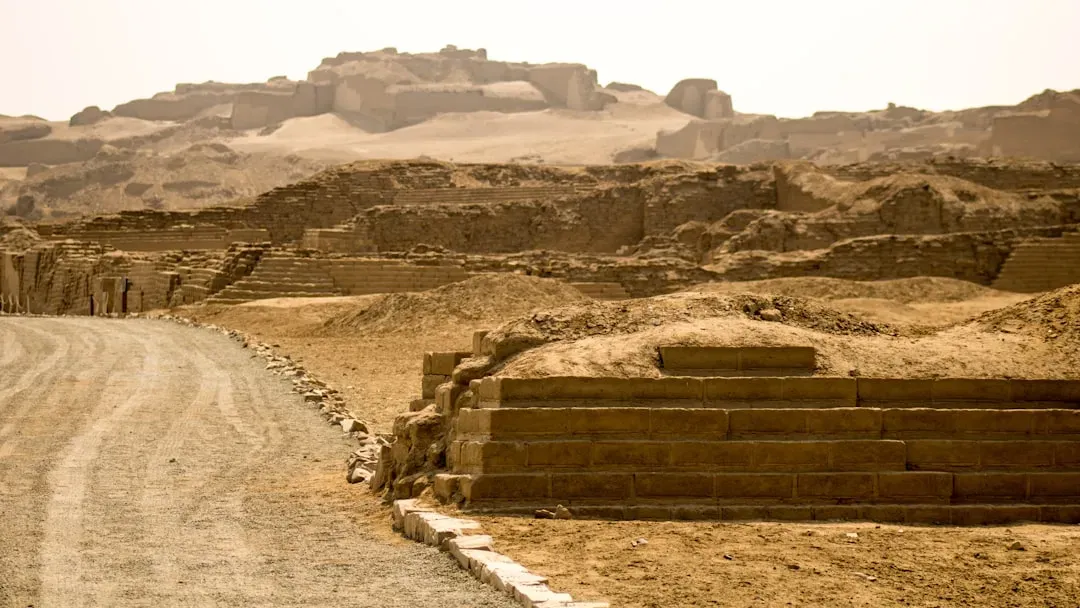
Another key to ancient construction success was paying close attention to local climate and terrain. In hot, dry regions, thick stone walls and narrow windows kept interiors cool and stable, while roofs were designed to handle intense sun more than heavy rain. In wetter climates, raised foundations, steeper roofs, and drainage channels became essential parts of the design. Builders didn’t have weather apps, but they did have centuries of observation guiding their choices.
Terrain also shaped how and where structures rose. Hilltop fortresses took advantage of natural defense and wind, while river valleys hosted canals, levees, and bridges adapted to seasonal floods. The Inca famously carved terraces into mountains not only for farming but also for stabilizing slopes and supporting buildings. Instead of fighting nature with brute force, many ancient architects tried to blend with it, using the lay of the land as an ally rather than an obstacle.
Why Ancient Engineering Still Matters Today
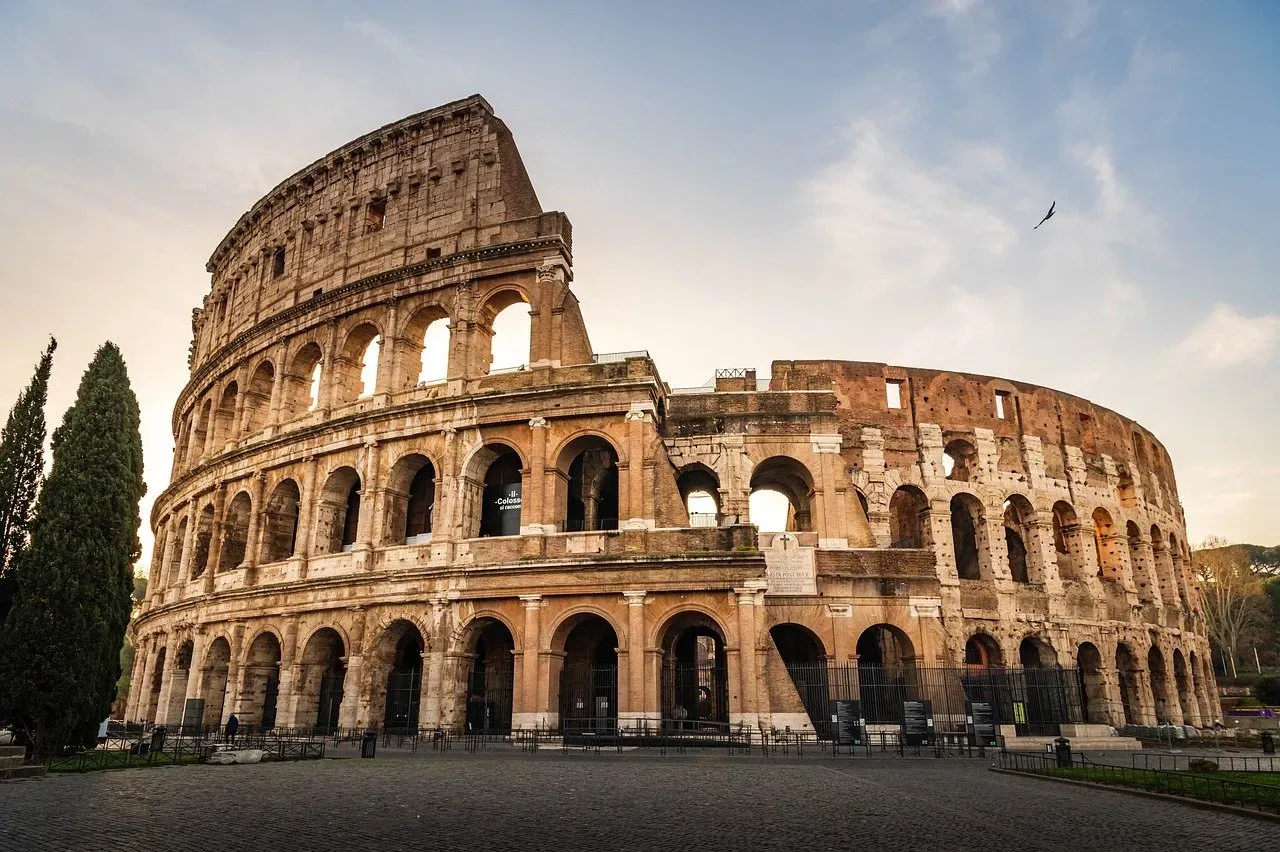
Looking at these methods from our hyper-digital century, it’s easy to underestimate them, but they hold lessons we badly need. Ancient builders proved you can achieve astonishing durability with modest tools if you truly understand your materials, climate, and environment. Their work reminds us that clever design and patience can sometimes outshine speed and complexity, especially when you’re building for more than just the next few decades. There’s a quiet wisdom in structures that are still standing after empires vanished and languages changed.
Many modern architects and engineers are circling back to these old ideas: passive cooling instead of constant air conditioning, gravity-fed water systems, locally sourced materials, and forms that follow the land instead of flattening it. The past isn’t a curiosity; it’s a toolbox we’ve only partly explored. When you next see an ancient ruin, you’re not just looking at stones in a pile, you’re looking at proof that human hands, simple tools, and determined minds can shape the world in ways that last longer than anyone who lifts the first block.