
Imagine slowly suffocating – not in an instant, but over decades. That is essentially what is happening to our planet’s oceans right now. The water that covers most of Earth’s surface is quietly losing the one ingredient that makes complex life possible: oxygen. It is a crisis hiding in plain sight, unfolding beneath waves that still look blue and beautiful from above.
Most of the headlines about climate change focus on temperatures, storms, and melting ice. Yet there is a quieter, arguably more catastrophic story unfolding at depth. Ocean deoxygenation has been described as one of the most pernicious, yet under-reported side effects of human-induced climate change. What you are about to read might genuinely change how you see the ocean, the air you breathe, and the food on your plate. Let’s dive in.
The Ocean Is Losing Its Breath – and You Should Be Worried
Here’s the thing most people don’t realize: the ocean is not just a body of water. It is a life-support system. The ocean represents roughly 97 percent of the physical habitable space on the planet and is central to sustaining all . When that system starts to falter, everything connected to it begins to unravel – and nearly everything is.
Since the mid-20th century, somewhere between one and two percent of the global ocean oxygen inventory has been lost, and over 700 coastal sites have reported new or worsening low-oxygen conditions. That might sound modest, like losing a few dollars from a bank account. Globally, oceans have lost around two percent of dissolved oxygen since the 1950s and are expected to lose about three to four percent by the year 2100, with much of that oxygen loss concentrated in the upper thousand meters where species richness and abundance is highest. That upper layer is, quite literally, where life thrives.
What Is Causing the Oxygen to Disappear?
Two major forces are stripping oxygen from the seas, and they work together like a tag team. Human activities are the primary cause of ocean deoxygenation in both coastal environments and in the open ocean. The burning of fossil fuels, deforestation, agriculture, and other activities cause an increase in greenhouse gases like carbon dioxide, which causes the Earth to warm. Warmer oceans hold less dissolved oxygen. It’s like leaving a cold soda out in the sun – the fizz escapes fast.
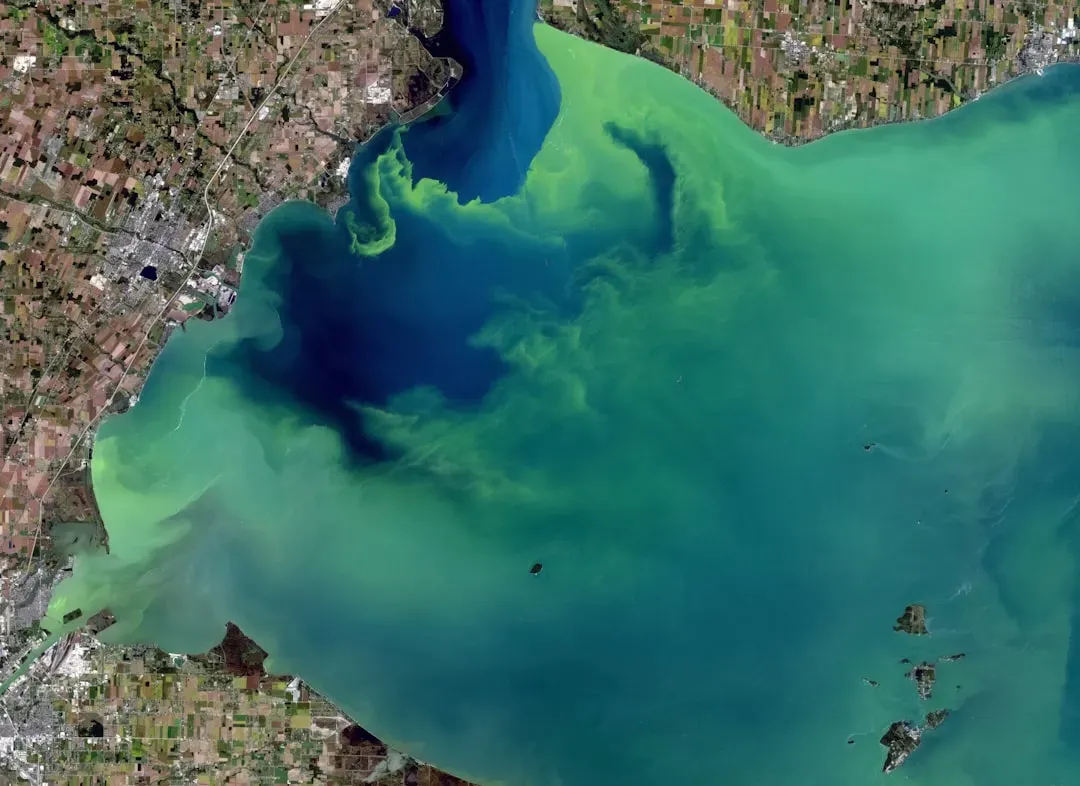
Fertilizer runoff, sewage, animal waste, aquaculture, and the deposition of nitrogen from the burning of fossil fuels are promoting excessive growth of plant life, a process known as eutrophication, which mostly affects coastal areas. After the algae die and their cells sink, bacteria break down the cells for energy in a process that consumes oxygen and produces carbon dioxide, leading to a further reduction in water oxygen levels. This process, known as eutrophication, in combination with warming ocean temperatures, results in an overall decrease in oceanic oxygen levels and in some cases the production of hypoxic zones, or so-called dead zones.
Dead Zones: When the Ocean Stops Supporting Life
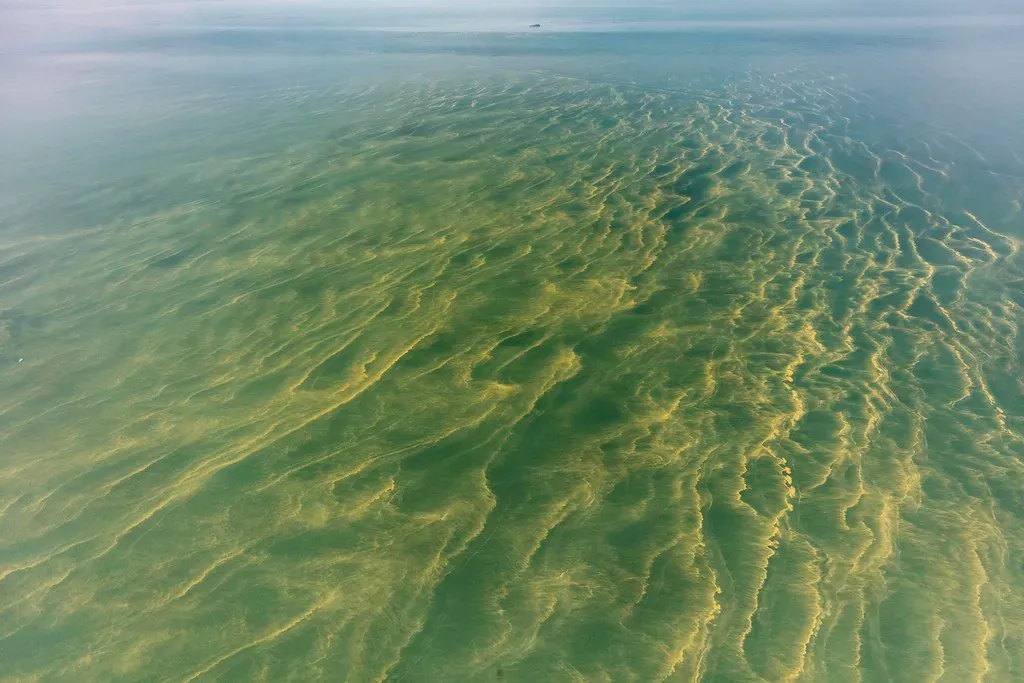
You may have heard the term “dead zone” thrown around, and honestly, it is as alarming as it sounds. The United Nations Environment Programme reported 146 dead zones in 2004 in the world’s oceans where marine life could not be supported due to depleted oxygen levels, with some covering as much as 70,000 square kilometers. By 2007, scientists had identified 169 dead zones, and currently estimate there may be over 1,000 dead zones around the world, including many that are undocumented.
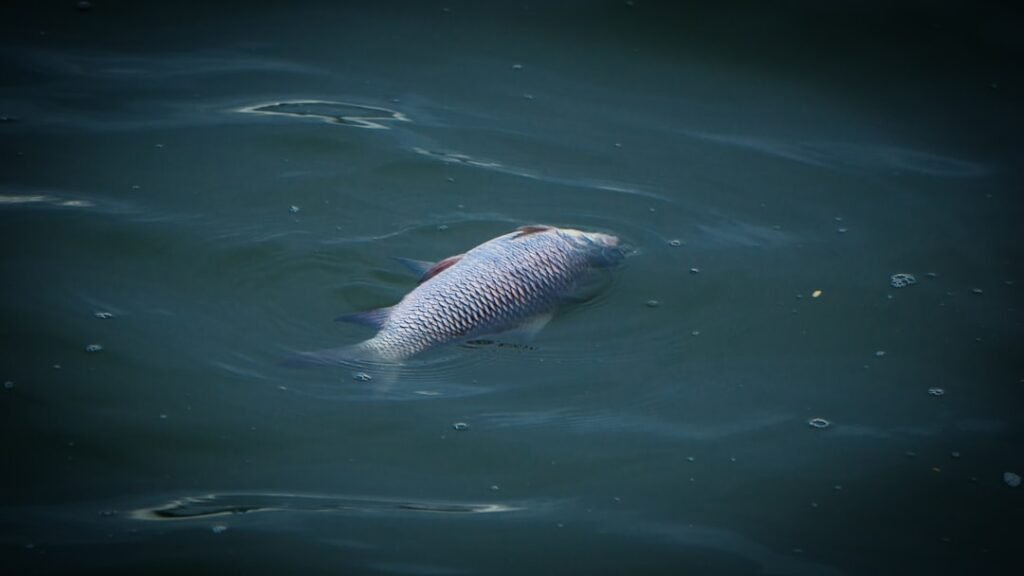
When exposed to extreme hypoxia, ecosystem function can completely collapse. Extreme deoxygenation will affect local fish populations, which are an essential food source. Think about what that means for the billions of people worldwide who depend on ocean fish as their primary source of protein. Dead zones can serve as breeding grounds for jellyfish populations as hypoxic conditions drive away competition for resources and common predators of jellyfish, and the increased population of jellyfish could have high commercial costs through loss of fisheries and lowered tourism revenue in coastal systems.
The Phytoplankton Problem: Your Oxygen Supply Is at Risk
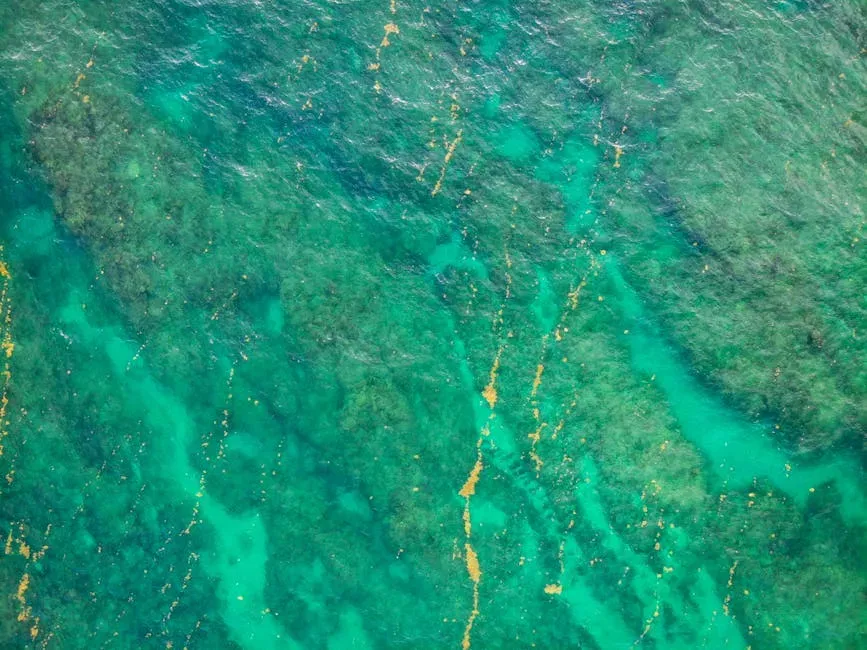
This is the part that keeps scientists up at night, and honestly it should keep you up too. Most people think of trees as the lungs of the Earth. In reality, the oceans are doing the heavy lifting. A considerable part of the oxygen produced in the ocean goes to the atmosphere through the ocean surface, and it is estimated that around 50 to 80 percent of atmospheric oxygen originates in the ocean.
A study led by Sergei Petrovskii, Professor in Applied Mathematics from the University of Leicester’s Department of Mathematics, showed that an increase in the water temperature of the world’s oceans of around six degrees Celsius could stop oxygen production by phytoplankton by disrupting the process of photosynthesis. About two-thirds of the planet’s total atmospheric oxygen is produced by ocean phytoplankton, and therefore a cessation of that production would result in the depletion of atmospheric oxygen on a global scale, which would likely result in the mass mortality of animals and humans. That is not science fiction. That is a published scientific finding.
Marine Ecosystems on the Brink: From Coral to Cod
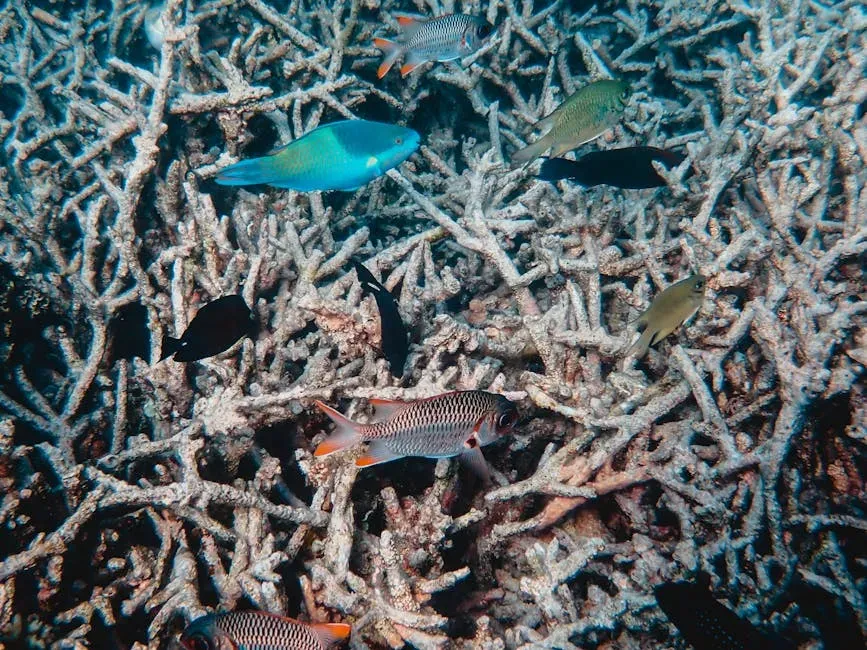
Deoxygenation does not hit all species equally. Some will adapt, many will not. Ocean deoxygenation has started to alter the balance of marine life, favouring hypoxia-tolerant species such as microbes, jellyfish, and some squid at the expense of hypoxia-sensitive ones, including many marine species and most fish. Imagine an ocean dominated by jellyfish and microbes instead of tuna, cod, and dolphins. I know it sounds crazy, but science says that’s the direction we’re heading.
Deoxygenation is causing a wide range of effects on marine life, including reducing the quality and quantity of suitable habitat, reducing growth rates, changing visual function, interfering with reproduction, and increasing disease susceptibility. Loss of oxygenated habitat, called habitat compression, can alter the encounters and interactions of predators and prey species, and forcing organisms together into a compressed habitat can reconfigure food webs entirely. Picture an entire food web being reshuffled like a deck of cards – except the game has real consequences.
Deoxygenation and the Human Cost: Food, Jobs, and Survival
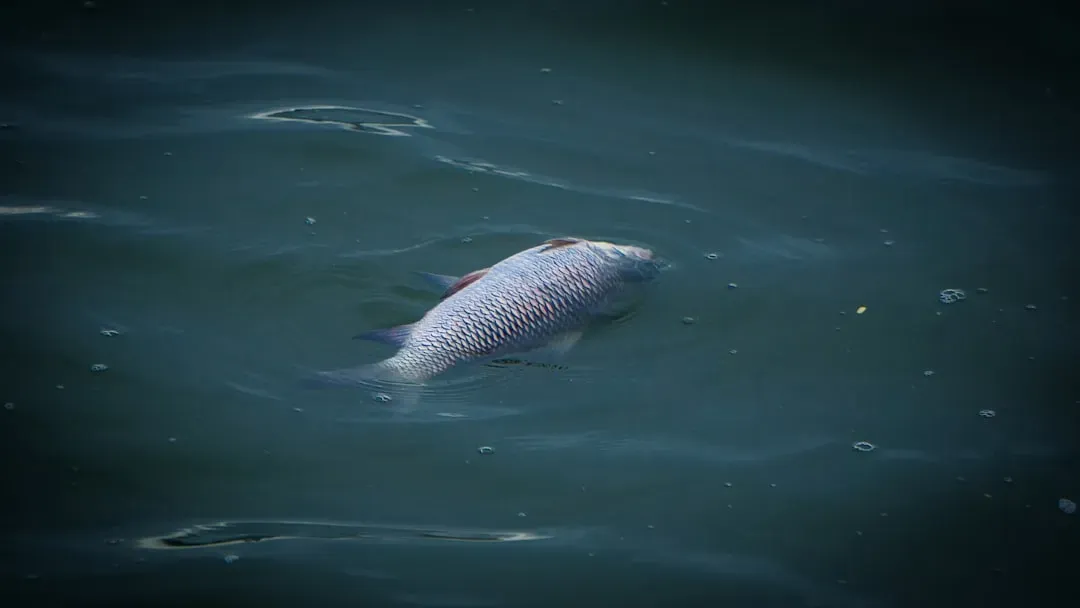
Let’s be real about something: this is not just an environmental issue. It is a deeply human one. Fishing industries worldwide face declining catches as commercially valuable species like tuna, cod, and squid abandon oxygen-depleted waters or experience reduced populations, and the World Bank estimates that fisheries contribute over 400 billion dollars annually to the global economy, supporting 260 million jobs – livelihoods now threatened as dead zones expand.
In the Philippines, aquaculture farms lost tons of fish in several hypoxia events, and the dead fish released histamines that poisoned many who consumed them. Anoxic waters are harmful to most fish and shellfish, but even hypoxic waters reduce the metabolic scope for growth, and consequently limit the ability of animals to forage, avoid predation, or fend off diseases. The ripple effects of this reach from fishing villages in Southeast Asia all the way to the supermarket shelves in your hometown.
What Happens If We Do Nothing: A Future Without Oxygen
It’s hard to say for sure exactly when a tipping point might come, but the scientific modeling is sobering. Less than a quarter of ocean deoxygenation that will ultimately be caused by historical carbon dioxide emissions is already realized, and about 80 percent of the committed oxygen loss occurs below 2,000 meters depth, where a more sluggish overturning circulation will increase water residence times. According to model results, the deep ocean will lose more than ten percent of its pre-industrial oxygen content even if carbon dioxide emissions were stopped today.
Decline of dissolved oxygen in the ocean is a growing concern, as it may eventually lead to global anoxia, an elevated mortality of marine fauna, and even a mass extinction. As a recent study warned, major extinction events in Earth’s history have been associated with warm climates and oxygen-deficient oceans. History has a habit of repeating itself when we ignore its lessons – and Earth’s geological record is blunt about what happens when oceans run out of breath.
Conclusion: You Are Part of This Story
Deoxygenation is one of those slow-motion crises that is easy to ignore precisely because it unfolds below the surface, literally and figuratively. The ocean still looks the same to the naked eye. The fish counter at your local market still has product. Yet beneath the waves, an oxygen emergency is accelerating in ways that touch everything from the food you eat to the very air you breathe.
To slow and reverse the loss of oxygen, humans must urgently mitigate climate change globally and reduce nutrient pollution locally. Actions need to be implemented now for the ocean to have a chance to recover. Carbon dioxide emissions must be urgently cut in order to mitigate ocean warming, as scientists predict recovery rates on the timescale of centuries under business-as-usual emissions. That means the decisions being made today – by governments, industries, and yes, by you – will determine whether future generations inherit a breathing ocean or a suffocating one.
The ocean gave Earth its first breath of oxygen billions of years ago. The question worth sitting with is this: are we really willing to take that breath away? What do you think about the future we’re leaving behind? Share your thoughts in the comments.