Picture a tiny crab scuttling across a stretch of sandy beach, dragging behind it not an ordinary seashell, but a neon-green bottle cap, perched proudly like a crown. It’s a sight that can make you laugh, shake your head, or even feel a pang of concern. In a world where human trash washes up on every shore, these quirky crustaceans have become unexpected fashion icons, transforming litter and leftovers into wearable art. But the story goes much deeper: what looks like a whimsical hat is actually a matter of life and death, creativity, and survival. Let’s dive into the fascinating world of crabs and their surprising approach to making the best of a messy situation.
The Hermit Crab’s Eternal Search for Shelter
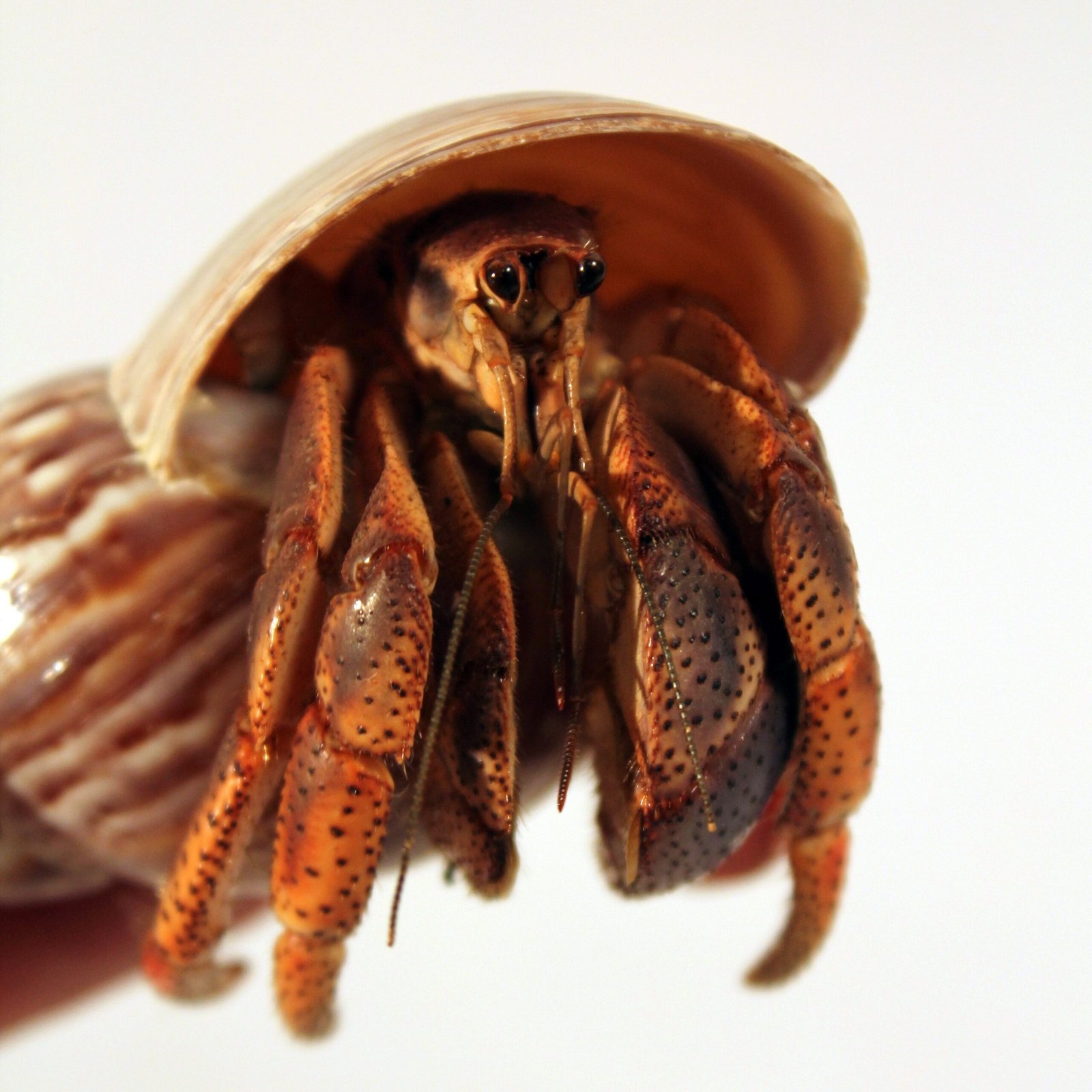
Hermit crabs aren’t born with hard shells. Instead, they’re soft, vulnerable, and always on the lookout for something to protect their squishy bodies. Traditionally, that means finding abandoned snail shells, but there’s never enough to go around. This never-ending quest leads them on a journey across beaches, tide pools, and even bustling harbors, always hunting for the perfect fit. The stakes are high—without a shell, a hermit crab becomes easy prey or risks drying out in the sun. The search for a “home” is as critical as food or water, and it’s a constant part of hermit crab life.
Trash on the Shore: Unexpected Opportunities
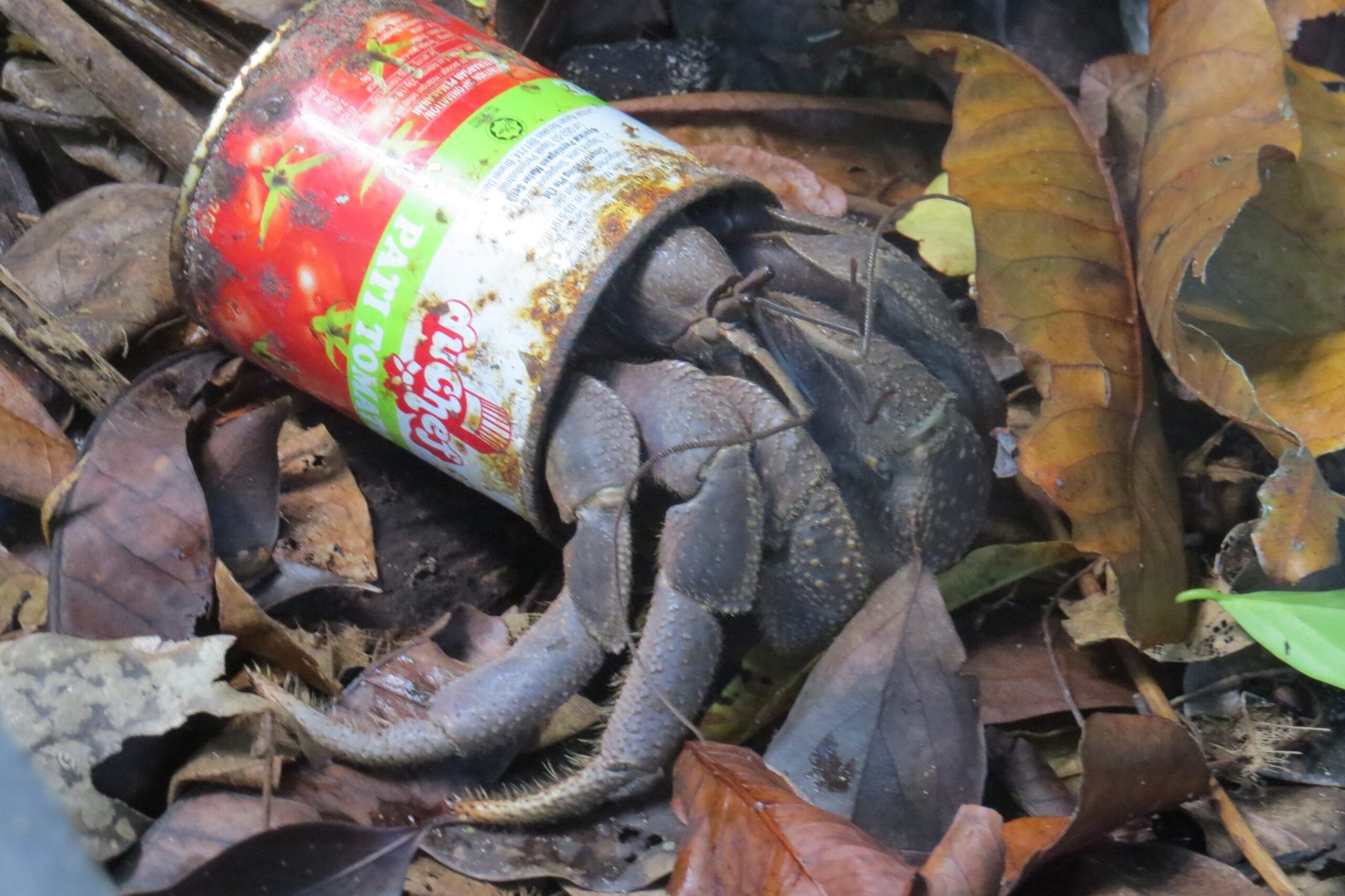
As humans leave behind bits of plastic, glass, and metal, crabs encounter a new world of possibilities. Discarded bottle caps, pen caps, and even broken bulbs become the new items on the market. For crabs, this trash isn’t just debris—it’s a treasure trove of potential homes. Some crabs are surprisingly picky, ignoring certain items while rushing to claim others. The most creative among them will try on many “hats” before finding the one that suits their needs. It’s a strange twist: the very pollution that harms so much marine life is, for some crabs, a tool for survival.
From Shells to Bottle Caps: The New Crab Couture
There’s something almost comical about a crab wearing a Coca-Cola cap. But this isn’t just a funny sight—it’s a symbol of adaptation. Crabs have learned to use whatever the ocean gives them, whether it’s a perfectly spiraled shell or a jagged piece of plastic. Scientists have even seen crabs competing for the most stylish “hats,” with fierce battles breaking out over particularly prized pieces of trash. These makeshift homes come in all shapes, sizes, and colors, turning the shoreline into a living fashion show.
Why Crabs “Wear” Their Homes
It’s not vanity that drives crabs to wear their unusual hats. Their homes—whether shell, cap, or cup—serve as armor against predators and shields from the harsh sun. For hermit crabs, the home needs to be just the right size: too small, and they can’t tuck in; too big, and they’re weighed down and slow. The best “hat” is always practical first, fashionable second. Yet, in a world overflowing with human trash, the line between practicality and creativity gets blurred.
The Science of Selection: How Crabs Choose Their Hats
Crabs are surprisingly choosy. Scientists have watched hermit crabs inspect dozens of shells or trash items before settling on one. They turn them over, poke inside, and even try them on for size. If a crab finds a good fit, it’ll quickly abandon its old home and make the switch. Sometimes, a crab will even “trade up” when a better option comes along, sparking a chain reaction known as a “vacancy chain” where crabs swap homes in rapid succession. This behavior shows just how much thought goes into every new hat.
Adaptation in Action: Crab Survival Tactics
Using trash as shelter is more than just resourcefulness—it’s a story of survival. Crabs who can adapt to changing environments have a better chance of outliving their peers. When natural shells are scarce, a plastic cap or broken bottle might be the difference between life and death. This ability to improvise demonstrates the incredible resilience of these tiny creatures. It’s a lesson in making the best of what you’ve got, even if it isn’t perfect.
The Hidden Dangers of Wearing Human Trash
While some crabs thrive with their unconventional homes, there are hidden risks. Not all trash is safe. Sharp edges can cut, and toxic materials can leach into the crab’s body. Some items trap water, leading to mold and disease. The wrong fit can slow a crab down or make it more visible to predators. So while some crabs become unlikely survivors, others pay a steep price for their plastic hats.
Crab Fashion Shows: Nature’s Unintentional Runway
In some places, you can spot dozens of crabs wearing the strangest things: toothpaste caps, shotgun shells, and even tiny doll heads. These makeshift fashion shows are both hilarious and heartbreaking. For scientists and beachgoers, they’re a living reminder of just how far human impact stretches. Some people have started documenting these “designer” crabs, sharing photos that go viral and spark conversations about ocean pollution.
What Makes a Perfect Crab “Hat”?
Not every piece of trash is crab-worthy. The best homes are lightweight, waterproof, and just big enough for the crab to hide inside. Some crabs seem to prefer darker colors, which might help them blend into the shadows. Others go for flashy, bright pieces that make them stand out. Ultimately, the perfect hat is the one that keeps a crab safe, dry, and mobile. It’s a delicate balance between fashion and function, dictated by necessity.
Human Influence: How Our Litter Shapes Crab Behavior
It’s no coincidence that crabs are turning to trash. As humans continue to pollute coastlines, natural shells become harder to find. Crabs have no choice but to innovate. This shift in behavior is a direct result of our actions, showing how even the smallest creatures are affected by what we leave behind. It’s a powerful reminder that every bottle cap tossed aside could end up as someone’s home—at least for a little while.
Ingenious Problem-Solvers: Crabs and Tool Use
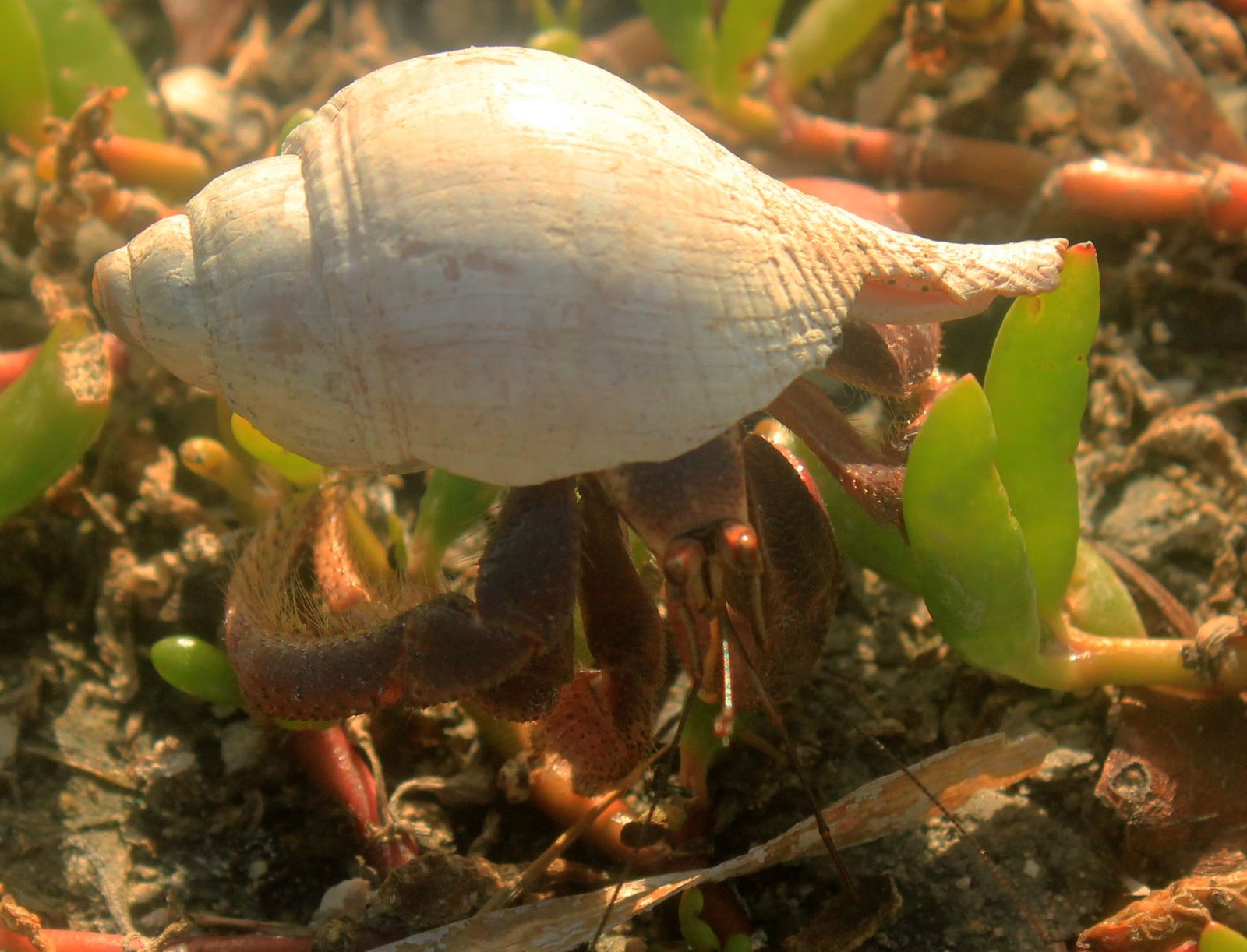
Some scientists argue that hermit crabs are among the best problem-solvers in the animal kingdom. They use trial and error, patience, and even a bit of social negotiation to find the right hat. In crowded crab communities, they’ll form lines and wait for someone to upgrade so they can claim the hand-me-down. This kind of strategic thinking is rare in the animal world, making their “hat shopping” all the more impressive.
Crab Communities and the Shell Shortage Crisis
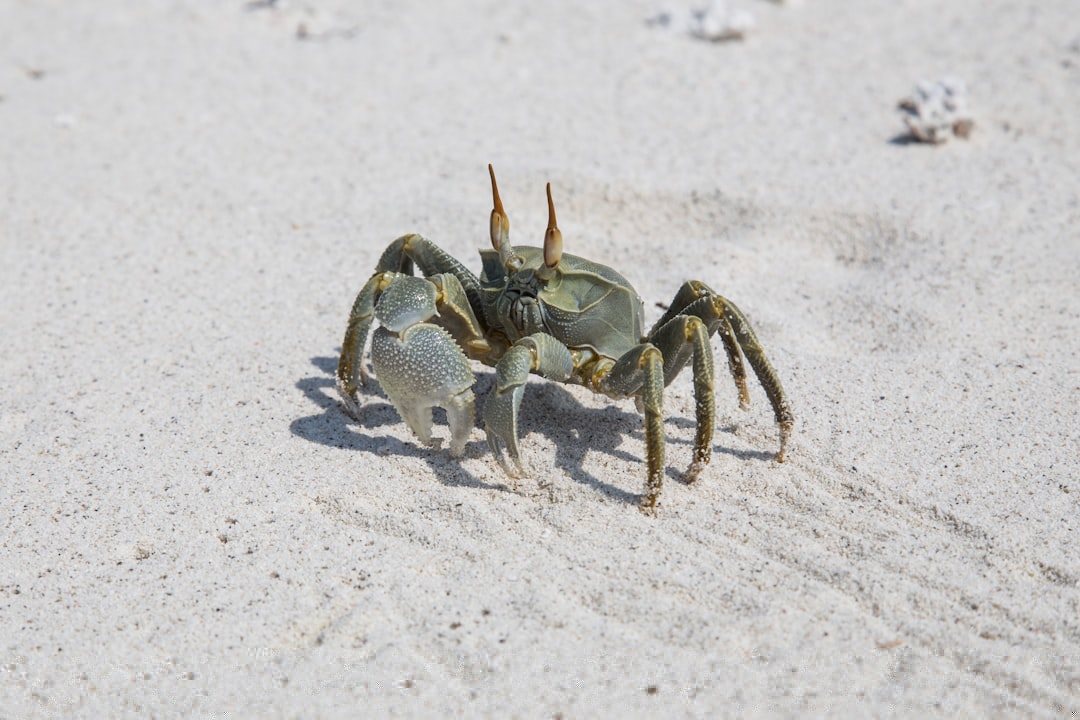
When there aren’t enough shells to go around, crabs get desperate. Competition becomes fierce, with some crabs fighting over scraps while others settle for whatever they can find. This shortage can lead to stunted growth, injury, and even death. As trash piles up on beaches, crabs are forced to make tough choices—do they risk a plastic cap, or go without a home altogether? These moments highlight the fragility of coastal ecosystems and the ripple effects of human carelessness.
The Global Stage: Crabs Wearing Trash Around the World
From the Caribbean to the Pacific, crabs have become accidental ambassadors of our throwaway culture. In Japan, crabs have been spotted wearing glass jars. In Australia, they’re seen with plastic toys. Each example tells a story about local pollution and how wildlife adapts. No matter where you travel, you’ll find crabs making do with whatever’s available—a symbol of both resilience and the global reach of human trash.
Researchers on the Front Lines: Studying Crab Adaptation
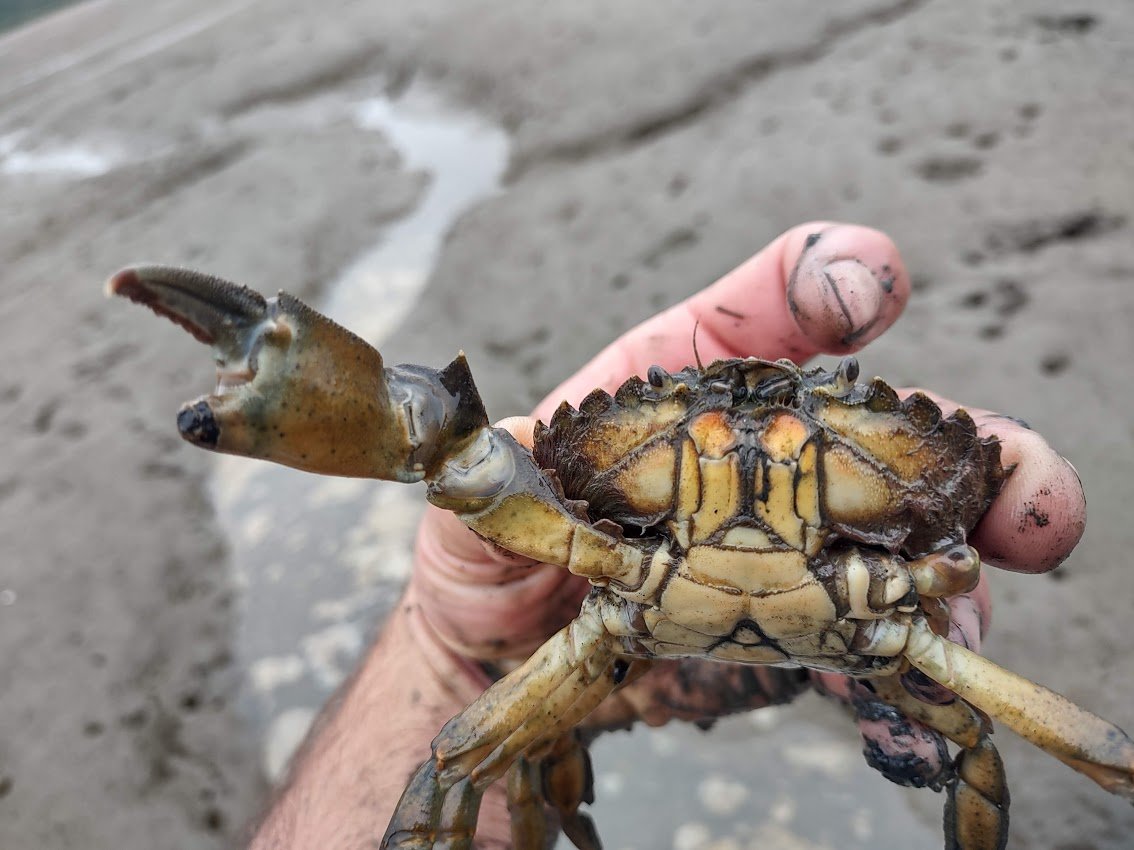
Marine biologists and ecologists are racing to understand how crabs adapt to this new world. They run experiments, tracking how crabs choose between shells and trash. Some research teams even provide artificial shells made from biodegradable materials to see if crabs prefer them over plastic. The results are surprising: many crabs will choose a well-made artificial shell over a bottle cap, suggesting that design and material matter as much as availability.
Art Meets Science: Crabs in Popular Culture
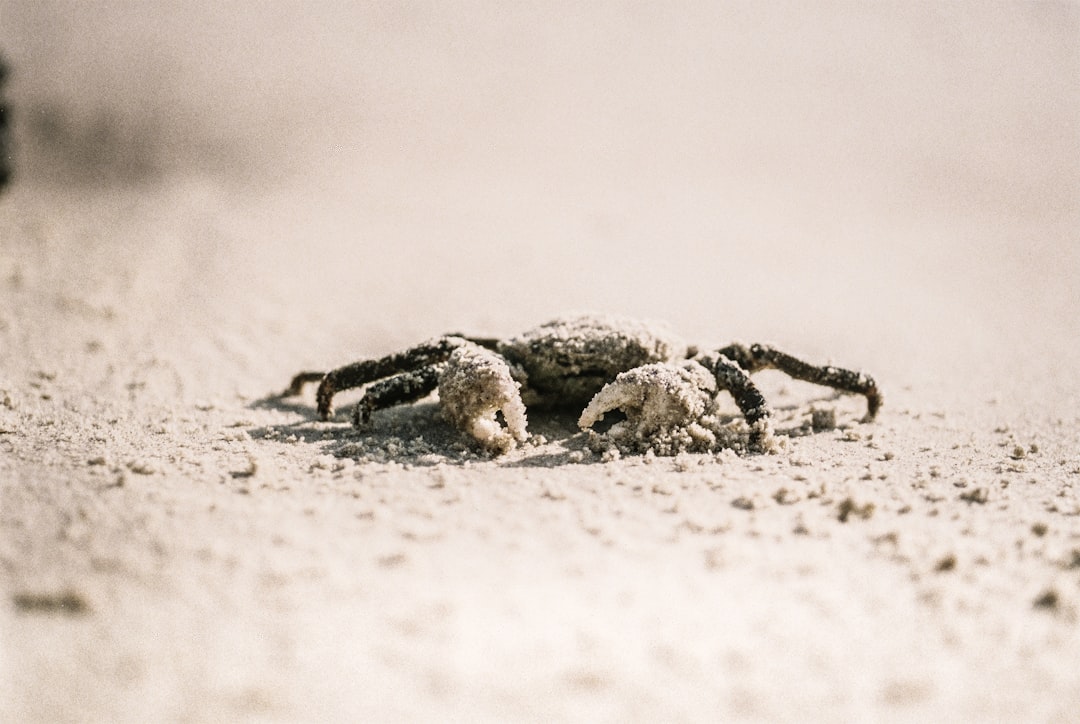
The sight of a crab sporting a bottle cap has inspired more than just scientists. Artists, photographers, and filmmakers have begun capturing these moments, turning them into powerful symbols of nature’s ingenuity and our responsibility. Environmental campaigns now use the image of “designer” crabs to raise awareness and spark action. What started as a peculiar natural behavior has become a rallying point for change.
Can Humans Help? Building Better Crab Homes
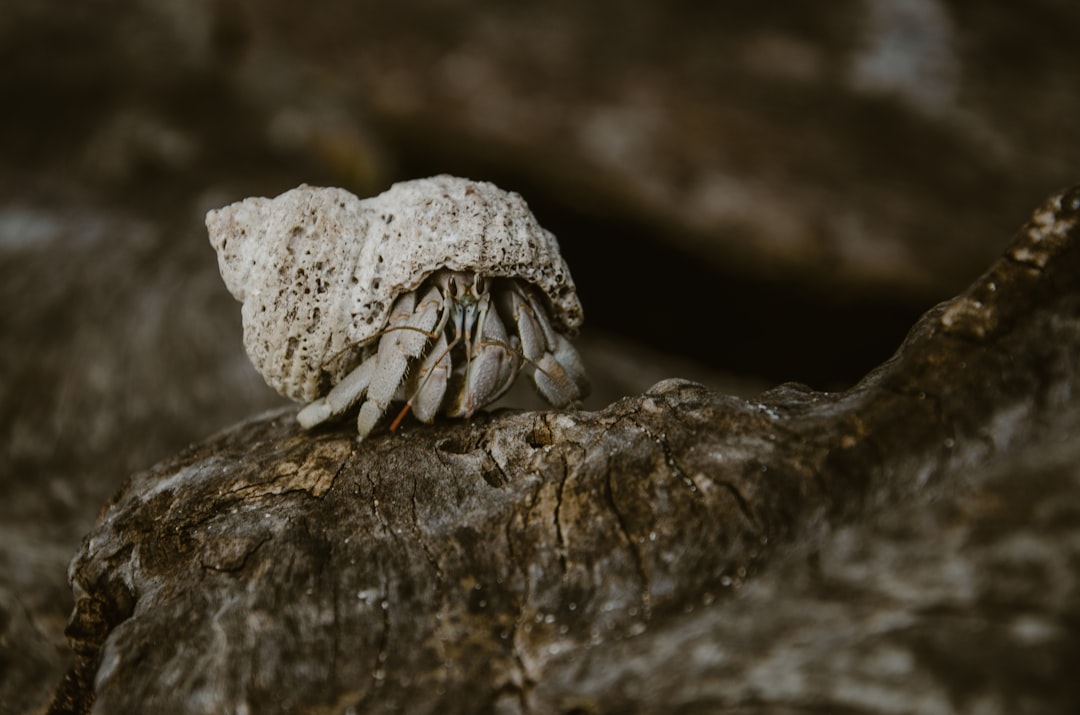
Some conservation groups have started building “crab condos”—artificial shells made from safe, ocean-friendly materials. These projects aim to give crabs better options and reduce the risks of trash-based homes. Volunteers clean up beaches and even run crab “home swaps” to help redistribute shells. While these efforts are small, they offer hope that people and crabs can coexist in a cleaner, safer world.
Lessons from a Crab’s Hat
Watching a crab parade down the shore in a bottle cap is a lesson in resourcefulness. It’s also a challenge: can we learn to adapt and innovate the way these creatures do, but without leaving such a mess behind? Crabs show us that survival is about making the best of what’s available, but they also remind us that what we leave behind matters. Their story is a call to action—one that asks us to look twice before tossing something away.
What the Future Holds for Crab Fashion
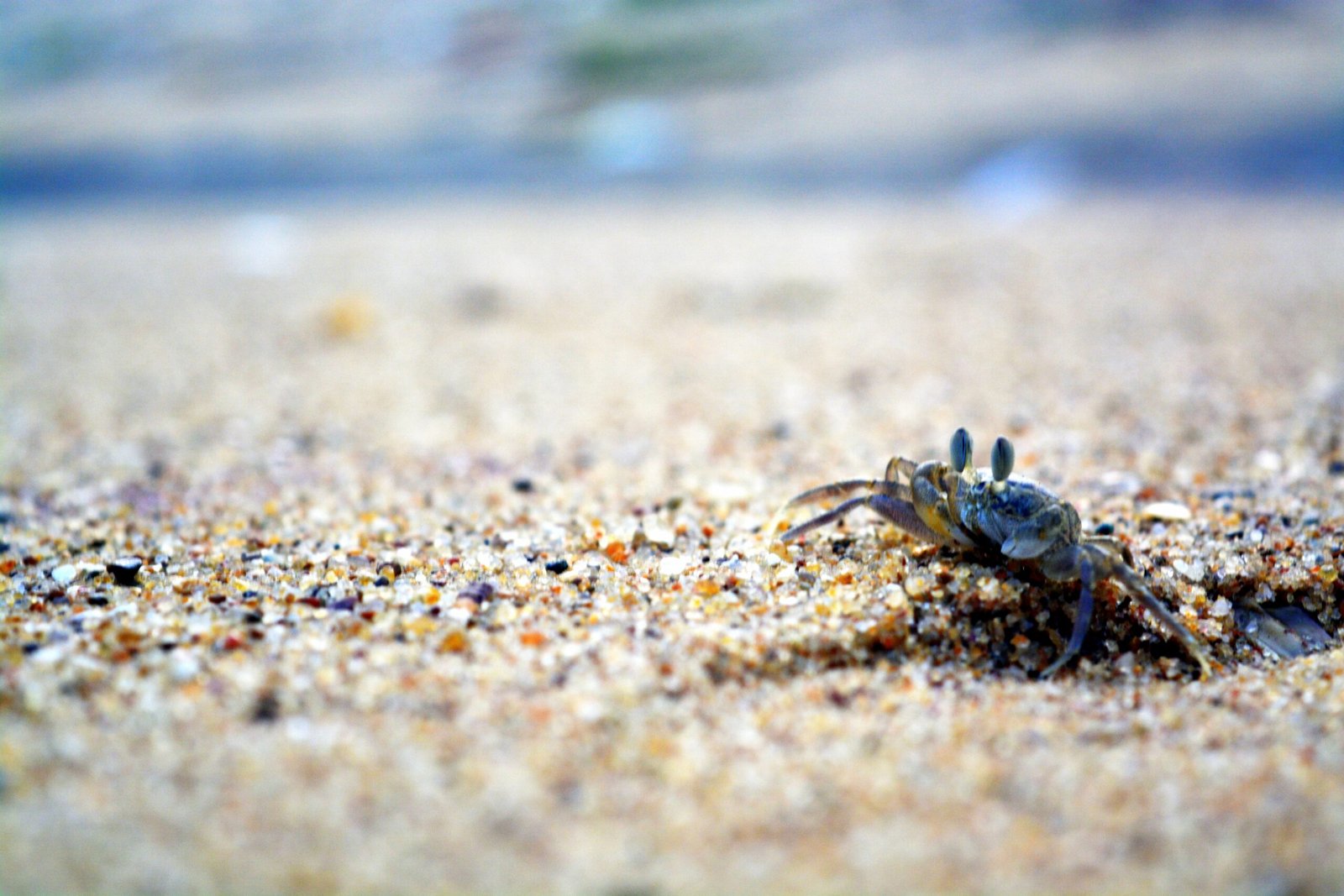
As ocean pollution grows, crabs will continue to find new, stranger hats. The next generation of crabs might be wearing microchip casings, solar panel shards, or fragments of 3D-printed toys. This future is both fascinating and troubling. But every time we spot a crab with an unusual hat, it’s a chance to rethink our relationship with the natural world—and what we’re leaving for those who come after us.