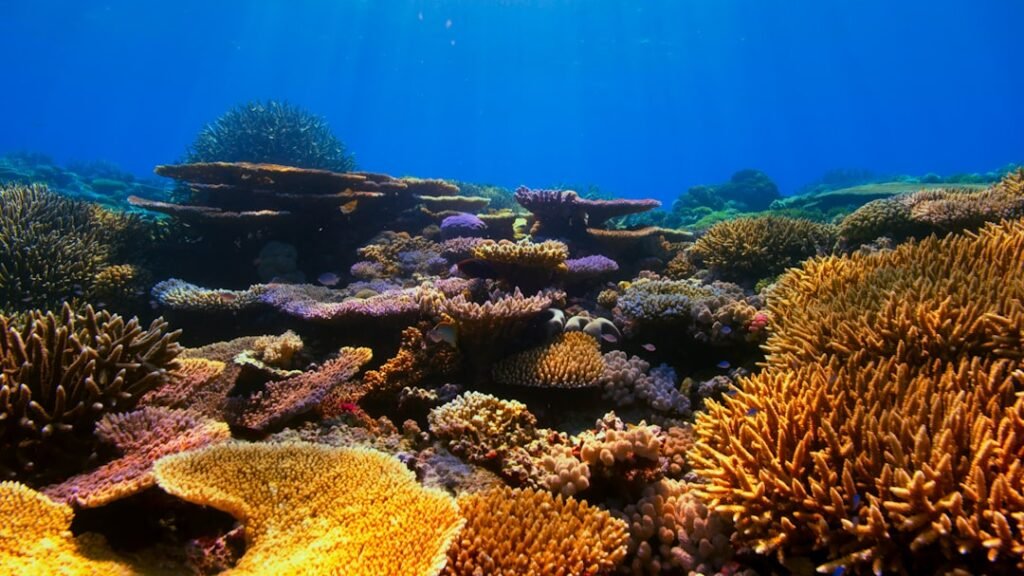

You’ve probably heard the heartbreaking headlines about coral bleaching events across the globe. Rising ocean temperatures have threatened these vibrant underwater cities for decades. Yet here’s something that might surprise you: not all corals are simply victims of climate change. Some are quietly fighting back, evolving and adapting in ways scientists are only beginning to understand. The story isn’t all doom and gloom anymore.
Research teams from institutions like Stanford University have discovered evidence that certain coral reefs are adapting and may actually resist warming oceans. This isn’t just wishful thinking. We’re talking about measurable changes happening right now beneath the waves. These reefs are employing remarkable survival strategies that could hold the key to their long-term persistence.
Swapping Symbionts for Survival
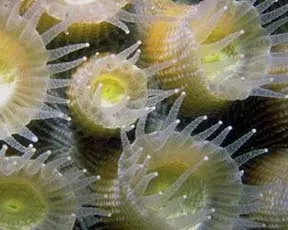
Let’s be real, corals aren’t just pretty rocks sitting on the ocean floor. They’re living organisms in a complex partnership with microscopic algae called zooxanthellae. These tiny symbionts provide corals with roughly the majority of their energy through photosynthesis. When water temperatures spike, this relationship typically breaks down, causing bleaching. However, some corals resist bleaching by hosting types of algae that can handle the heat, while others swap out the heat-stressed algae for tougher, heat-resistant strains.
This process, known as symbiont shuffling, is like changing your crew when conditions get rough. One particular heat-tolerant species has shown more thermal tolerance than other symbiont types, increasing the bleaching threshold by roughly one to two degrees Celsius. It’s hard to say for sure, but this ability to swap partners could be the difference between survival and death for many coral communities across tropical oceans.
Natural Laboratories of Heat Tolerance
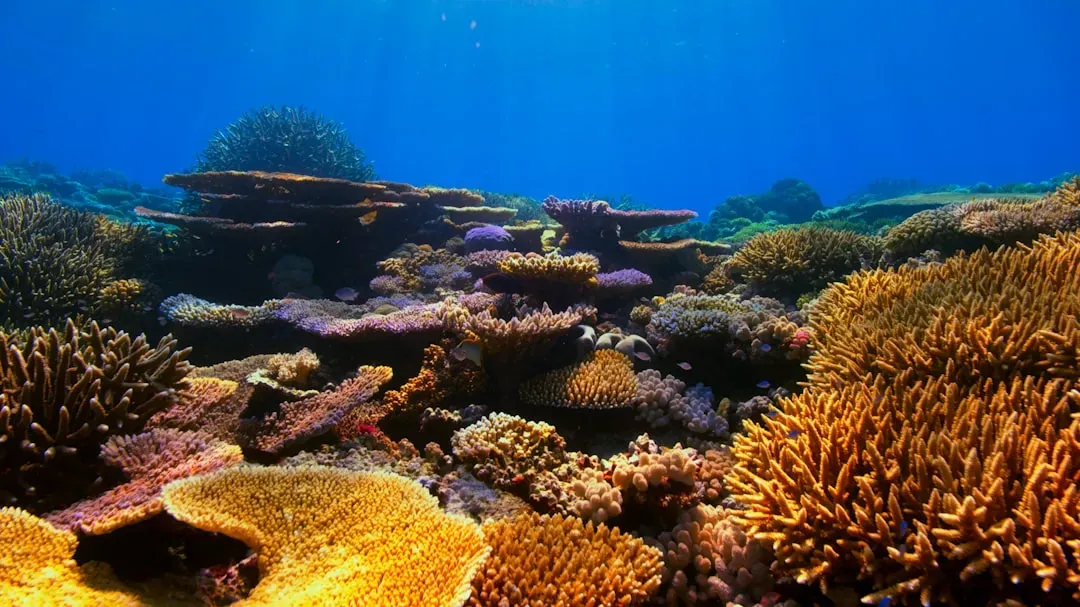
Researchers traveled to Ofu Island in American Samoa, a tropical coral reef marine reserve that has remained healthy despite gradually warming waters. What they found there was fascinating. The island offered naturally occurring pools with different temperature regimes, creating a perfect laboratory where corals experience daily temperature swings. Some pools see fluctuations that would stress most coral species to their breaking point.
In regions where annual maximum ocean temperatures were above roughly 84 to 88 degrees Fahrenheit, corals were avoiding bleaching by hosting higher proportions of heat-resistant symbionts. These corals weren’t suffering mass die-offs. They were thriving by maintaining partnerships with the right microscopic helpers. This discovery challenged conventional wisdom about coral vulnerability and opened new avenues for conservation strategies.
Genetic Diversity As a Shield
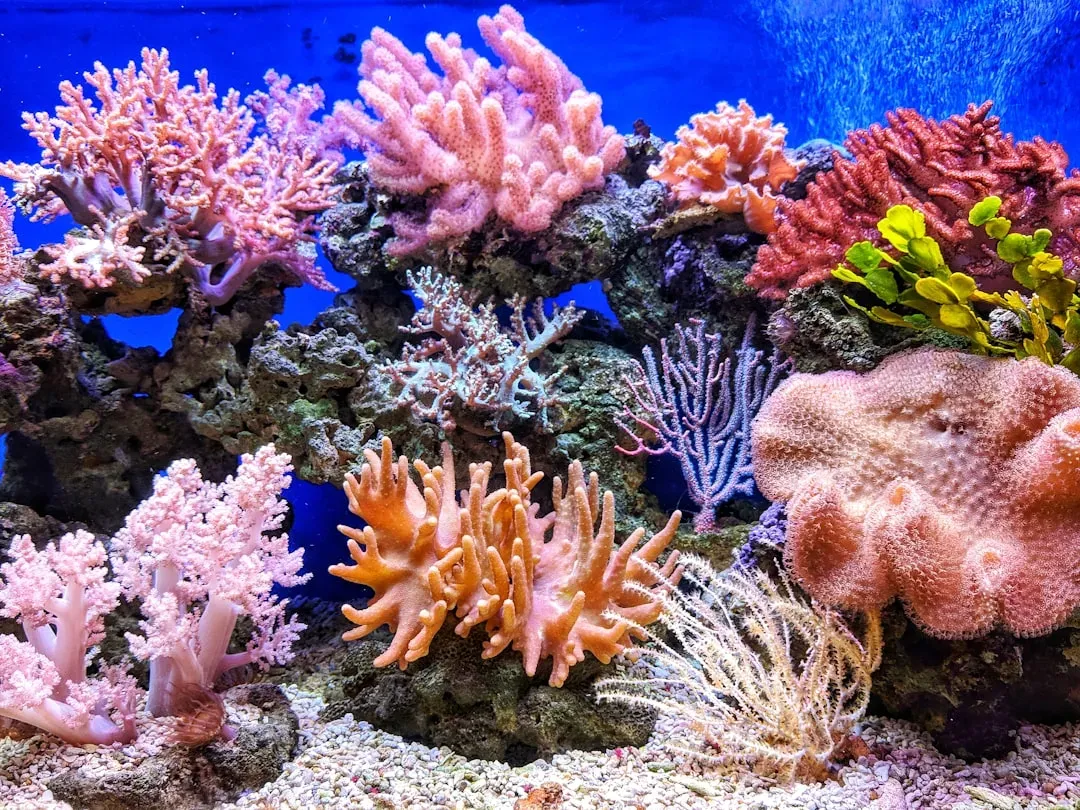
Here’s the thing about coral populations: diversity matters more than you might think. Genetically diverse coral reef networks were much more likely to survive warming waters than their less diverse counterparts. Think of it like an investment portfolio. The more variety you have, the better protected you are against unpredictable changes. Corals with high genetic variability survived regardless of climate circumstances in simulation studies.
Coral reefs that received larger amounts of larvae from other reefs were more likely to survive the effects of climate change, especially true for reefs in colder water that received heat-adapted larvae from hotter reefs. This connectivity between reef systems creates a biological insurance policy. When baby corals drift on ocean currents from one reef to another, they carry heat-tolerant genes with them, essentially sharing survival strategies across vast distances.
Rapid Acclimatization Through Gene Expression
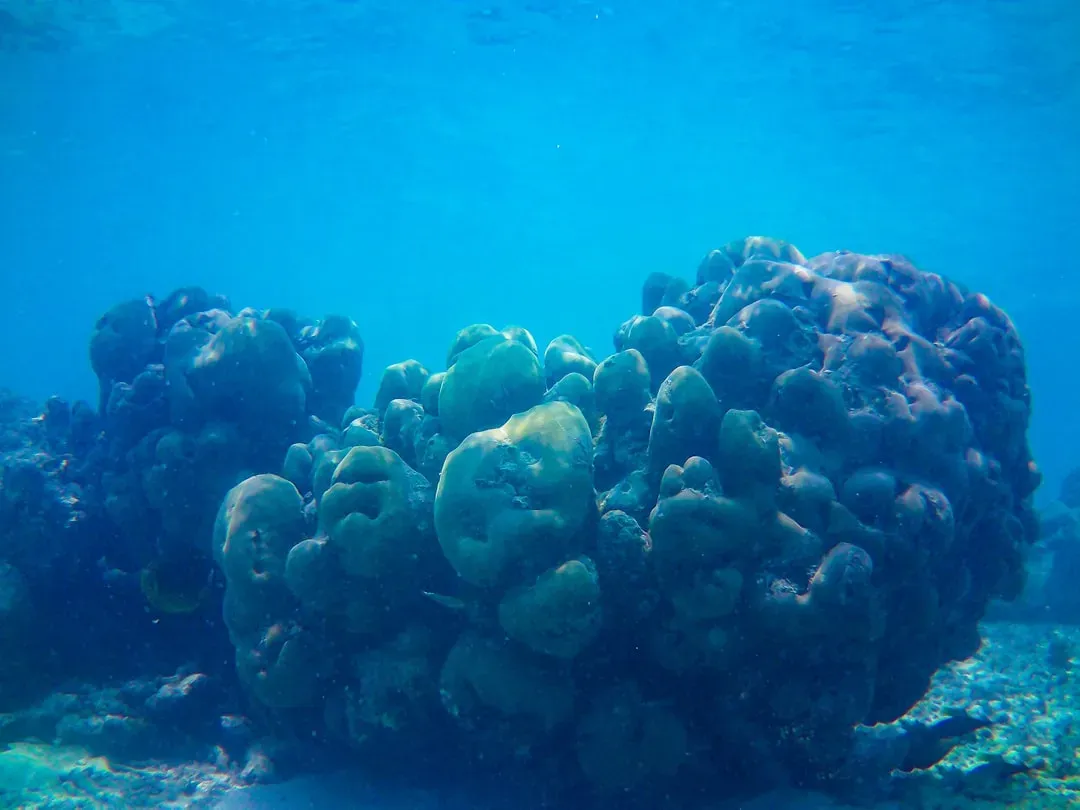
Corals transplanted into hotter and more variable conditions soon acquired thermal tolerance, with heat shock and transport proteins yielding heat tolerance far more rapidly than mutation and adaptation. This isn’t evolution in the traditional sense. We’re talking about individual corals ramping up production of protective proteins within their own lifetimes. Honestly, it’s pretty remarkable when you consider the timescales involved.
Local acclimatization and fixed effects contributed about equally to heat tolerance, and in less than two years, acclimatization achieved the same heat tolerance expected from strong natural selection over many generations. For long-lived organisms like corals, this represents an incredibly fast response. The ability to turn on specific genes quickly gives these colonies a fighting chance when temperatures spike during marine heatwaves.
Epigenetic Memory of Past Heat Stress
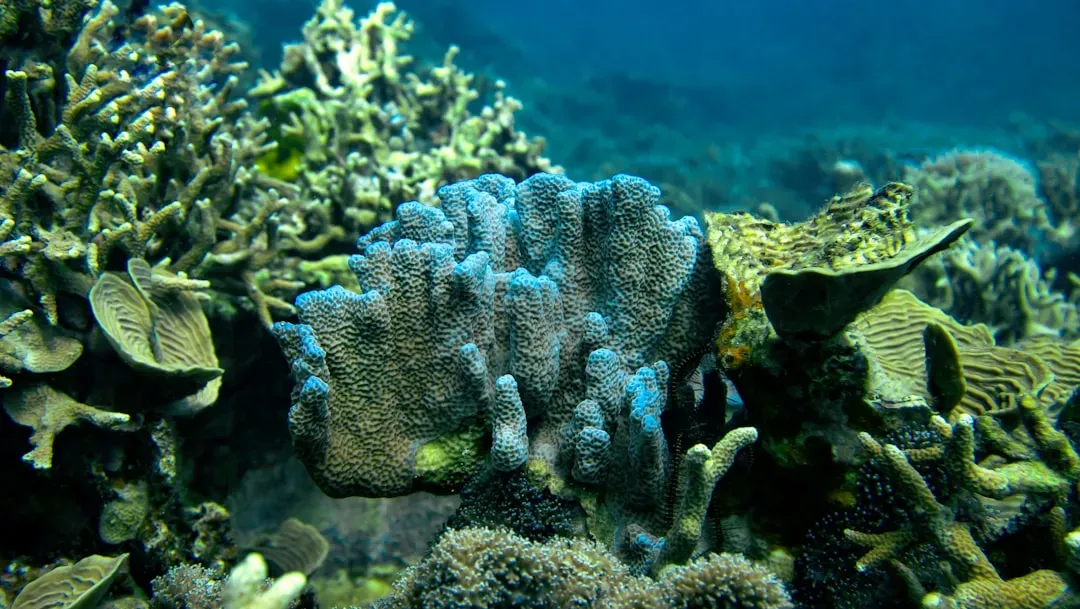
Corals might have something resembling memory, at least at the molecular level. A protective effect could be induced using short-term thermal profiles, which significantly improved immune tolerance and bleaching resistance, with a significant relationship between genomic methylation levels and accumulated thermal stress. DNA methylation essentially marks genes without changing the underlying code, allowing corals to remember previous stress events.
Changes in DNA methylation sites have been linked to transcriptional plasticity, which may facilitate response mechanisms to a previously encountered stressor. This means corals exposed to moderate warming might condition themselves for future heat waves. Still, this mechanism requires much more research before we fully understand its potential. The science is promising but we’re really just scratching the surface here.
Selective Breeding and Assisted Evolution
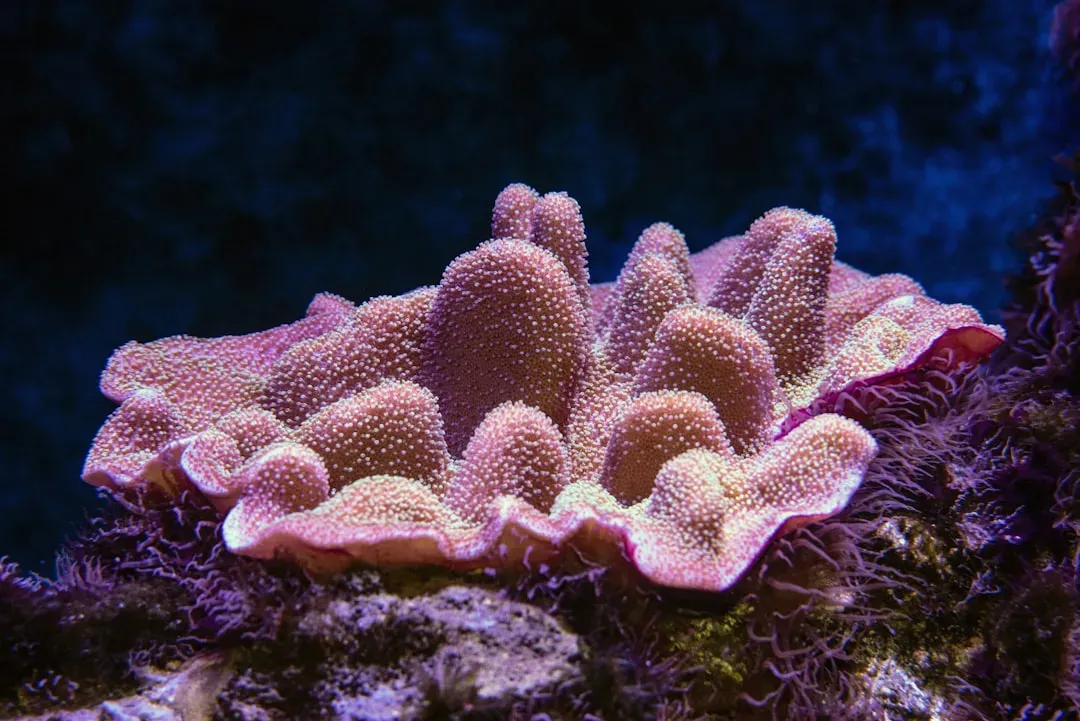
Corals from the hottest reefs in the world can transfer sufficient heat tolerance to a naïve population to withstand end-of-century warming projections, with heat survival increasing up to 84 percent when naïve mothers were selectively bred with fathers from the hottest reefs. Scientists are now actively exploring ways to accelerate natural adaptation through selective breeding programs. It sounds like science fiction, but it’s happening in research facilities right now.
Heat-evolved symbionts can associate with adult coral and persist long-term while enhancing coral thermotolerance without a trade-off against growth, paving the way for utilizing heat-resistant coral in reef restoration projects. This approach isn’t about creating genetically modified organisms. Instead, researchers work with existing genetic variation within coral populations, essentially helping nature along by connecting heat-tolerant individuals with those that need genetic reinforcement.
Super Corals in Extreme Environments
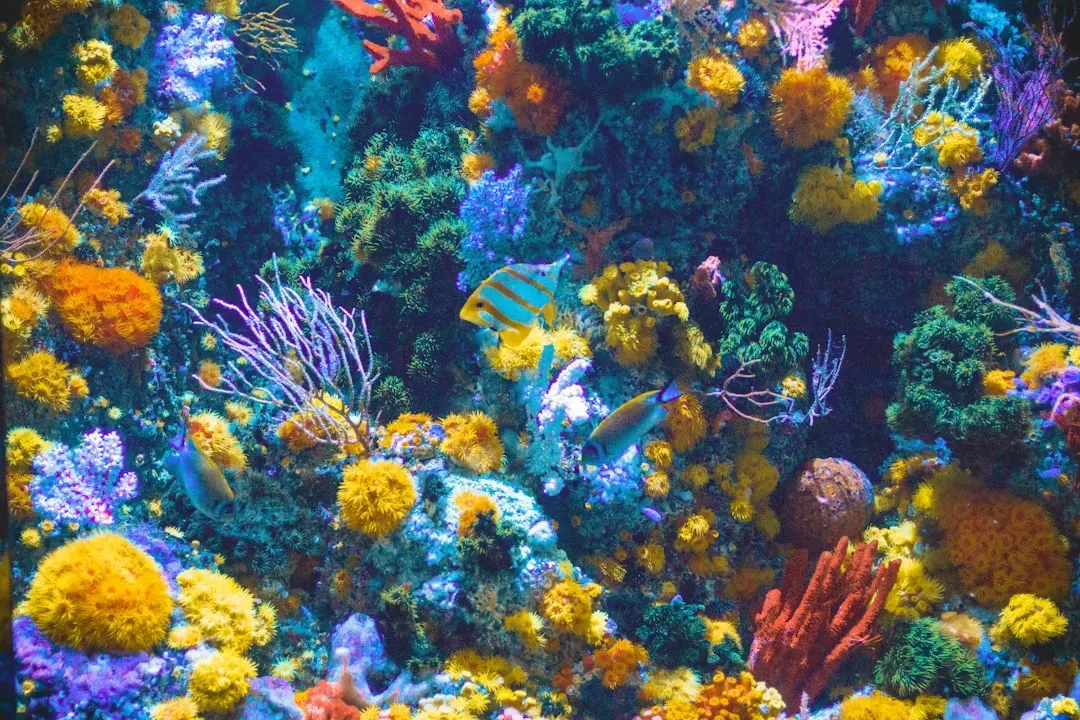
In the Tatakoto atoll in French Polynesia, a concentration of super corals capable of withstanding intense heatwaves and extreme temperature fluctuations was identified, with a semi-enclosed lagoon exhibiting temperature variations of three to four degrees Celsius per day. These corals live in conditions that would kill most other colonies. Water temperatures in the lagoon reach nearly 35 degrees Celsius, yet dozens of coral species are thriving there.
Coral species traditionally considered vulnerable showed greater thermal tolerance than those from more stable areas, suggesting that exposure to temperature variations can strengthen resilience and play a key role in conservation strategies. I know it sounds crazy, but these “super corals” might hold genetic secrets that could help save coral reefs worldwide. Researchers are now studying whether this exceptional resistance comes from genetic adaptation that can be passed to future generations.
The Role of Climate Refugia
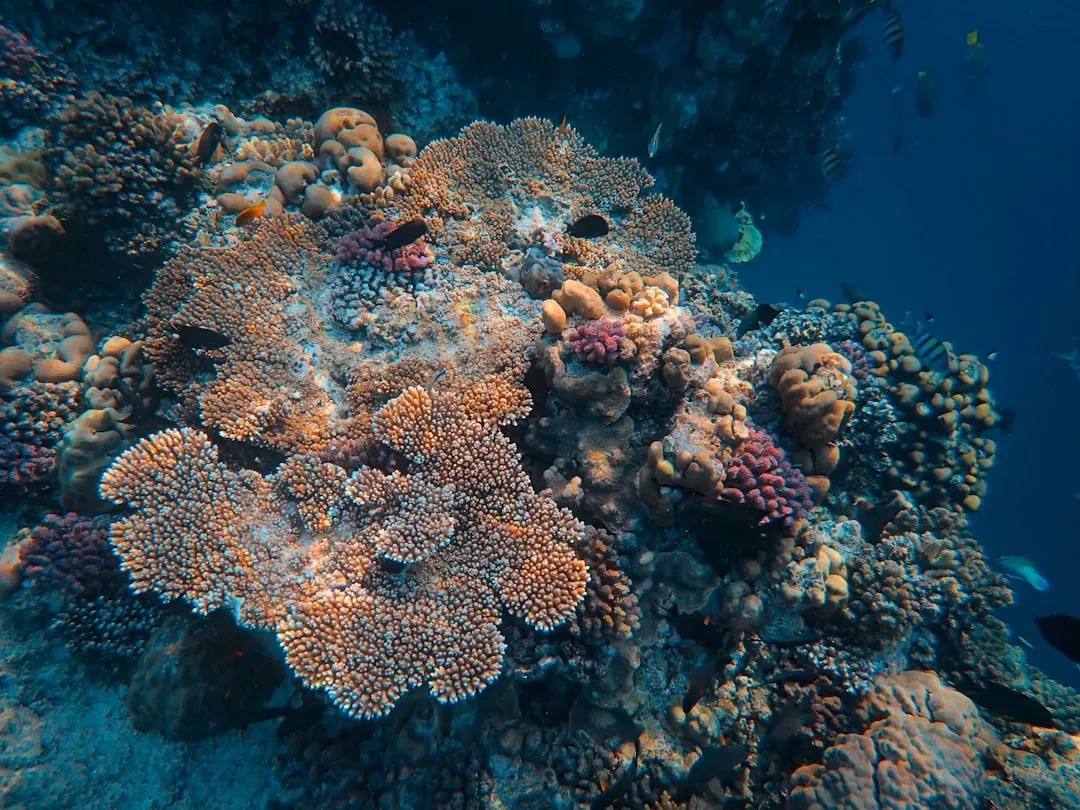
Seasonal upwellings bring cooler water up to the ocean surface, potentially buffering extreme temperature anomalies that cause bleaching, with projections suggesting that upwellings could continue to provide important climate refugia to coral reefs in warming oceans. Not all reef locations will experience the same intensity of warming. Some areas benefit from oceanographic features that moderate temperature extremes.
Recovery is possible this century if warming remains below two degrees Celsius, allowing thermal adaptation to keep pace, with resilient reefs primarily in bleaching refugia which also support a greater diversity of thermal phenotypes. These refuge zones could act as seed banks, preserving coral diversity while surrounding reefs struggle. The challenge lies in identifying and protecting these critical areas before it’s too late. Time is running out, but there’s still a window of opportunity if we act decisively.
Conclusion
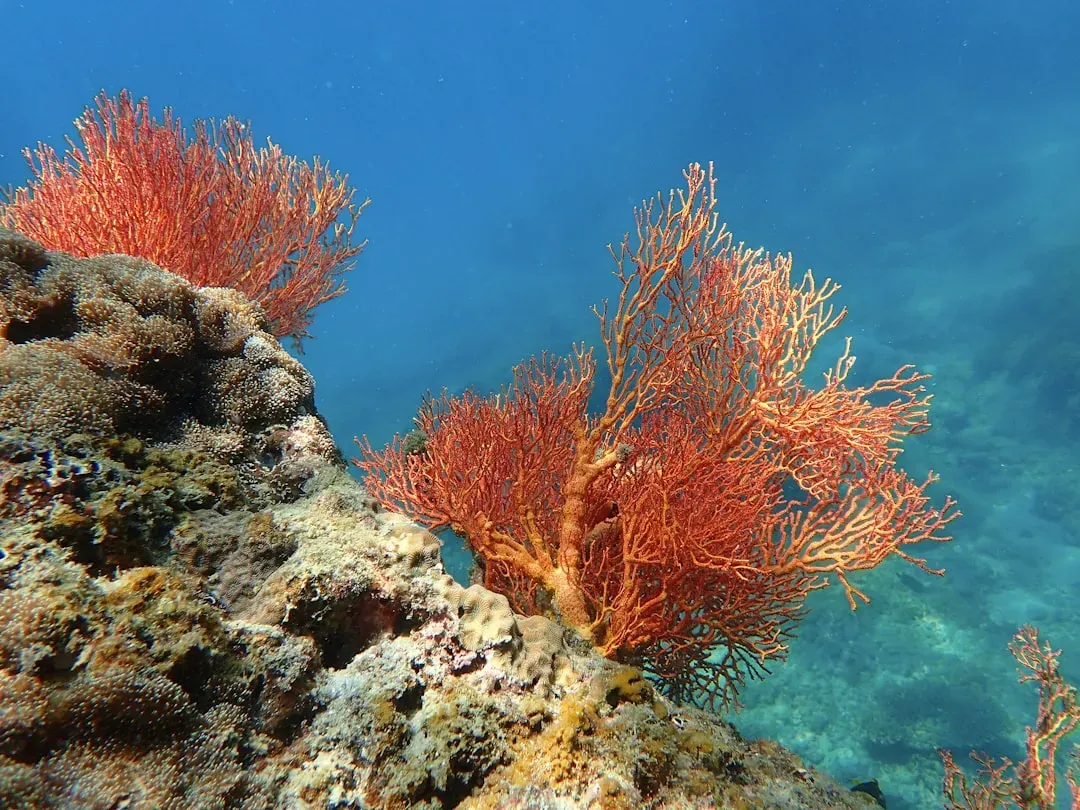
Coral reefs face an uncertain future, that’s undeniable. Yet the discovery that some corals possess remarkable adaptive capacities offers genuine hope. From symbiont shuffling to genetic diversity, rapid acclimatization to epigenetic memory, these underwater ecosystems are proving tougher than many scientists initially believed. An emergent increase in thermal tolerance at a rate of roughly one-tenth of a degree per decade has been revealed for some Pacific reef systems, and if thermal tolerance continues to rise at the most-likely historic rate, substantial reductions in bleaching trajectories are possible.
However, these natural mechanisms alone won’t save coral reefs without dramatic reductions in greenhouse gas emissions and continued local conservation efforts. The corals are fighting back, but they need our help. Did you expect that corals could be this resilient?