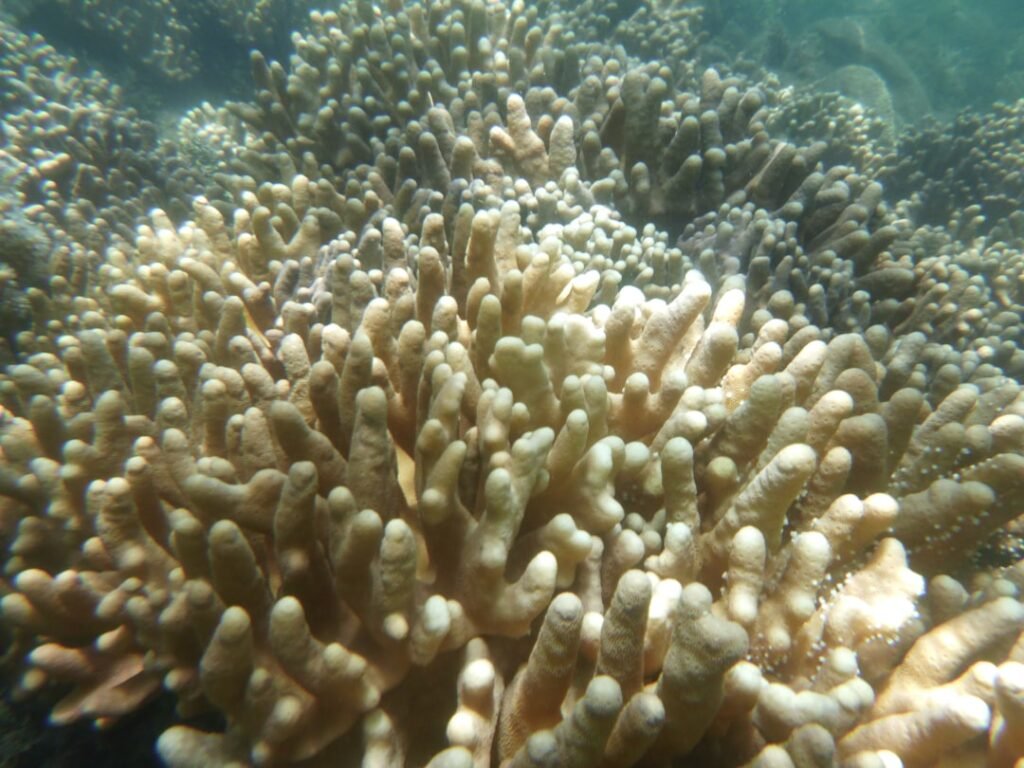

Picture yourself peering into the clearest turquoise waters imaginable, only to find ghostly white skeletal remains where vibrant underwater cities once thrived. You’re witnessing firsthand what scientists now call the most catastrophic transformation our oceans have ever experienced. Coral bleaching isn’t just making headlines because it’s visually dramatic – it’s literally reshaping the very fabric of marine life as you know it.
This ongoing environmental disaster represents the most extensive coral bleaching incident in recorded history, affecting a significant majority of the Earth’s coral reef ecosystems. What you’re seeing unfold isn’t just another environmental problem – it’s a complete ecosystem collapse that will fundamentally change how ocean life functions for generations to come. So let’s explore exactly how this underwater catastrophe is unraveling the complex web of marine life.
The Science Behind Coral Bleaching
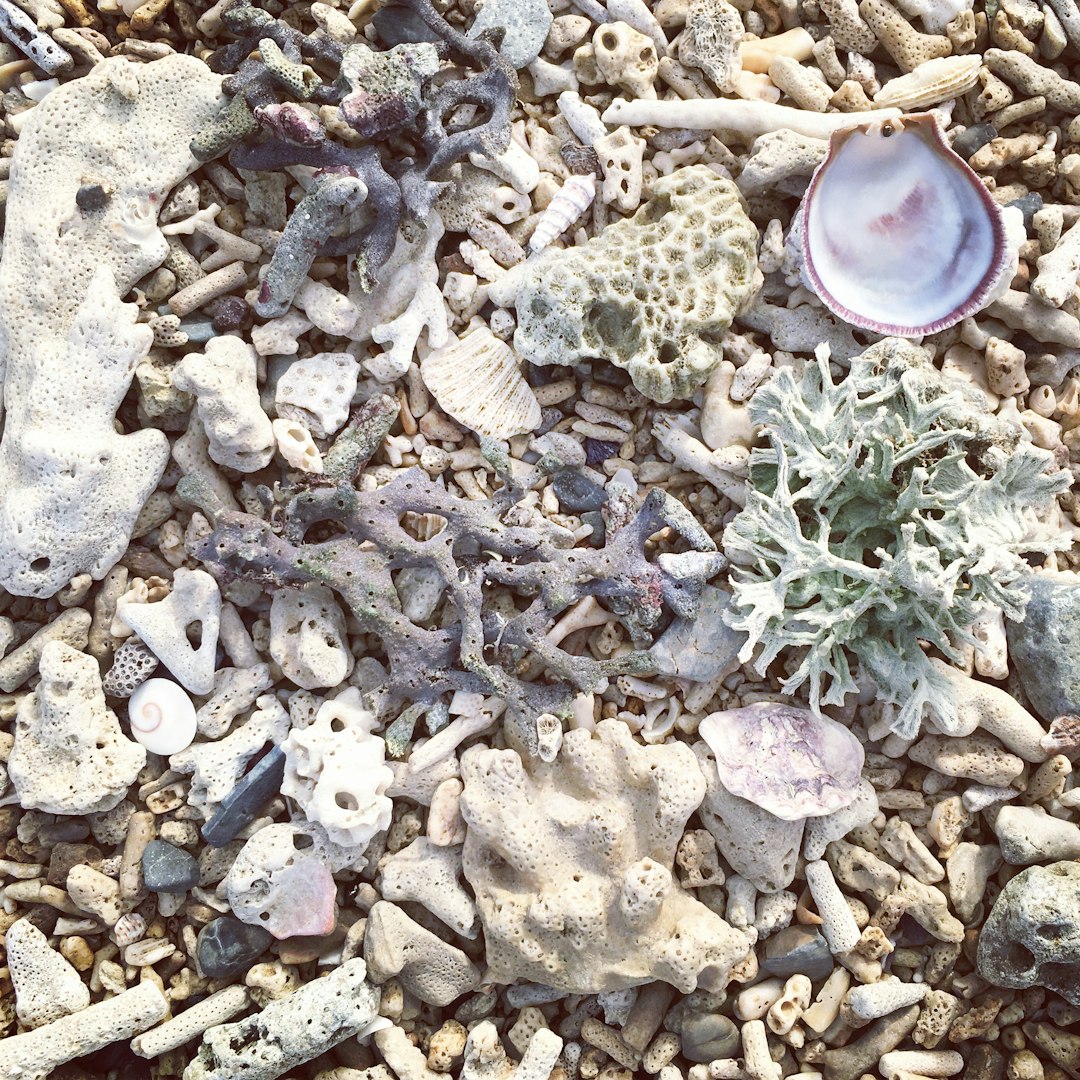
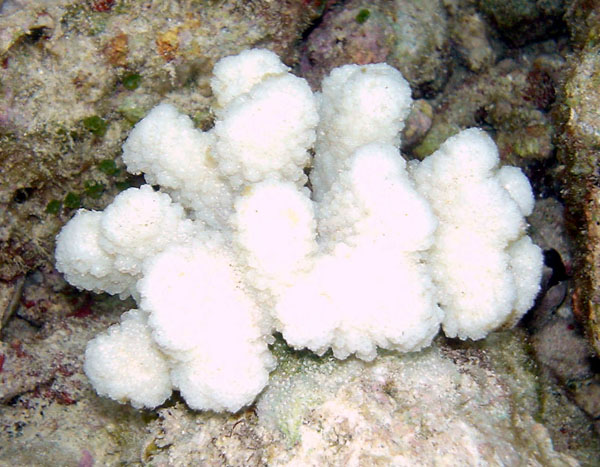
When you hear about coral bleaching, you’re essentially learning about one of nature’s most tragic breakups. Coral bleaching occurs when environmental stressors, particularly elevated ocean temperatures, disrupt the symbiotic relationship between coral polyps and zooxanthellae, the algae that reside within them. These algae provide corals with essential nutrients through photosynthesis and are responsible for their vibrant coloration.
Think of this relationship like a perfectly balanced roommate situation that’s worked for millions of years. When subjected to prolonged thermal stress, these algae release toxic compounds, prompting the coral to expel them as a defensive measure. This expulsion reveals the coral’s white limestone skeleton, leaving the organism weakened and significantly more vulnerable to mortality. What you’re witnessing is essentially the coral kicking out its life-supporting partner to survive the immediate crisis, though this often leads to death anyway.
Record-Breaking Ocean Temperatures
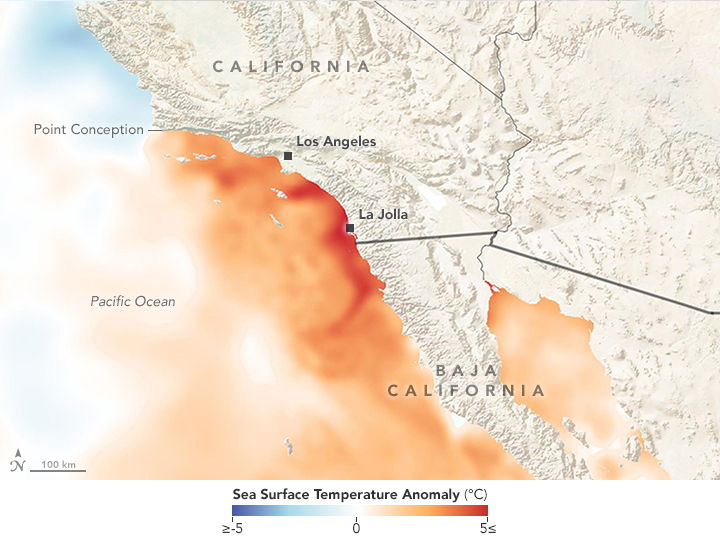
The numbers behind our current crisis are honestly staggering. Recent data indicate that 2024 set new temperature records for ocean temperatures, with significantly elevated sea surface temperatures, exceeding the thermal tolerance of many coral species.
You might think a fraction of a degree doesn’t sound like much, yet for coral reefs, it’s the difference between life and death. The January–March Coral Sea heat extremes in 2024, 2017 and 2020 were the warmest in 400 years, exceeding the 95th-percentile uncertainty limit of reconstructed pre-1900 maximum. The 2016, 2004 and 2022 events were the next warmest, exceeding the 90th-percentile limit. These temperatures represent unprecedented conditions that coral reefs have never experienced in their evolutionary history.
Global Scale of the Current Bleaching Event
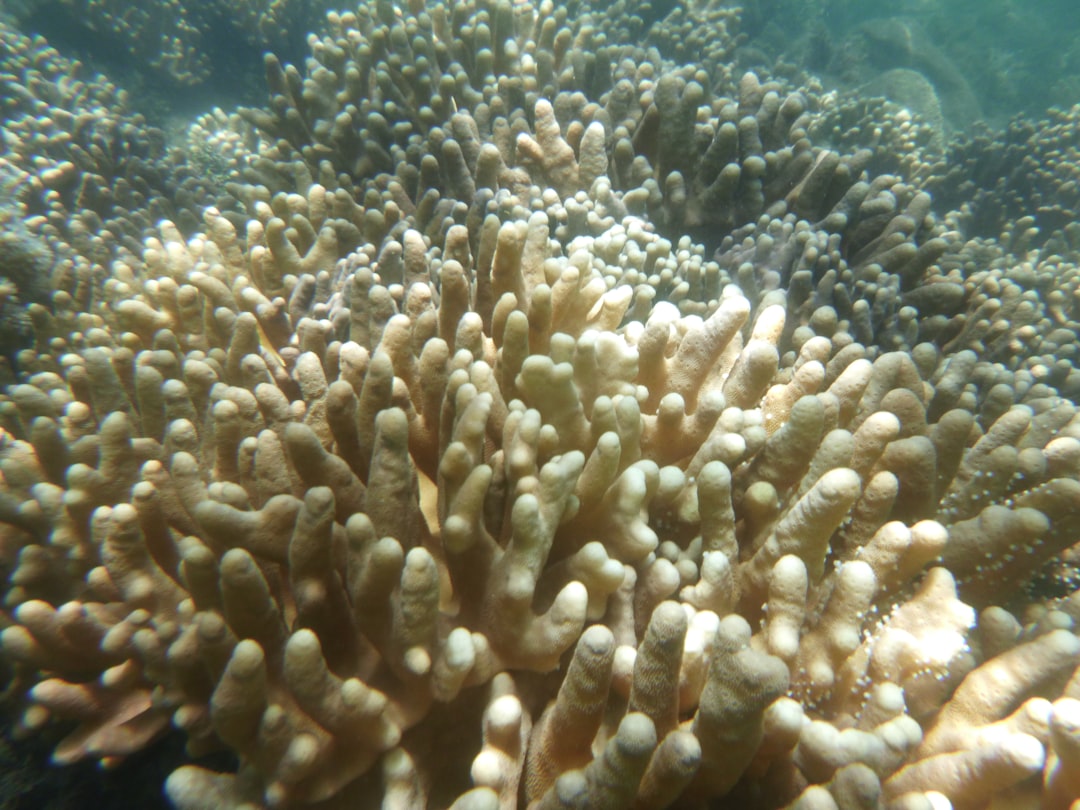
This is the fourth global event on record and the second in the last 10 years. Bleaching-level heat stress has been – and continues to be – extensive across the Atlantic, Pacific and Indian Ocean basins. You’re witnessing something that’s literally never happened before in terms of geographic scope and intensity.
The sheer scale is mind-boggling when you consider the details. Since early 2023, mass bleaching of coral reefs has been confirmed throughout the tropics, including in Florida, the Caribbean, Brazil, the eastern Tropical Pacific, Australia’s Great Barrier Reef, large areas of the South Pacific, the Red Sea, the Persian Gulf, and the Gulf of Aden. NOAA has received confirmation of widespread bleaching across other parts of the Indian Ocean basin as well. No corner of our tropical oceans has been spared from this catastrophe.
Satellite images revealed that approximately 77% of the world’s coral reefs have been affected by bleaching across all the regions where warm-water corals live.
The Collapse of Marine Biodiversity
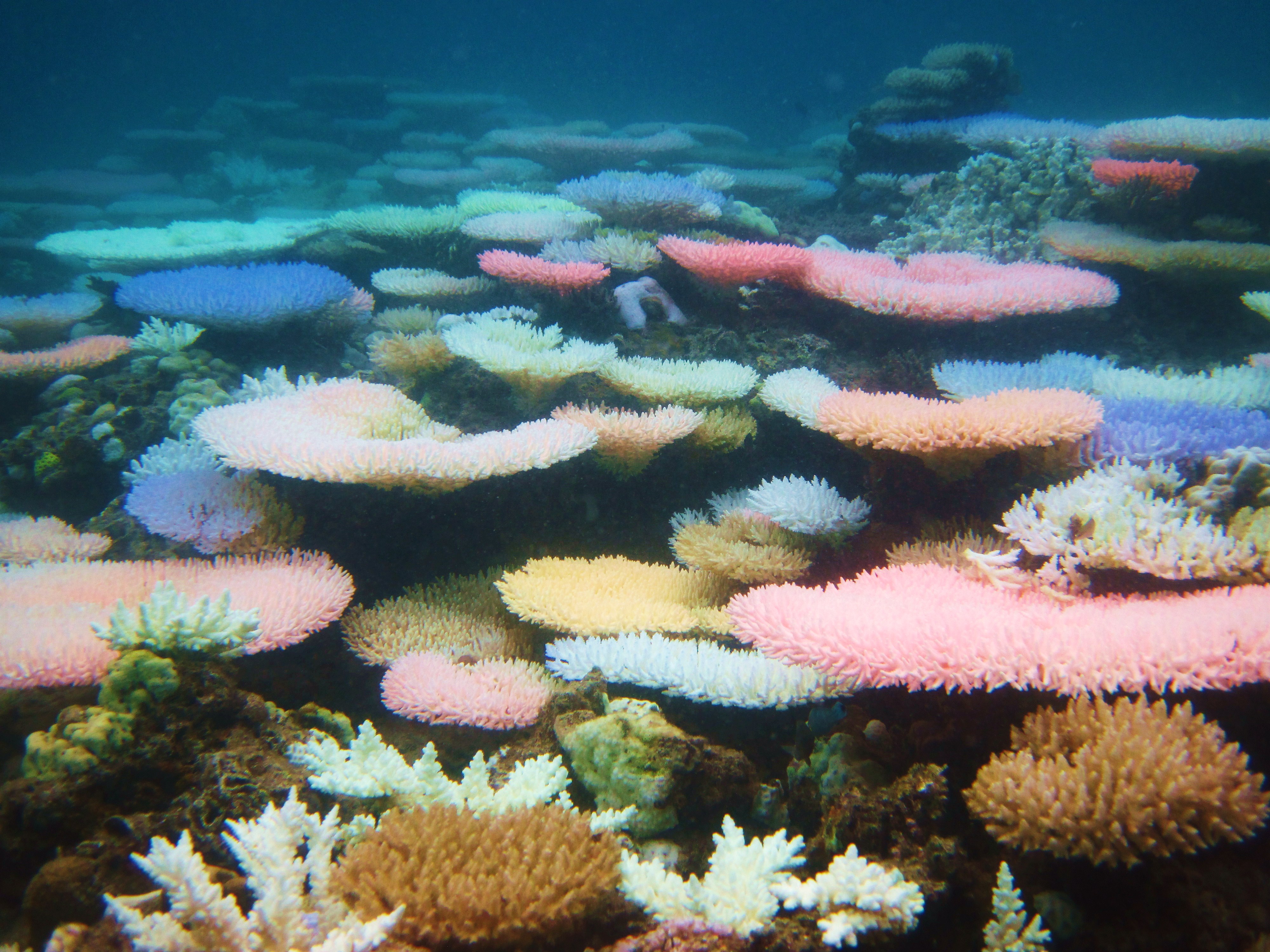
What makes coral reef destruction so devastating is their role as the ocean’s biodiversity hotspots. They support at least 25 per cent of marine species – harbouring the highest biodiversity of any ecosystem globally and making them one of the most valuable ecosystems on the planet. You’re looking at ecosystems that pack more life into small spaces than anywhere else on Earth.
Tropical reefs shelter one quarter to one third of all marine species but one third of the coral species that construct reefs are now at risk of extinction. The ripple effects extend far beyond just corals themselves. As coral reefs bleach and die, the ripple effects extend far beyond the ocean’s surface. The habitats that sustain countless associated reef species disappear, leading to ecosystem collapse. This collapse could jeopardize up to 25% of ocean biodiversity.
Imagine removing the foundation of a skyscraper – that’s essentially what’s happening when coral reefs die. Everything that depends on them comes tumbling down in a cascading collapse of marine life.
Economic and Human Impacts
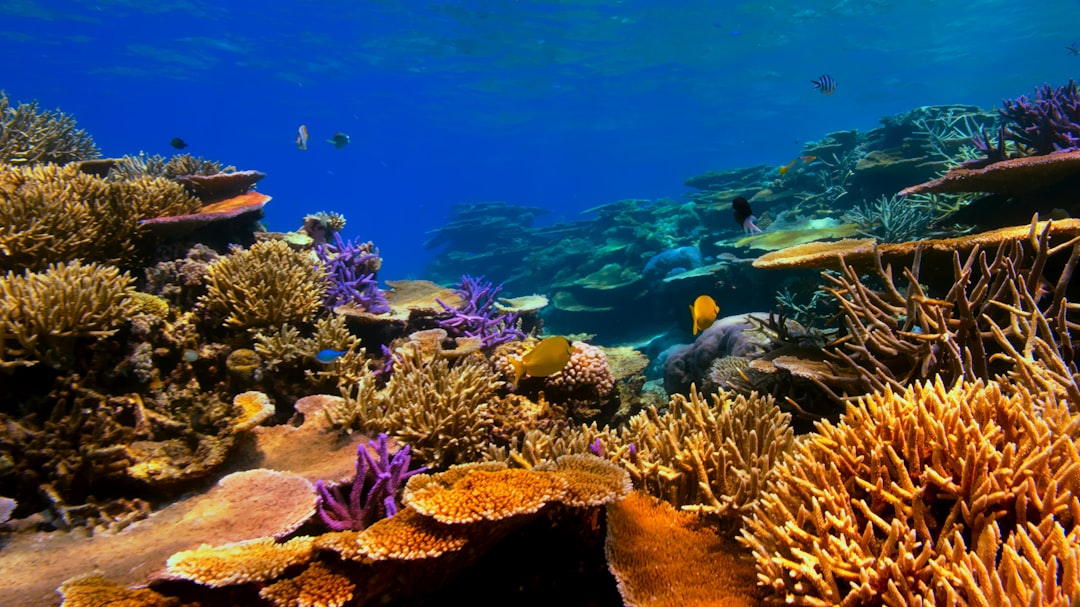
The economic devastation you’re seeing unfold is almost incomprehensible in scale. The value of goods and services provided by coral reefs, for example, from tourism, fisheries, coastal protection or medicinal compounds, is estimated at hundreds of billions of dollars per year. By one estimate, the total net benefit per year of the world’s coral reefs is $29.8 billion. Tourism and recreation account for $9.6 billion of this amount, coastal protection for $9.0 billion, fisheries for $5.7 billion, and biodiversity for $5.5 billion.
Coral reefs underpin the safety, coastal protection, well-being, food and economic security of hundreds of millions of coastal people in least-developed countries, economies in transition, and small island developing states around the world. You’re talking about entire nations whose very existence depends on healthy coral reefs.
The capacity of coral reefs to provide ecosystem services that are relied on by millions of people worldwide has declined by half since the 1950s. This isn’t just an environmental issue – it’s a humanitarian crisis affecting vulnerable populations who have the fewest resources to adapt.
Declining Ecosystem Services
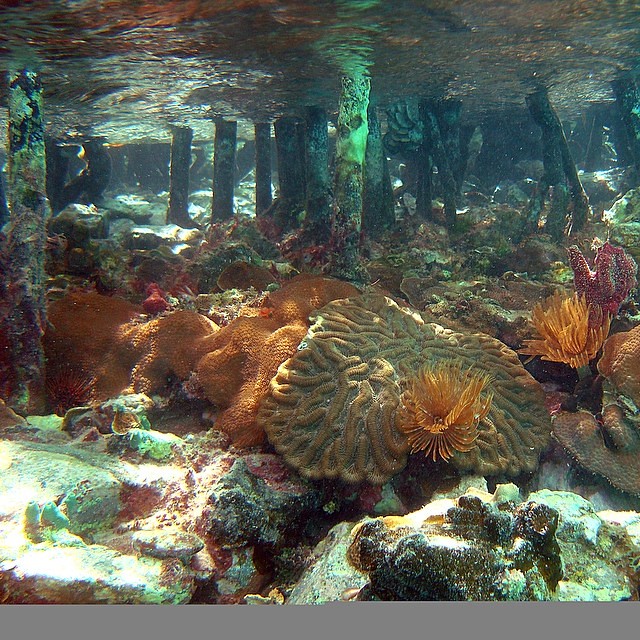
The services that coral reefs provide extend far beyond what most people realize. An estimated 25 percent of all marine life, including over 4,000 species of fish, are dependent on coral reefs at some point in their life cycle. Habitat, feeding, spawning, and nursery grounds for over 1 million aquatic species, including commercially harvested fish species.
Catches of coral-reef-associated fishes peaked in 2002 and are in decline despite increasing fishing effort, and catch-per-unit effort has decreased by 60% since 1950. At least 63% of coral-reef-associated biodiversity has declined with loss of coral extent. You’re witnessing the collapse of food systems that have supported human civilizations for millennia.
The protective services are equally critical. Restoring degraded or destroyed coral reefs could protect nearly 3,000 people each year in Florida and Puerto Rico alone. Reefs would also prevent more than $391 million worth of damage to property and lost economic activity annually. Without these natural barriers, coastal communities face increased vulnerability to storms and flooding.
Current Restoration Efforts and Their Limitations
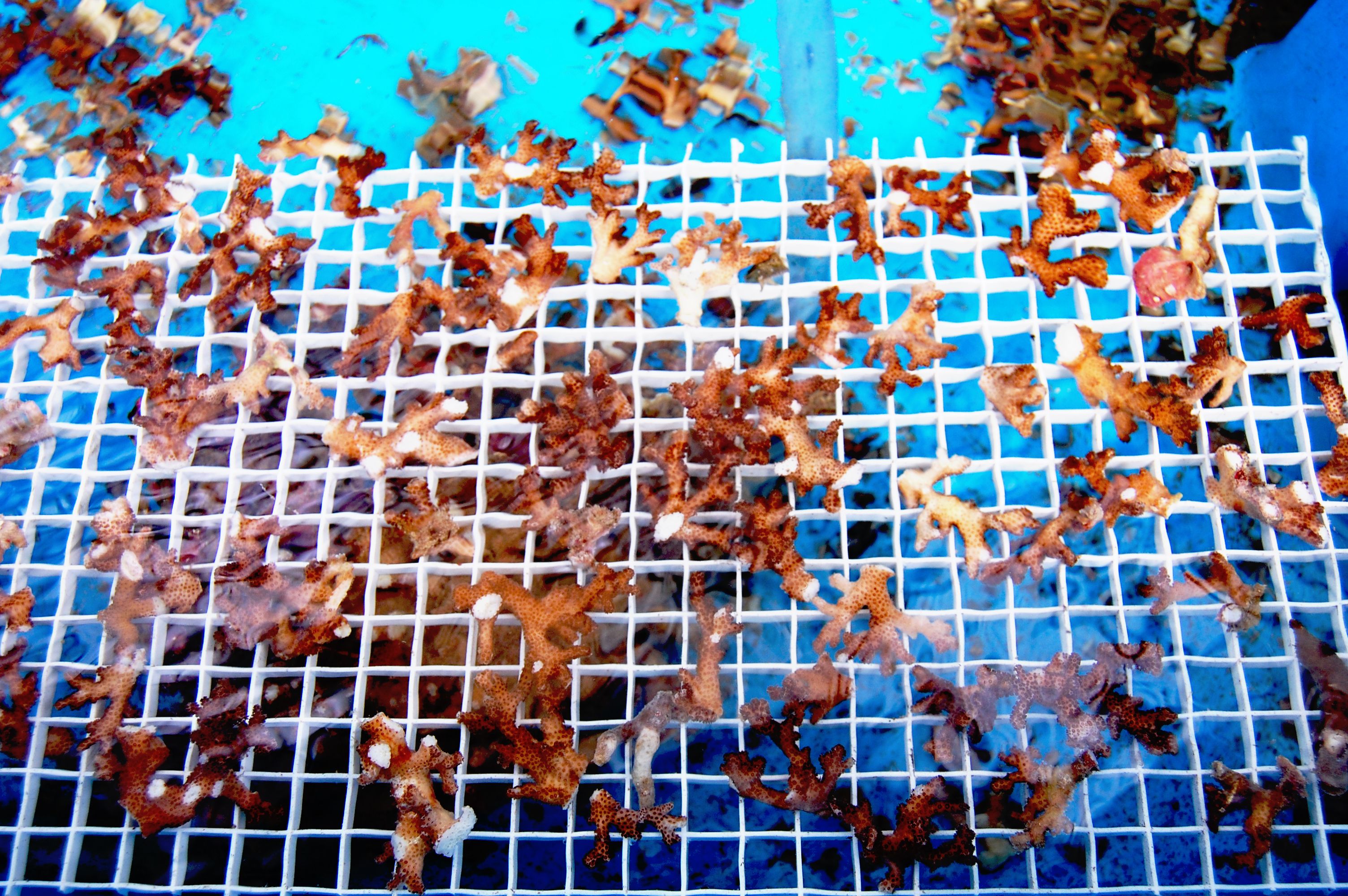
Despite the grim situation, scientists and conservationists aren’t giving up without a fight. In 2019, the National Oceanic and Atmospheric Administration started the Mission Iconic Reefs program, setting a goal to restore coral cover from just 2% to 25% on seven reefs off the Florida Keys. In the first five years, about 40,000 corals were planted. To reach its goal, NOAA estimates it will need 5 million corals.
However, the challenges are enormous. More than half (57%) of restored reefs suffer bleaching events within five years of intervention, undoing long-term efforts and investments. Without addressing the root causes of coral decline, restoration will remain a temporary and small-scale solution. You’re essentially trying to rebuild a house while it’s still on fire.
Innovation is happening rapidly though. Scientists are now trying to breed corals that can tolerate heat better, speeding up the natural process of evolution. Florida coral has been crossbred with coral from Honduras, creating what researchers call “Flonduran” corals. For the first time in the U.S., those coral babies have been put into the wild in a controlled trial.
Future Projections and Urgent Action Needed
The future projections paint an incredibly sobering picture of what lies ahead. Scientists predict that even if global warming is maintained at 1.5ºC, up to 90 per cent of coral reefs might disappear by 2050 due to prolonged ocean heatwaves. Studies show that if climate change stays on the current path, surpassing 3.6 degrees Fahrenheit (2 degrees Celsius) by 2100, 99% of the world’s coral will be lost.
Beyond restoration efforts, the study underscores the urgent need to tackle the root causes of coral reef degradation. Lasting solutions require action to curb global and ocean warming through carbon emission policies and to mitigate local threats by expanding protected areas and restricting destructive activities. You’re looking at a problem that requires immediate global action on multiple fronts.
Yet scientists stress there’s still time to act if humanity responds quickly enough. A group of 160 scientists from 23 countries announced that the planet has already reached its first major tipping point: the widespread death of warm-water coral reefs. Yes, a tipping point may be a metaphorical cliff, but all is not lost for the world’s corals – if humanity accelerates the transition to clean energy.
Conclusion: A Race Against Time
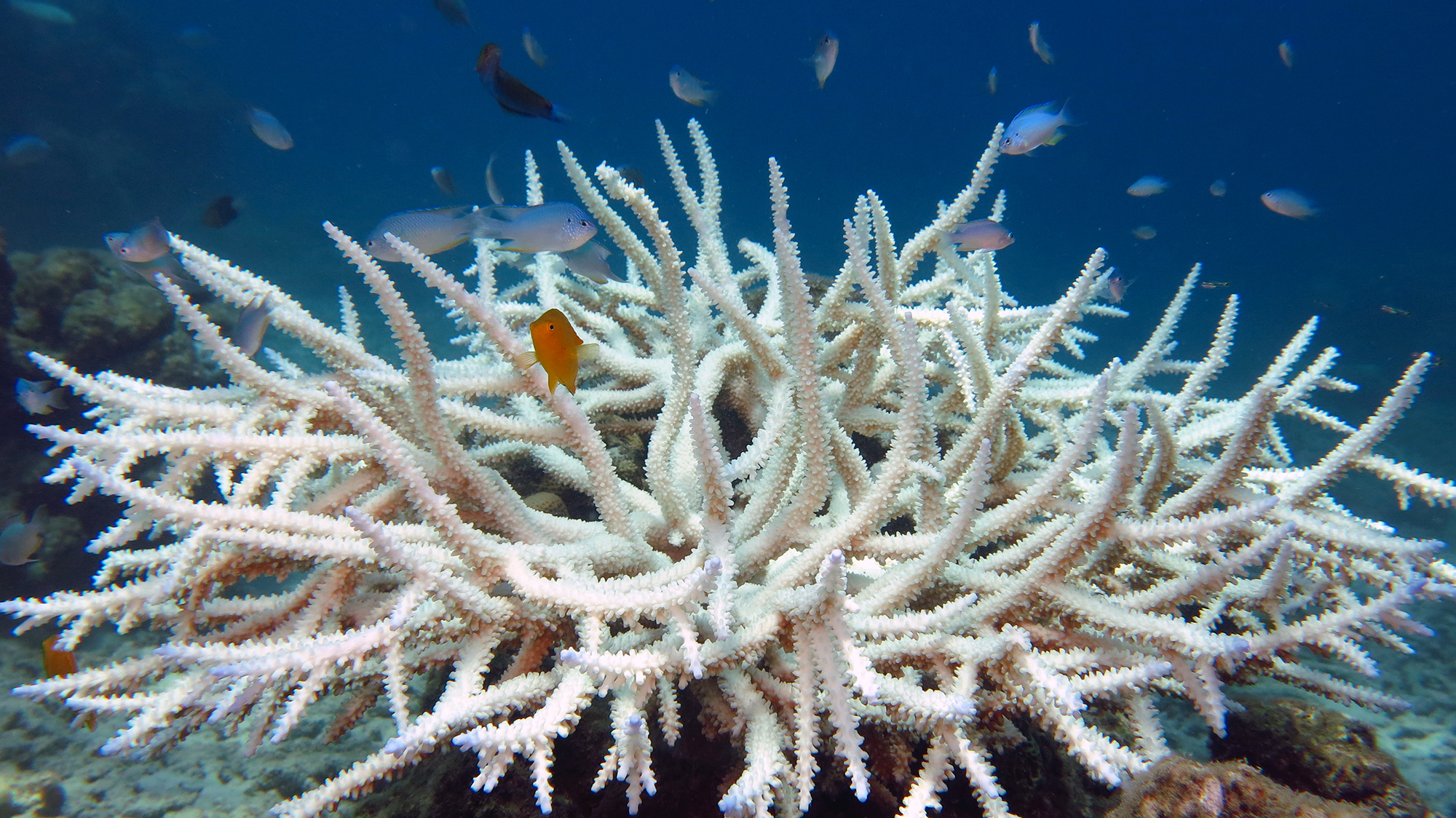
What you’ve learned about coral bleaching represents more than just an environmental crisis – it’s a fundamental transformation of our ocean ecosystems that will define the marine world for centuries to come. Coral reefs are not only one of the most biodiverse ecosystems on Earth, hosting 25% of marine biodiversity, they also provide countless and vital ecosystem services to around one billion people. A shift in strategy is needed to ensure their survival.
The scale and speed of change happening right now is unprecedented in human history. From the record-breaking temperatures to the collapse of marine biodiversity, from the economic devastation to the urgent need for innovative restoration methods, you’re witnessing a pivotal moment that will determine whether future generations inherit vibrant underwater cities or empty graveyards beneath the waves.
The coral bleaching crisis isn’t just – it’s revealing the interconnectedness of all life on Earth and the urgent need for global action. The question isn’t whether coral reefs can survive climate change, but whether humanity will act fast enough to give them that chance. What do you think it will take to turn the tide for these underwater treasures? Share your thoughts in the comments.
Hi, I’m Andrew, and I come from India. Experienced content specialist with a passion for writing. My forte includes health and wellness, Travel, Animals, and Nature. A nature nomad, I am obsessed with mountains and love high-altitude trekking. I have been on several Himalayan treks in India including the Everest Base Camp in Nepal, a profound experience.