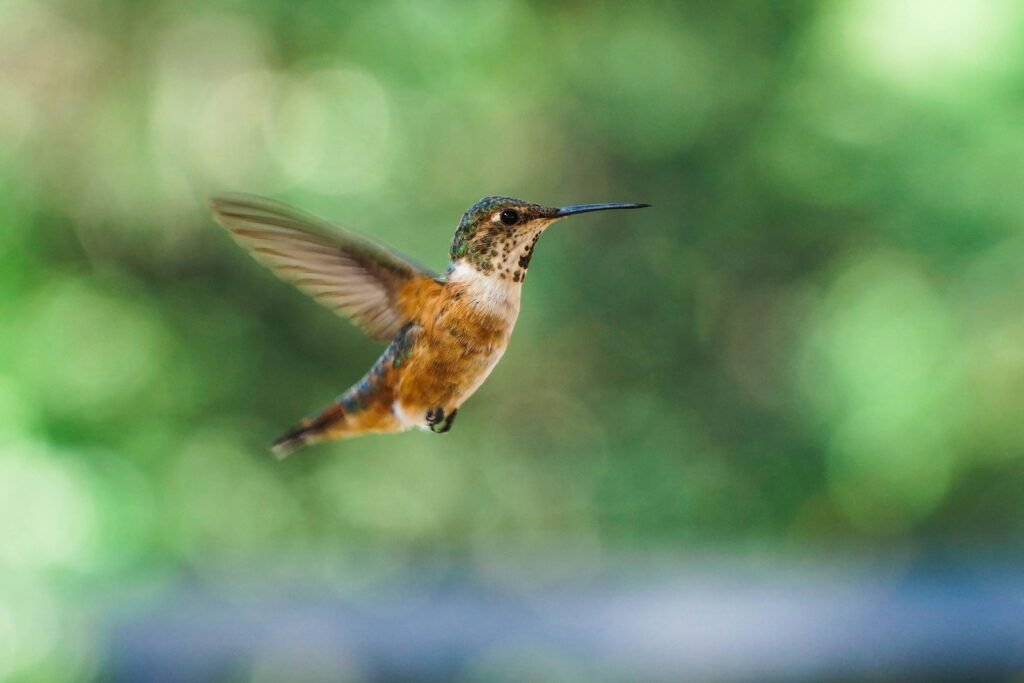

By late summer, when thunderheads pile up over Colorado’s spine, the high meadows flash like neon with paintbrush, columbine, and larkspur – and tiny, iridescent bodies flicker through the bloom. Yet the show is changing. Warmer springs and drier valleys are re-timing the mountain clock that guides nectar and the birds that chase it, nudging hummingbirds toward cooler, thinner air. The mystery scientists are unraveling is not whether change is happening, but how fast, how high, and with what collateral damage. The Rockies have always pulled wildlife upslope with the seasons; climate change is turning that gentle tug into a shove.
The Hidden Clues
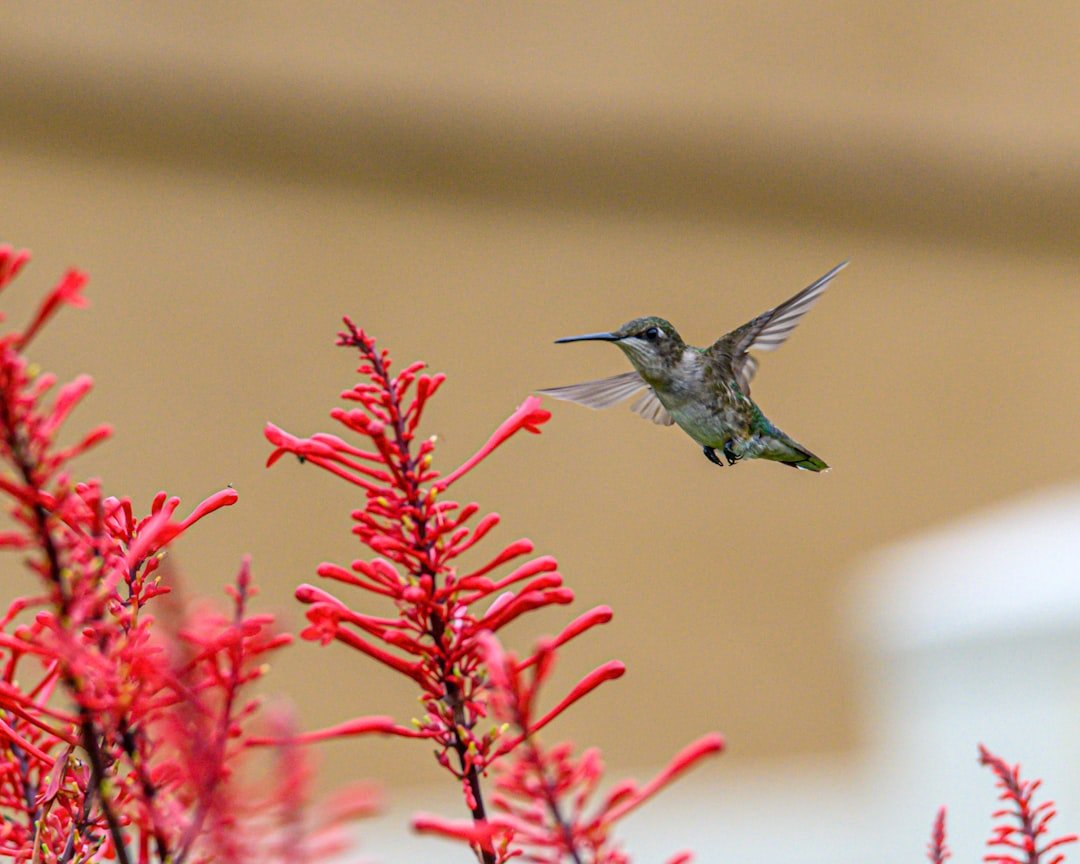
The story starts with timing: flowers open, insects hatch, and hummingbirds arrive from the tropics and the Pacific Coast. For decades in the central Rockies, long-term field notes have captured earlier snowmelt, more frequent late frosts that zap flower buds, and shifting bloom windows – subtle changes that cascade into nectar shortages just as broad-tailed hummingbirds begin nesting. In one well-known alpine valley, researchers found that early-season food plants now peak sooner while first-arriving birds haven’t advanced enough to keep pace, compressing the once-reliable overlap between birds and blossoms. That squeeze can leave females short on calories when it matters most. In the north of the species’ breeding range, the mismatch can be sharpest, hinting at future range contractions unless birds or flowers adjust. These are the breadcrumbs that first suggested a climb in progress, not just in calendar days but in elevation. ([esajournals.onlinelibrary.wiley.com](https://esajournals.onlinelibrary.wiley.com/doi/10.1890/06-2128.1?utm_source=openai))
From Ancient Tools to Modern Science
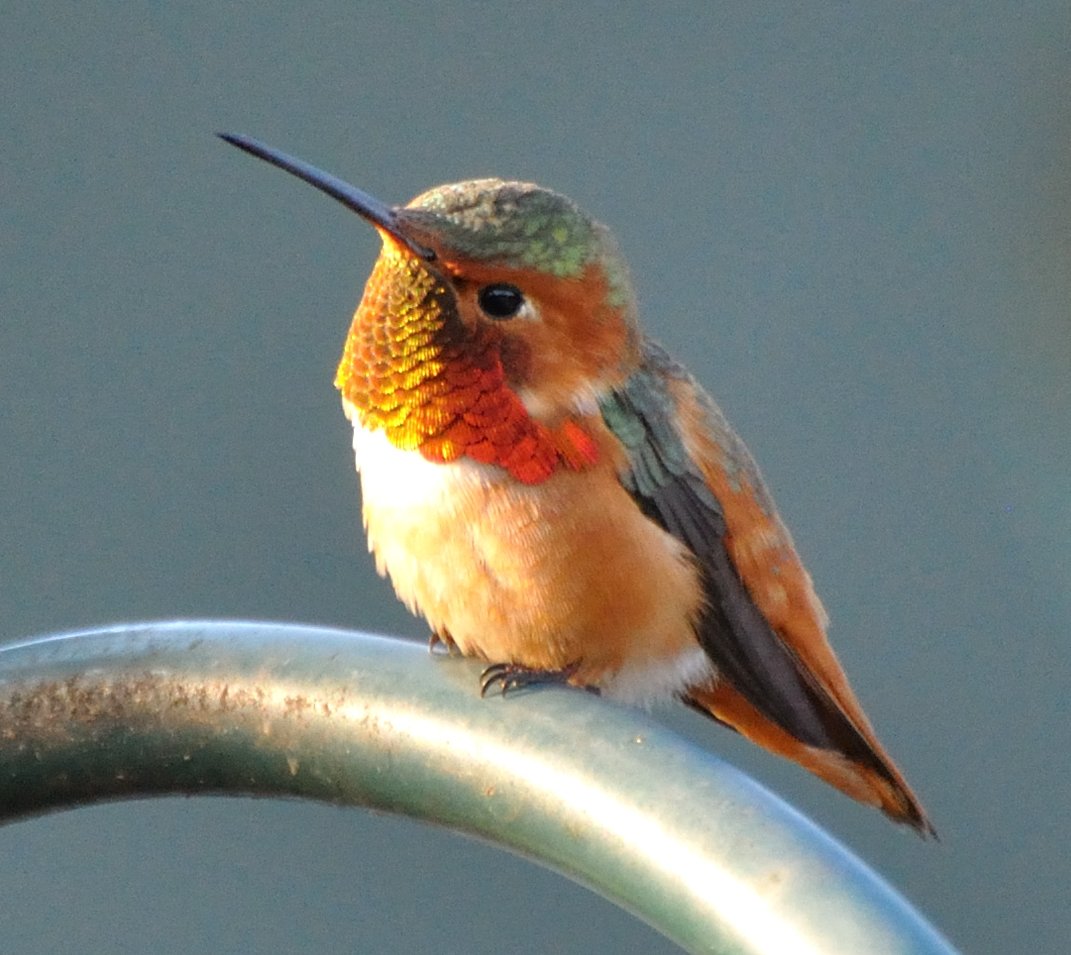
The data now braided into this story come from everywhere: dog-eared field notebooks, automated phenology cameras, weather stations, and millions of volunteer bird observations uploaded to modern platforms. Together they allow scientists to track when the first glacier lilies open along a trail and when the first hummingbird streaks past that same spot, year after year. Add in satellite snowpack maps and fine-scale temperature records, and you can watch nectar “isotherms” – the Goldilocks band of cool, moist bloom – slip up a slope like a slow tide. Even without radio-tags on these thumb-sized birds, patterns emerge as detections grow scarcer in overheated foothills and more consistent in subalpine meadows. The portrait isn’t perfect, but it’s sharp enough to sketch a migration that is increasingly pinned to higher, later-blooming flower belts. And it’s sharp enough to warn managers where and when to expect pressure on alpine habitats already short on room.
From Snowmelt to Nectar: The Mountain Clock
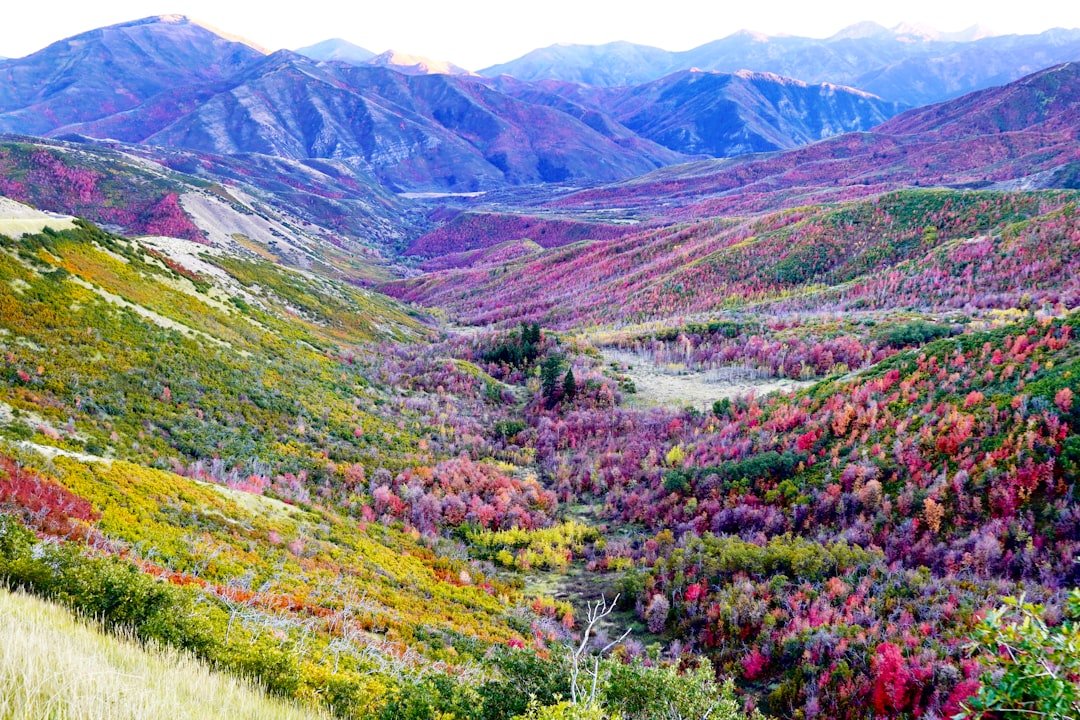
In the Rockies, snowmelt is the starter pistol for flowers, and climate change has been moving that crack earlier while sending more frost bullets into mid-June. Long-term studies near Crested Butte documented that earlier melt exposes flower buds to damaging cold snaps, gutting summer nectar in years when birds need it most. When valley meadows brown out earlier, hummingbirds follow moisture and bloom upslope, leapfrogging to more reliable patches. It’s a game of musical chairs played on a staircase: every step up holds fewer seats because mountain area shrinks with height. That geometry matters for species like the calliope and broad-tailed hummingbirds, which already breed high; push them farther and there’s simply less habitat to absorb them. When the clock runs faster downslope, the safe, well-stocked minutes increasingly live near treeline. ([esajournals.onlinelibrary.wiley.com](https://esajournals.onlinelibrary.wiley.com/doi/10.1890/06-2128.1?utm_source=openai))
Tracking the Climb
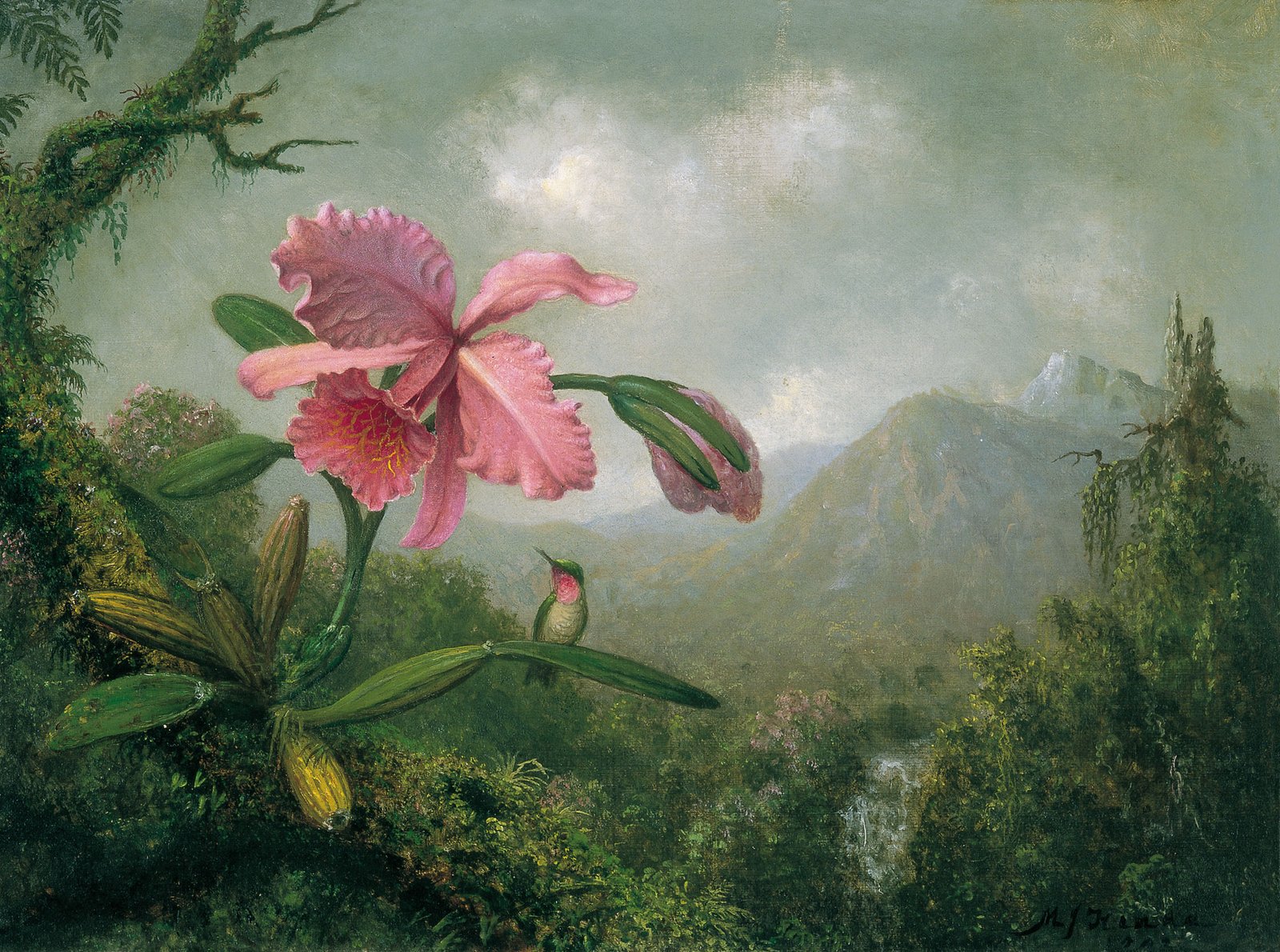
Migration routes tell the same tale. Rufous hummingbirds funnel south each summer along chains of high mountain meadows, exploiting late-season blooms that now last longer up high than down low. Climate models anticipate that suitable summer climate for several western hummingbird species will drift northward and upslope in coming decades, forcing birds to either follow the climate or face shrinking safe zones. That doesn’t mean every ridge will instantly fill with hummers, but it does mean the odds tilt toward elevation, especially in dry, hot years that scorch lowland nectar. Field biologists are already logging more consistent late-summer foraging above ten thousand feet in some basins while detections sag below. The map isn’t a single arrow; it’s a thickening band brushed along the subalpine. It points to a future where the best refueling stations sit closer to the sky. ([audubon.org](https://www.audubon.org/news/how-climate-change-threatens-hummingbirds?utm_source=openai))
Why It Matters
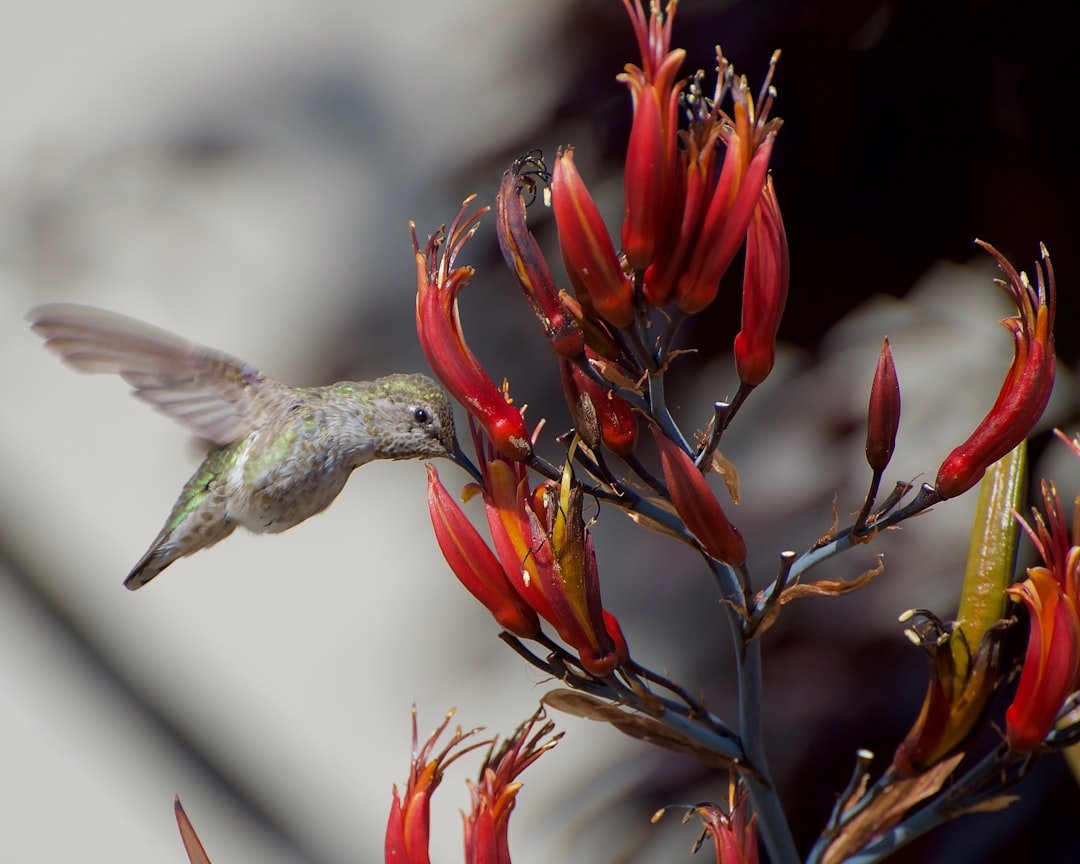
Hummingbirds are jet engines with feathers, burning energy at a pace that makes timing everything, and their fate echoes beyond their own tiny frames. When their schedules fall out of sync with mountain flowers, pollination suffers, seed set drops, and entire meadow communities can wobble. Population trends add urgency: long-term monitoring shows that rufous hummingbirds – famous for riding those alpine bloom waves – have fallen steeply over the last half-century, with declines accelerating in recent years. Broad-tailed hummingbirds have also shown some regional population weakening in parts of their range, even as a few adaptable relatives expand elsewhere. Compared with past conservation models that assumed stable timing and fixed ranges, today’s reality is messier and faster. Elevation is becoming a lifeline – and a bottleneck – at the same time. ([allaboutbirds.org](https://www.allaboutbirds.org/guide/Rufous_Hummingbird/lifehistory?utm_source=openai))
The Human Thread
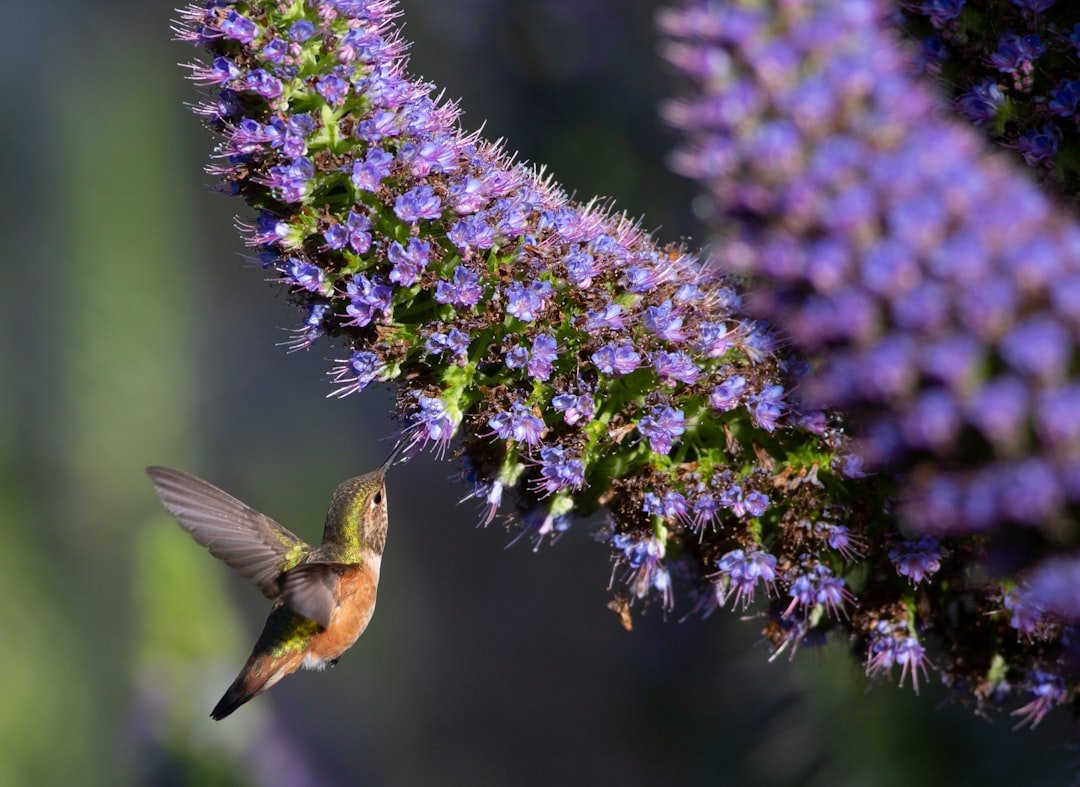
People aren’t just bystanders here; our choices reorder the board. In cities and coastal valleys, feeders and exotic plantings helped Anna’s hummingbird surge north and even upslope, showing how food and microclimate can bend a species’ limits. That success story doesn’t translate easily to the Rockies, where alpine birds need wildflower mosaics, not backyard sugar, but it proves how quickly hummingbirds can respond to shifting resources. It also reminds us that lower-elevation warming can squeeze birds upslope even as human-altered oases change where some species choose to stop. In drought summers, irrigated corridors and post-fire meadows can become crucial stepping-stones on the way to higher refuges. The bottom line is stark: we are already engineering the path birds take to the peaks, for better or worse. ([royalsocietypublishing.org](https://royalsocietypublishing.org/doi/full/10.1098/rspb.2017.0256?utm_source=openai))
Global Perspectives
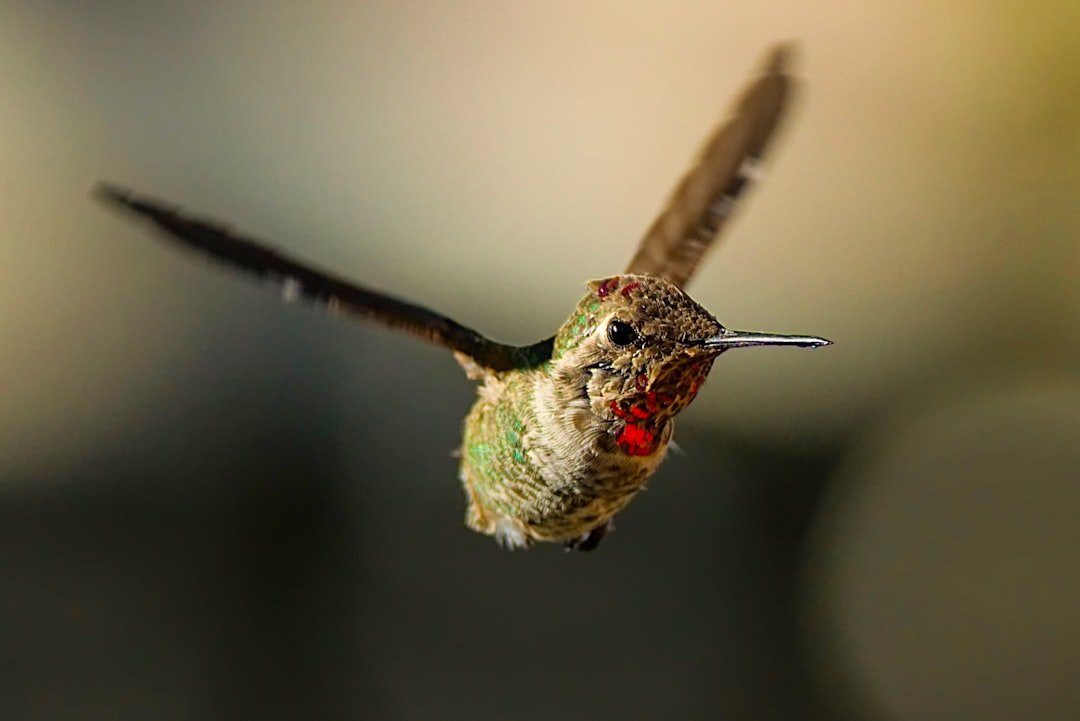
Mountains worldwide are sending the same message. In the tropical Andes, multiple bird communities have shifted upslope in step with warming, and high-elevation specialists have begun vanishing from ridgetops – a grim preview of what can happen when the staircase ends. Hummingbirds elsewhere are also negotiating extreme elevation journeys, revealing the physiological tightrope they walk as oxygen thins and nights freeze. Models for Neotropical hummingbirds project several hundred meters of upward displacement under common warming scenarios, underscoring how widespread the pressure to climb may be. These global signals don’t copy-paste onto the Rockies, but they sketch the rules of the game: follow the climate, or lose ground. The Rockies’ advantage is time and knowledge – if we use both before the escalator speeds up. ([pnas.org](https://www.pnas.org/doi/full/10.1073/pnas.1804224115?utm_source=openai))
The Future Landscape
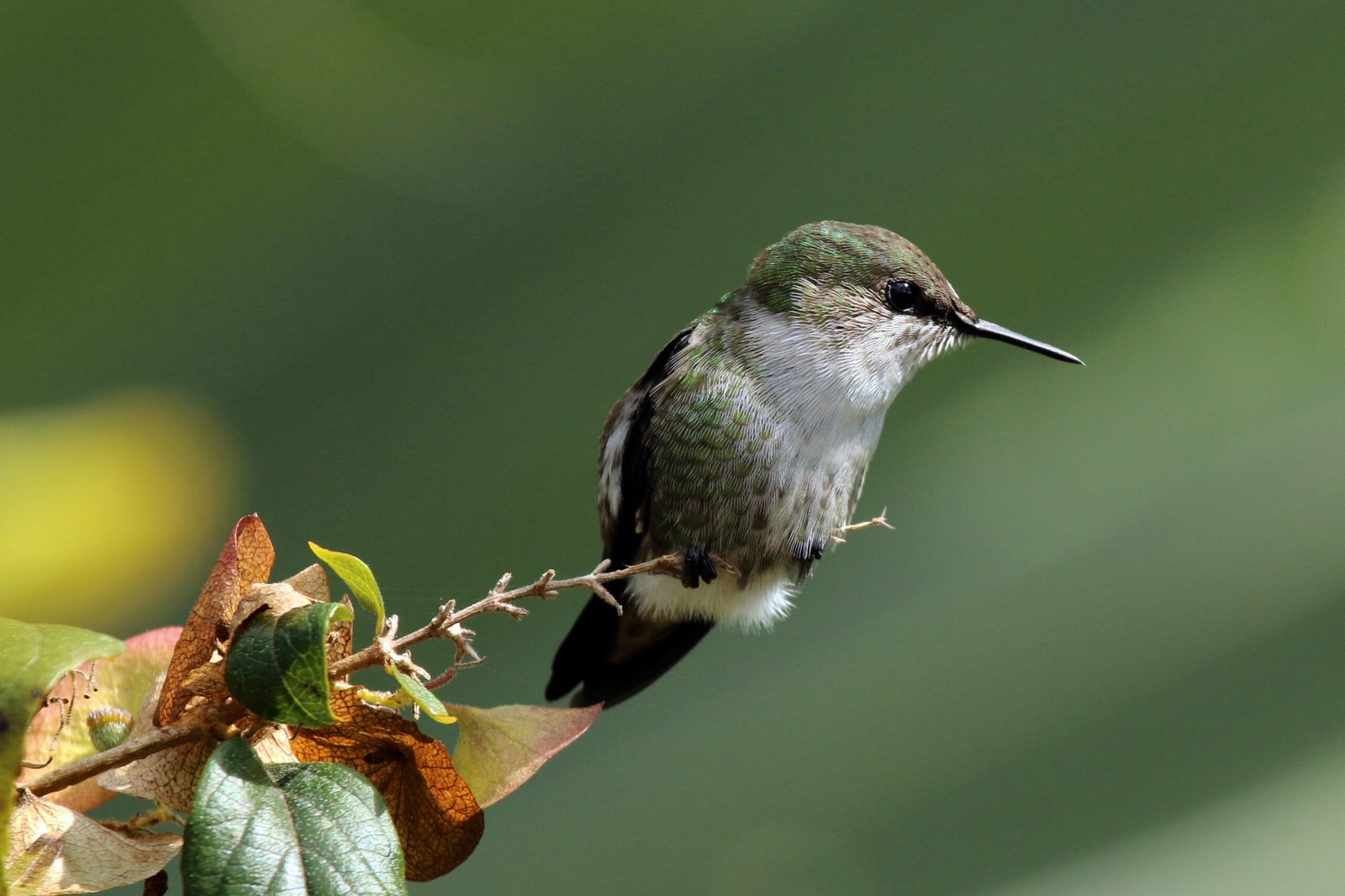
What comes next looks like science fiction turned practical: high-resolution flower forecasts combining snowpack, soil moisture, and phenology to predict where nectar will peak; lightweight trackers and automated acoustic arrays to catch more hummingbird flybys; and community data streams that update migration maps in near-real time. On the conservation side, protecting ribbons of habitat across elevation – think from sage foothills to subalpine glades – will matter more than ever, as will letting some forests burn and regenerate to create post-fire bloom oases at altitude. Researchers are also probing the limits of high-elevation performance, from blood oxygen tweaks to nighttime torpor, to gauge how far birds can climb before physiology runs out of rope. Funding is flowing into studies of extreme elevational migrants, a sign that agencies see the writing on the wall. Success will hinge on marrying these tools to on-the-ground decisions while the staircase still has steps left. ([uwyo.edu](https://www.uwyo.edu/news/2025/08/uw-researcher-receives-nsf-grant-to-study-mountain-hummingbirds.html?utm_source=openai))
What You Can Do
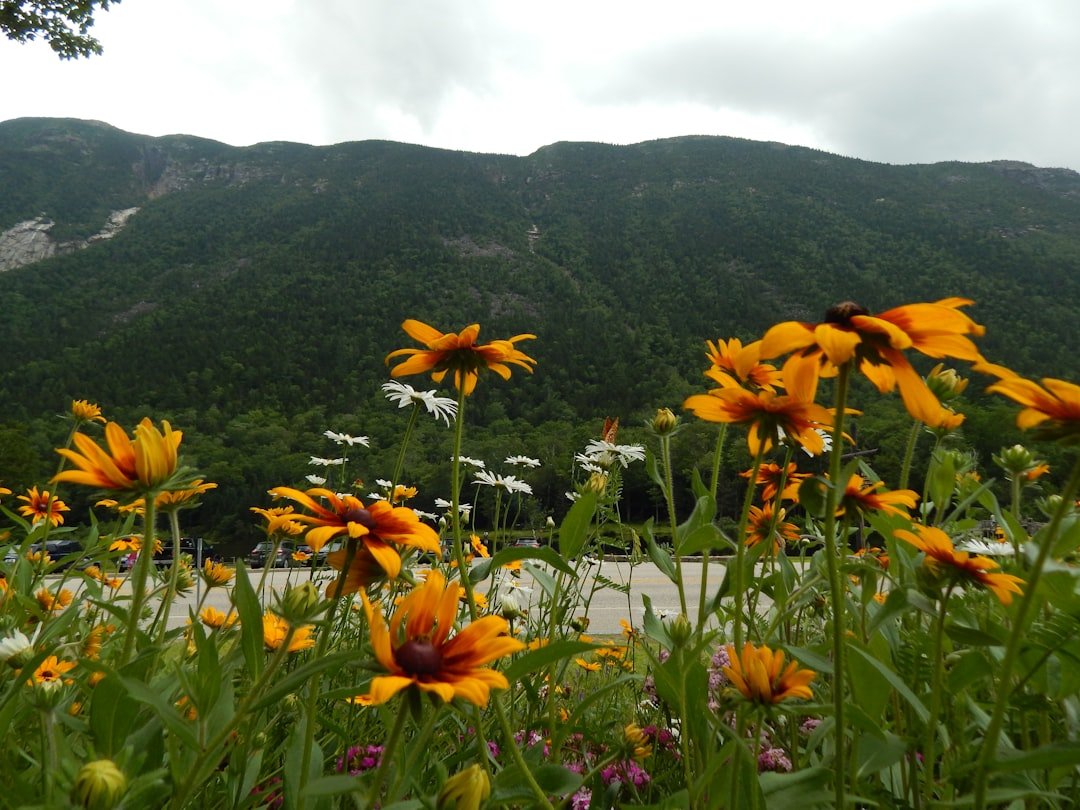
Start local: if you live in mountain country, garden with native, pesticide-free plants that bloom across the season, and keep a small patch shady and moist to act like a mini-refuge when heat spikes. Time any feeder use to complement, not replace, wild flowers – clean them rigorously and take them down when bears roam. Support land trusts and public projects that stitch together habitat from valley bottoms to alpine basins, because connectivity is the new currency of survival. If you hike, log first flower and first hummingbird sightings with precise elevation; those notes really do add up for science. And when fire and restoration plans reach the public comment stage, speak up for protecting subalpine meadows and riparian ribbons that will be tomorrow’s lifelines.
Suhail Ahmed is a passionate digital professional and nature enthusiast with over 8 years of experience in content strategy, SEO, web development, and digital operations. Alongside his freelance journey, Suhail actively contributes to nature and wildlife platforms like Discover Wildlife, where he channels his curiosity for the planet into engaging, educational storytelling.
With a strong background in managing digital ecosystems — from ecommerce stores and WordPress websites to social media and automation — Suhail merges technical precision with creative insight. His content reflects a rare balance: SEO-friendly yet deeply human, data-informed yet emotionally resonant.
Driven by a love for discovery and storytelling, Suhail believes in using digital platforms to amplify causes that matter — especially those protecting Earth’s biodiversity and inspiring sustainable living. Whether he’s managing online projects or crafting wildlife content, his goal remains the same: to inform, inspire, and leave a positive digital footprint.