In a world where the temperature is rising and environments are rapidly changing, animals are being pushed to their limits. Climate change, a phenomenon largely driven by human activity, is not just a threat to ecosystems but also a catalyst for evolution. As habitats transform and food sources dwindle, animals are evolving in ways that are both surprising and fascinating. This article delves into the myriad ways that climate change is compelling the animal kingdom to adapt, often in unexpected manners that leave scientists both intrigued and concerned.
Shifts in Migration Patterns

Migration is a natural process for many animals, but climate change is altering the routes and timing. Birds, for example, are migrating earlier than ever before because of warming temperatures. This shift can affect their survival rates as they may arrive before food sources are available. Similarly, marine animals like whales are changing their migration routes, seeking cooler waters as ocean temperatures rise. These changes can lead to increased competition for resources, impacting the entire food chain. The consequences of these altered patterns are vast, influencing not only the animals themselves but also the ecosystems they traverse.
Adapting to New Habitats
As the climate shifts, many species are finding themselves in habitats that are vastly different from what they are accustomed to. Some animals are moving to higher altitudes or latitudes in search of cooler temperatures. This migration can lead to unexpected encounters with other species, sometimes resulting in hybridization. For instance, polar bears and grizzly bears have begun to interbreed, creating a new hybrid known as the “pizzly” bear. These adaptations are essential for survival but can lead to unforeseen ecological consequences.
Altered Breeding Cycles
Breeding cycles are crucial for the survival of any species, and climate change is disrupting these cycles in numerous ways. Warmer temperatures can lead to earlier breeding seasons, which might not align with food availability. For example, some amphibians are breeding earlier in the year, but if their offspring emerge when there is insufficient food, it can lead to population declines. These mismatches can have cascading effects on ecosystems, as the timing of breeding is often synchronized with other environmental cues.
Changes in Physical Traits
Physical changes are occurring in various species as they adapt to new environmental pressures. Some animals are evolving smaller body sizes, a trend known as “Bergmann’s rule,” where individuals in warmer climates tend to be smaller to dissipate heat more efficiently. Birds, for instance, are developing longer wings to help them migrate more efficiently over longer distances. These physical changes can influence not only individual survival but also reproductive success and overall species fitness.
Dietary Adaptations
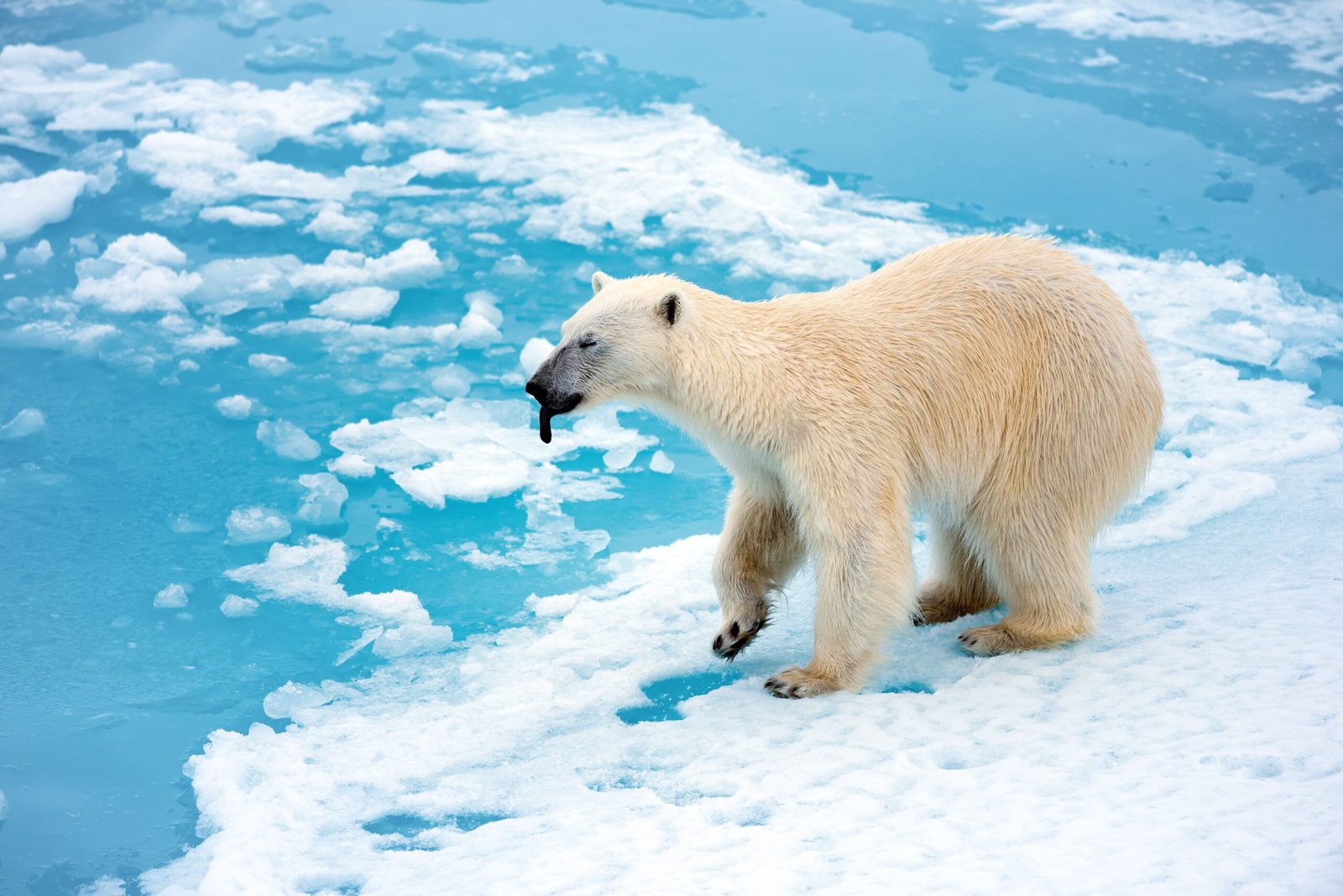
With shifting climates, the availability of traditional food sources is becoming unpredictable. Animals are evolving their dietary preferences to cope with these changes. For example, some herbivorous animals are shifting to new plant species as their usual food sources become scarce. Carnivores, too, are expanding their diets, sometimes preying on species they never targeted before. These dietary adaptations are critical for survival but can lead to new ecological dynamics and competition among species.
Behavioral Changes

Behavioral adaptations are another way animals are coping with climate change. Some species are becoming more nocturnal to avoid the heat of the day. Others are altering their social structures, such as forming larger or smaller groups, depending on the availability of resources. These behavioral shifts can have profound impacts on reproductive success and survival, as well as on the interactions between different species within an ecosystem.
Emergence of New Diseases
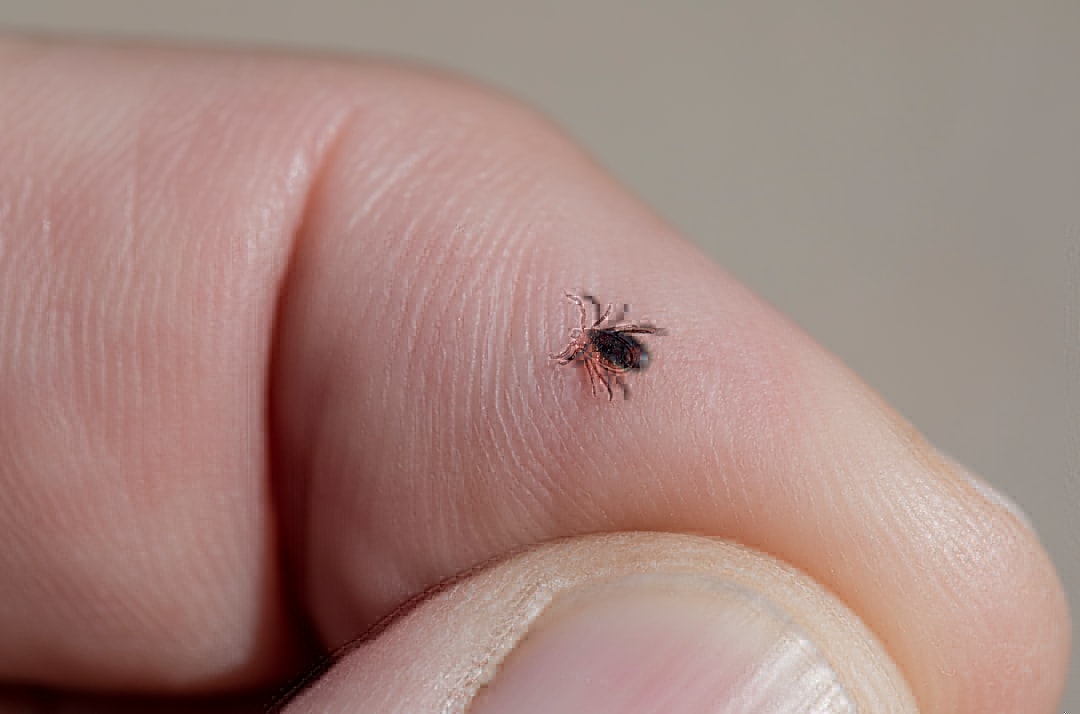
Climate change is also facilitating the spread of diseases as animals move into new areas and come into contact with unfamiliar pathogens. Warmer temperatures and changing precipitation patterns can increase the prevalence of parasites and diseases, affecting both wildlife and human populations. For example, the spread of Lyme disease is linked to shifts in the distribution of ticks, which thrive in warmer climates. These new health challenges can have devastating effects on animal populations, further complicating their ability to adapt.
Increased Risk of Extinction
While some species are adapting, others are facing an increased risk of extinction due to climate change. Animals with specialized diets or those reliant on specific habitats are particularly vulnerable. The rapid pace of environmental change can outstrip the ability of some species to evolve quickly enough. This risk is compounded by other human-driven factors like habitat destruction and pollution. The loss of species can have far-reaching effects on ecosystems, reducing biodiversity and altering natural processes.
Genetic Evolution
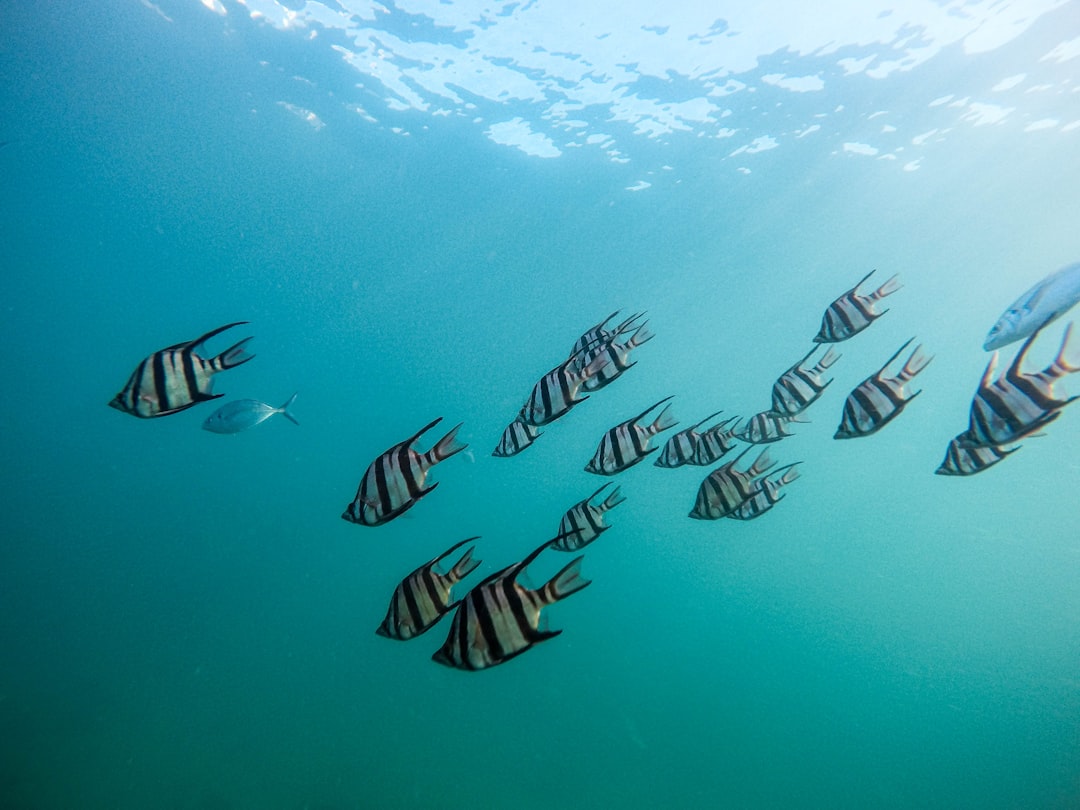
Climate change is accelerating genetic evolution in some species as they adapt to new environmental pressures. Natural selection is favoring traits that enhance survival in changing conditions, leading to genetic shifts over relatively short timeframes. For example, some fish populations are evolving to tolerate higher temperatures, a change that is evident in their genetic makeup. These genetic adaptations are a testament to the resilience of life, but they also highlight the unprecedented challenges posed by rapid climate change.
Collaborative Efforts to Monitor and Support Adaptation

Scientists and conservationists are working together to monitor these evolutionary changes and develop strategies to support animal adaptation. Conservation efforts are increasingly focusing on preserving genetic diversity, which is crucial for the adaptability of species. By understanding how animals are evolving in response to climate change, researchers can inform conservation policies and management practices. These collaborative efforts are essential for mitigating the impacts of climate change on wildlife and ensuring the continued resilience of ecosystems.
The evolving story of how climate change is shaping the animal kingdom is a testament to the power and complexity of nature. As we witness these changes unfold, it is crucial to recognize our role in driving climate change and the responsibility we have to address its impacts. The adaptations occurring in the animal world are a reminder of the interconnectedness of life and the urgent need for action to protect our planet’s biodiversity.