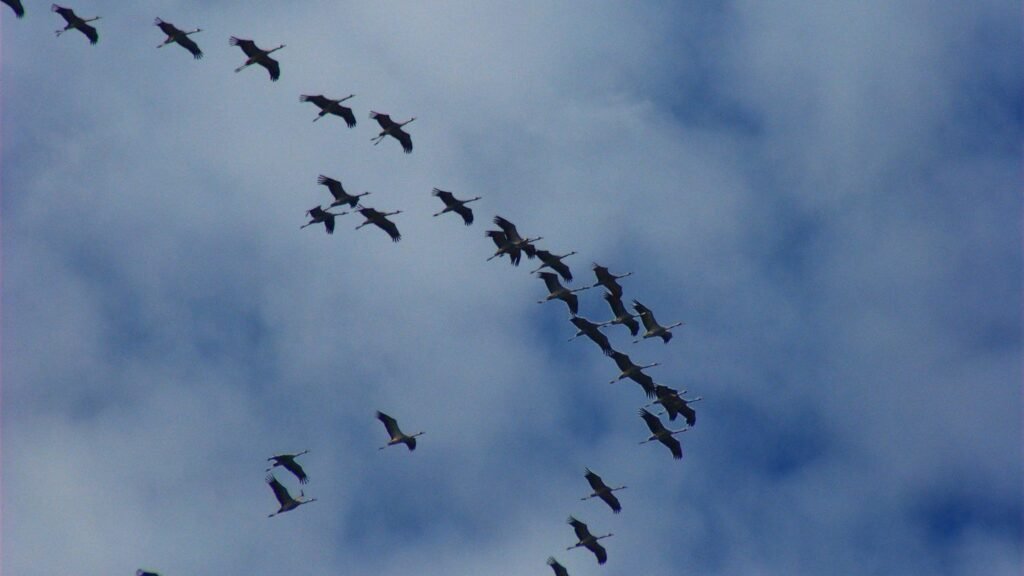

Every year, birds, whales, butterflies, turtles, and even tiny insects cross oceans and continents with a confidence many of us don’t feel driving to a new part of town. They have no phones, no GPS, no road signs – yet they arrive at the same breeding grounds and feeding spots, sometimes down to the exact beach or tree, year after year. It’s almost unsettling how precise they are.
Scientists have spent decades trying to decode this “animal GPS,” and even in 2026 we still don’t fully understand it. We’ve uncovered a patchwork of hidden senses, brain tricks, and environmental cues so subtle that humans barely notice them. Put together, though, they form one of the most astonishing natural systems on Earth: an invisible map written in light, magnetism, smell, and memory.
The Wild Mystery of Long-Distance Animal Travel
Imagine being born in one place, leaving as a teenager, then finding your way back as an adult to the very same patch of ground – without anyone showing you the route. That’s what salmon do when they return from the open ocean to the exact river where they hatched. Monarch butterflies, weighing less than a paperclip, travel from North America to central Mexico over several generations, and somehow their descendants still find the same mountain forests their ancestors left.
What makes this especially mind-blowing is that many of these animals travel across featureless environments. Birds fly over dark oceans at night, whales move beneath thousands of meters of water, and sea turtles cross open seas where every wave looks just like the last. No landmarks, no highways, no obvious clues. Yet migrations repeat along similar routes, often with such precision that scientists can predict roughly where a flock or pod will appear each year. Our best explanation? They’re using a whole toolbox of senses we either underuse or don’t have at all.
Following the Sun, the Stars, and the Subtle Rhythm of the Sky
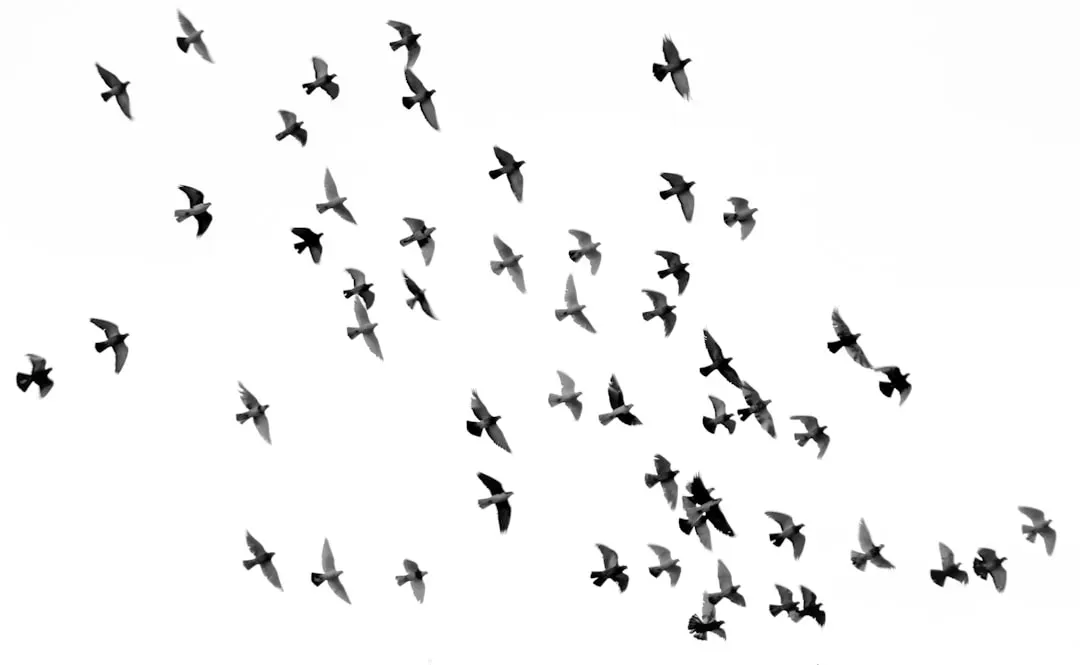
One of the oldest navigation systems on Earth is written right above us in the sky. Many birds use the position of the sun by day and the pattern of stars by night as a kind of giant compass. Even young birds raised in captivity have been shown to orient their flight direction using star patterns projected on planetarium ceilings, suggesting at least part of this skill is built in from birth. When clouds cover the sky, some species can still sense the pattern of polarized light – something humans can’t see – that tells them where the sun sits behind the clouds.
This celestial navigation works hand in hand with an internal clock. Animals don’t just know where the sun is; they also know what time it is. By combining the angle of the sun with their body’s daily rhythm, they can keep a steady direction, like someone constantly adjusting a steering wheel. If their internal clock is artificially shifted, their navigation goes off in a predictable way, which has been shown in controlled experiments with migratory birds. It’s like having a built-in “sun compass” that updates automatically as the day moves on.
The Invisible Magnetic Map Under Their Feet
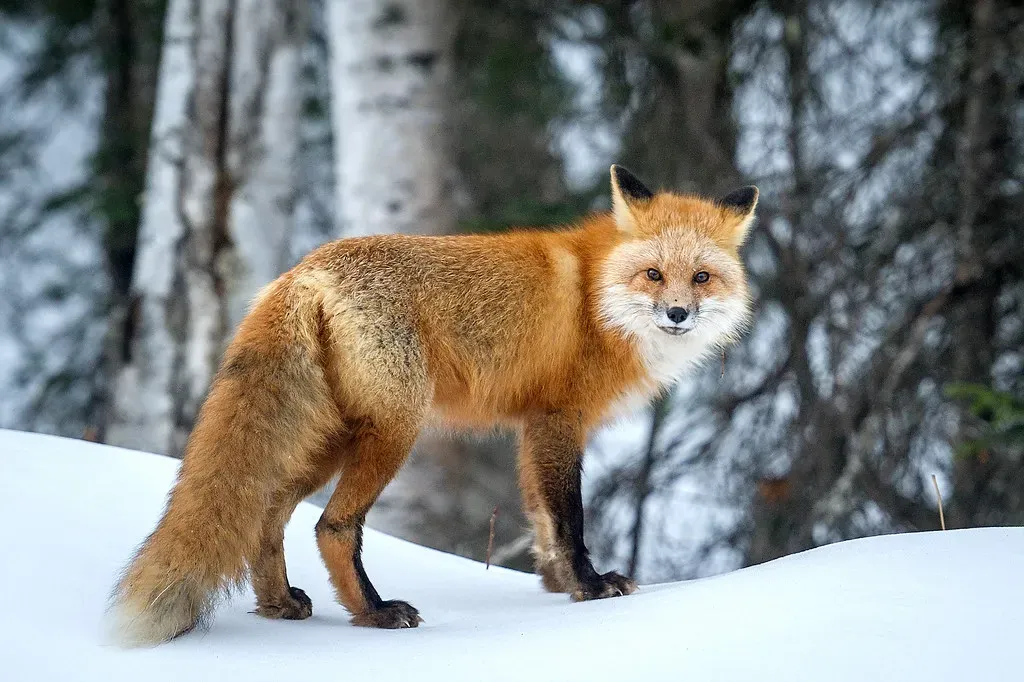
One of the strangest discoveries in animal navigation is that many species can sense the Earth’s magnetic field. This field wraps around the planet like a giant invisible bubble, with lines running roughly from the magnetic North to the magnetic South. Birds, sea turtles, some fish, and even certain insects seem to detect both the direction and sometimes even the strength or angle of that field. In a way, it gives them a global reference frame, a sense of “north” and “south” that doesn’t depend on what they see or hear.
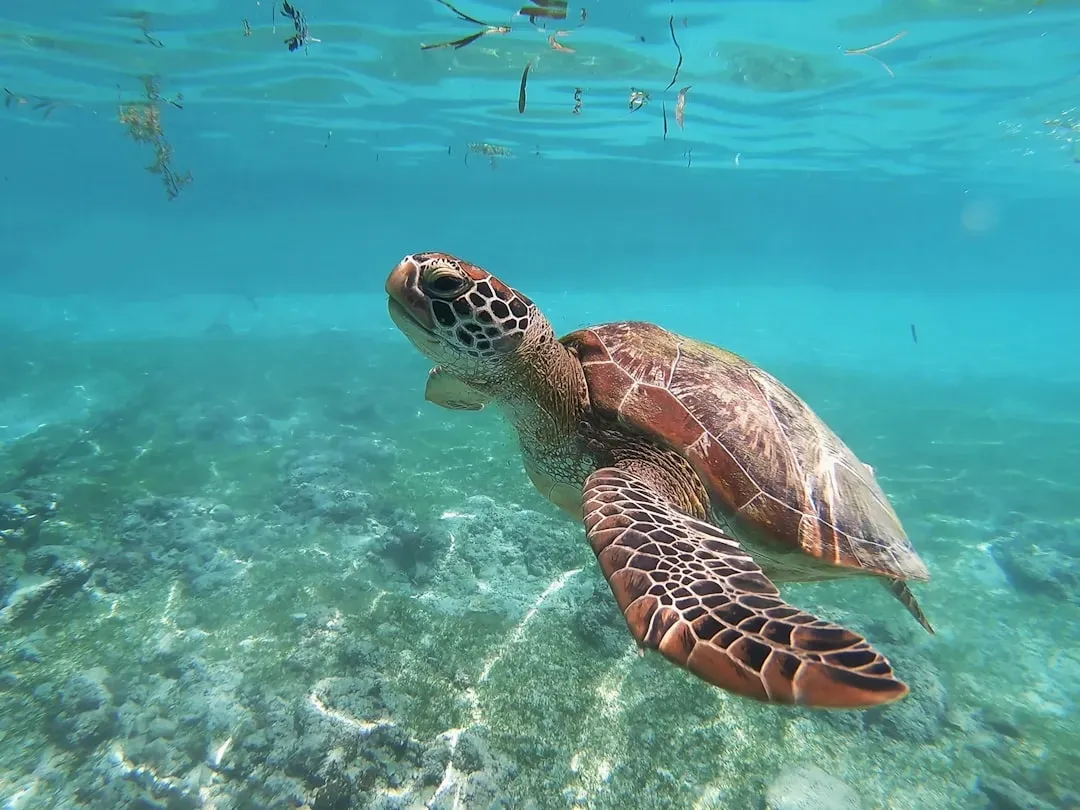
There’s evidence that animals can carry both a magnetic compass and a kind of magnetic map. For example, young sea turtles released in the open ocean will change direction when they encounter magnetic conditions that match certain parts of their natural range, as if reading an invisible background pattern. Scientists suspect tiny magnetic particles in their tissues or light-sensitive molecules in their eyes help them detect this field. We still don’t fully know how their brains turn that signal into a map, but whatever the mechanism, it lets them stay on course even in total darkness or murky water.
Smell, Sound, and the Power of Invisible Trails
For many animals, the world is not primarily visual – it’s a tapestry of smells and sounds. Salmon are a classic example: after years in the ocean, they fight their way back upstream to the exact river where they were born, guided largely by scent. Each river has its own unique chemical smell, a blend of minerals, plants, and microbes. Salmon imprint on that scent as tiny fry and use it like a home address stamped into their nervous system. As they get close to shore, smell takes over in a big way.
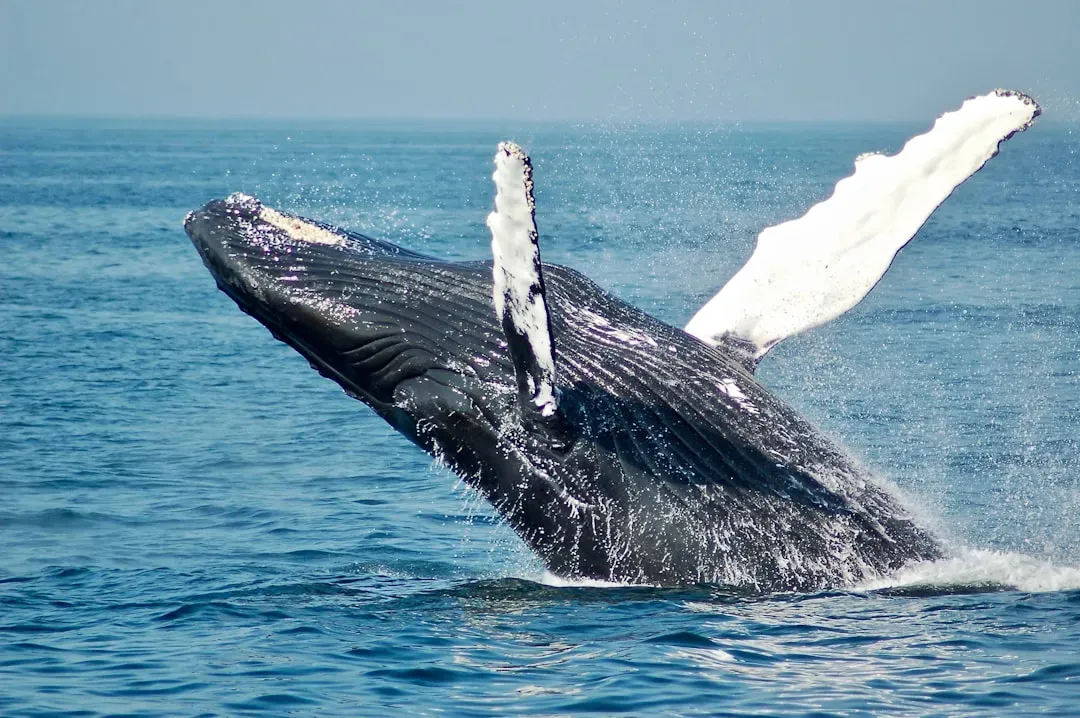
Whales and dolphins, on the other hand, seem to lean heavily on sound. Oceans are often dark, and visibility can be limited to a few dozen meters, but sound travels incredibly far underwater. Many whales produce calls that can travel for hundreds of kilometers in the right conditions. These animals may use echoes from the seafloor, coastlines, and even underwater mountains as auditory landmarks. While this is still being studied, it’s likely that certain routes are stitched together from rich “soundscapes,” with each bay, canyon, or shelf having its own acoustic fingerprint.
Learning Routes, Landmarks, and the Power of Memory
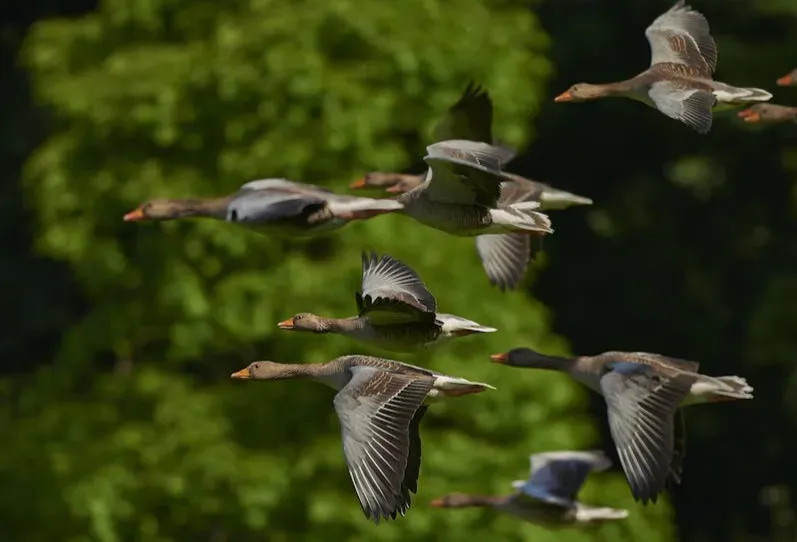
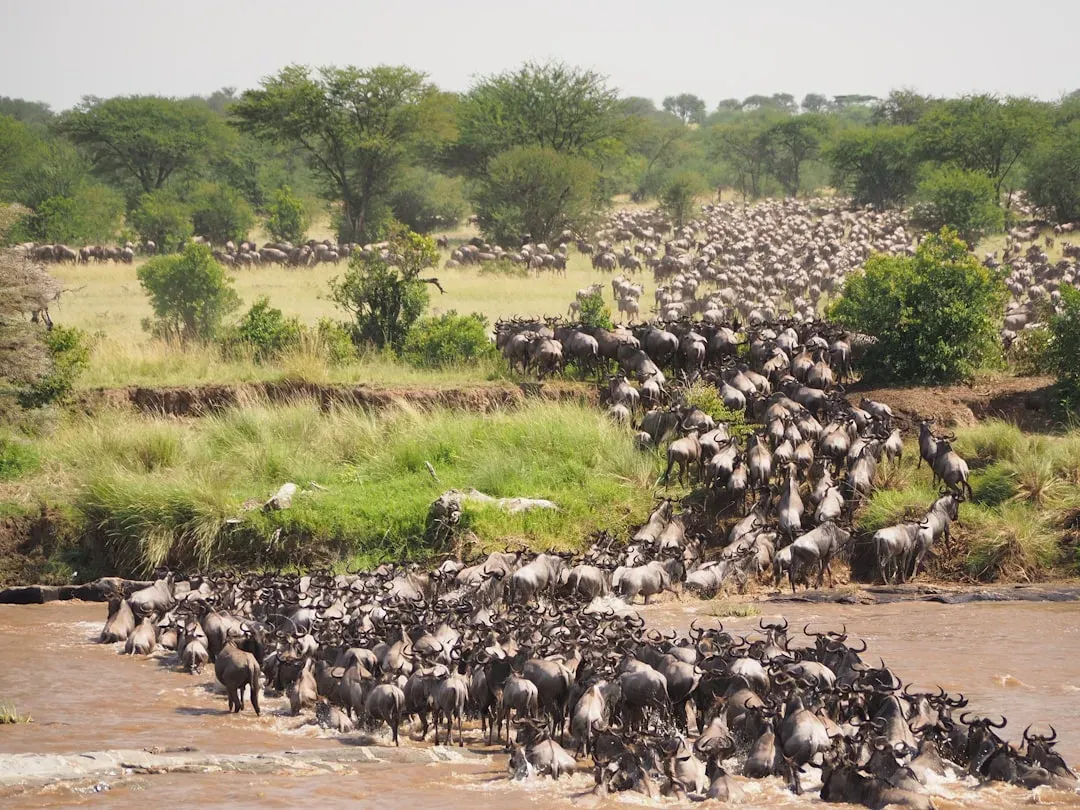
Not every navigation trick is mysterious or purely instinctive. A lot of long-distance travel is also old-fashioned learning and memory. Birds that migrate along coastlines or mountain ranges use visual landmarks as guideposts. Some species even adjust their routes from year to year based on storms, food availability, or human-made changes to the landscape. Over time, older individuals can become living archives of safe paths, teaching younger ones by traveling together in flocks or herds.
This social transfer of knowledge is striking in animals like whales and cranes, where experienced leaders often guide groups along traditional routes. If those key individuals are lost, migratory patterns can sometimes break down or shift. Memory also matters for animals that stay closer to home. Desert ants, for example, can remember the layout of their surroundings and use a mix of internal step counting and landmark recognition to find their nest after long foraging trips. The big picture: brains, no matter how small, are constantly recording, updating, and refining internal maps of the world.
Built-In Instinct vs. Learned Experience: Nature’s Hybrid GPS
One of the biggest debates in animal navigation research is how much is hardwired at birth and how much is learned. Many species clearly have genetic programs that give them a starting direction and urge to move at a certain time of year. Young birds kept indoors and away from older birds still become restless and try to head in particular compass directions during migration season. Monarch butterflies that have never been to Mexico will still set out southward in autumn, following a route their bodies seem preprogrammed to attempt.
But pure instinct is rarely the whole story. As animals gain experience, they refine these inborn rules with real-world feedback. They shift slightly to avoid dangerous regions, seek richer feeding grounds, or take advantage of winds and currents. Over generations, this mix of genes and experience shapes populations into finely tuned travelers. To me, that hybrid system feels oddly similar to how we navigate: we’re born with basic spatial abilities, but we still need to explore, get lost, and learn shortcuts before a place truly feels like “ours.”
How Human Changes Are Scrambling Nature’s Internal Maps
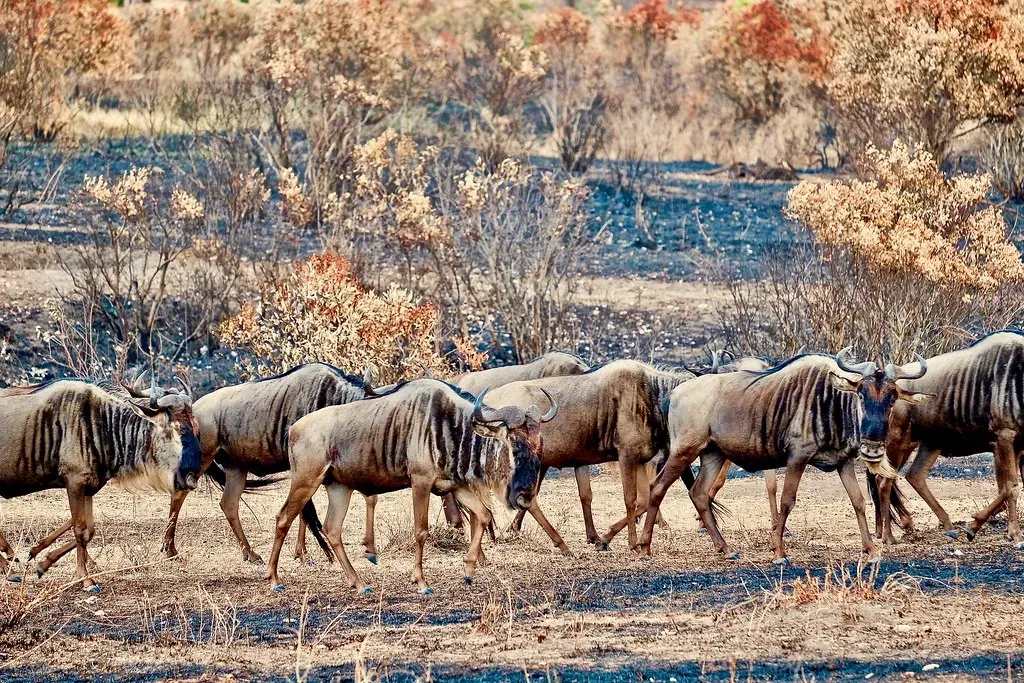
As impressive as animal navigation is, it’s also fragile. Human activity is starting to interfere with the signals animals rely on. Light pollution hides stars and confuses birds and insects that migrate at night. Bright city lights can lure birds into fatal collisions with buildings, or tempt sea turtle hatchlings to crawl toward roads instead of the ocean. Noise pollution from shipping, sonar, and offshore construction can mask the long-distance calls whales use, effectively jamming their acoustic guidance systems.
There is also growing concern about electromagnetic “smog” from power lines, communications equipment, and other infrastructure. Some studies suggest that weak radiofrequency noise can disrupt the magnetic compass of certain birds under experimental conditions. Add in climate change shifting wind patterns, ocean currents, and the timing of seasons, and many traditional migratory routes are becoming riskier or less rewarding. Animals that once could rely on a stable, predictable map now face moving targets and scrambled cues, and not all of them can adapt fast enough.
What Animal Navigation Reveals About Our Own Sense of Place
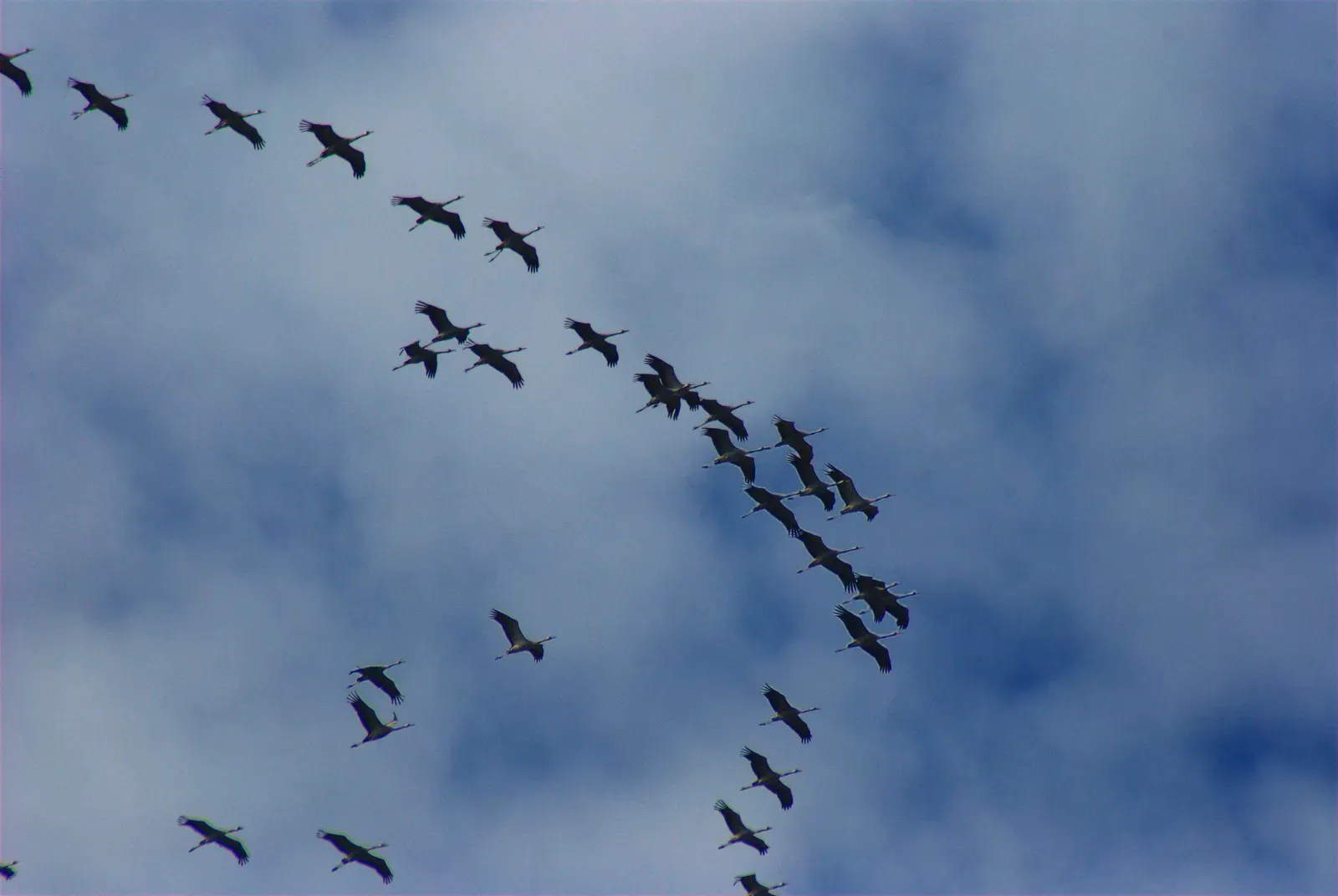
Peering into the minds of migrating animals forces us to rethink what it means to know where you are. Humans tend to treat navigation as a tech problem: if we lose our phones, many of us immediately feel lost, even in our own cities. Yet long before satellites and screens, people crossed oceans using stars, swells, birds, and the color of the water, much like the animals we now study. In a way, modern science is helping us rediscover a deeper, older style of orientation that we once shared more intimately with the rest of the natural world.
For me, the most humbling part is this: a warbler weighing less than a coin can fly across half the planet with more confidence than most of us feel walking into a new job or a new city. Their journeys are a reminder that the world is full of hidden patterns, and that living creatures can read them in ways we barely understand. Next time you see a flock overhead or a butterfly drifting south in autumn, it might be worth asking yourself: whose map are they following, and what might we still learn from it?