Plastic pollution is one of the most daunting environmental challenges of our time. With an estimated 8 million metric tons of plastic waste entering the oceans annually, ecosystems worldwide are under threat. Traditional methods for managing plastic waste, such as recycling and incineration, have proven inadequate on their own. However, biotechnology offers promising innovations that could transform how we resolve this crisis. One promising avenue in biotechnology is utilizing microbes that can break down plastic. This article explores how biotechnology can potentially mitigate plastic pollution through these ingenious tiny helpers.
The Magnitude of the Plastic Problem

Understanding the scope of plastic pollution is crucial for appreciating the urgency of innovative solutions. Plastics are ubiquitous in modern life due to their durability and versatility, resulting in their widespread use in countless products. However, this very durability means that plastics can take hundreds of years to decompose. As they persist in the environment, plastics can harm wildlife, infiltrate food chains, and disrupt ecosystems. Current estimates suggest that only 9% of all plastic waste ever produced has been recycled, with the rest ending up in landfills, incinerators, or the natural environment.
Biotechnology: A Promising Offensive Against Plastic Waste

Biotechnology harnesses biological processes for technological applications, offering new tools for environmental conservation. Specifically, it can address plastic pollution through the development of bio-based plastics and biodegradation methods. The use of microbes, such as bacteria and fungi, to degrade plastics presents a more sustainable approach than mechanical and chemical recycling. These organisms naturally possess or can be engineered to produce enzymes that break down plastic polymers into biodegradable compounds, making them a game-changer in waste management.
Microbes: Nature’s Recyclers
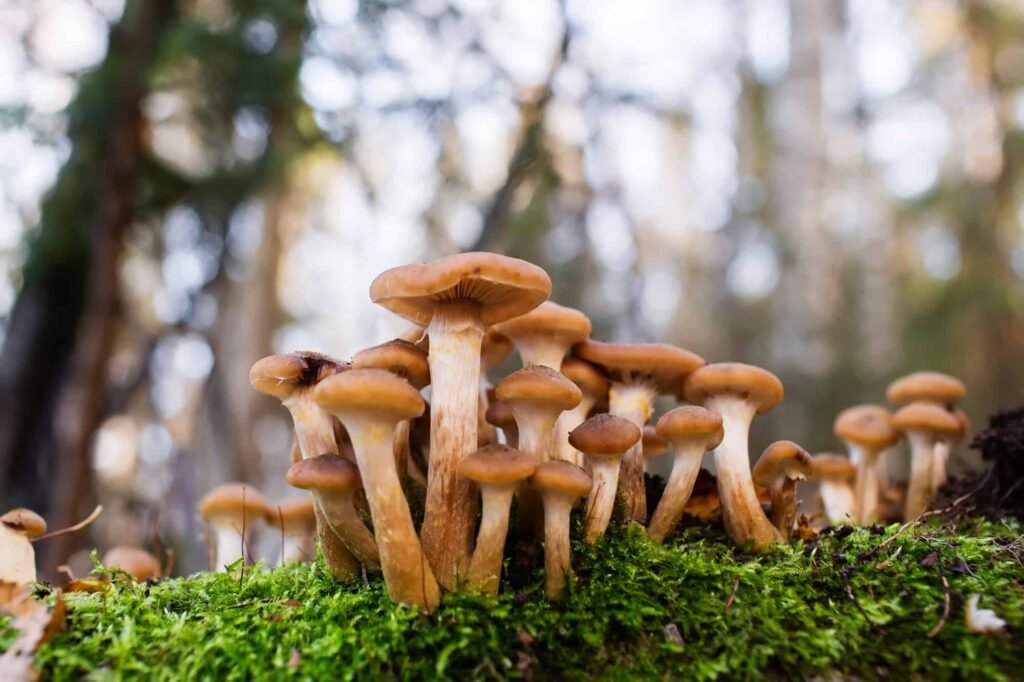
Microbes have been recycling the planet’s components for billions of years. Some microorganisms have evolved to digest natural polymers like cellulose and lignin, which has led scientists to investigate their potential to tackle synthetic polymers like plastic. Recent discoveries have identified strains of bacteria—such as Ideonella sakaiensis, capable of digesting polyethylene terephthalate (PET) used in many consumer products like bottles and clothing fibers. This bacterium produces an enzyme called PETase, which breaks down PET into simpler molecules that can be absorbed and further metabolized by the bacteria.
Genetic Engineering: Enhancing Microbial Efficiency

While some naturally occurring microbes can degrade plastics, their efficiency is often limited. This is where genetic engineering plays a role. Scientists are working to enhance the capabilities of plastic-eating microbes through biotechnological techniques. By improving the enzymes they produce or incorporating pathways from various organisms, researchers can potentially create “super microbes” that decompose plastic more quickly and efficiently. This genetic enhancement could make microbial bioremediation a practical component of waste management.
Challenges and Considerations

Despite the promise of biotechnological solutions, several challenges must be addressed before microbial plastic degradation can be implemented on a large scale. Firstly, the rate of degradation by microbes needs to match the rapid production and accumulation of plastic waste. Furthermore, controlled environments might be necessary to maintain the optimal conditions for microbes to function effectively, raising logistical and economic questions. Additionally, ethical and ecological concerns about releasing genetically modified organisms into the environment must be considered carefully to prevent unintended ecological consequences.
The Future of Biotechnology in Plastic Waste Management

The potential for biotechnology, particularly through the use of microbes, to address plastic pollution is immense. Continued research and development are essential to overcome current limitations and harness these natural recyclers’ full capabilities. By integrating microbial solutions with other waste management strategies, such as improved recycling systems and legislative measures to reduce plastic production, there is hope for a sustainable solution to plastic pollution.
Conclusion

The plastic pollution crisis demands innovative solutions, and biotechnology offers a promising path forward. By utilizing microbes that can break down plastics, scientists are pioneering a new frontier in waste management. While challenges remain, the future looks hopeful for biotechnological interventions to significantly reduce plastic pollution and deliver lasting environmental benefits. As research and technology advance, these microscopic organisms could be key players in ensuring a cleaner, healthier planet.