


Have you ever wondered why some scientific breakthroughs become household names, while others fade into obscurity? Or why certain discoverers are celebrated, while others are barely remembered? The truth is, the journey of science is anything but a straight line. Hidden beneath the surface of every “Eureka!” moment is a tangled web of assumptions, expectations, and biases—some obvious, some nearly invisible. These unseen forces not only shape the course of discovery but also determine who gets to stand in the spotlight. It’s a story of genius, ambition, and sometimes, heartbreak—where objectivity battles prejudice, and history’s heroes aren’t always who you’d expect. So, let’s take a closer look at how bias has quietly steered the ship of science, right from the earliest experiments to the latest Nobel Prizes.
The Invisible Hand of Bias in the Lab

Walk into any laboratory, and you’ll find more than just beakers, microscopes, and data sheets. Unseen but ever-present, bias can slip quietly into research at every stage. Scientists, like all humans, carry beliefs and expectations that can color how they interpret results or even what questions they choose to ask. Sometimes, these influences are so subtle that researchers don’t realize they’re there. Imagine a scientist so convinced of a theory that they unconsciously overlook data that doesn’t fit—this is confirmation bias at work. In the high-stakes world of discovery, such blind spots can make the difference between a revolutionary insight and a missed opportunity.
Historical Prejudices and the Shape of Science

History is littered with stories of brilliant minds who were sidelined because they didn’t fit the mold. For centuries, only certain people—usually wealthy, white, and male—were allowed into the halls of science. This meant that the questions being asked, and the answers considered valuable, reflected the worldview of a narrow group. For example, Rosalind Franklin’s pivotal work on DNA structure was overshadowed by her male colleagues, a reminder that who you are can affect the credit you receive. These old prejudices still echo in today’s scientific community, although the walls are slowly coming down.
The Power of First Impressions
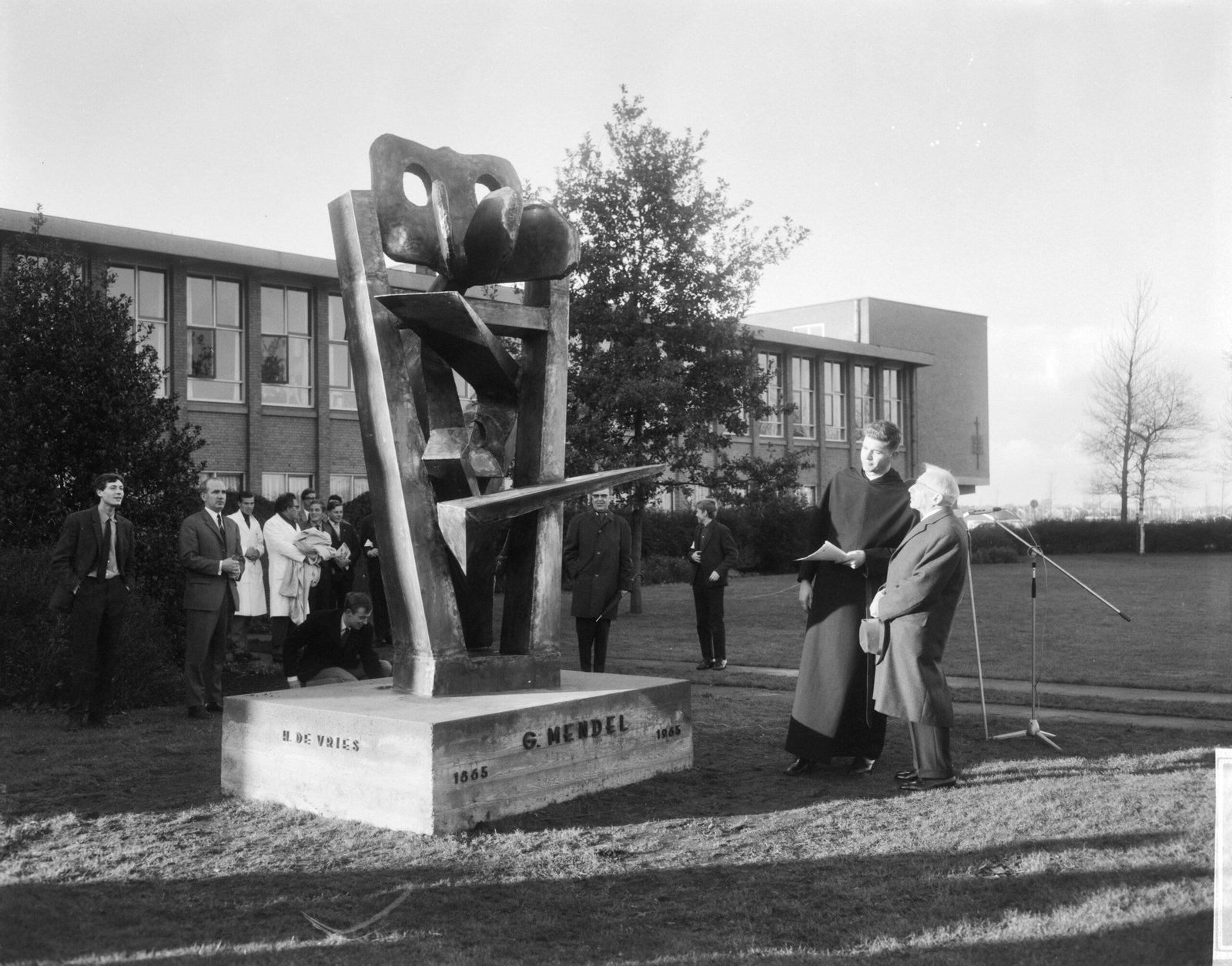
In science, first impressions can linger like stubborn stains. The first person to publish a discovery often gets the lion’s share of the credit, whether or not their work stands the test of time. This “priority effect” sometimes means that later, more accurate findings are overlooked or dismissed. A perfect example is Gregor Mendel, whose groundbreaking work on genetics was ignored for decades simply because he wasn’t part of the scientific mainstream. It’s a reminder that being first doesn’t always mean being right—or being recognized straight away.
The Gender Gap in Scientific Recognition

The history of science is full of women whose contributions were ignored, dismissed, or even stolen. Lise Meitner, who helped discover nuclear fission, was left out when the Nobel Prize was awarded to her male colleague. Even today, women in science often face more obstacles to funding, publication, and recognition. This isn’t just unfair—it also means that valuable perspectives and ideas are left out of the conversation. Efforts to close the gender gap are ongoing, but the shadows of bias still linger.
Race and Ethnicity: The Other Glass Ceiling

Bias based on race and ethnicity has long shaped who gets to participate in science—and who gets credit for discoveries. Many Black, Indigenous, and other scientists of color have been left out of the story, their work attributed to others or simply forgotten. For instance, the groundbreaking contributions of Chien-Shiung Wu to nuclear physics were minimized, despite her pivotal role. These stories are slowly being resurfaced, but the impact of exclusion is still felt in how science is taught and celebrated.
Funding and the Politics of Prestige

Money talks in science, and it can also whisper bias. Research topics that attract more funding are often those with the most social or political clout—not necessarily the most important or urgent. Sometimes, projects led by well-connected scientists get backing, while equally promising work by outsiders is ignored. This creates a cycle where the rich get richer in terms of recognition and resources, reinforcing existing hierarchies and biases within the scientific community.
Peer Review: Gatekeeper or Gatecrasher?
Peer review is meant to ensure that only high-quality science gets published. But it’s also a place where bias can sneak in. Reviewers may unconsciously favor research from famous institutions or big-name authors. Sometimes, innovative or unconventional ideas are dismissed simply because they don’t fit established thinking. This can slow down progress and keep new voices from being heard. The peer review process, while valuable, isn’t immune to the same human flaws that affect all of science.
The Nobel Prize: Triumph or Tragedy?
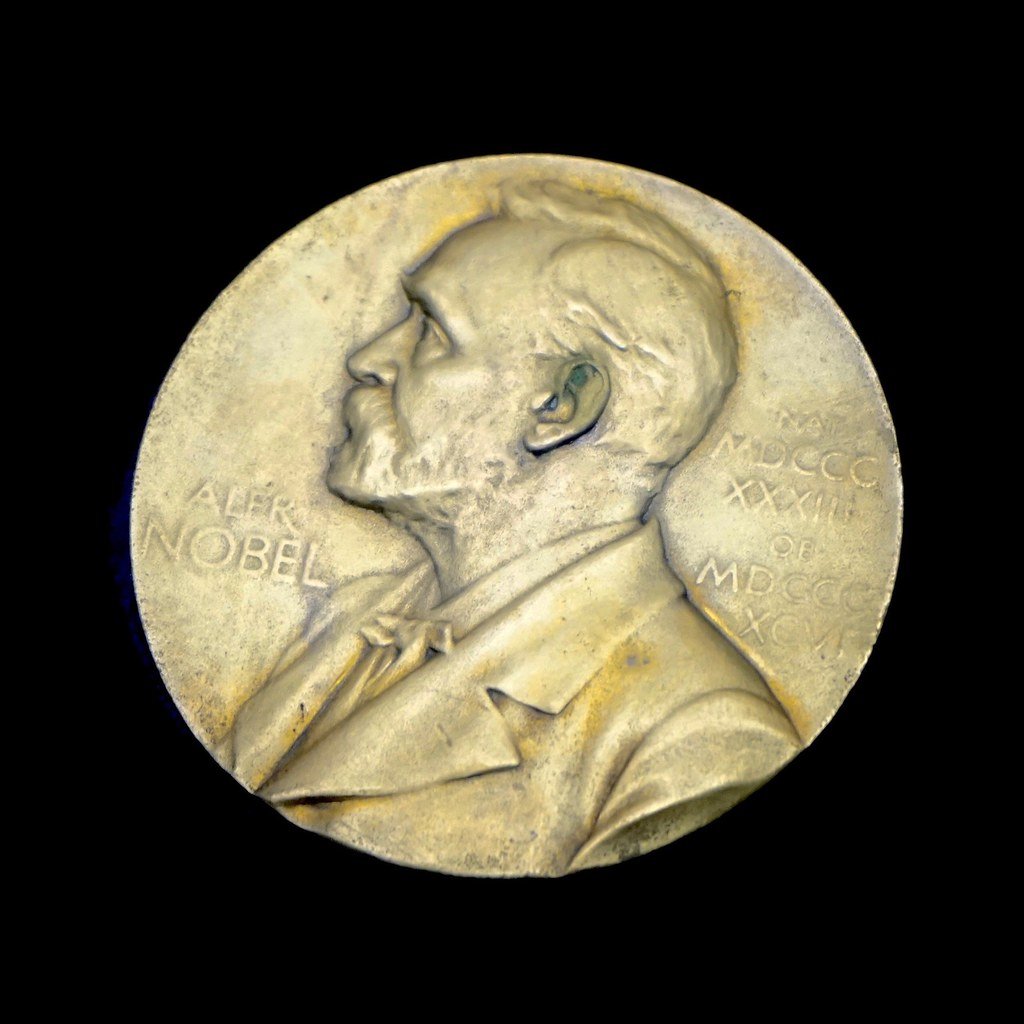
Winning a Nobel Prize is the pinnacle of scientific achievement, but the process of choosing winners is far from perfect. Many deserving scientists—especially women and people of color—have been overlooked. The story of Jocelyn Bell Burnell, who discovered pulsars but was passed over for the prize, is just one example. Sometimes, the Nobel goes to individuals when it was really a team effort, raising questions about who gets to be called a “genius.” The biases behind these decisions can shape scientific legacies for generations.
The Role of Popularity and Media Hype

The media loves a good story, and sometimes the most charismatic or telegenic scientist gets more attention than their quieter peers. A headline-grabbing personality can overshadow the team behind a discovery or exaggerate the importance of certain findings. This isn’t just about fame—it can influence funding, career prospects, and the direction of future research. The “celebrity scientist” phenomenon shows how public perception, shaped by bias, can affect who gets credit in the scientific world.
Language Barriers and Global Recognition

Science is often seen as a universal language, but in reality, language barriers can prevent discoveries from reaching a global audience. Researchers who publish in less widely spoken languages may struggle to get their work noticed. Sometimes, discoveries made in one country are only recognized after being “rediscovered” elsewhere, often by more prominent scientists. This linguistic bias means that valuable insights can be delayed—or lost altogether—just because of where and how they’re shared.
Data Selection: The Temptation to See What You Want

Every scientist faces choices about what data to include, what to leave out, and how to interpret what they find. This is where selection bias can creep in. If researchers only report results that support their hypothesis, or ignore “messy” data, the truth gets distorted. This doesn’t always happen on purpose—sometimes, the desire for a clean, compelling story is simply too strong to resist. It’s a bit like picking the ripest apples and leaving the rest on the tree, never telling the full story of the harvest.
Cultural Bias: The Lens of Worldview

Culture shapes the way people think—including scientists. What’s considered an important question, or even a valid method, can vary dramatically from one culture to another. For example, Western science has sometimes dismissed traditional knowledge systems, missing out on valuable insights. The story of ethnobotanists learning from indigenous healers is a striking example of how cultural bias can limit the scope of discovery. Only by broadening our perspectives can science truly flourish.
The Myth of the Lone Genius

We love the idea of the solitary genius, toiling away in a lab and changing the world single-handedly. But the truth is much messier. Most breakthroughs are the result of teamwork, collaboration, and shared ideas. Yet, credit often goes to a single figure, erasing the contributions of others. Think of Thomas Edison, who had a whole team working with him, or Marie Curie, whose husband Pierre was just as involved. The myth of the lone genius is as much about bias as it is about storytelling.
Replication Crisis: When Bias Distorts the Record

In recent years, science has faced a replication crisis, where many famous results couldn’t be reproduced. Bias plays a big role here—researchers may be more likely to publish exciting, positive results than negative or inconclusive ones. This “publication bias” skews our understanding of what’s true and what isn’t. Fixing it means being honest about failure and uncertainty, and valuing transparency over sensationalism.
Mentorship and Networks: Who Gets a Seat at the Table?

Opportunities in science often come down to who you know. Mentors, sponsors, and professional networks can open doors—or keep them closed. Bias can creep in if decision-makers favor people who look or think like themselves, reinforcing existing inequalities. This affects who gets research positions, grants, or speaking opportunities. Building more inclusive networks is key to making sure all voices are heard and all talent is recognized.
Changing the Narrative: Science’s Ongoing Reckoning
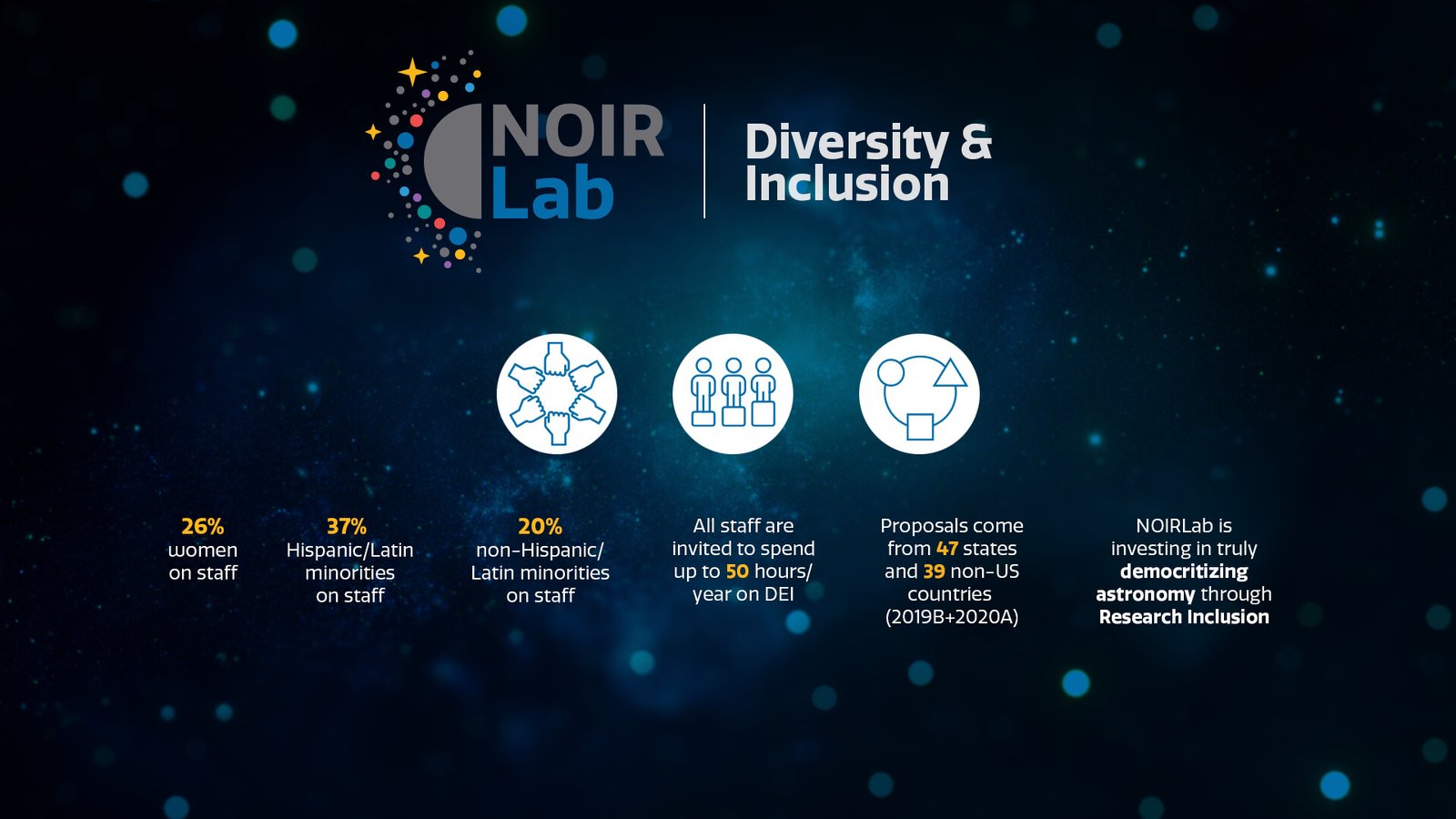
Today, the scientific community is slowly waking up to the impact of bias. Efforts to promote diversity, equity, and inclusion are gaining ground. Journals are experimenting with blind review, and institutions are re-examining their histories. But true change is hard and slow. Recognizing bias is only the first step—dismantling it takes courage, humility, and a willingness to rewrite the story of science itself.
Why It Matters: The Future of Discovery
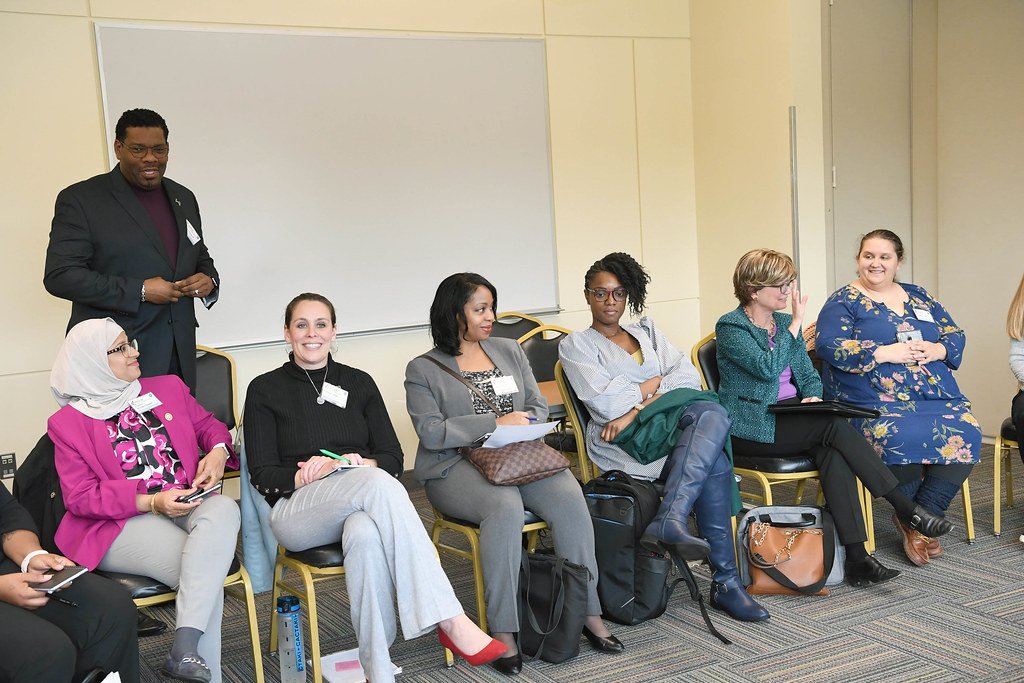
Bias in science doesn’t just affect who gets credit—it shapes what we know about the world. When some voices are silenced and others are celebrated, our understanding becomes incomplete. By challenging bias, we open the door to new questions, new discoveries, and a richer, more accurate picture of reality. The next big breakthrough might come from the most unexpected corner, if only we’re willing to listen.


