It’s almost unbelievable: while people debate the best ways to heal our planet, three remarkable animals quietly perform miracles of ecosystem restoration every single day, without waiting for human approval or intervention. Beavers sculpt rivers into vibrant wetlands, bats wage silent wars against pests, and bison thunder across prairies, reviving grasslands that once seemed lost. These creatures don’t need blueprints or budgets—they simply follow ancient instincts, weaving wild landscapes back together. Their work is so vital and awe-inspiring that it begs the question: could letting nature take the lead be the secret to true rewilding?
The Ingenious Architecture of Beavers
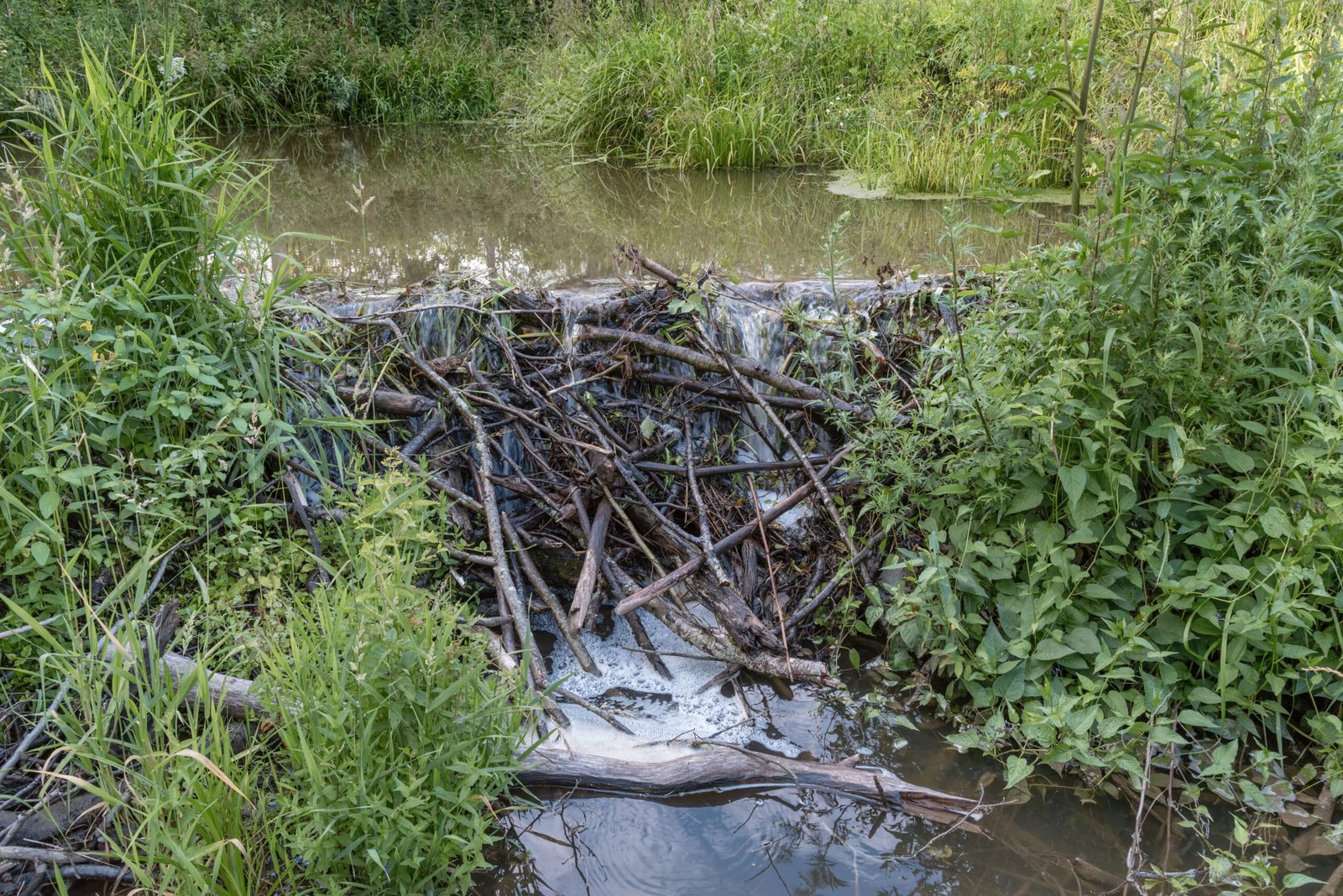
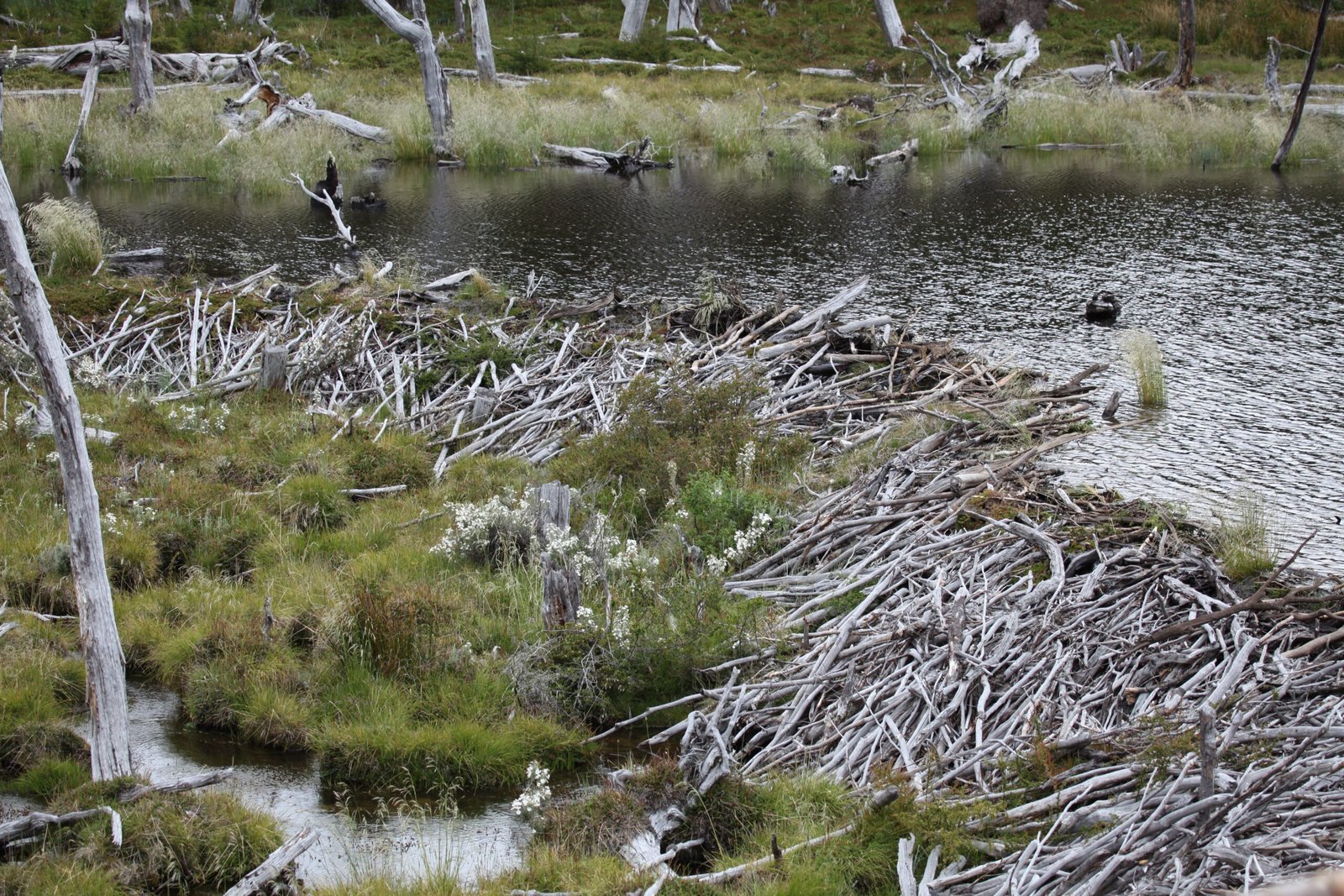
Beavers are often called “nature’s engineers” for a reason. When they settle into a stream or river, their dam-building activities create ponds that transform the landscape. These watery havens slow water flow, reduce erosion, and nurture a rich mosaic of habitats. Fish, frogs, and countless insects thrive in these new wetlands, which also attract birds and mammals that were absent before. By blocking water, beaver dams also recharge groundwater, helping to keep streams flowing even during dry months. This natural water management is especially important in areas affected by drought or climate change. Without any instructions from humans, beavers turn simple branches and mud into thriving, life-filled wetlands.
Beavers as Champions of Biodiversity
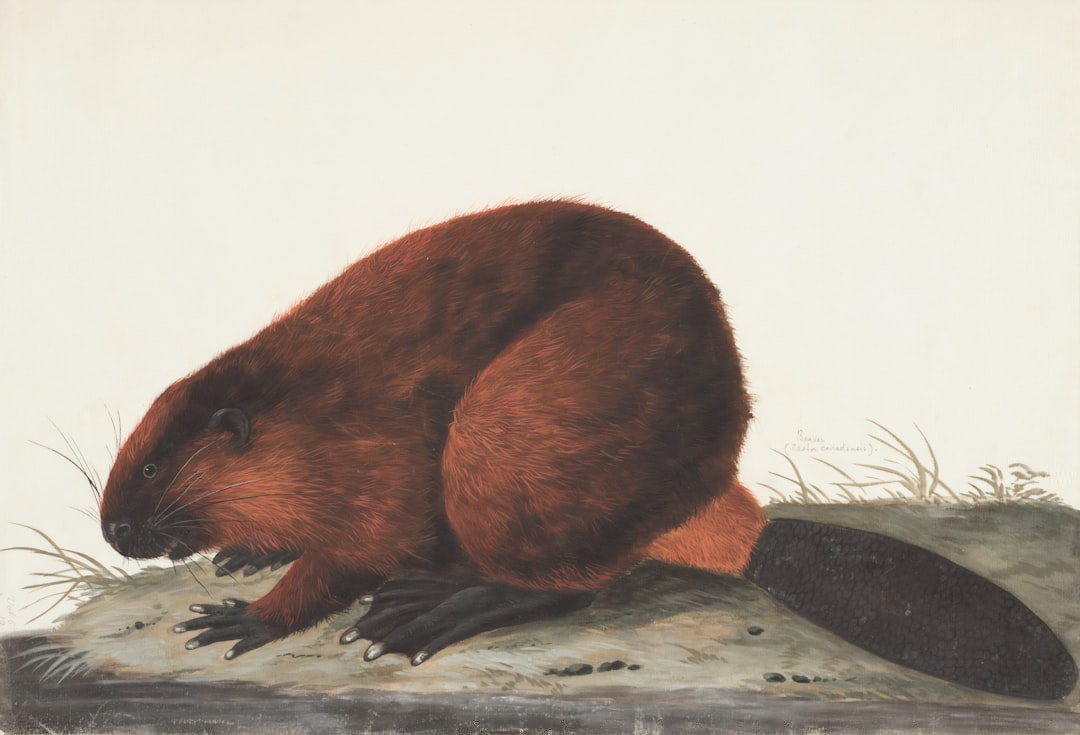
The impact of beavers extends far beyond the dams they build. Their ponds become bustling hubs of biodiversity, teeming with life that wouldn’t be there otherwise. Waterfowl nest in the quiet marshes, otters and muskrats play in the pools, and dragonflies hover over the water’s surface. In fact, studies have shown that beaver ponds can support up to twice as many species as surrounding streams. By creating varied habitats, beavers provide shelter and food for a wide range of wildlife, including some threatened or endangered species. This spontaneous boost to local ecosystems happens without any need for human management, simply as a byproduct of the beavers’ tireless work.
Bats: Silent Gardeners of the Night
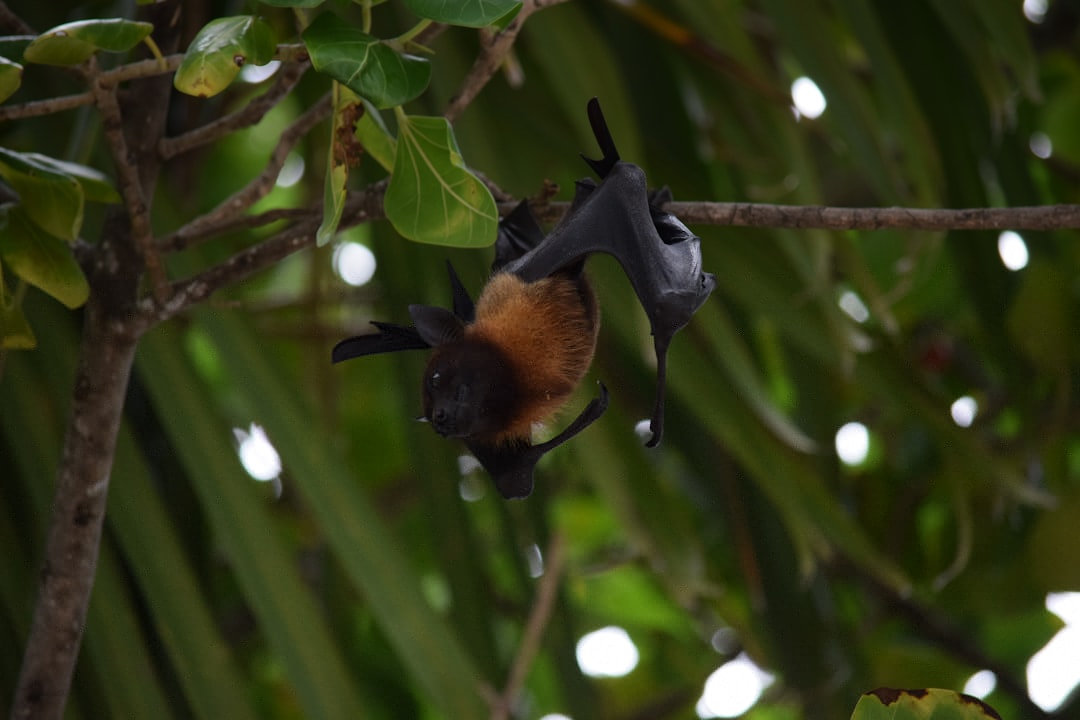
While much of the world sleeps, bats take flight, performing an ecological service that is often overlooked but utterly essential. These nocturnal mammals feast on insects—especially moths, beetles, and mosquitoes—keeping pest populations in check naturally. A single bat can consume thousands of insects in one night, saving crops from devastation and reducing the need for chemical pesticides. Their role as pest controllers benefits agriculture and natural ecosystems alike, fostering healthier, more balanced environments. Bats also transport pollen and seeds, helping plants reproduce and spread across the landscape, all without any human direction or oversight.
The Role of Bats in Pollination and Seed Dispersal
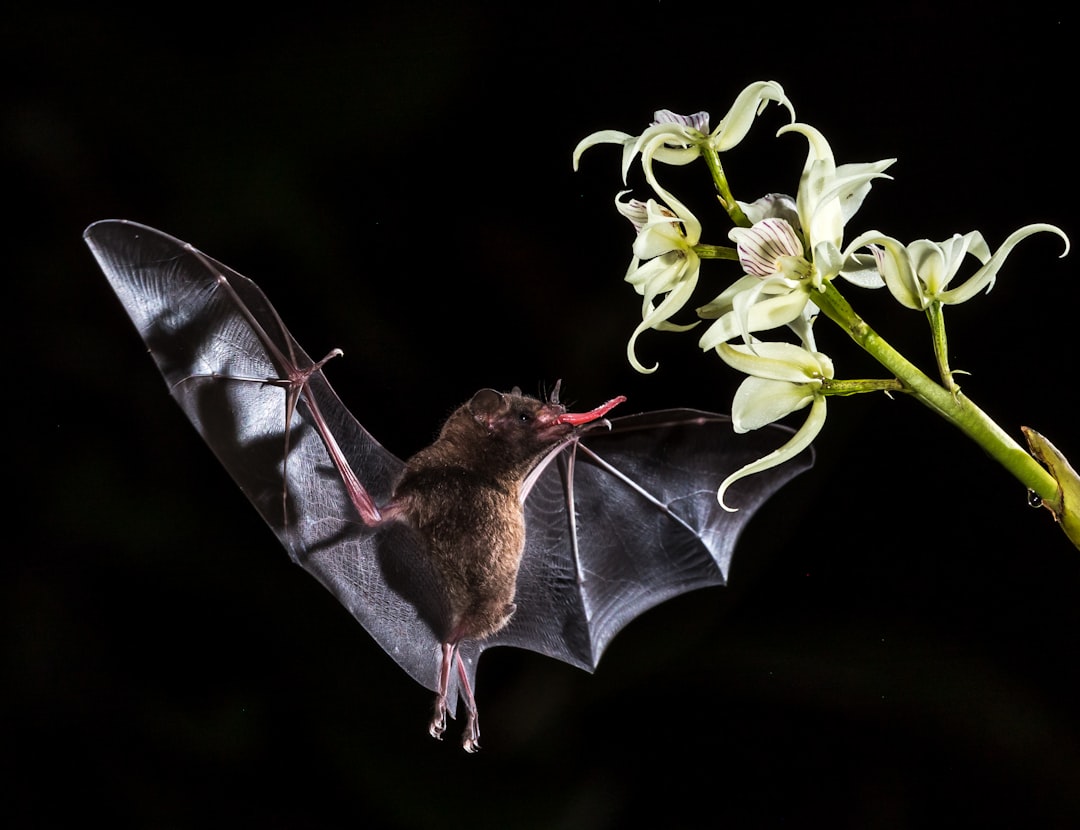
Beyond their appetite for bugs, many bat species are crucial pollinators and seed dispersers. In tropical and desert regions, bats visit flowers at night, sipping nectar and transferring pollen from one blossom to another. This nighttime pollination is vital for plants that bloom after dark, including agave, bananas, and mangoes. Fruit-eating bats scatter seeds far and wide, encouraging forest regeneration and the spread of native plants. These actions help forests recover after fires or storms, increasing plant diversity and resilience. All of this happens silently, powered by the bats’ nightly flights, and requires no help from people.
Bison: Restorers of the Open Plains
Once roaming North America in the millions, bison are living bulldozers and gardeners of the prairie. Their immense size and constant movement churn the soil and trample dead plant material, creating space for new grasses and wildflowers to sprout. As bison graze, they prevent any one plant from taking over, encouraging a patchwork of diverse species. Their wallows—shallow depressions they roll in—collect rainwater and become mini-wetlands, supporting insects, amphibians, and birds. These natural behaviors revive landscapes that have been damaged by farming or overgrazing, restoring balance and productivity without the need for machinery or fertilizers.
How Bison Shape Plant Communities
The presence of bison on grasslands triggers a remarkable transformation in plant life. Their selective grazing prevents dominant grasses from crowding out other species, allowing delicate wildflowers and rare plants to flourish. This grazing pressure also encourages deep-rooted plants to thrive, improving soil structure and health. In turn, these diverse plant communities provide food and shelter for a variety of insects, birds, and mammals. The changes set in motion by bison continue to ripple outward, strengthening the entire ecosystem and making it more resilient to drought, fire, and climate change.
Wetland Wonders: Beavers and Water Quality
Beaver dams do more than just create habitats—they also act as natural water purifiers. As water flows slowly through a beaver pond, sediments settle out and pollutants like nitrogen and phosphorus are trapped in the mud. These ponds filter water before it moves downstream, improving water quality for people and wildlife alike. In times of heavy rain, beaver wetlands absorb excess water, reducing the risk of floods and protecting communities. Their efforts help restore the natural function of rivers and streams, often reversing decades of environmental damage—all without a single blueprint or backhoe.
Bats as Guardians of Forest Health
Forests owe much of their health and diversity to bats. By feeding on insects that damage trees, bats help keep forests robust and free from devastating outbreaks. For example, bats are a primary predator of beetles that attack pines and oaks, preventing large-scale tree die-offs. In tropical regions, bats spread the seeds of hardwood trees, accelerating forest recovery after logging or storms. Their nightly patrols maintain the delicate balance between plants and insects, keeping forests vibrant and full of life. Remarkably, bats accomplish all this simply by going about their natural routines.
Bison and the Revival of Fire-Dependent Ecosystems
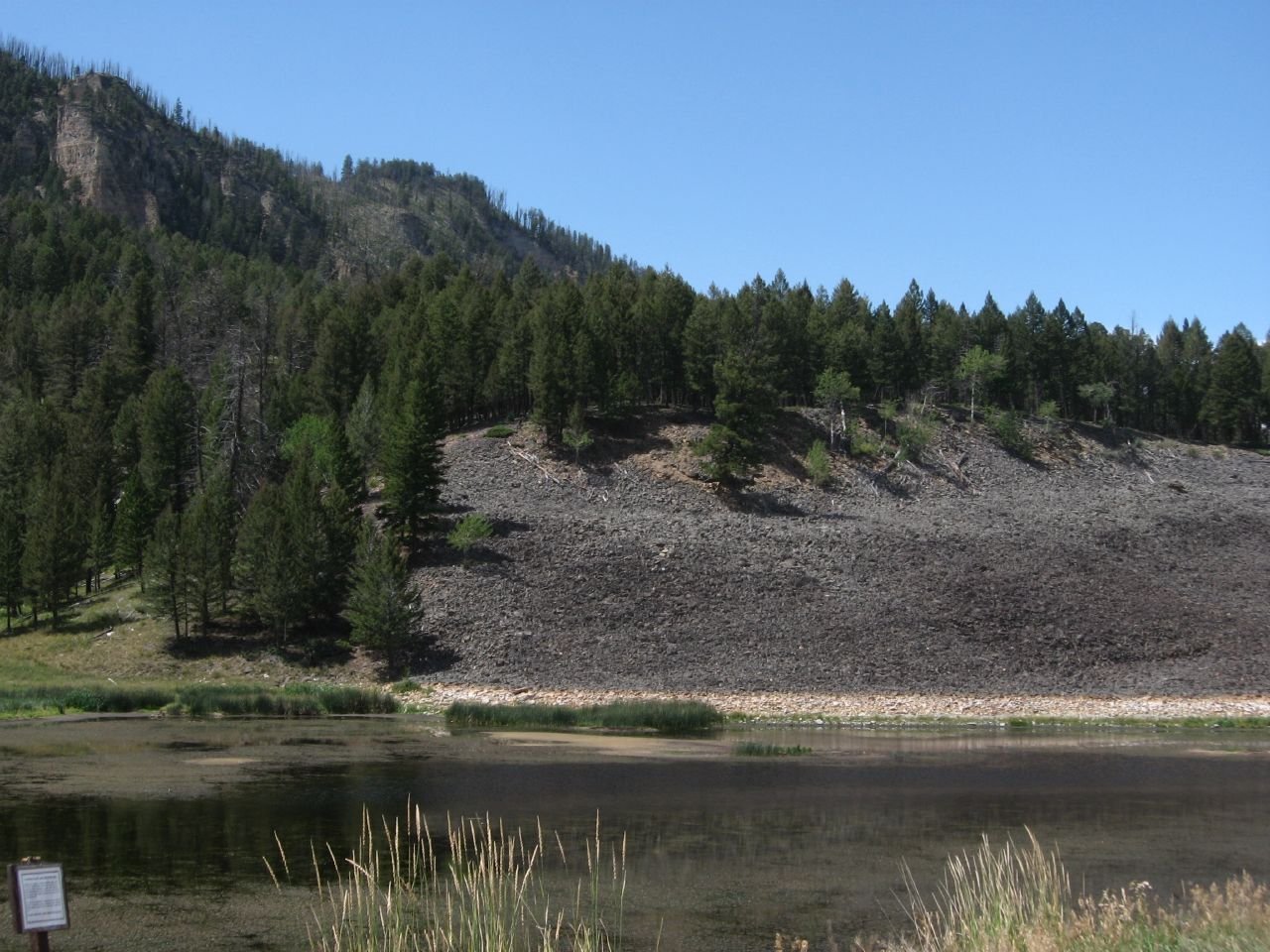
Many grasslands evolved with both bison and fire as key forces shaping the landscape. Bison grazing reduces the buildup of dry plant material, making fires less intense but more frequent—a pattern that supports a rich mix of plant and animal life. After a fire, bison quickly return to graze on the fresh shoots, further stimulating new growth. This partnership between bison and fire creates habitats for prairie birds, butterflies, and small mammals that rely on open spaces and varied vegetation. The result is a landscape that is not only beautiful but also self-sustaining, thanks to the bison’s ancient ways.
Unintended Benefits: Rewilding Without Human Guidance
What’s most astonishing about beavers, bats, and bison is that their positive impacts are largely unplanned—and often underestimated. When left alone, these animals revive habitats, clean water, and boost biodiversity with no need for human intervention. Their instincts, honed over millennia, guide them to restore balance in ways that scientists are only beginning to understand. Each animal acts as a keystone, setting off chains of change that transform entire regions. Their success stories challenge the idea that humans must always take charge, showing that sometimes, the best thing we can do is simply step back and let nature lead.
The Irreplaceable Magic of Wild Engineers
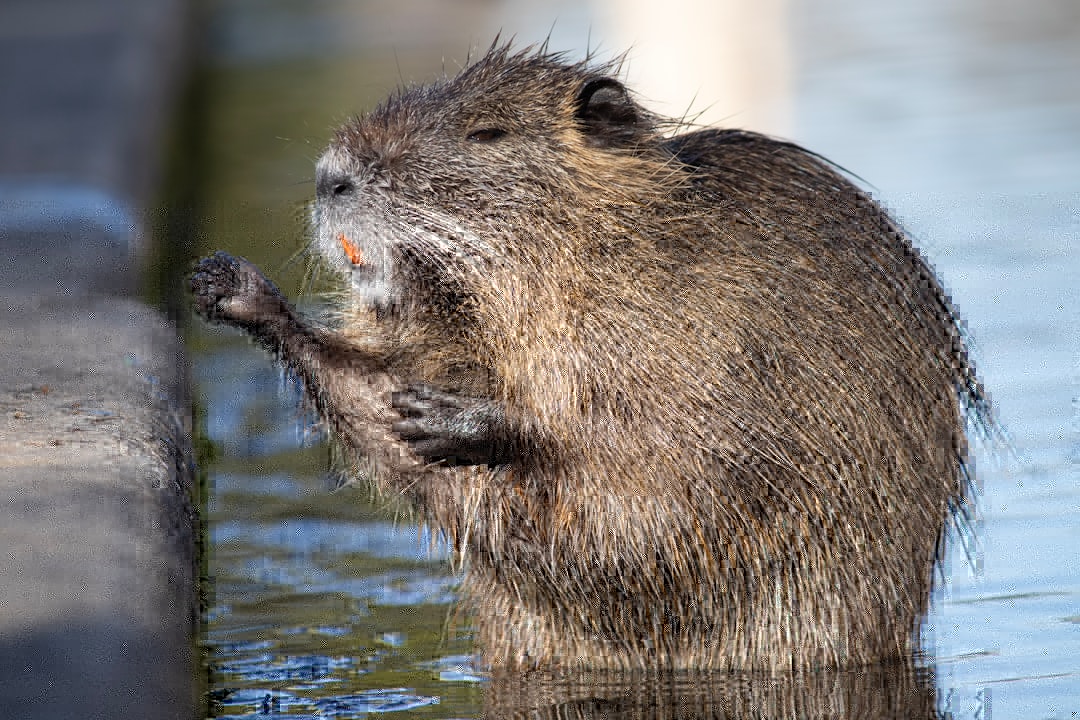
The work of beavers, bats, and bison offers a powerful lesson: nature knows how to heal itself, if given the chance. Watching a beaver pond fill with life, hearing bats flutter through a dusk-lit sky, or witnessing a herd of bison rumble across the prairie stirs something deep within us—a sense of hope, wonder, and belonging. These animals don’t just restore landscapes; they remind us that the wild world is full of wisdom, energy, and resilience. Can we learn to trust in nature’s engineers and give them the space to work their quiet magic?