Imagine a creature that works tirelessly, shaping the landscape in ways that protect entire ecosystems. Enter the beaver, nature’s industrious engineer. These remarkable rodents are doing more than just building dams; they are playing a crucial role in mitigating wildfires and combating drought across North America. As climate change continues to threaten natural habitats, beavers are emerging as unexpected allies in maintaining ecological balance.
The Busy Architects of Nature
Beavers are often recognized for their impressive dam-building skills. These structures, crafted with sticks, mud, and stones, create ponds and wetlands that serve as vital habitats for numerous species. By slowing down water flow, beaver dams reduce soil erosion and help sustain plant life, which in turn supports a thriving ecosystem. This natural architecture not only enhances biodiversity but also stabilizes the landscape, making it less susceptible to the ravages of fire and drought. Much like a community builder, the beaver fosters environments where life can flourish even under challenging conditions.
Creating Natural Firebreaks

One of the most critical contributions of beavers is their ability to create natural firebreaks. By diverting water and establishing wetlands, beavers effectively dampen areas that would otherwise be dry and flammable. During a wildfire, these wetland areas act as barriers, slowing down the spread of fire and protecting both plant and animal life. It’s akin to having a natural sprinkler system in place, ready to defend against the encroaching flames. This unique capability makes beavers indispensable allies in regions prone to wildfires, providing a natural solution to a growing environmental challenge.
Water Retention and Drought Mitigation
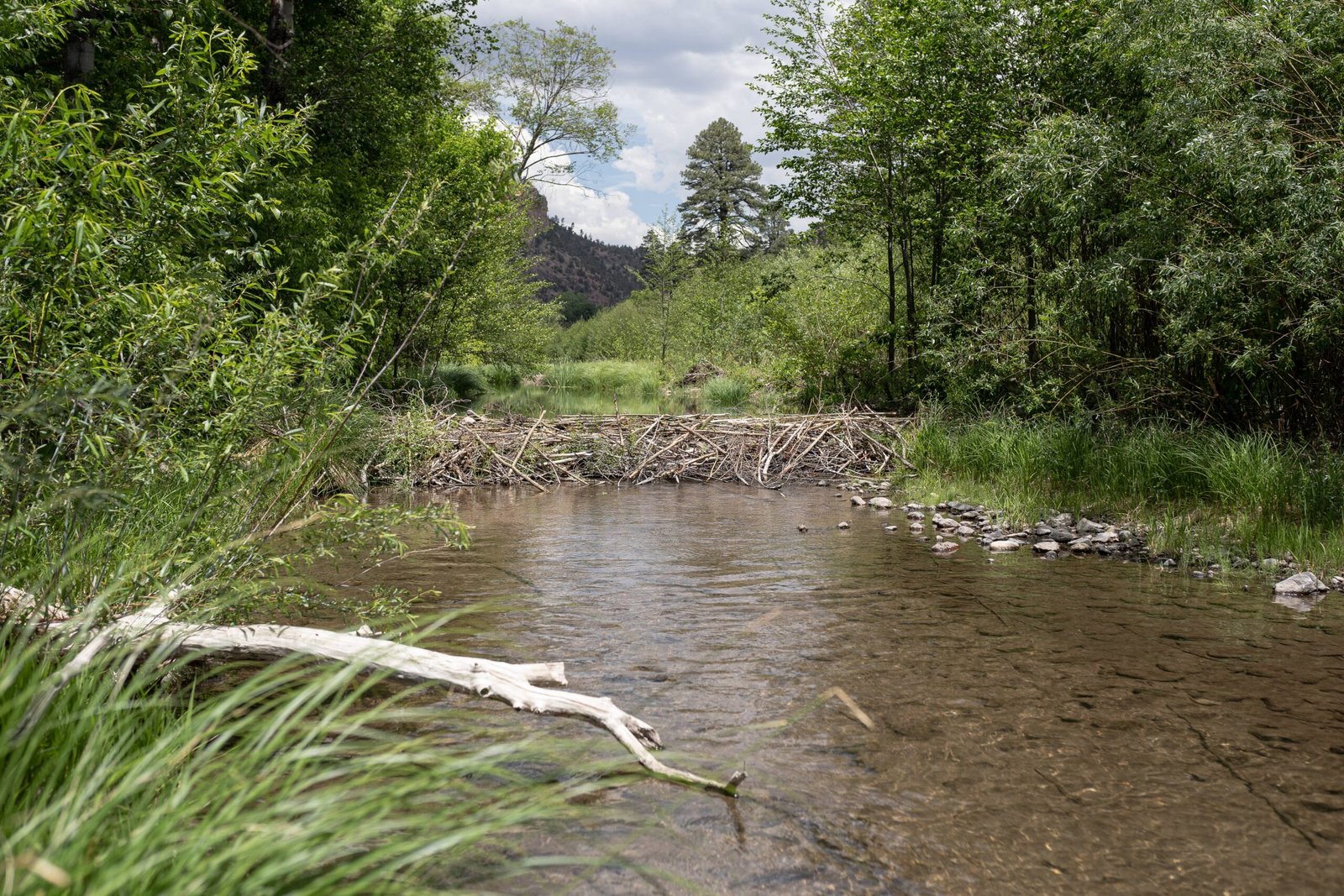
Beavers are not only fire-fighting heroes but also warriors against drought. By building dams, beavers increase water storage in the landscape, which is crucial during dry periods. These water reserves become lifelines for surrounding flora and fauna, ensuring survival through prolonged droughts. The ponds and wetlands created by beavers act like sponges, soaking up water during the rainy season and slowly releasing it during drier times. It’s a natural reservoir system, one that plays a crucial role in maintaining water availability when conditions are harsh.
The Ripple Effect on Biodiversity

The presence of beavers has a profound ripple effect on biodiversity. As they create wetlands, they provide habitats for a wide array of species, from insects to birds to fish. This increase in available habitats leads to richer biodiversity, which is essential for a healthy and resilient ecosystem. By fostering environments where diverse species can thrive, beavers ensure the continued balance and stability of their surroundings. It’s as if they are conducting a symphony of life, where each organism plays a vital part in the harmony of nature.
Carbon Sequestration and Climate Regulation
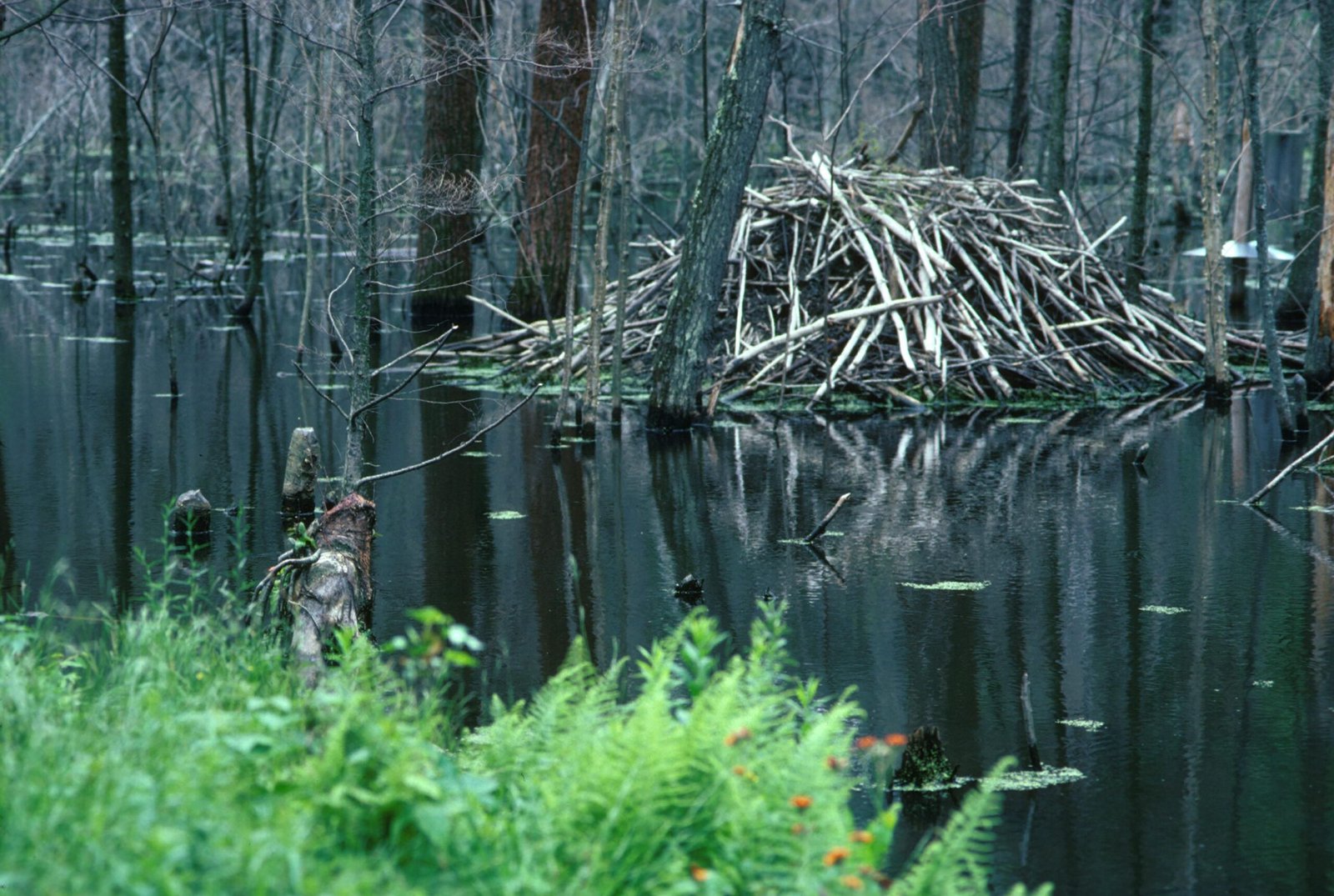
Beaver wetlands also play a significant role in carbon sequestration. The organic matter that accumulates in these areas can trap carbon, reducing the amount released into the atmosphere. This natural process helps mitigate climate change by lowering greenhouse gas concentrations. By preserving carbon in the soil, beavers contribute to climate regulation, making them pivotal in the fight against global warming. Their work in building wetlands acts like a natural buffer, absorbing excess carbon and promoting a healthier planet.
Beavers as Keystone Species
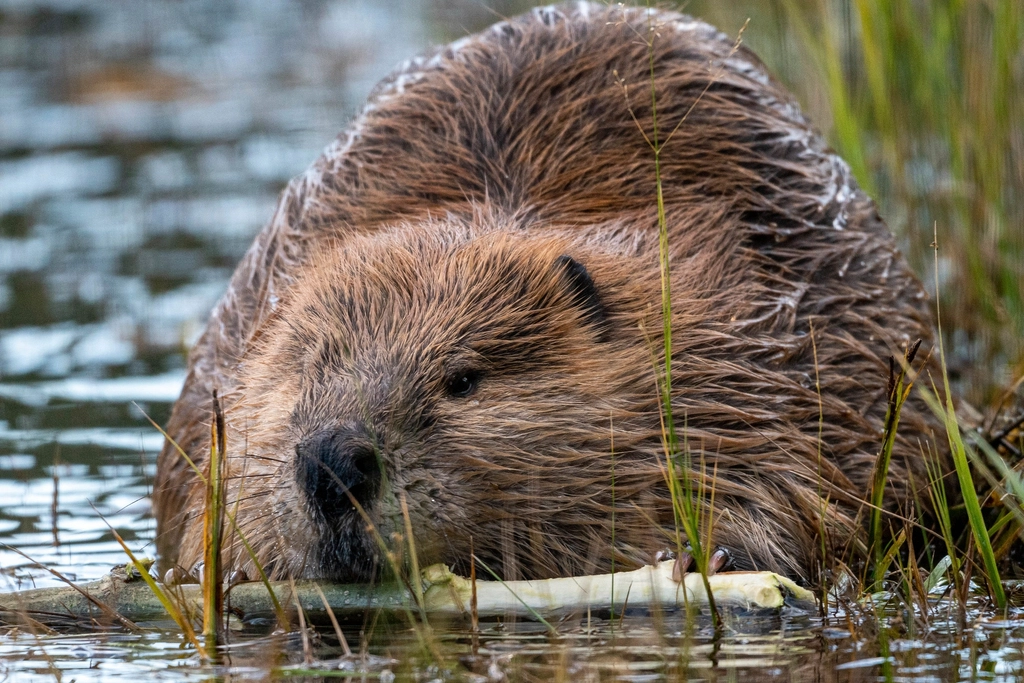
Beavers are considered a keystone species, meaning they have a disproportionately large impact on their environment relative to their population size. Their activities support entire ecosystems, influencing the availability of resources for other species. By shaping the landscape, beavers create conditions that allow various plants and animals to thrive. This keystone role underscores their importance in maintaining ecological health and stability, highlighting the interconnectedness of all living things.
Human-Beaver Coexistence

While beavers provide numerous ecological benefits, their presence can sometimes clash with human interests. Flooding and property damage are common concerns in areas where beavers are active. However, innovative solutions such as flow devices and beaver relocation programs are helping to mitigate these conflicts. By working alongside beavers, humans can harness their ecological services while minimizing negative impacts. This collaboration exemplifies how humans and wildlife can coexist harmoniously, benefiting both the environment and society.
Restoration Projects and Beavers
Restoration projects across North America are increasingly incorporating beavers into their plans. By reintroducing beavers to degraded landscapes, conservationists aim to restore natural water cycles and enhance habitat diversity. These projects have shown promising results, with beaver activity leading to increased water availability and improved ecosystem health. This proactive approach demonstrates the valuable role beavers play in ecological restoration, offering a natural and cost-effective solution to environmental degradation.
Challenges and Threats to Beavers
Despite their ecological importance, beavers face several challenges. Habitat destruction, climate change, and human-wildlife conflicts pose significant threats to their populations. Conservation efforts are crucial to ensure the survival of beavers and the continuation of their vital ecological services. By addressing these challenges, we can safeguard not only beavers but also the countless species and ecosystems that depend on them. Protecting beavers is a step toward preserving the natural world and the invaluable benefits it provides.
The Future of Beavers in Ecosystem Management

As awareness of the ecological benefits of beavers grows, their role in ecosystem management is likely to expand. Integrating beavers into conservation and land management strategies offers a promising path toward sustainable environmental stewardship. By leveraging their natural abilities, we can enhance ecosystem resilience and mitigate the impacts of climate change. The future of beavers in ecosystem management is bright, with the potential to transform landscapes and secure a healthier planet for generations to come.
Beavers are not just busy builders; they are essential architects of ecological balance. Through their dam-building and wetland creation, they help prevent wildfires and combat drought, making them invaluable allies in the face of environmental challenges. As stewards of biodiversity and climate regulation, beavers exemplify the power of nature to heal and sustain itself. In recognizing and supporting their role, we take a step toward a more harmonious relationship with the natural world.