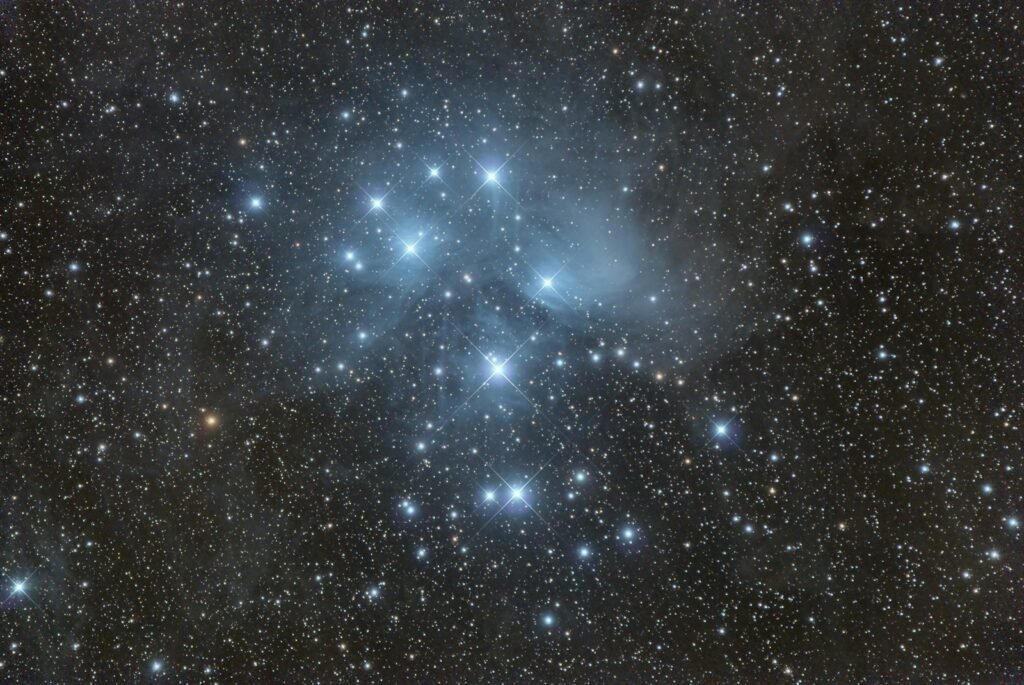

Here’s the astonishing part: the atoms in your blood and bones were forged long before Earth existed, scattered by dying stars across a young galaxy that looked nothing like our sky today. Scientists didn’t stumble on this by accident; they teased it out from meteorites so primitive they act like time capsules, and from samples delivered by robotic spacecraft in ultra-clean boxes. The mystery was never whether stars make elements, but how that dust survived the violence of planet-building to become part of us. The answer is a story of fire and ice, of grains older than the Sun hitching rides through a chaotic newborn solar system. And, yes, it’s a story still unfolding as new labs find smaller, stranger pieces of the past.
The Hidden Clues
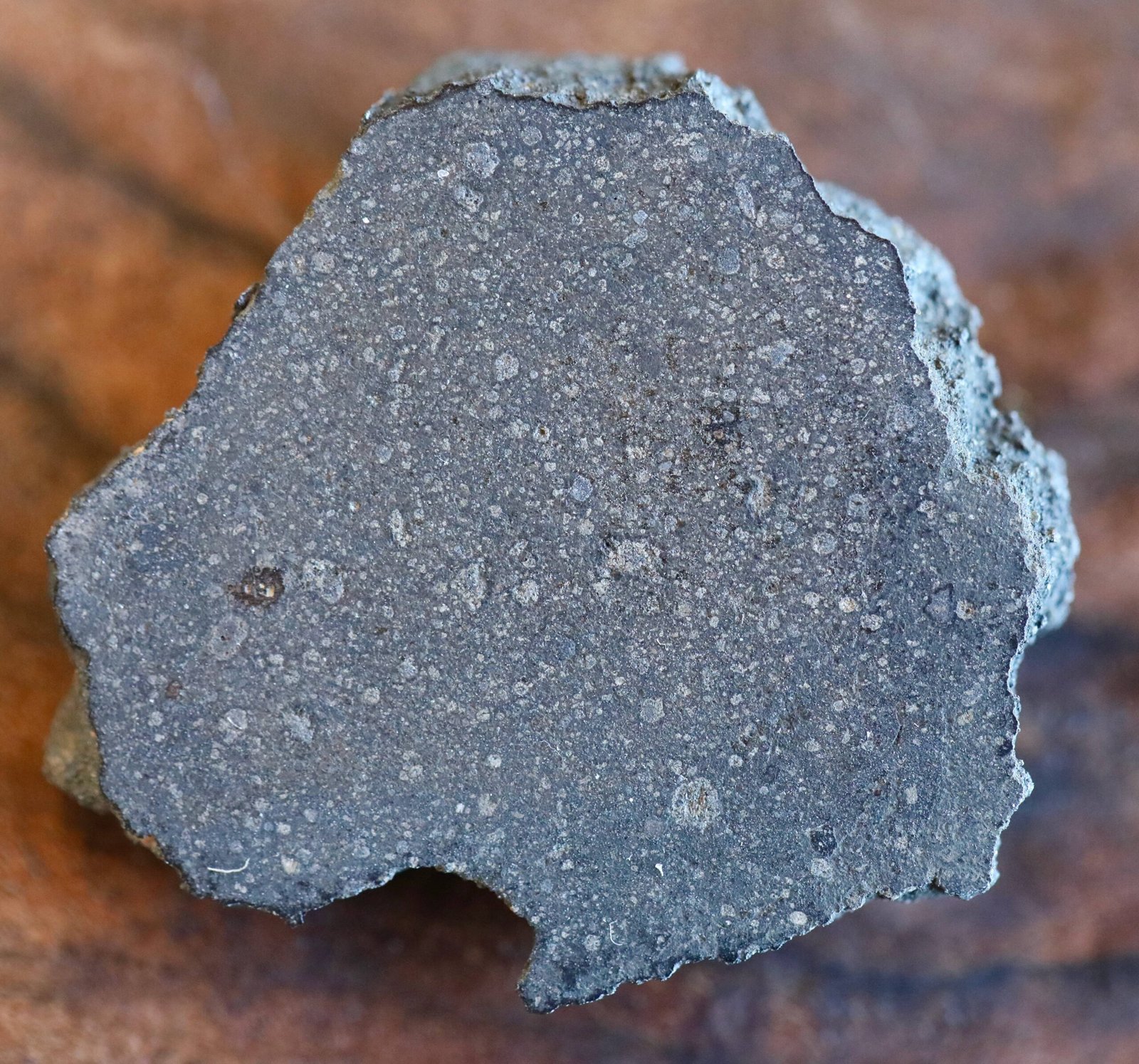
What if the iron in your blood once lit up a dying star? That’s not poetry – it’s laboratory evidence hiding in nanoscopic mineral grains embedded in ancient meteorites. These grains carry isotopic fingerprints, tiny imbalances in the ratios of atoms, that match the unique nuclear “accents” of red giants, supernovae, and other stellar furnaces.
Researchers isolate these stubborn specks – silicon carbide, graphite, corundum – by gently dissolving meteorite rock until only the most durable stardust remains. Some grains are older than the Sun by billions of years, a direct sample of the interstellar neighborhood that preceded our solar system. When scientists measure them, the data points to multiple stellar sources, as if a dozen different star stories were mashed into the same handful of dust.
I remember standing under a meteor shower, feeling the odd, quiet certainty that all of this had happened before. In a way, the grains agree: they are the survivors of earlier cycles, recycled again into us. That’s the hidden clue – survival against astronomical odds.
Cosmic Forges of the Elements
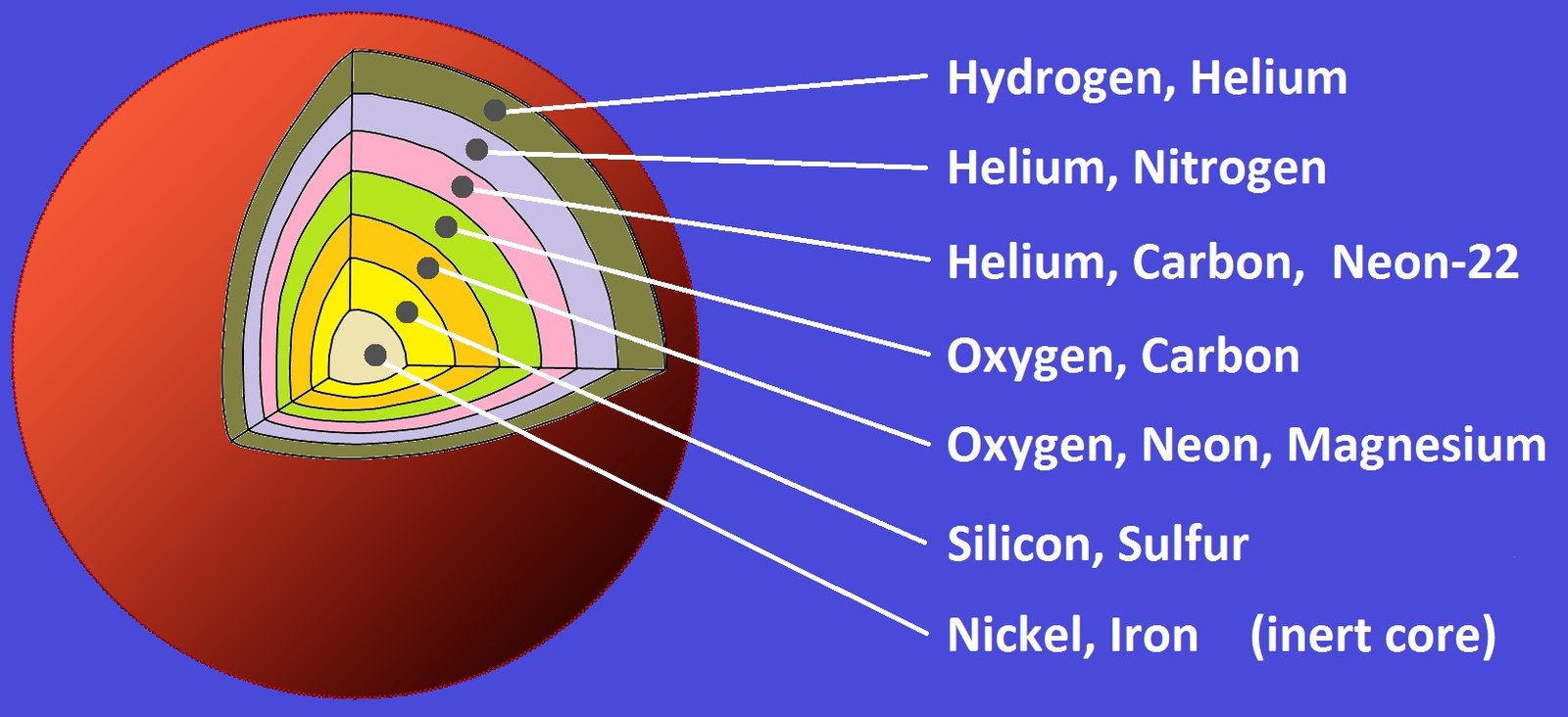
Big Bang nucleosynthesis gave the universe mostly hydrogen and helium, and almost everything else was built later inside stars. Carbon and oxygen are born when stars fuse lighter elements in their cores, while the heavier crowd – elements beyond iron – emerges from explosive events that flood space with neutrons and heat.
Some of those heavy elements likely came from neutron star mergers that erupt as kilonovae, while others poured from both core-collapse and thermonuclear supernovae. Slow neutron captures inside aging, bloated stars make ingredients like strontium and barium, which end up sprinkled into the interstellar medium like seasoning. The bottom line is simple and staggering: your body is a mosaic of different cosmic factories working across unimaginable time.
From Ancient Tools to Modern Science
The quest to prove we carry stellar remnants moved from kitchen chemistry to exquisitely sensitive instruments. Secondary ion mass spectrometry can pluck isotopes from a single grain without destroying its story, and atom probe tomography maps atoms in three dimensions with near-atomic precision.
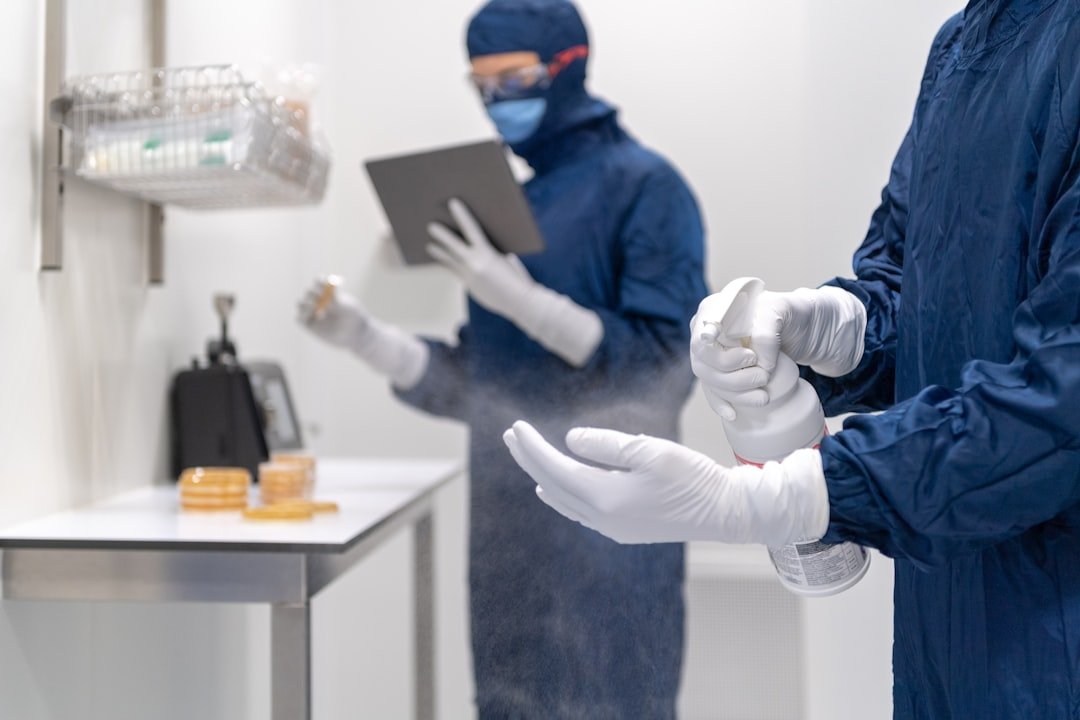
Sample-return missions raised the bar by delivering pristine material untouched by Earth’s weathering. Tiny grains from asteroids like Ryugu and Bennu arrived in sealed containers, letting scientists test unaltered cosmic dust and the organics it shelters. Inside cleanrooms, researchers dissect fragments the size of crumbs with tools that can sense a whisper of oxygen bound into ancient clays.
The result is more than a catalog; it’s a timeline. By pairing mineralogy with isotopes, labs reconstruct where a grain formed, how it traveled, and what it endured before becoming part of the soup that built planets. That timeline now threads straight into our cells.
A Journey Through the Protoplanetary Disk
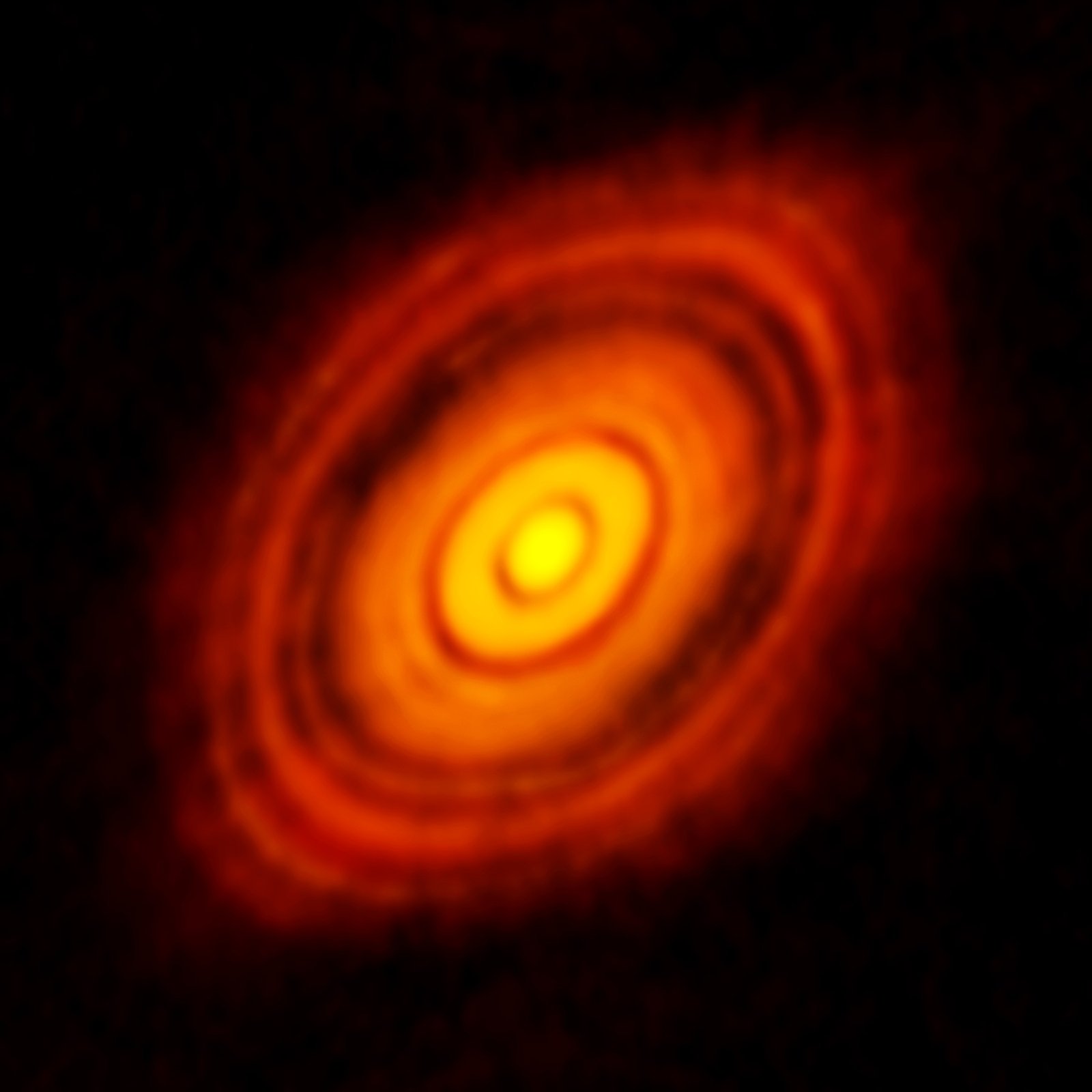
Picture a cold, dark cloud collapsing, sparked – perhaps – by a nearby stellar explosion that seeded it with fresh elements. The Sun ignites at the center while a churning disk of gas and dust flattens around it, heating near the star and freezing at the outskirts.
Within that disk, stardust grains mix with brand-new condensates, zipping inward and outward on turbulent currents. Some melt and reform, others stay intact, protected inside pebbles that grow into asteroids and baby planets. A fraction of those original grains survive every collision and every oven-hot passage, like lucky travelers keeping their passports through the busiest border in the cosmos.
Stardust That Fell From the Sky
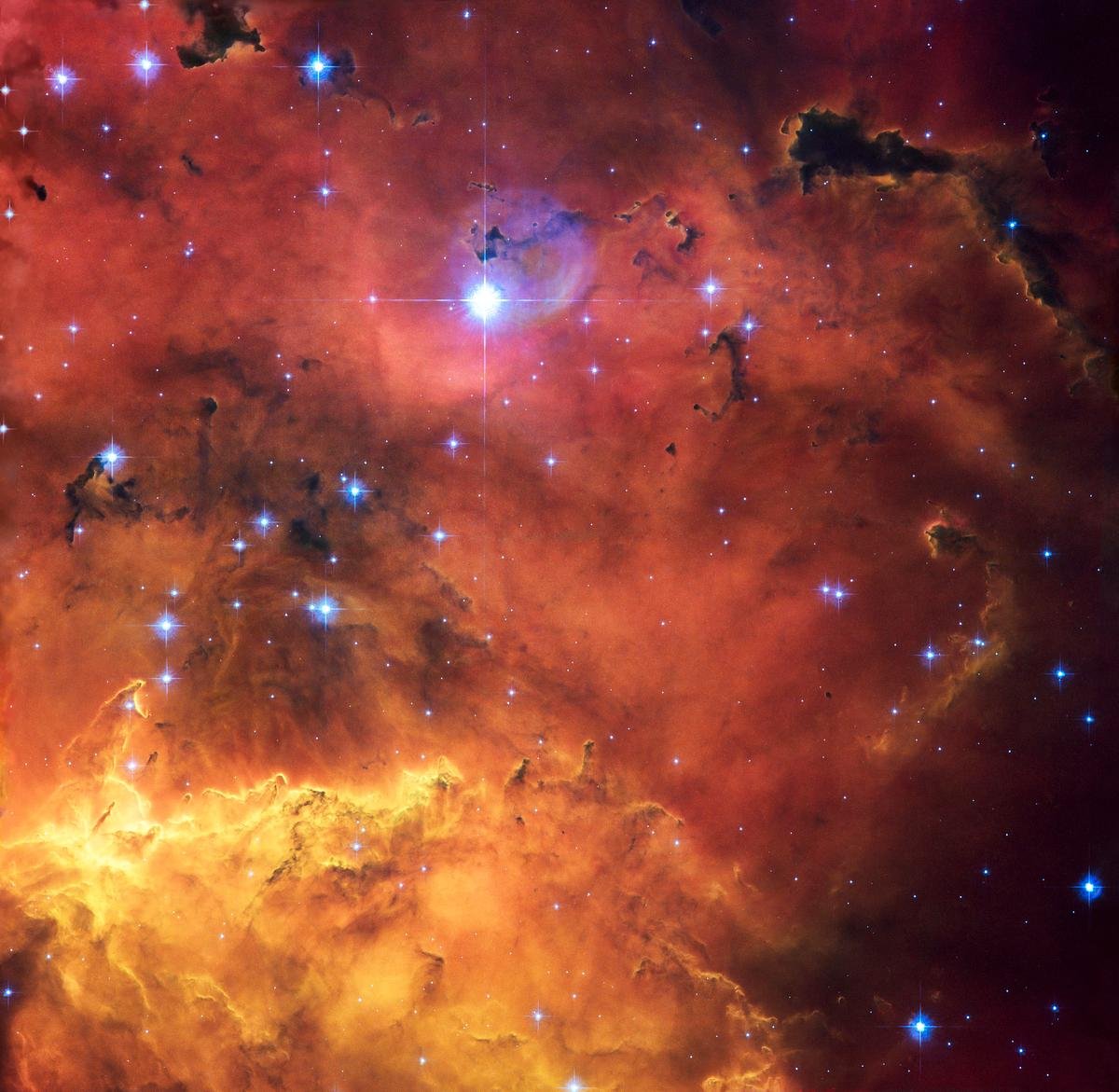
Earth still sifts cosmic dust from the sky every day, most of it as micrometeorites that drift down like invisible pollen. Over time, that gentle rain adds up to tens of thousands of tons, sprinkling rooftops, Antarctic snow, and deep-sea mud with glassy spherules and carbon-rich specks.
Meteorites bring coarser pieces, sometimes carrying organics and hydrated minerals that tell of ancient chemical reactions on their parent asteroids. The same chemistry that once shaped rocks now shapes us; water-bearing clays and simple organics reveal pathways that could have stocked the young Earth with the raw goods for life. It’s humbling to realize your morning coffee mug probably contains atoms delivered by this slow, steady drizzle.
Your body’s main elements – oxygen, carbon, hydrogen, and nitrogen – trace back to different stellar ancestors before arriving here through that cycle. Most of the elements that make you you came via past stars (excluding hydrogen, which formed during the Big Bang) and their explosive finales, filtered by the solar system’s construction site. That’s not myth; it’s geochemistry with a long memory.
Why It Matters
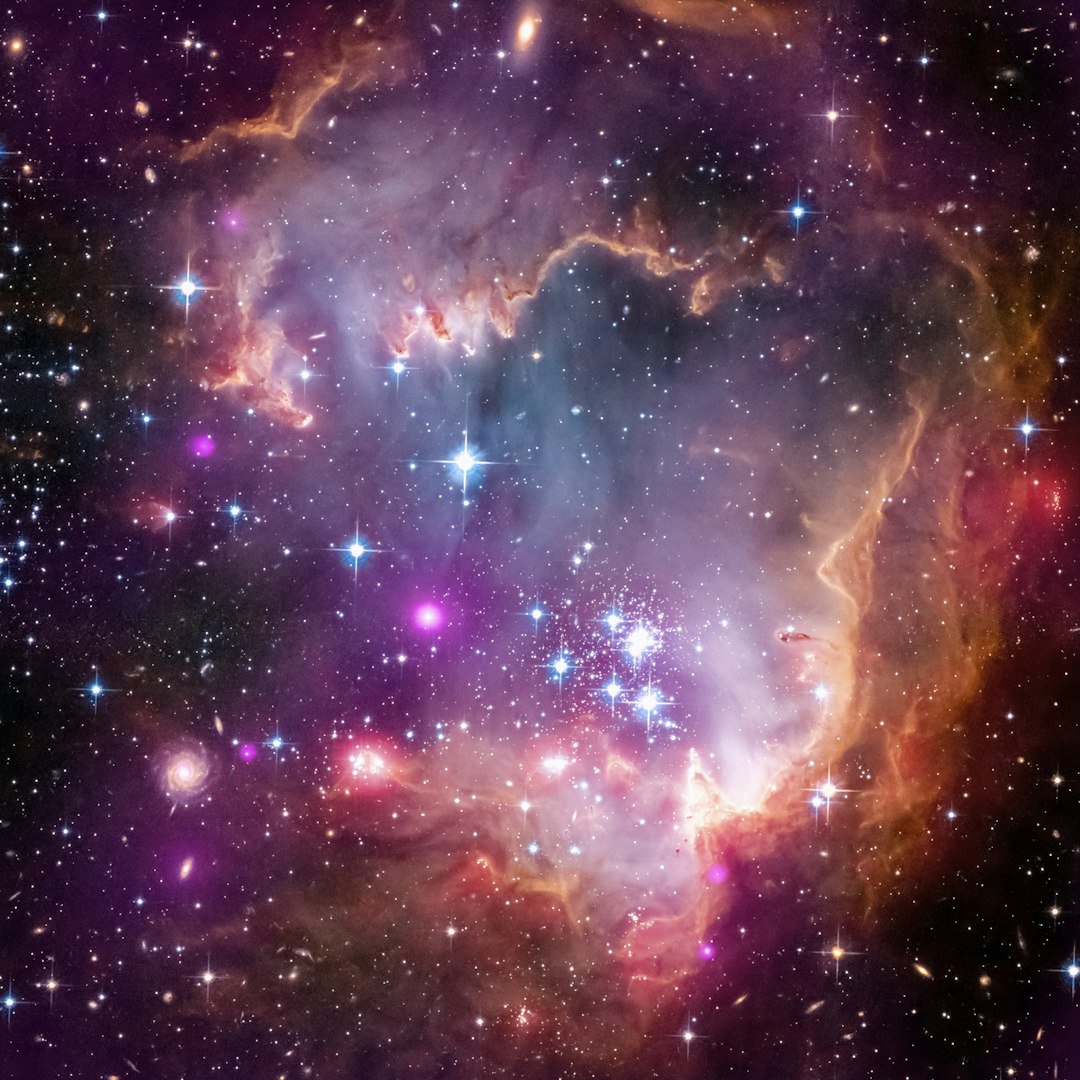
Understanding stardust is not just astrophysics trivia; it changes how we frame life’s origin and rarity. Traditional models could explain broad patterns of element creation, but they struggled to tie specific grains to specific stellar events and to quantify survival through planet formation.
Now, isotopic forensics lets scientists compare competing origin stories and test them against real samples, sharpening estimates of where elements like phosphorus and iron actually came from. That clarity ripples outward into climate models, planetary evolution studies, and even the search for biosignatures on exoplanets. If you want to know where life can take root, you first need to know how star-made ingredients move, mix, and endure.
The Future Landscape
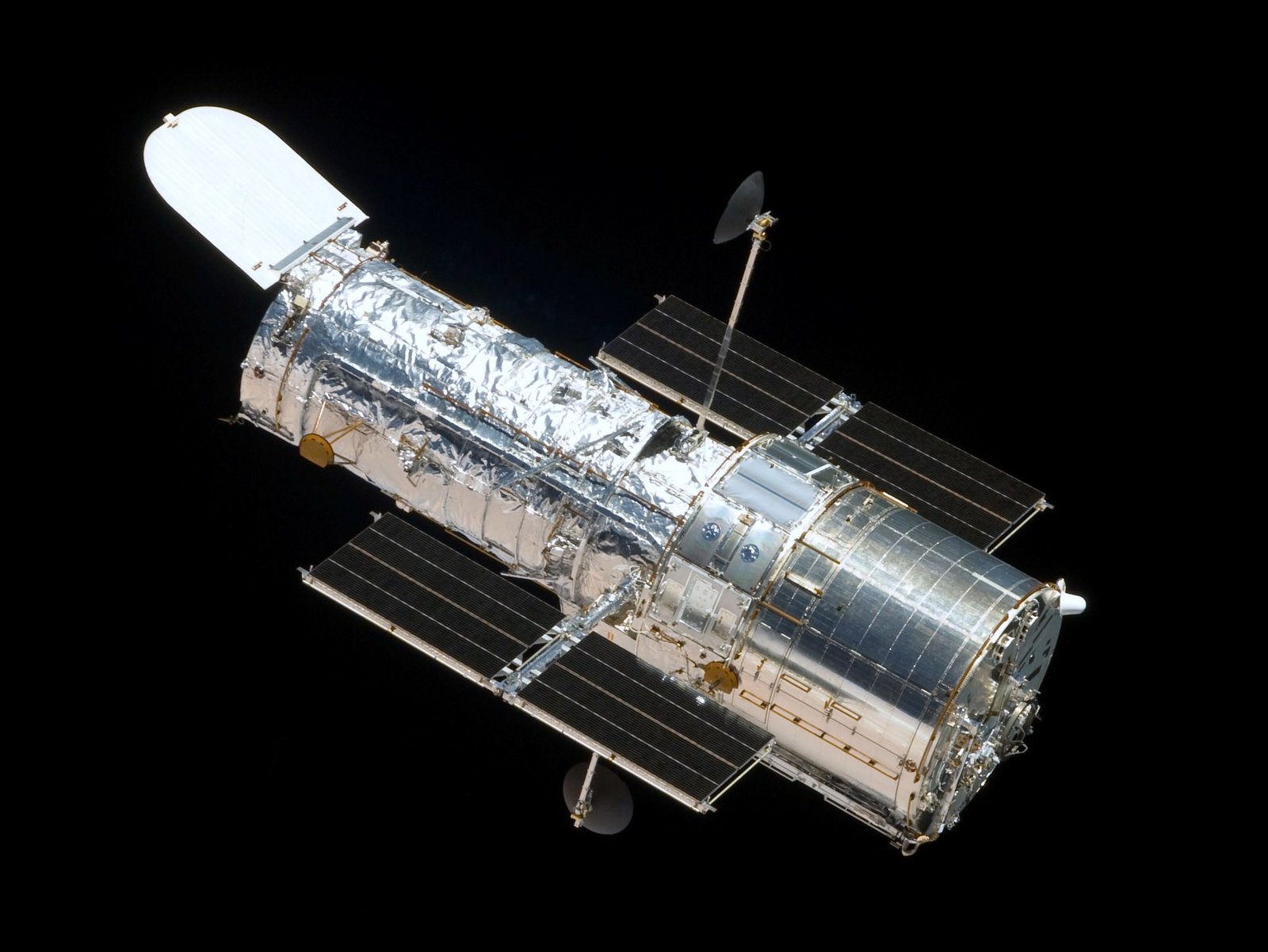
New telescopes and lab tools are about to turbocharge this field. Space observatories can map dust formation in distant stellar outflows, while ground-based giants will dissect starlight to track element production in real time.
Back on Earth, next-generation atom probes and synchrotron X-ray techniques will read smaller grains and fainter signals, turning flecks into full histories. Machine learning already helps classify grain types and spot subtle isotopic patterns that a weary human might miss at midnight.
The challenges are real: contamination risks, tiny samples, and the need to link lab-scale fragments to galaxy-scale processes. More sample-return missions and smarter curation will help, as will open databases that let teams on different continents analyze the same grain’s story. The payoff could be global – better models of planetary origins, wiser targets for life-hunting missions, and a clearer map of how the universe builds the stuff we’re made of.
What You Can Do Now
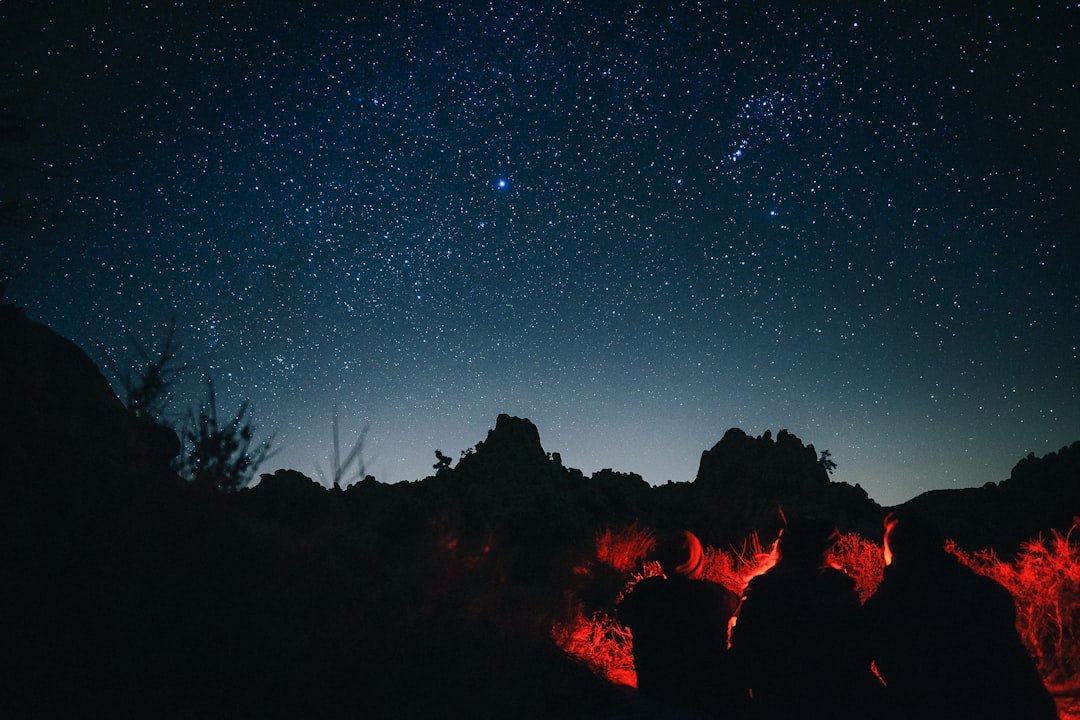
Stay curious, and support the science that keeps this story honest. If there’s a planetarium, natural history museum, or university public night near you, go and bring a friend who thinks stars are just pretty lights.
Join local meteor-watching networks or report fireballs when you see them; those sightings help recover fresh falls before weather erases clues. Advocate for dark-sky initiatives, because less light pollution means more data for both amateurs and pros. And when a new sample-return mission needs public backing, add your voice – these grains won’t study themselves.
Suhail Ahmed is a passionate digital professional and nature enthusiast with over 8 years of experience in content strategy, SEO, web development, and digital operations. Alongside his freelance journey, Suhail actively contributes to nature and wildlife platforms like Discover Wildlife, where he channels his curiosity for the planet into engaging, educational storytelling.
With a strong background in managing digital ecosystems — from ecommerce stores and WordPress websites to social media and automation — Suhail merges technical precision with creative insight. His content reflects a rare balance: SEO-friendly yet deeply human, data-informed yet emotionally resonant.
Driven by a love for discovery and storytelling, Suhail believes in using digital platforms to amplify causes that matter — especially those protecting Earth’s biodiversity and inspiring sustainable living. Whether he’s managing online projects or crafting wildlife content, his goal remains the same: to inform, inspire, and leave a positive digital footprint.