
If you were dropped into the middle of the ocean at night, with no GPS, no compass light, and clouds covering the stars, what would you trust? Ancient mariners often trusted something modern sailors barely think about: the itself. To them, the ocean was not silent; it was a living map that spoke in splashes, roars, groans, and echoes.
Long before charts and satellites, seafarers listened as much as they watched. Waves hitting hidden reefs, the distant crash of surf on land, the rumble of underwater sandbars, even the calls of birds and marine animals all carried clues. To survive, they had to turn those clues into a mental navigation system, one that lived in their ears and memories rather than on paper.
The Ocean Was Their Instrument Panel

Imagine sailing with no metal compass and no electronic beeps, just the creak of wood and the hiss of waves against the hull. For many ancient sailors, sound was like a natural instrument panel giving constant feedback about where they were. When visibility dropped, the sea did not become less informative, it simply shifted its language from sight to sound.
Mariners learned to tell apart the sharp smack of short, choppy wind waves from the long, rolling boom of ocean swells meeting a coastline. A constant low roar might signal a distant surf line, while irregular crashes could hint at surf breaking over rocks or coral. By building experience on the same routes over and over, they formed an audio memory of their seaways much like someone today remembers the sounds of their own neighborhood.
Listening For Land: The Sound Of Surf And Shoals
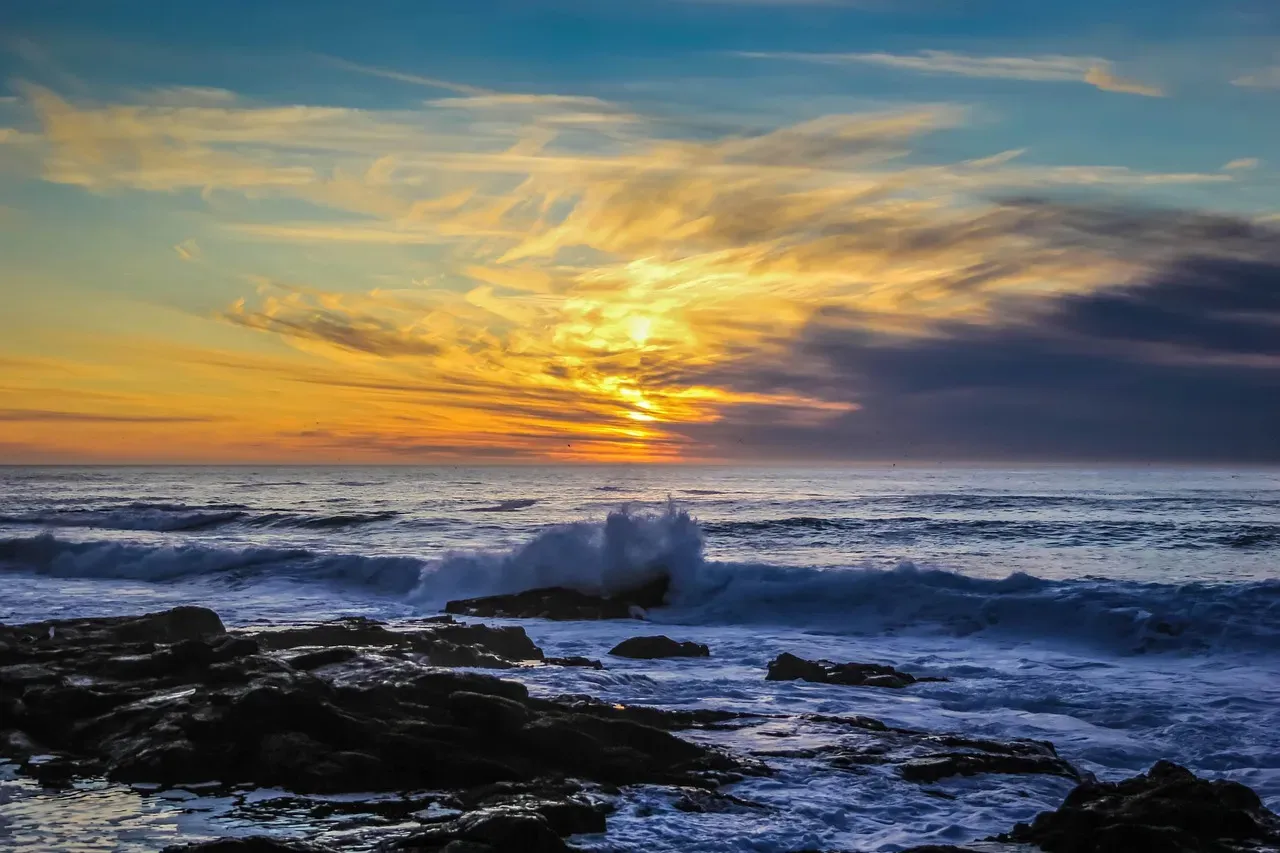
One of the most important clues was the noise of waves breaking on land or shallow ground. Even on a moonless night, surf can be heard long before any coastline is visible, especially in quiet conditions. Ancient mariners used that rising roar almost like a long-range warning bell, telling them that land or a reef was somewhere ahead, even if they couldn’t see the outline yet.
Not all surf sounds the same, and experienced sailors noticed that. The muffled thunder of waves hitting a sandy beach feels different in the ears from the sharp clatter of water smashing into rocks. The hiss following a wave’s crash can be longer and softer over sand, and more abrupt over steep stone. By comparing what they heard with what they had heard on previous voyages, some sailors could guess not just that land was near, but what kind of shore they were approaching.
Echoes Off Cliffs, Caves, And Hidden Coasts
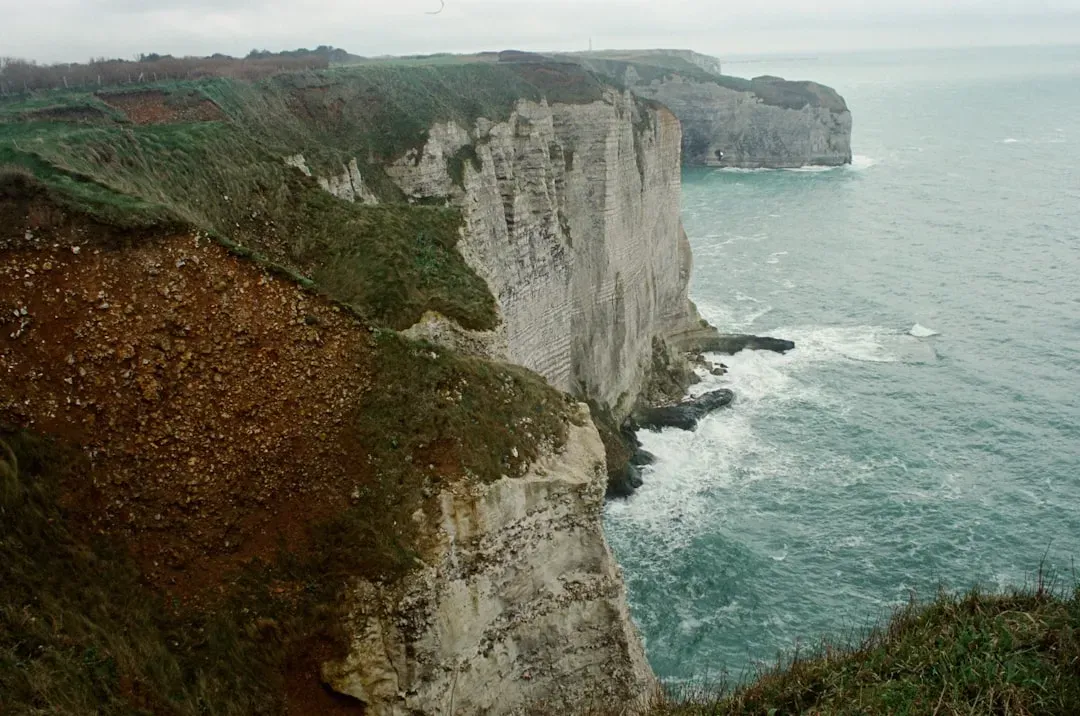
Another subtle trick was listening for echoes and changes in how sound bounced back from the sea’s surface and nearby landforms. When a ship moved close to tall cliffs or the walls of a narrow bay, sounds from the vessel itself often came back slightly delayed or distorted. The creak of rigging, the shout of a sailor, or even the slap of a wave against the hull could suddenly feel louder, sharper, or oddly doubled.
These small differences could hint at the shape of the nearby coast, even in darkness or fog. A steep rock face tended to send back a stronger, clearer echo, while low or sloping shores might muffle sound more. In a narrow inlet or fjord, mariners might notice a kind of focused resonance, where sounds seemed to ring or hang in the air. Over time, these impressions helped them sense when they were entering a bay, hugging a cliff, or passing an open, low-lying coast.
Reefs, Sandbars, And The Strange Voice Of Shallow Water
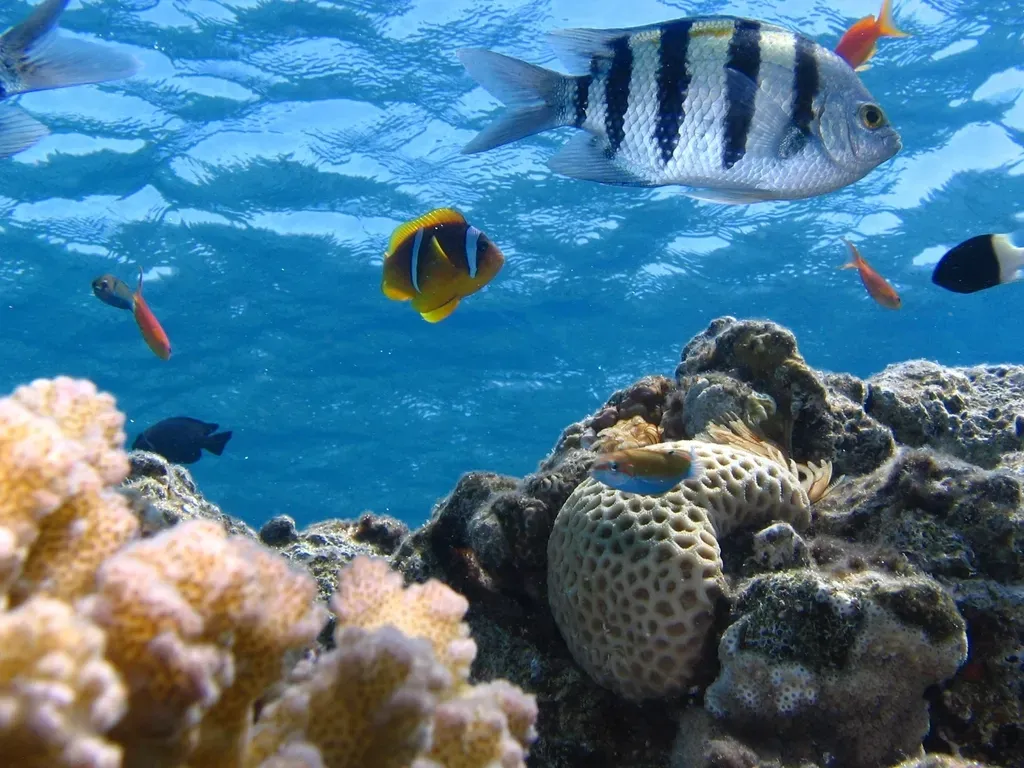
Shallow water has its own signature sound, and ancient sailors paid attention to it because it could literally save their lives. When waves move from deep water into shallow areas like sandbars or reefs, their shape and speed change, and that change affects the sound they make. The smooth, thudding roll of deep waves can shift into sharper, more chaotic crashes as they trip over the bottom and start to break.
In very shallow or rough zones, you sometimes hear a continuous churning noise, like a giant washing machine under the surface. That restless growl signaled danger: hidden rocks, reefs, or shoals that could tear open a wooden hull. For traders, fishermen, and explorers in places like the Mediterranean, Indian Ocean, or Pacific islands, recognizing that noisy warning could mean the difference between a successful voyage and a slow, terrifying shipwreck.
Birds, Animals, And Human Soundscapes At Sea
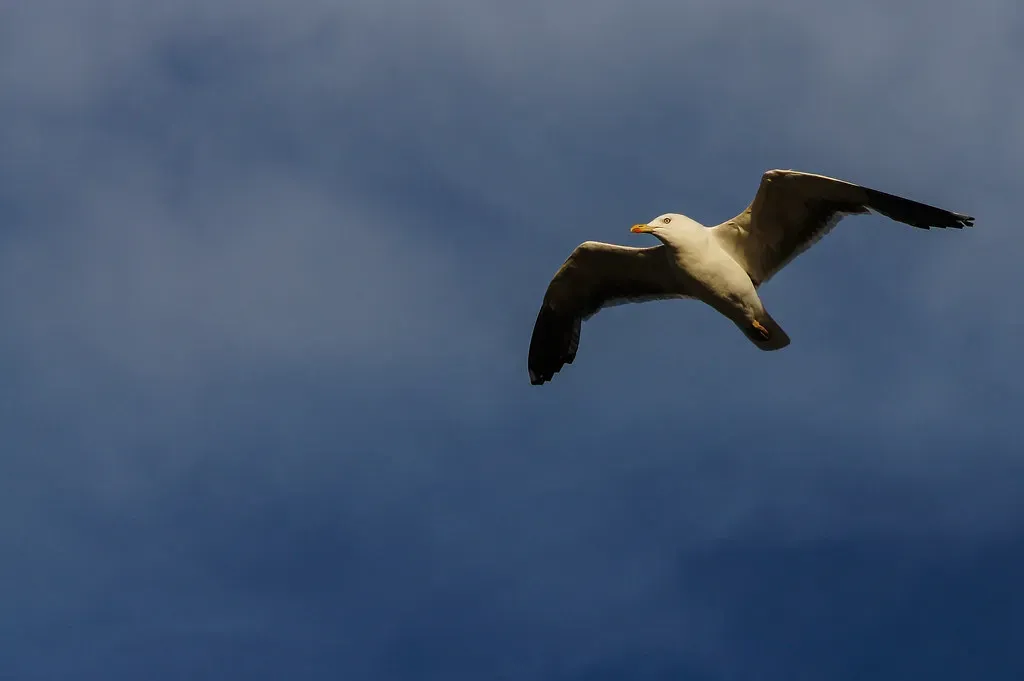
The sea’s soundscape wasn’t just water and rock; animals and people also added important clues. Many coastal birds call more frequently when they are near nesting cliffs or feeding areas, and some species rarely venture far offshore. If a crew suddenly heard certain bird calls after days of silence, they might suspect that land or shoals were nearby, even if clouds covered the horizon.
In regions like the Pacific or Indian Ocean, mariners also listened for human-made sounds drifting over the water: drums from a village, voices carrying over calm seas, or the rhythmic clack of oars from other ships. Sound travels surprisingly well across flat water, especially in still air. Hearing faint singing, hammering, or even livestock noises could hint at a harbor or settlement ahead. This was navigation at its most human: not just reading nature, but tuning into other lives along the sea’s edge.
Night, Fog, And The Art Of Pure Listening
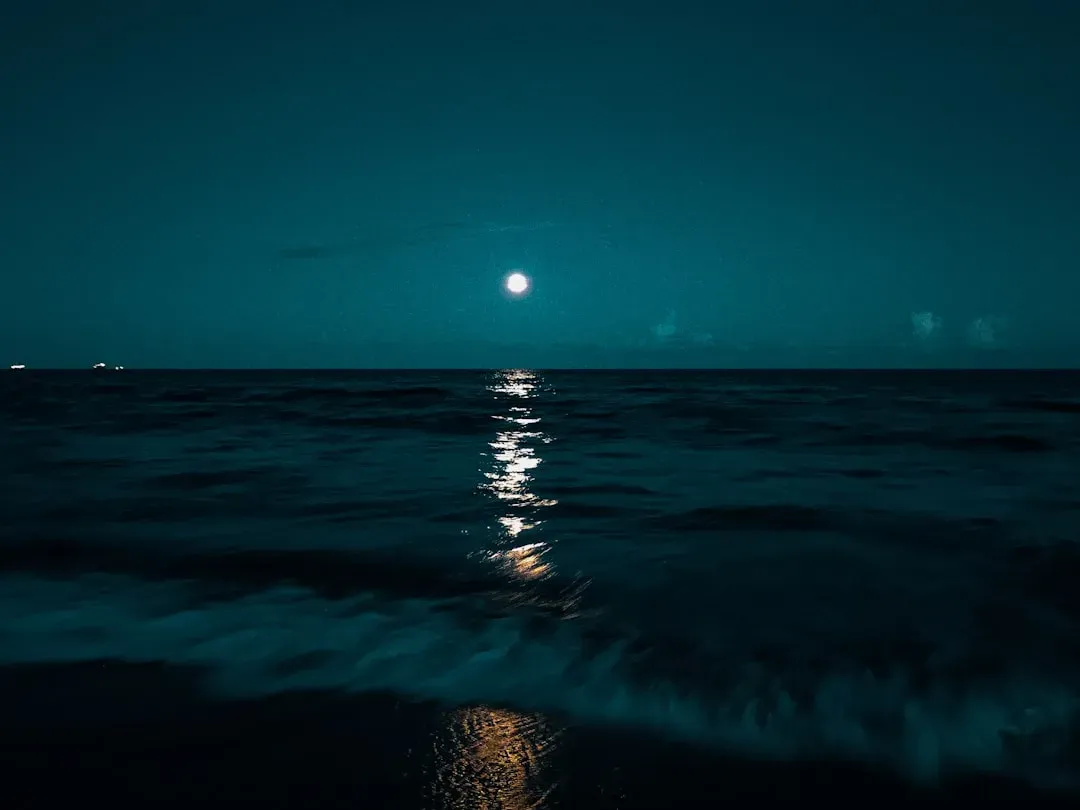
The moments when sound mattered most were the moments when sight failed: thick fog, heavy rain, or moonless nights far from known landmarks. In those conditions, ancient mariners sometimes slowed their speed, reduced shouting, and simply listened. The quieter the ship, the more clearly they could pick up faint surf, distant thunder, or the change in wave rhythm that signaled a shift in depth or coastline shape.
There’s something almost eerie about imagining a crew standing in darkness, saying little, letting their ears do the steering. Navigators trained themselves to hear patterns others might ignore, like the way the hull’s movement noises changed as currents shifted, or how the wind sounded when funneled by nearby land. In a sense, they built mental maps not just from what they saw on good days, but from what they heard on the worst ones, when careful listening was all that kept them from disaster.
Memory, Tradition, And The Lost Skill Of Sea Listening
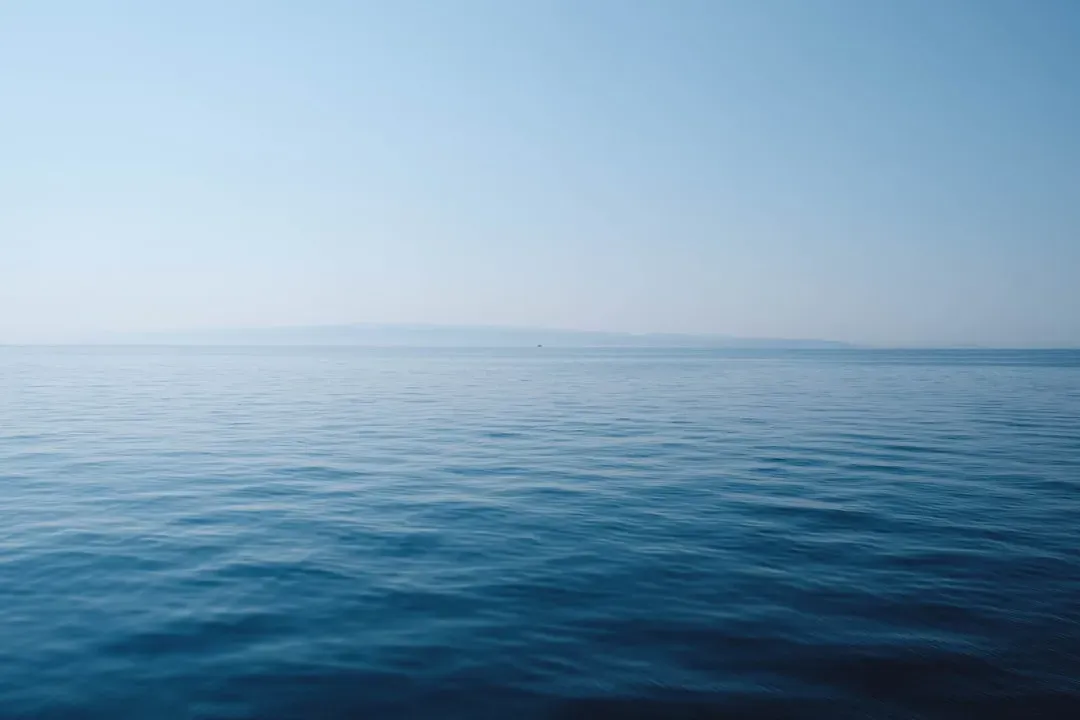
This kind of navigation relied heavily on memory and oral teaching passed down from one generation to the next. Elders told younger sailors stories that were less like myths and more like acoustic manuals: where the sea always seemed to grow louder, where waves made a strange humming, where birds called at dawn but not at dusk. Many of those details never made it into written form, living instead in the minds and habits of seafaring communities.
Today, with electronic navigation and sonar, most crews do not need to rely on the ocean’s voice in the same way, and much of that fine-tuned listening skill has faded. Still, some traditional navigators, especially in island cultures, have kept aspects of it alive, blending sound, wave patterns, stars, and currents into a single art. It’s a reminder that the sea has always been talking, and that navigation once meant having the patience and humility to listen. How different would our relationship with the ocean feel if we learned to hear it that way again?