Imagine a world where the brains of long-extinct creatures—tiny insects, ancient fish, even the first animals to crawl onto land—hold the secret blueprints to tomorrow’s most advanced artificial intelligence. It sounds like a wild sci-fi plot twist, but it’s happening right now. As scientists race to build smarter machines, they’re looking backward, not just forward, studying the marvels of evolution that shaped the animal mind over hundreds of millions of years. From the humble fruit fly to the mighty octopus, ancient animal brains are full of surprises, and their secrets are starting to change the way we think about AI. This isn’t just about copying nature—it’s about being inspired by it, learning from its quirks and genius, and imagining a future where technology is as creative, adaptable, and surprising as the creatures that inspired it.
The Dawn of Brains: Early Animal Nervous Systems
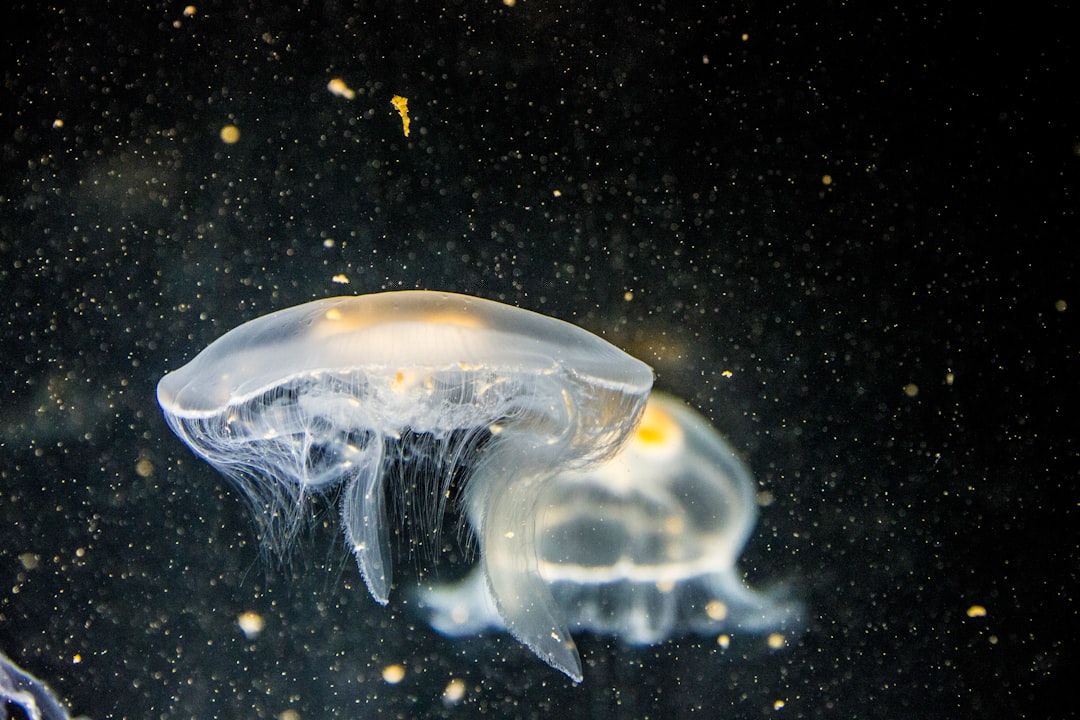
Long before mammals and humans entered the scene, some of the earliest animals were already developing simple nervous systems. Picture the jellyfish, a creature that’s survived for over 500 million years. With just a nerve net instead of a true brain, jellyfish sense their environment and coordinate movement. These primitive systems may seem basic, but they’re stunningly effective, and they reveal how information can be processed without complex architecture. Scientists studying these ancient systems have realized that simplicity sometimes outperforms complexity. This realization is inspiring AI researchers to rethink how neural networks are designed, sometimes opting for streamlined, efficient architectures over bulky, energy-consuming ones. The dawn of brains teaches us that sometimes, less truly is more.
From Worms to Wonders: The Elegance of the C. elegans Nervous System
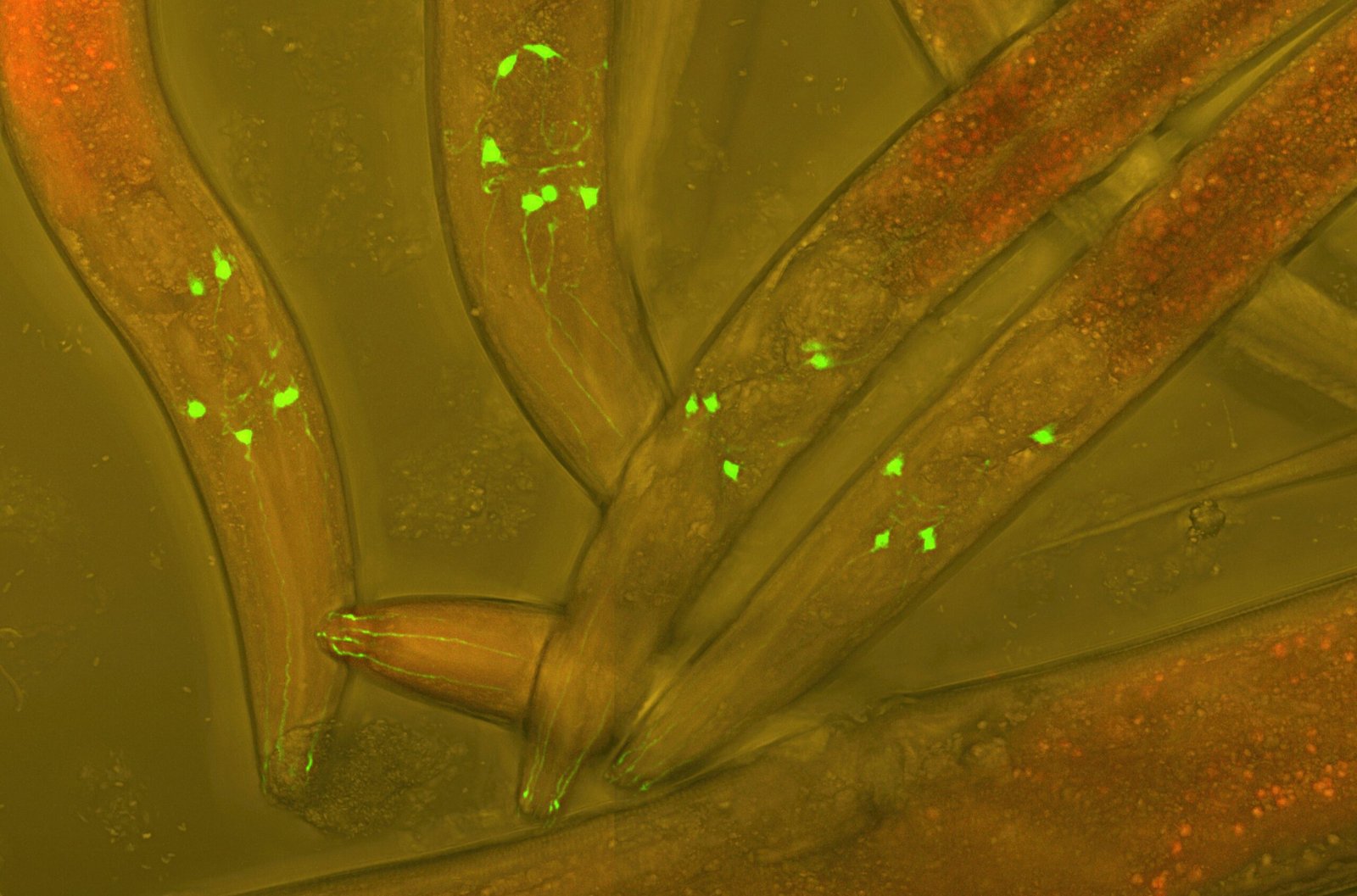
If you want to see how nature does more with less, look no further than the nematode worm, C. elegans. With just 302 neurons, it can find food, avoid danger, and even learn simple tasks. Scientists have mapped every connection in this tiny worm’s nervous system—a feat that’s inspired the creation of compact, powerful AI models. By studying how C. elegans manages complex behavior with minimal resources, researchers have developed algorithms that use fewer nodes but still solve tough problems. This worm-sized wisdom is helping AI become more efficient, adaptable, and environmentally friendly. Isn’t it remarkable what a worm can teach us about intelligence?
Insect Brains: Masters of Miniaturized Intelligence
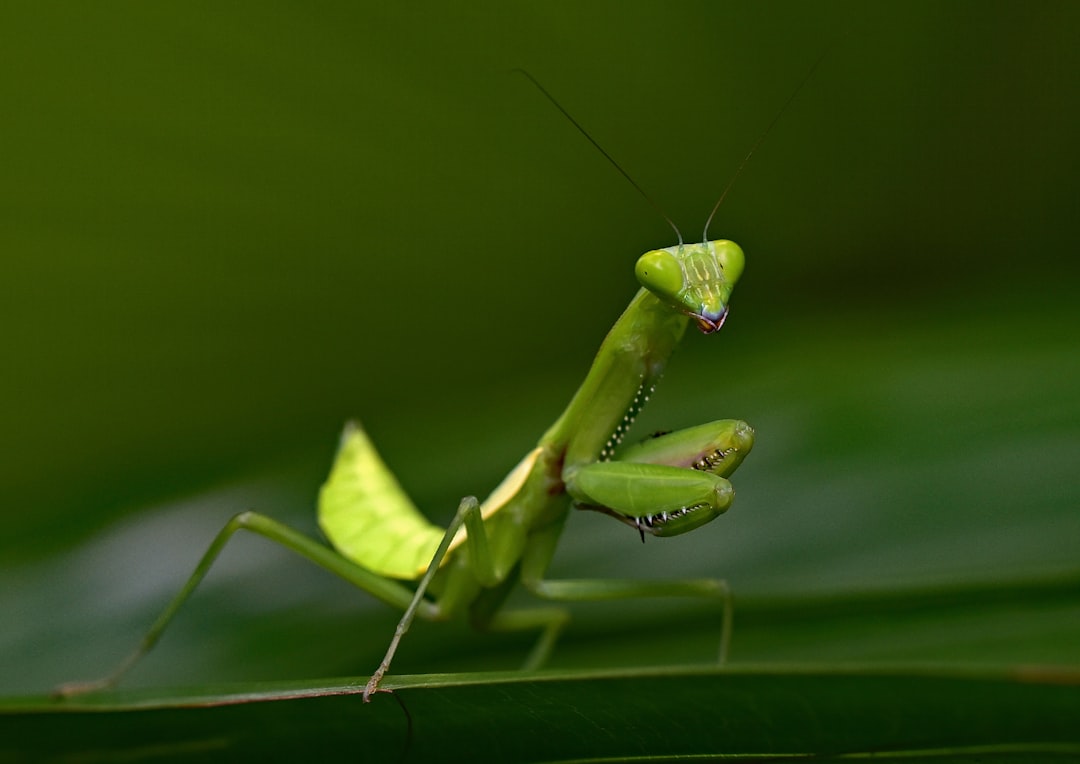
The brain of a honeybee is about the size of a sesame seed, yet it can navigate for miles, communicate through dance, and even recognize human faces. Insects like bees, ants, and flies have evolved highly specialized neural circuits that handle complex tasks with minimal resources. Their brains are masters of efficiency, inspiring AI developers to design networks that require less data and energy. For example, swarm robotics borrows from the way ants share information and make group decisions. The study of insect brains is pushing AI toward smarter, smaller, and more sustainable designs that can thrive even in resource-limited settings.
Fish Brains and Rapid Learning
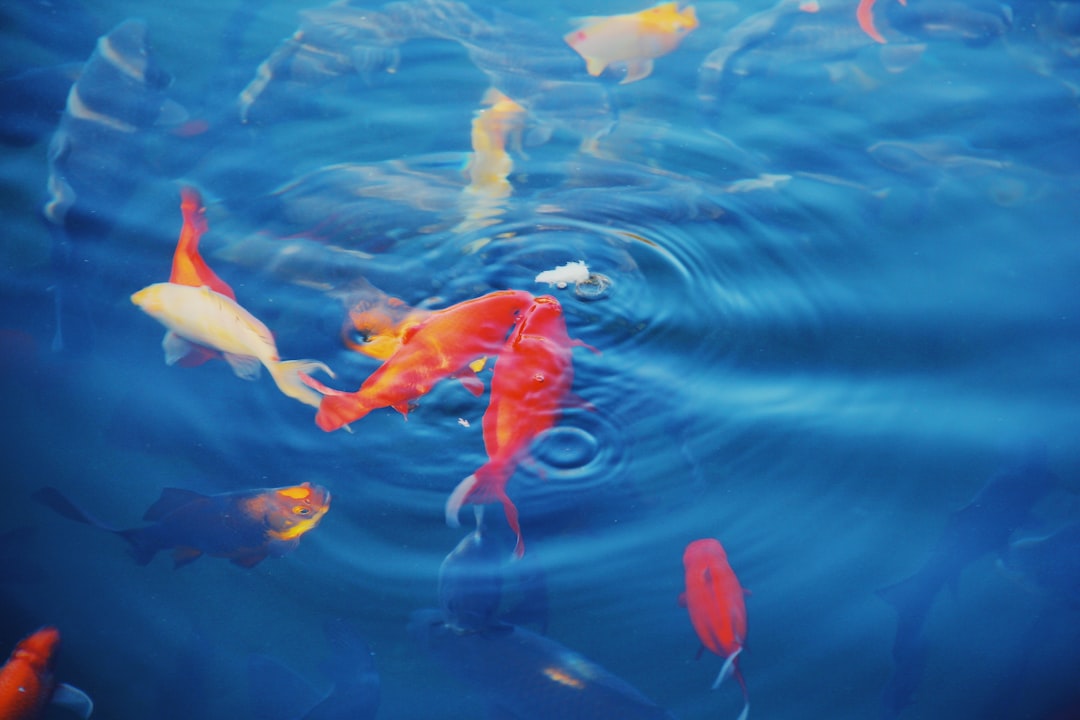
Fish may not seem like the poster children for intelligence, but their brains are packed with surprises. Take the humble goldfish, which can learn mazes and remember them for weeks. Fish brains are wired for rapid learning and adaptation, especially in changing environments. Researchers are fascinated by the way fish process sensory input and update their behavior in real time. This has led to the development of AI systems that can learn on the fly, adapting to new data without needing to be retrained from scratch. Fish-inspired learning paves the way for AI that’s not just smart, but also flexible and quick-thinking.
Bird Brains: Nature’s Problem Solvers

When you see a crow using a stick to dig out insects or a parrot solving a puzzle, you’re witnessing the brainpower of birds in action. Despite having brains much smaller than mammals, many birds outperform primates in memory, planning, and problem-solving. The secret lies in their densely packed neurons and unique brain organization. AI researchers are borrowing these tricks to build more compact and efficient neural networks. Techniques like parallel processing and hierarchical organization—common in bird brains—are now being used to boost the performance of AI in tasks that require creativity and planning. Birds prove that brainpower isn’t just about size—it’s about smart wiring.
The Octopus: Alien Intelligence on Earth
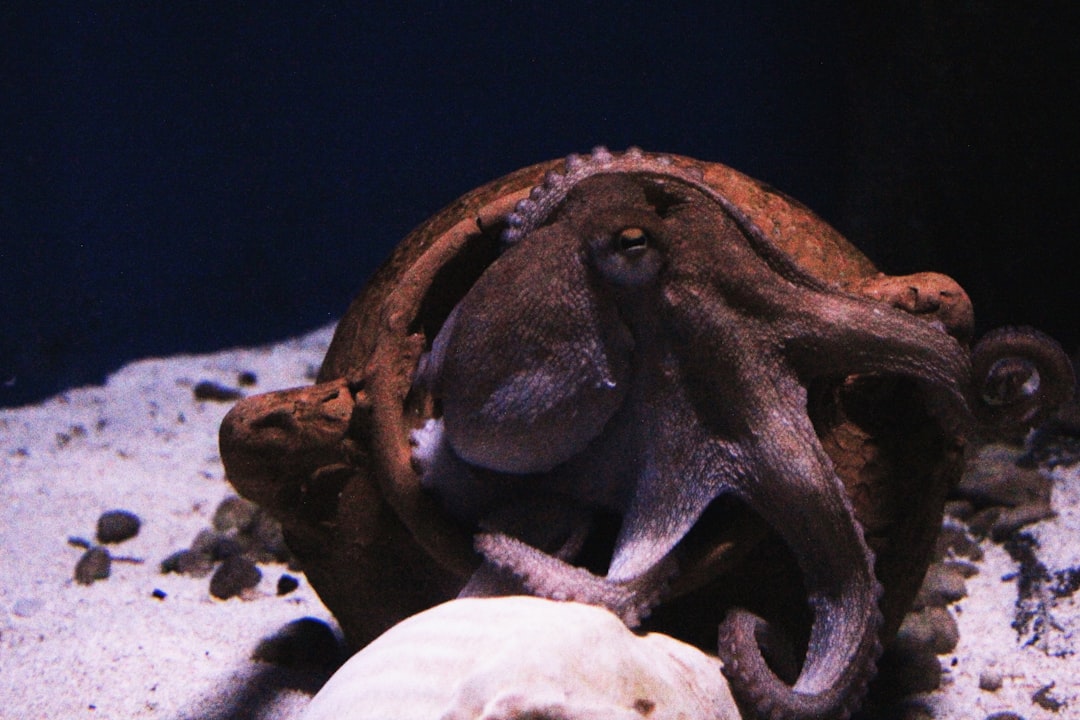
The octopus is often called “the closest thing to an alien on our planet,” and for good reason. With a nervous system that’s distributed throughout its arms, the octopus thinks and acts in ways that defy our usual ideas of intelligence. Each arm can make decisions independently, yet the whole animal acts as one. This decentralized intelligence is inspiring new generations of AI, especially in robotics, where machines need to make decisions without constant central control. The octopus teaches us that intelligence can be flexible, adaptable, and distributed—a lesson that’s changing the way we build neural networks and intelligent machines.
Reptilian Brains: Pattern Recognition Pioneers
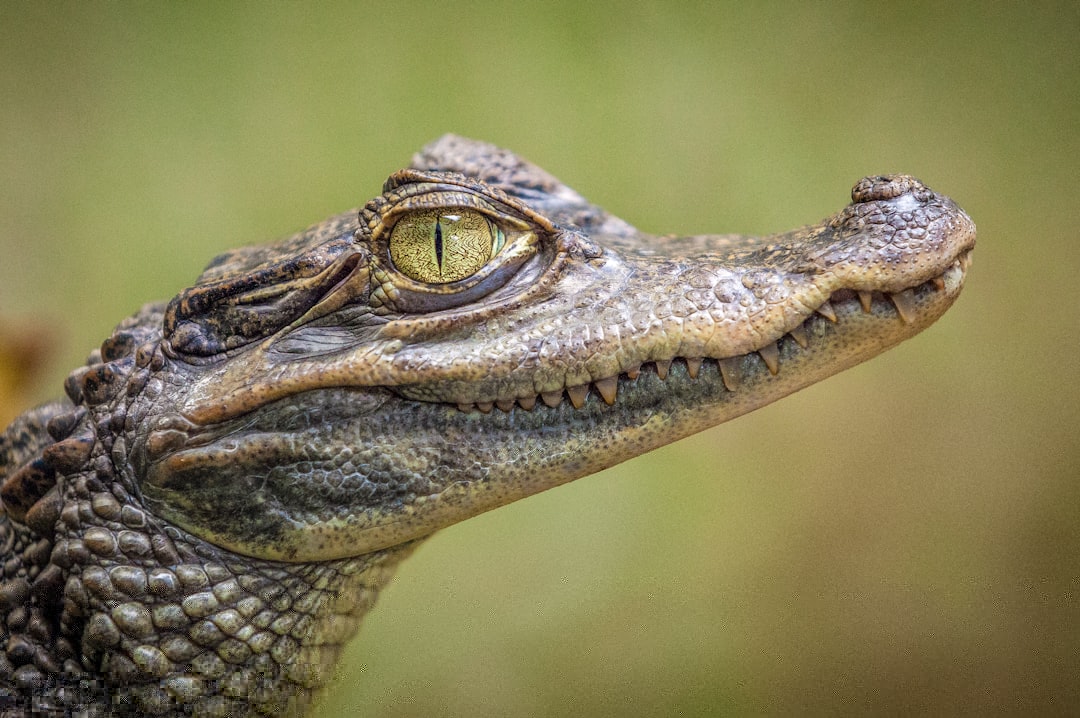
Reptiles may seem slow and simple, but their brains are brilliant at spotting patterns and reacting quickly to threats. Crocodiles, for instance, can lie motionless for hours, yet strike with lightning speed when prey appears. Their brains are wired for rapid pattern recognition and efficient decision-making. AI developers are learning from this by building neural networks that excel at spotting anomalies and making split-second choices. Security systems, financial fraud detectors, and self-driving cars all benefit from reptilian-inspired pattern recognition, showing that sometimes, ancient brains have the sharpest instincts.
Mammalian Brain Evolution: The Power of Layers
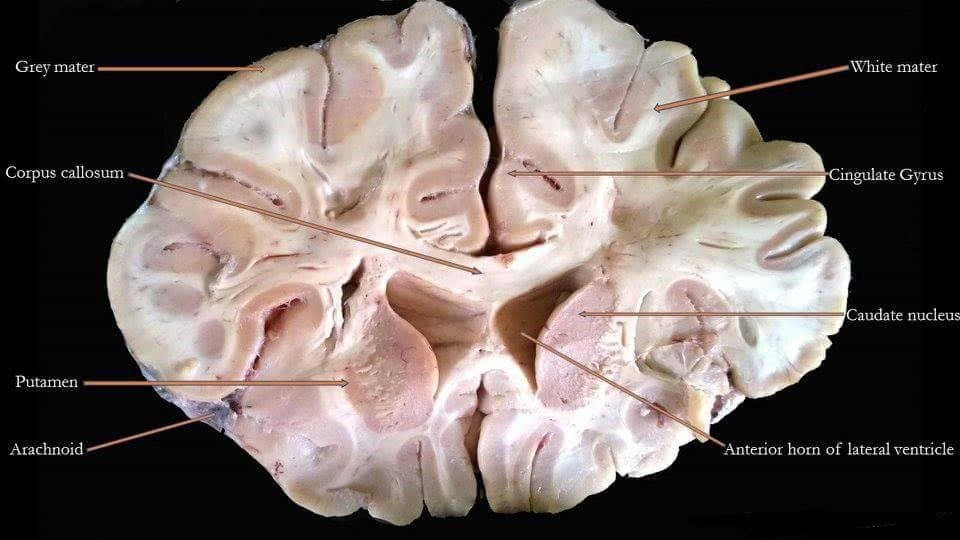
Mammals introduced a new level of complexity to the animal kingdom, especially with the development of the neocortex—a layered structure that enables advanced perception and reasoning. These layers allow mammals to process sensory input, predict outcomes, and plan for the future. AI researchers have mimicked this idea with deep learning, building neural networks with many layers that learn increasingly complex features from data. The success of deep learning models in fields like image recognition and language translation owes much to the mammalian brain’s signature architecture. It’s a powerful example of how nature’s evolutionary experiments can fuel technological revolutions.
The Role of Synapses: Learning from Connections
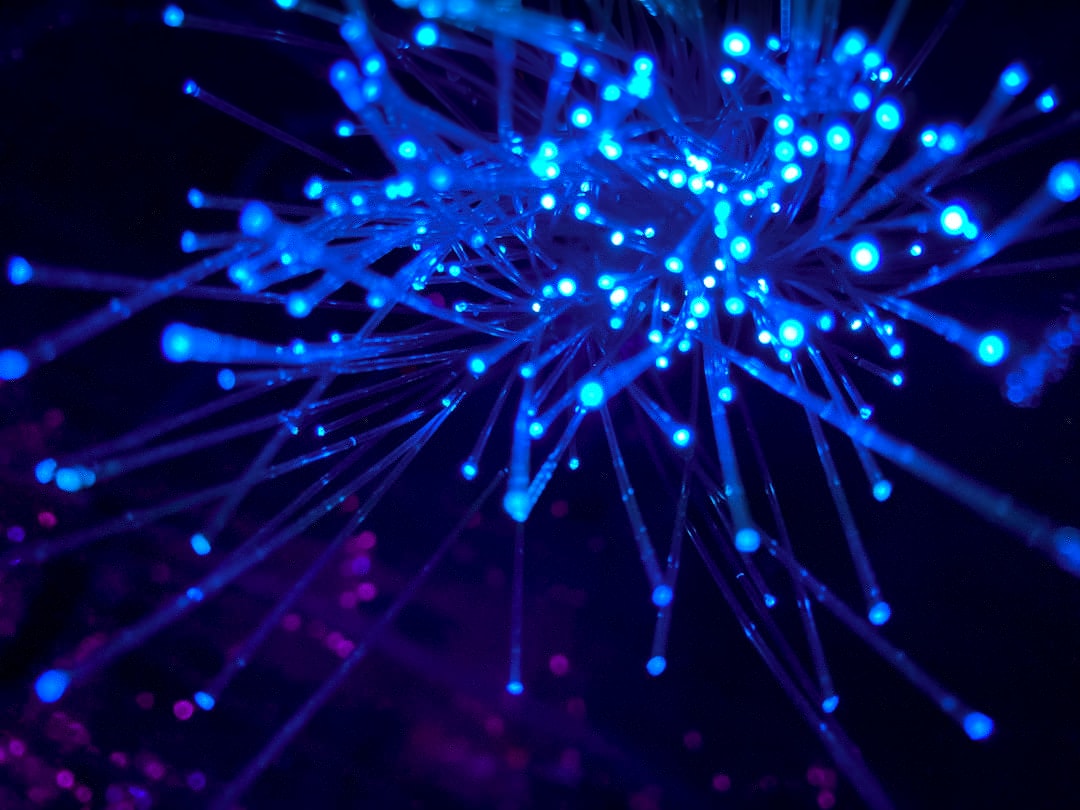
At the heart of every brain, ancient or modern, are synapses—the tiny gaps where neurons talk to each other. The way these connections strengthen or weaken over time forms the basis of learning and memory. Scientists studying ancient animal brains have uncovered fascinating details about how synapses evolve and adapt. By translating these findings into algorithms, AI systems can “learn” from experience, adjusting their internal connections to improve performance. This process, known as synaptic plasticity, is a cornerstone of modern AI, proving that the secrets of ancient brains are still relevant today.
Neural Oscillations: Nature’s Rhythms in AI
Brains don’t just send signals—they pulse with rhythmic electrical activity called neural oscillations. These brainwaves help synchronize different regions, allowing animals to coordinate movement, attention, and memory. In ancient animals, oscillations played a key role in everything from escaping predators to finding food. AI researchers are now using oscillatory patterns to synchronize artificial neural networks, improving communication and efficiency. By embracing nature’s rhythms, AI systems can process information more smoothly and solve problems that stump traditional models.
Resilience and Redundancy: Surviving in a Chaotic World
One of the most astonishing things about animal brains is their resilience. Even when injured, many animals can recover lost functions or reroute information through new pathways. This redundancy—having multiple ways to solve the same problem—makes brains tough and adaptable. AI designers are incorporating similar ideas, building networks that can “heal” themselves when parts fail or adapt to unexpected challenges. This resilience is crucial for real-world AI applications, from space exploration to disaster response, where machines must keep working no matter what.
Energy Efficiency: Learning from Nature’s Minimalists
Brains are energy hogs, but evolution has forced animals to do more with less. The brain of a hummingbird, for example, runs on just a few calories a day, yet powers dazzling aerial acrobatics. Ancient animal brains optimized every bit of energy, making trade-offs between speed, accuracy, and endurance. AI researchers, inspired by these natural minimalists, are building networks that use less power without sacrificing performance. This is vital as AI spreads into smartphones, wearable tech, and remote sensors, where battery life is everything. Nature’s lessons in energy efficiency are shaping a greener, smarter technological future.
Sensory Integration: How Animals Combine Signals

Animals are bombarded with sensory information, yet their brains seamlessly weave it all together. A frog, for example, integrates sight, sound, and touch to catch a fly with perfect timing. This ability, called sensory integration, is now a hot topic in AI. By modeling networks that can blend data from cameras, microphones, and sensors, machines can understand the world more like animals do. Self-driving cars, for instance, use sensory integration to navigate safely through busy streets. The study of how ancient animals combined signals is helping AI move from isolated tasks to holistic, real-world understanding.
Navigation and Memory: Lessons from Migratory Species
Every year, birds migrate thousands of miles, sea turtles find their way back to the same beach, and salmon swim upstream to spawn. These feats rely on extraordinary navigation and memory skills, honed by evolution over millions of years. Scientists are unraveling the neural circuits behind these abilities, inspiring new algorithms for mapping, localization, and memory in AI. Robots that explore disaster zones or Mars rovers that chart unknown worlds now use techniques borrowed from migratory species. The secrets of animal navigation are opening doors for AI to explore far beyond the limits of human reach.
Emotion and Decision-Making: The Ancient Roots of Choice

It’s easy to think of emotion as a human trait, but even ancient animal brains had primitive forms of pleasure, fear, and motivation. These emotional systems help animals make quick, life-or-death decisions. By studying how emotion shapes animal behavior, AI researchers are building systems that can weigh risks, rewards, and uncertainties—crucial for tasks like medical diagnosis or financial trading. Incorporating “emotional intelligence” into AI makes machines more relatable and trustworthy, echoing the wisdom of ancient brains that balanced logic with feeling.
Cooperation and Communication: Group Intelligence in Nature

From ant colonies to dolphin pods, ancient animals have thrived by working together. Their brains are wired for cooperation, sharing information, and making collective decisions. AI is rapidly adopting these lessons, especially in the field of swarm intelligence. Networks of simple agents—like drones or robots—can now coordinate, share tasks, and solve problems that would stump a solo machine. The study of group intelligence in animals is transforming everything from logistics to disaster response, proving that sometimes the smartest solutions come from working as a team.
In the end, the brains of ancient animals—strange, small, and sometimes almost alien—are quietly shaping the future of artificial intelligence. As we look back into the deep history of life, we’re finding unexpected guides and ingenious teachers. Who would have thought that the secret to tomorrow’s smartest machines might be hiding in the neural whispers of yesterday’s creatures?