Imagine holding in your hands the tiniest shard of bone, a silent witness to a world long vanished. Now, picture a computer, humming quietly in a modern lab, peering into that shard’s secrets with more precision than any human eye ever could. This is not the stuff of science fiction—it’s happening right now. Artificial intelligence is giving us a second chance to meet the creatures lost to time, using scraps of ancient DNA and weathered fossils as its guide. What if we could bring the stories of extinct species back to life, not with magic, but with math and code? The collision of AI and paleontology is turning dusty relics into vibrant tales, rewriting what we thought we knew about extinction and evolution. Let’s dive into this incredible frontier, where algorithms and ancient bones are teaming up to change the way we see our planet’s past.
The Marriage of Technology and Paleontology

Long gone are the days when paleontology was just about digging up bones and guessing their origins. Today, AI is revolutionizing how scientists approach fossils and ancient remains. Powerful algorithms now sift through mountains of data that would overwhelm even the most dedicated researchers. With these tools, scientists can find patterns and connections invisible to the naked eye, making sense of fragments that once seemed meaningless. This new era is all about speed, accuracy, and unlocking secrets hidden for millennia. AI doesn’t just help—it transforms the very questions we can ask about the past. By combining the creativity of human curiosity with the precision of machine learning, technology and paleontology have become inseparable partners in the hunt for lost species.
Cracking the Code in Ancient DNA

Ancient DNA is like a jigsaw puzzle with most pieces missing. Time ravages genetic material, leaving only broken strands behind in bones, teeth, or even soil. Decoding these fragments used to take years, and often led to dead ends. But AI has changed the game. Machine learning algorithms can predict missing parts of the genetic code and piece together entire genomes from the tiniest snippets. This means researchers can identify extinct species with far greater confidence, and sometimes even discover entirely new ones. The process is painstaking, but AI makes it possible to see the bigger picture, bringing lost creatures out of the darkness with stunning detail.
Unearthing Fossil Mysteries With Deep Learning

Deep learning, a type of AI modeled after the human brain, is making fossils talk in ways we never imagined. Traditionally, experts would spend months analyzing fossil shapes, sizes, and textures to determine what creature they belonged to. Now, AI can scan thousands of fossil images in a matter of hours, highlighting features that humans might miss. These systems can even suggest which species a fossil might belong to, narrowing down possibilities with impressive accuracy. In some cases, AI has reclassified fossils that were previously misidentified, setting the scientific record straight. It’s like having a super-sleuth on the case, tirelessly comparing clues and never forgetting a detail.
Piecing Together Lost Ecosystems
Extinct species didn’t exist in a vacuum—they were part of complex, bustling ecosystems. AI is helping scientists reconstruct these ancient worlds by analyzing data from fossils, DNA, and even pollen grains trapped in sediment. By connecting dots across huge datasets, AI paints a picture of what prehistoric environments looked like, from swamps teeming with giant amphibians to forests alive with strange birds and insects. This holistic view lets researchers understand how species interacted, competed, and sometimes vanished. It’s a bit like assembling a massive, three-dimensional puzzle, with AI providing the missing edge pieces.
Rediscovering the Woolly Mammoth and Beyond

Few extinct animals capture the imagination like the woolly mammoth. Thanks to AI, we’re closer than ever to understanding—and maybe even reviving—these Ice Age giants. By analyzing mammoth DNA extracted from frozen remains, AI helps scientists compare it with the genomes of modern elephants. This not only reveals what made mammoths unique, but also guides efforts to engineer living cells with mammoth-like traits. Although true resurrection is still a distant dream, AI’s insights are helping us imagine a world where extinct giants might once again roam the tundra. It’s not just about mammoths—similar techniques are being used on saber-toothed cats, giant ground sloths, and other vanished wonders.
Detecting Extinct Species From Environmental DNA

Sometimes, the only clue that a species once existed comes from tiny traces of DNA left behind in the environment—what scientists call “eDNA.” AI tools are now scanning soil, ice cores, and even cave sediments for these molecular fingerprints. A handful of ancient DNA molecules, sifted from a teaspoon of dirt, can reveal the presence of animals that disappeared thousands of years ago. AI sorts through this genetic noise, identifying extinct species that would otherwise remain unknown. This method is revolutionizing how we study past biodiversity, opening up a hidden archive of life that doesn’t rely on finding actual bones or teeth.
Rewriting the Family Tree of Life

Our understanding of how species are related—what scientists call phylogeny—has always been a work in progress. AI is turbocharging this process, analyzing genetic and fossil data to redraw the tree of life with unprecedented accuracy. Algorithms can compare thousands of DNA sequences at once, revealing surprising connections between extinct and living species. Sometimes, this means discovering that animals we thought were distant cousins are actually close relatives. Other times, it uncovers entire branches of life that had been overlooked. The result is a more vibrant, dynamic map of evolution, one that keeps changing as new data pours in.
Spotting Evolution’s Hidden Patterns

Evolution isn’t just about survival of the fittest—it’s about patterns, trends, and moments of sudden change. AI excels at spotting these subtle signals in mountains of fossil and genetic data. For example, algorithms can detect when entire groups of species disappeared at once, hinting at mass extinctions or catastrophic events. They can also reveal when new traits, like feathers or warm-bloodedness, suddenly appeared and spread. By tracing these patterns, AI helps scientists understand not just what happened, but why. It’s like having a time machine for evolution, showing us how life adapted—or failed to adapt—to a changing world.
Bridging the Gap Between Extinct and Living Species
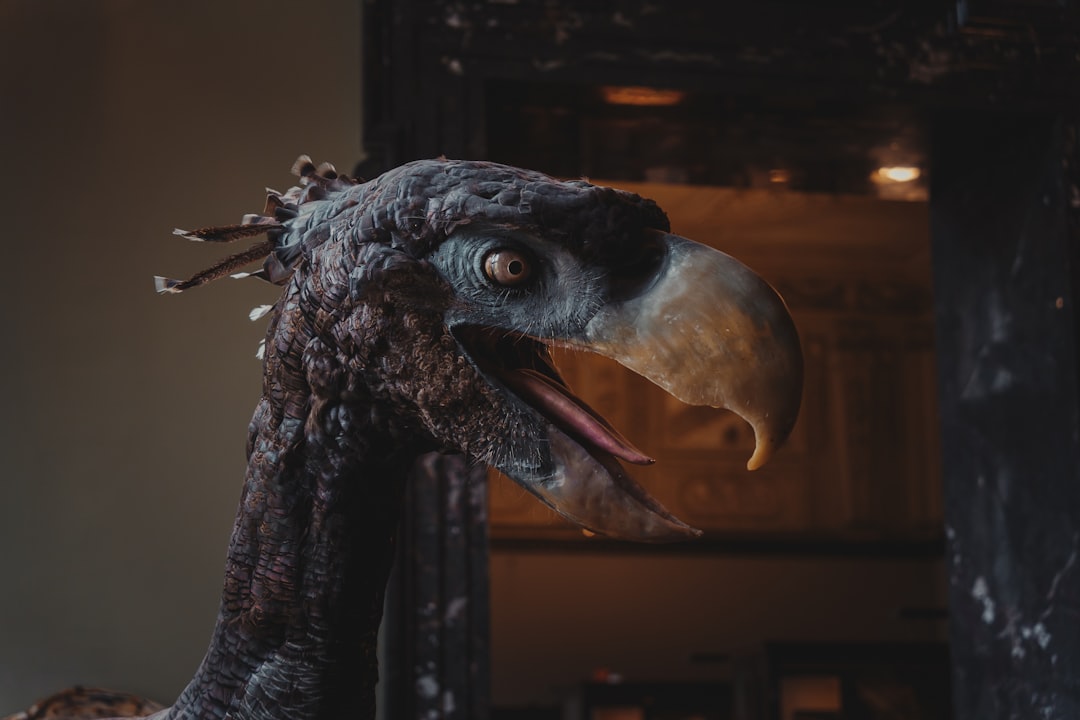
One of the most emotional aspects of studying extinct species is realizing how closely some of them resemble animals alive today. AI is now comparing ancient DNA with the genomes of modern creatures, revealing hidden connections and unexpected similarities. This not only helps us understand evolution, but also sparks new ideas for conservation. For instance, by learning how extinct animals survived harsh climates, scientists can develop strategies to help endangered species facing similar challenges. In a sense, AI is allowing the ghosts of the past to whisper advice to the living, reminding us that extinction is not just about loss, but also about legacy.
AI and the Search for the Denisovans
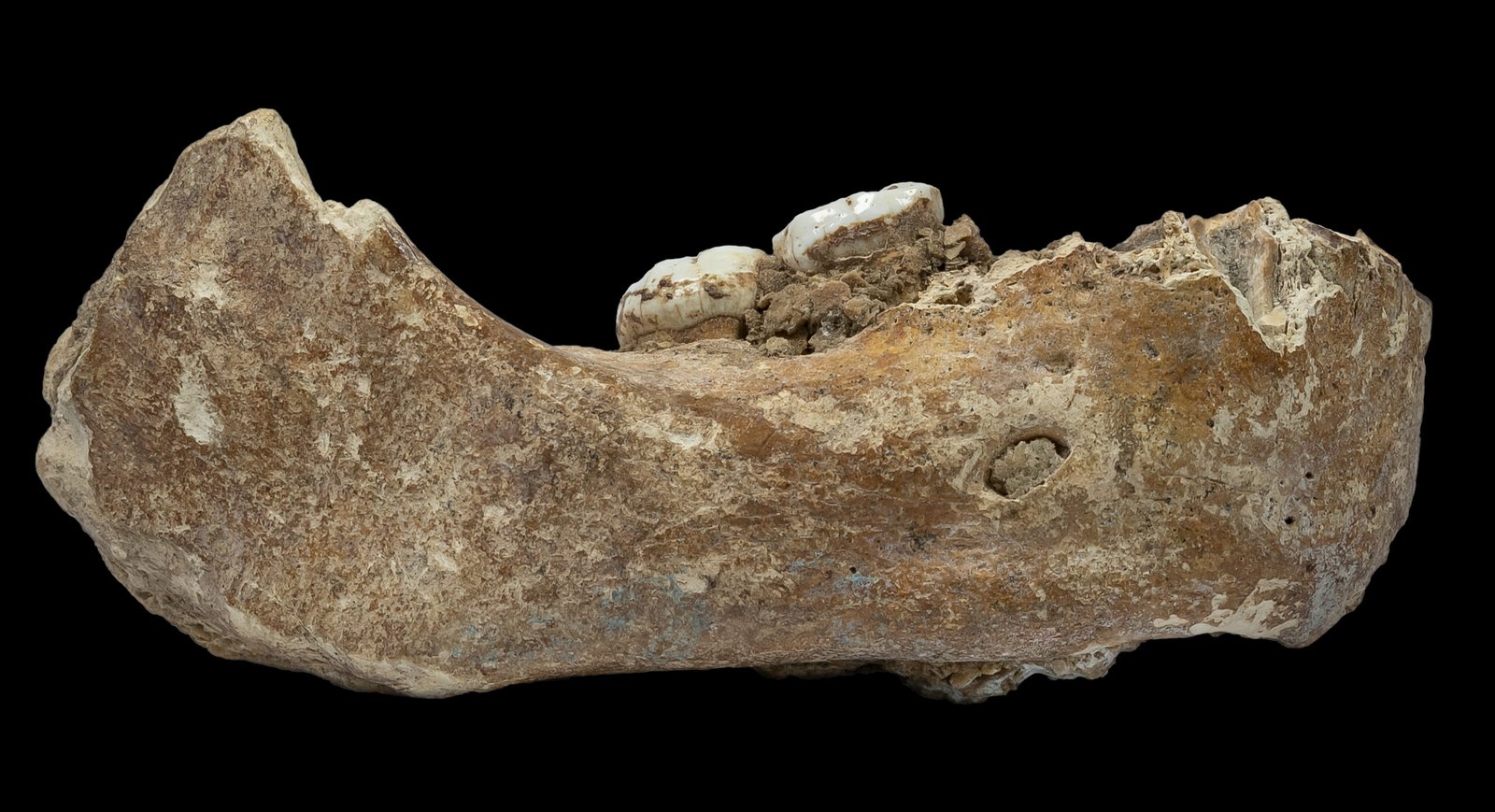
The Denisovans are one of humanity’s most mysterious relatives, known only from a handful of bones and teeth found in a Siberian cave. AI has played a pivotal role in unlocking their secrets. By analyzing ancient DNA from these tiny fragments, algorithms pieced together the Denisovan genome and compared it to that of modern humans and Neanderthals. The results were astonishing—showing not only that Denisovans were a distinct group, but also that they interbred with our ancestors. AI’s ability to sift through complex genetic data made this discovery possible, shining a light on a lost chapter of human evolution.
Imaging Fossils With AI-Powered Technology
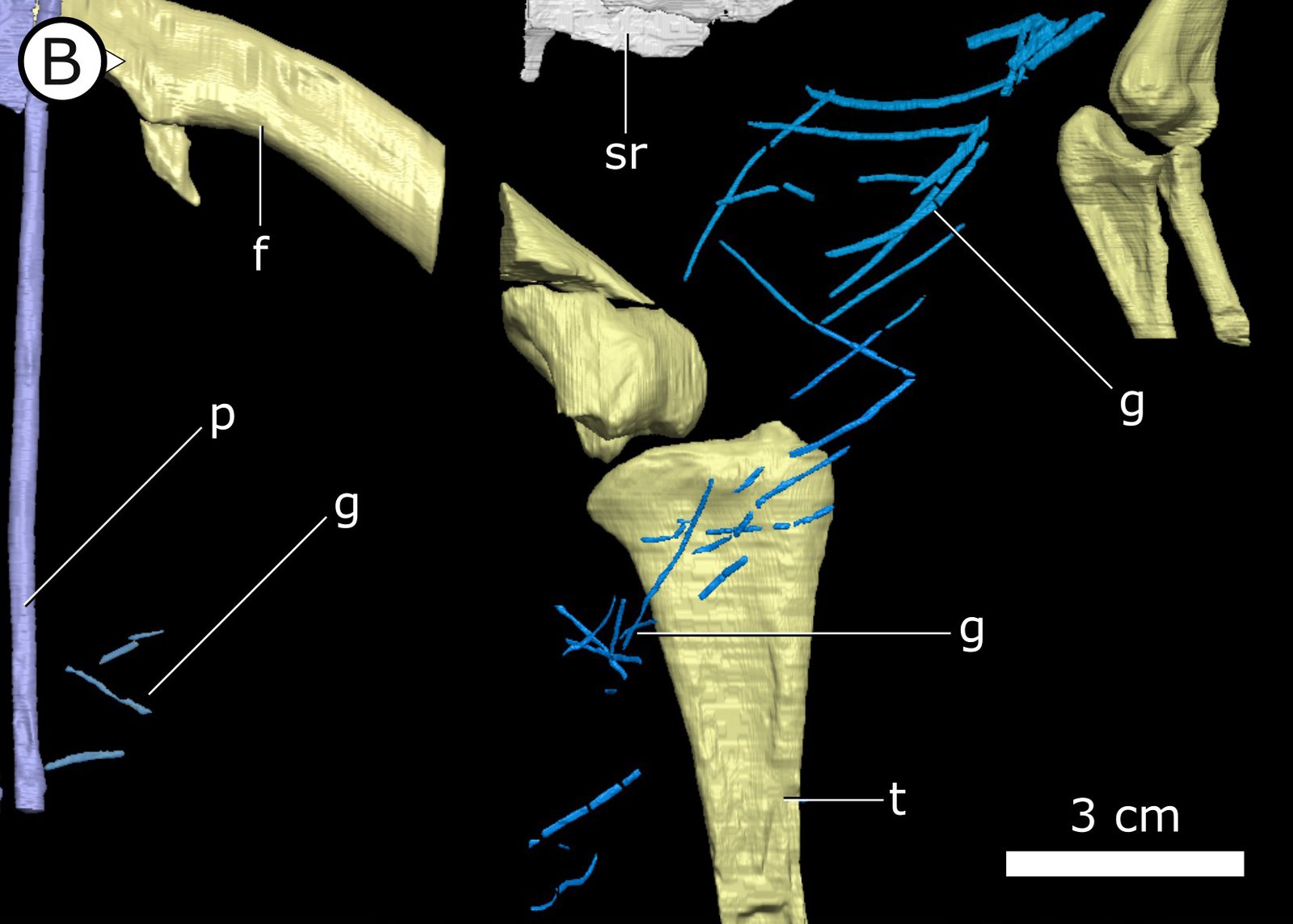
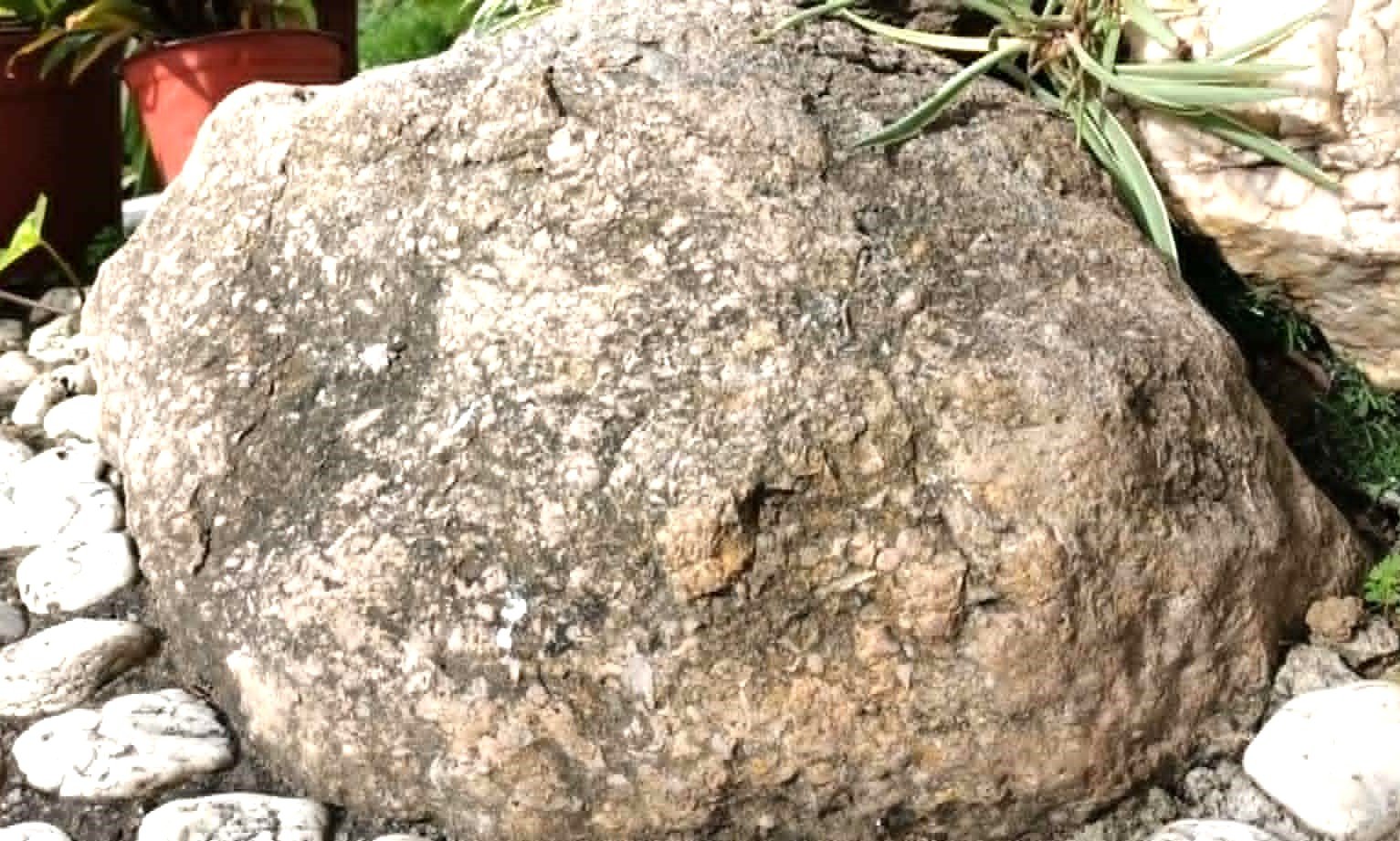
Fossils are often hidden inside rocks, too fragile to extract with traditional methods. Enter AI-powered imaging, which uses CT scans and machine learning to digitally “unwrap” fossils without damaging them. These virtual reconstructions allow scientists to study the bones in incredible detail, identifying features that would otherwise go unseen. AI can even predict what a complete skeleton might have looked like, based on partial remains. This technology is revolutionizing not just what we find, but how we see it, giving us a window into the bodies and lives of extinct animals as never before.
Filling in the Blanks With Predictive Modeling
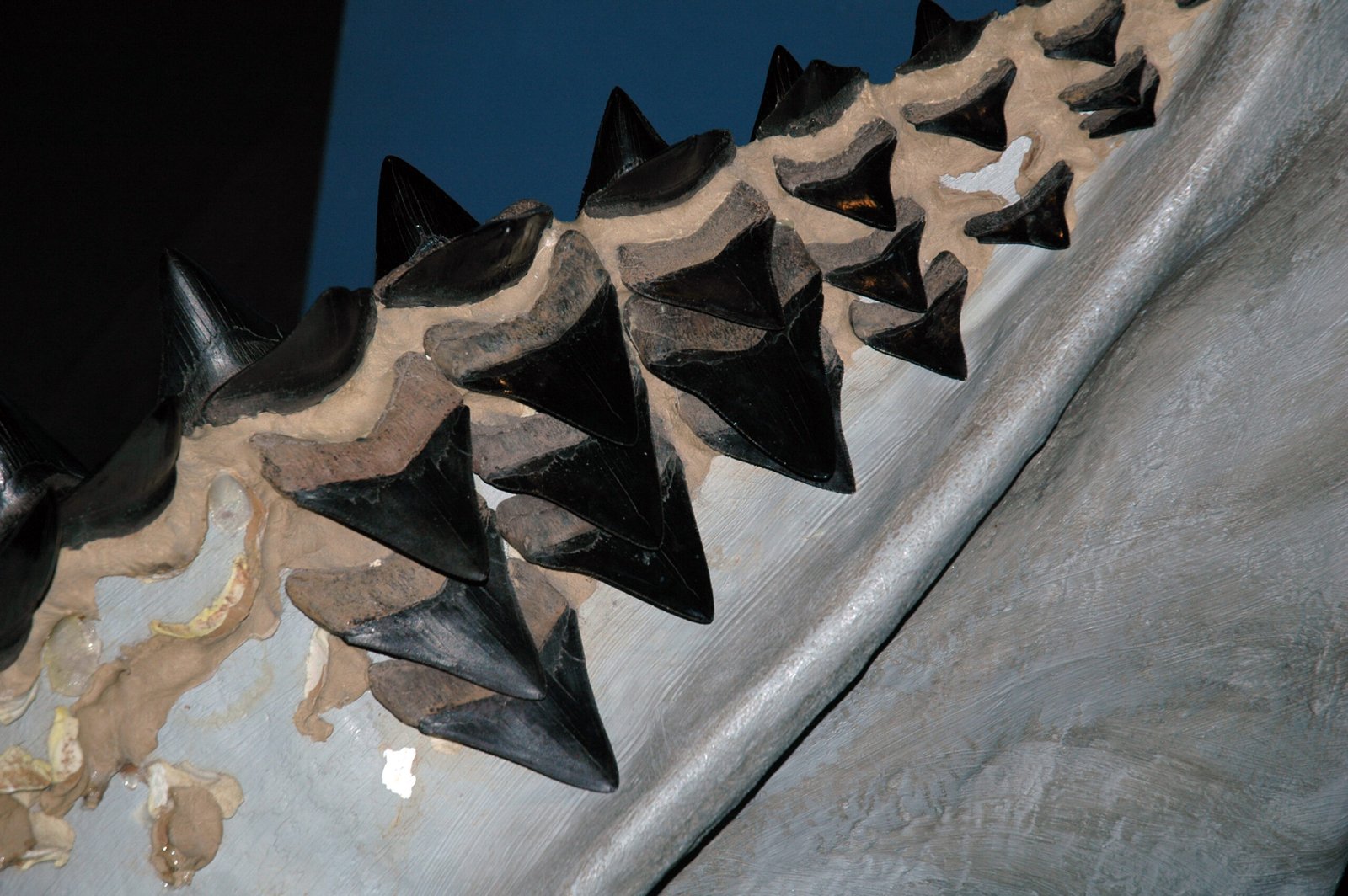
Often, the fossil record is patchy—entire species are known from just a tooth or a fragment of bone. AI comes to the rescue with predictive modeling, using what we know to estimate what we don’t. Algorithms can forecast the likely size, shape, and even behavior of extinct species by comparing fragments to complete skeletons from related animals. This helps paleontologists make educated guesses about everything from how an animal moved to what it ate. It’s a bit like reconstructing a lost masterpiece from a single brushstroke, with AI providing the artist’s intuition.
Re-evaluating Extinction Events
Some mass extinction events remain shrouded in mystery—what really wiped out the dinosaurs, or caused the “Great Dying” 250 million years ago? AI is helping scientists re-examine these catastrophic moments by crunching data from fossils, climate records, and chemical analyses. By spotting correlations and simulating different scenarios, AI can suggest new theories and reveal tipping points that might have triggered extinction. This detective work is rewriting history, showing that extinctions are rarely caused by a single event, but by a cascade of interconnected factors.
Resurrecting Ancient Sounds and Movements
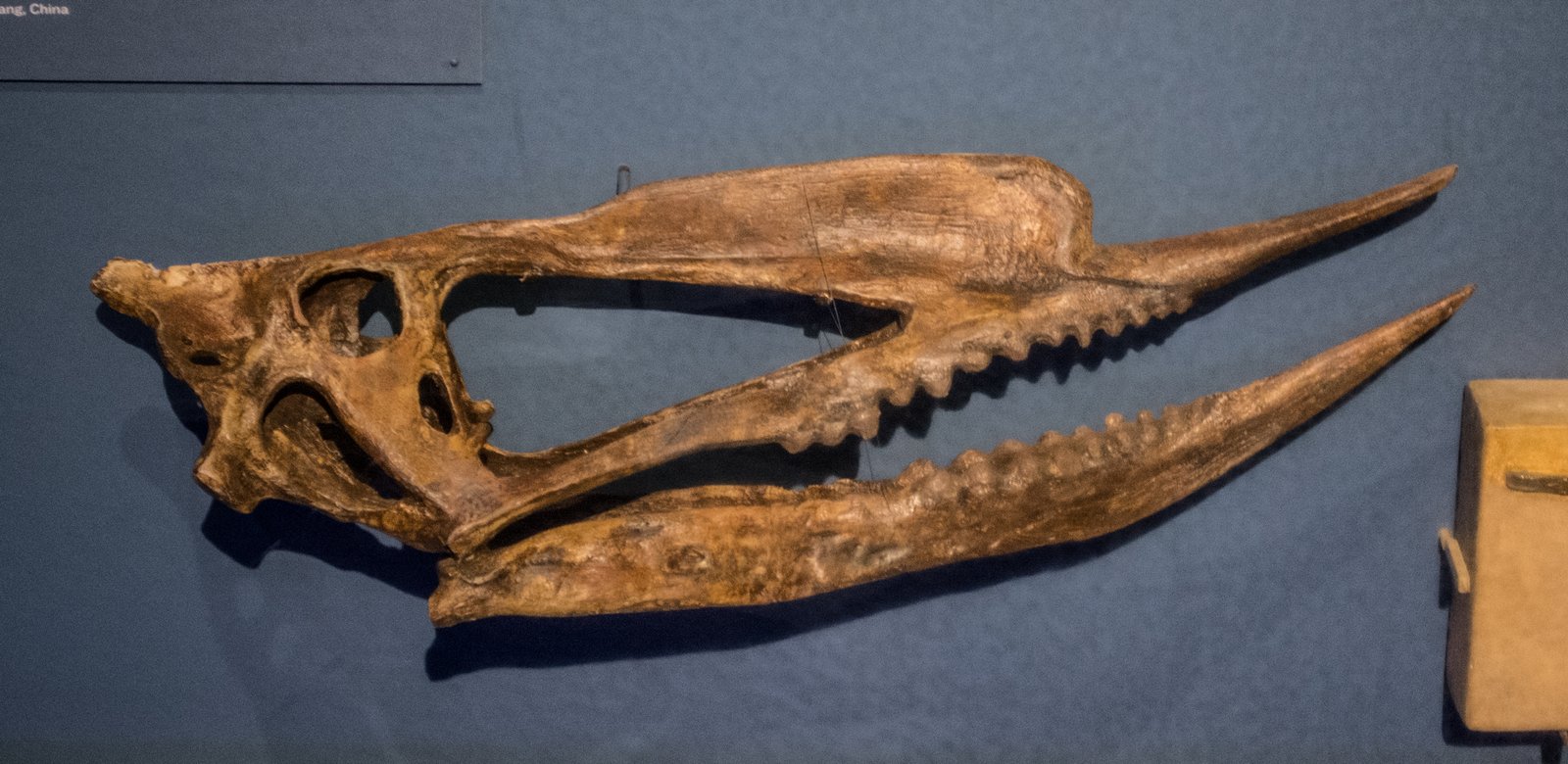
It’s hard to imagine what extinct animals sounded like, or how they moved through their world. AI is now making it possible to reconstruct these lost sensations. By analyzing bone structure, muscle attachments, and even the shape of fossilized ear bones, algorithms can predict the calls, songs, and roars of creatures long gone. Computer models powered by AI can also simulate how dinosaurs walked or how pterosaurs took to the air. These reconstructions bring an emotional dimension to paleontology, letting us hear echoes from the past and watch ancient dramas unfold.
Guardians of Modern Biodiversity
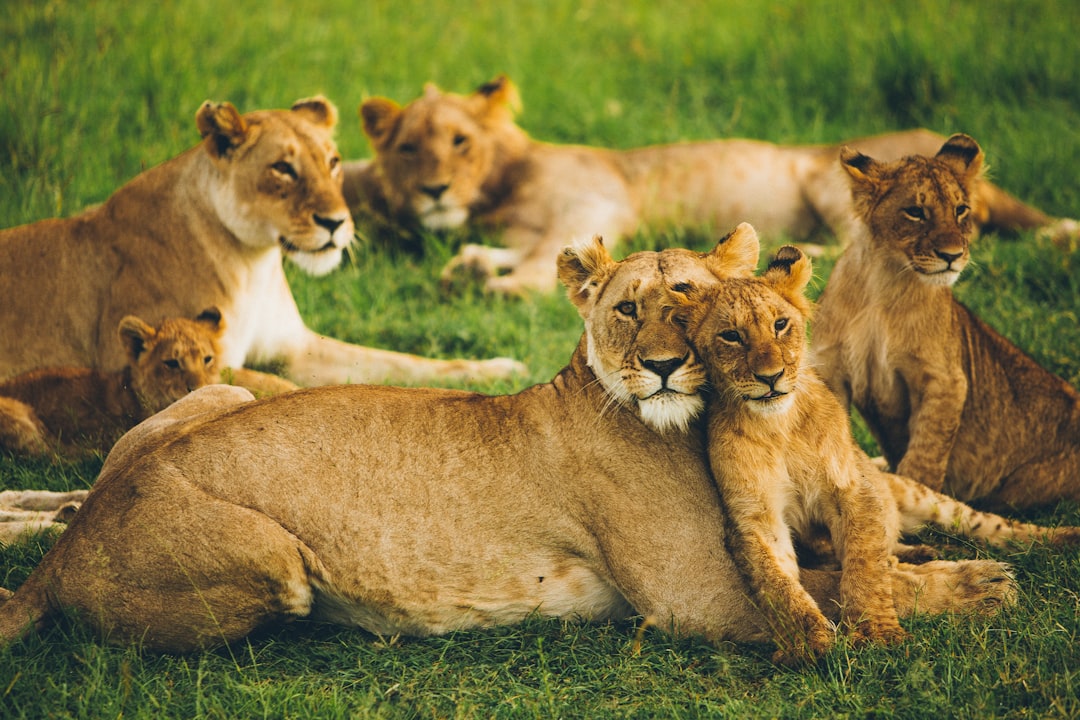
The lessons learned from AI-driven studies of extinct species are not just academic—they have real-world implications for today’s conservation efforts. By understanding why species vanished in the past, scientists can develop better strategies to protect those at risk now. AI models can predict which animals are most vulnerable to climate change, habitat loss, or disease, giving conservationists a head start in saving them. In a world facing unprecedented environmental challenges, the wisdom of the past—decoded by AI—could be our best hope for the future.
Ethical Frontiers and the De-Extinction Debate
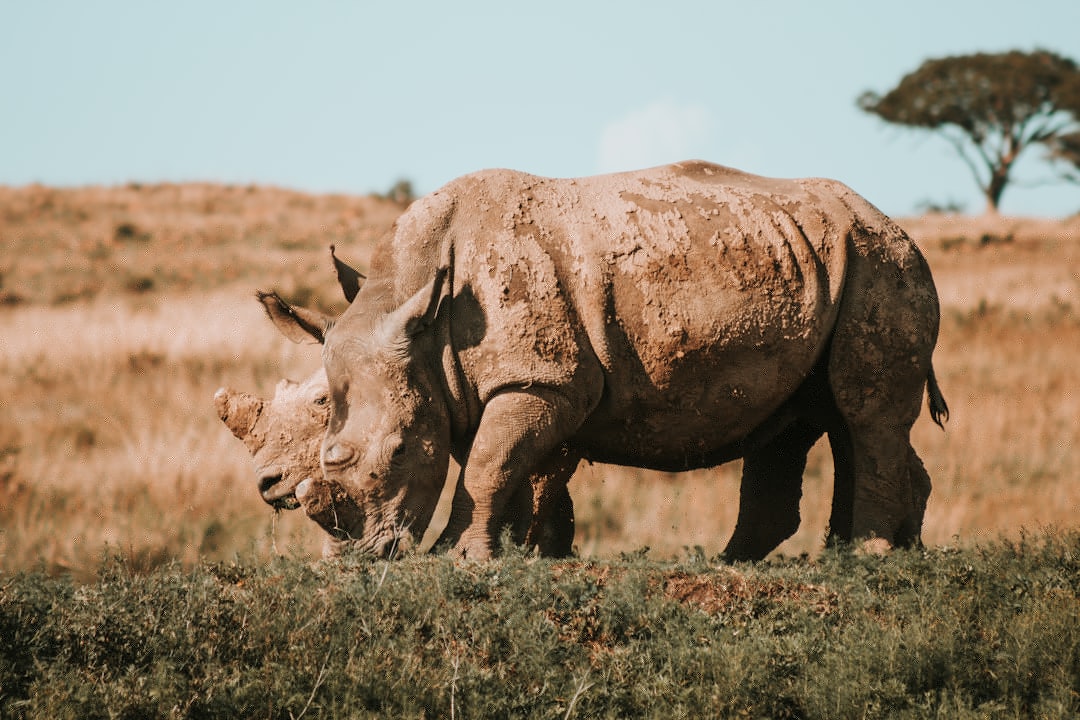
With AI making it possible to reconstruct genomes and imagine reviving extinct species, a new ethical frontier has emerged. Should we bring back animals like the passenger pigeon or the Tasmanian tiger? What responsibilities come with such power? Scientists and ethicists are using AI not only to explore the technical challenges but also to weigh the potential impacts on ecosystems, animal welfare, and society. The debate is fierce and ongoing, forcing us to confront what it really means to play “nature’s apprentice” with tools of unprecedented power.
What Awaits Us in the Next Chapter?

As AI continues to evolve, the possibilities for rediscovering extinct species seem almost limitless. Each breakthrough brings us closer to a deeper understanding of our planet’s past, and perhaps, a more hopeful future for its living inhabitants. The partnership between ancient bones and modern algorithms is still in its early days, but it’s already rewriting the story of life on Earth. What secrets will the next fossil or DNA fragment reveal—and what questions will we dare to ask next?