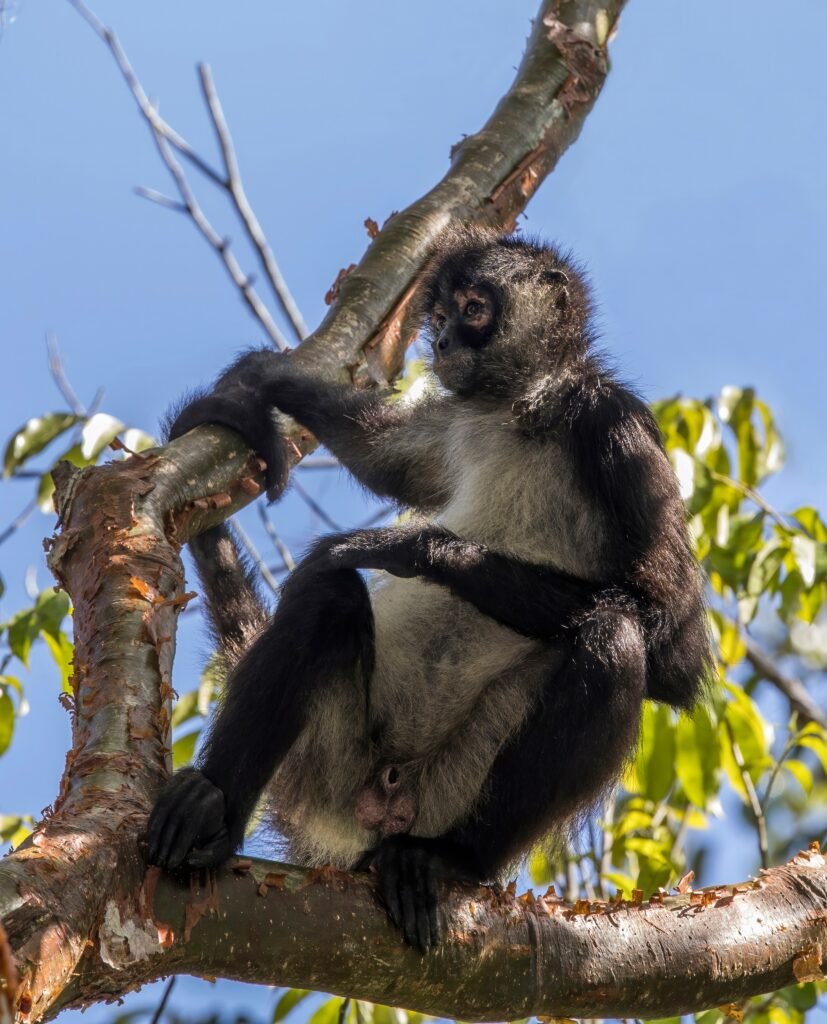

Deep in the heart of Mexico’s Yucatán Peninsula, where ancient Mayan ruins meet dense tropical forests, a remarkable rescue mission unfolds daily. Here, baby spider monkeys arrive traumatized and malnourished, their mothers killed by poachers who saw profit in their offspring’s expressive eyes. These intelligent primates, once destined for cramped cages in illegal pet markets, now swing through purpose-built canopies designed to heal both body and spirit. The transformation happening at this sanctuary represents hope for one of Central America’s most endangered species, but the journey from captivity to freedom is far more complex than most people realize.
The Hidden Crisis of Spider Monkey Trafficking
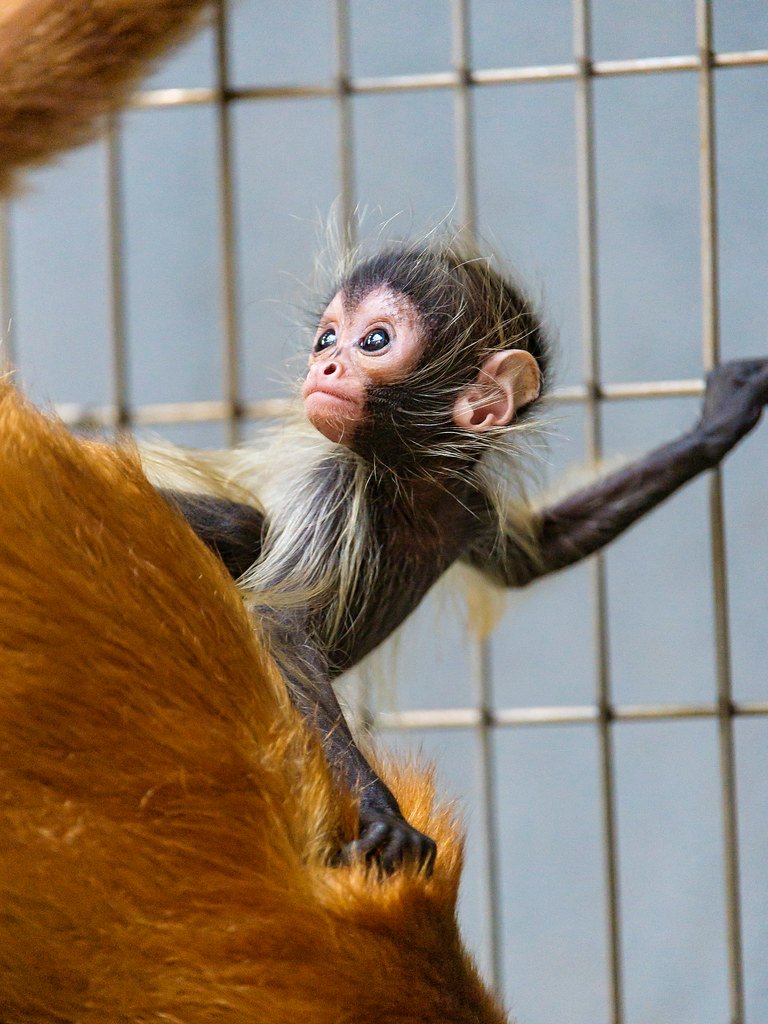
Spider monkeys have become the unfortunate stars of Mexico’s illegal wildlife trade, with their human-like expressions and playful nature making them irresistible to buyers seeking exotic pets. Every spider monkey sold as a pet represents a devastating loss to wild populations already struggling with habitat destruction and hunting pressure. Poachers typically kill the mothers to capture babies, as adult spider monkeys fiercely protect their young and can inflict serious injuries with their powerful limbs. The illegal pet trade has contributed to spider monkey populations declining by over 80% in some regions of Mexico over the past three decades. What makes this crisis particularly heartbreaking is that spider monkeys are among the most intelligent primates in the Americas, capable of using tools and forming complex social bonds that are irreparably damaged when they’re torn from their families.
Meet the Akumal Monkey Sanctuary
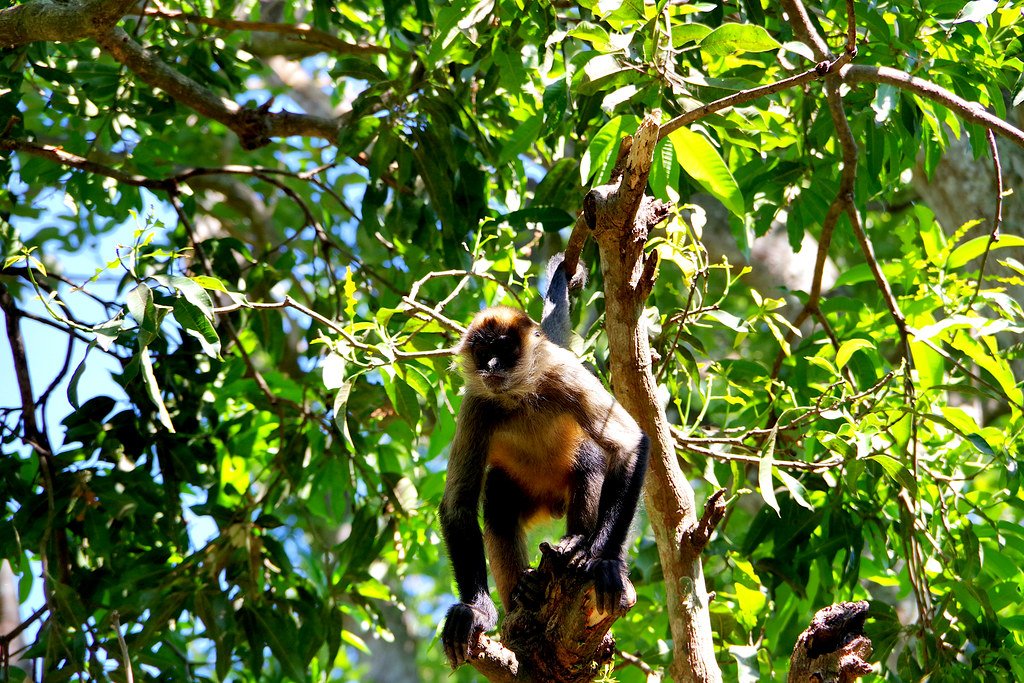
Nestled along the Caribbean coast of the Yucatán Peninsula, the Akumal Monkey Sanctuary has emerged as a beacon of hope for rescued spider monkeys since its founding in 1998. This specialized facility was created specifically to address the growing crisis of spider monkeys being illegally captured and sold as pets throughout Mexico and Central America. The sanctuary operates on 15 acres of carefully preserved jungle habitat, designed to mimic the natural environment these primates would experience in the wild. What sets Akumal apart from other wildlife facilities is its focus on rehabilitation rather than permanent captivity, with the ultimate goal of returning healthy spider monkeys to protected forest areas. The sanctuary has successfully rescued and rehabilitated over 300 spider monkeys, making it one of the most successful primate rescue operations in Latin America.
The Shocking Reality of Spider Monkey Captivity

When spider monkeys arrive at the sanctuary, they often present a heartbreaking picture of physical and psychological trauma that reveals the true cost of the pet trade. Many rescued individuals arrive malnourished and suffering from diseases like parasites, respiratory infections, and metabolic bone disease caused by improper diets of processed human food. The psychological damage runs even deeper, as spider monkeys are highly social creatures that develop severe behavioral disorders when isolated from their own species. Rescued animals frequently exhibit repetitive behaviors like pacing, self-harm, and excessive grooming that indicate profound stress and depression. Some spider monkeys arrive so psychologically damaged that they cannot recognize their own species, having been raised by humans from such an early age that they’ve lost their natural primate identity.
The Complex Process of Primate Rehabilitation

Rehabilitating a spider monkey requires a carefully orchestrated process that can take anywhere from several months to several years, depending on the individual’s condition and age at rescue. The process begins with intensive medical care, including treatment for diseases, nutritional rehabilitation, and addressing any physical injuries sustained during capture or captivity. Behavioral rehabilitation proves even more challenging, as caregivers must help spider monkeys rediscover their natural instincts while avoiding creating new dependencies on humans. The sanctuary uses a gradual socialization process, carefully introducing rescued individuals to other spider monkeys in controlled environments to rebuild their social skills. Perhaps most challenging is teaching human-raised spider monkeys how to forage for food, navigate through trees, and recognize potential predators – skills that wild spider monkeys learn from their mothers over many years.
Building Trust Through Specialized Care

The veterinary team at Akumal has developed specialized protocols for treating spider monkeys that go far beyond traditional zoo medicine approaches. Each rescued animal receives a comprehensive health assessment that includes blood work, parasite screening, and behavioral evaluation to create an individualized treatment plan. The sanctuary’s veterinarians have become experts in primate nutrition, creating specialized diets that help reverse the damage caused by years of inappropriate feeding in captivity. Psychological care involves providing environmental enrichment that stimulates natural behaviors, such as puzzle feeders that encourage foraging and climbing structures that allow for proper exercise. The most successful rehabilitation cases involve spider monkeys that gradually learn to trust their caregivers while maintaining a healthy fear of humans that will serve them well if they’re eventually released into the wild.
The Social Dynamics of Spider Monkey Groups

Spider monkeys live in complex social structures called fission-fusion societies, where group members constantly separate and reunite throughout the day in different combinations. Understanding these intricate social dynamics is crucial for successful rehabilitation, as spider monkeys must learn to navigate complex relationships with multiple individuals. The sanctuary carefully manages group introductions, as spider monkeys can be territorial and aggressive toward unfamiliar individuals, especially when resources like food or preferred sleeping spots are involved. Female spider monkeys typically form the core of social groups and are responsible for teaching young monkeys essential survival skills, making the presence of experienced females crucial for successful rehabilitation programs. The most heartwarming moments at the sanctuary occur when isolated spider monkeys successfully integrate into established groups, often forming bonds that will last for the remainder of their lives.
Innovative Enclosure Design for Natural Behaviors
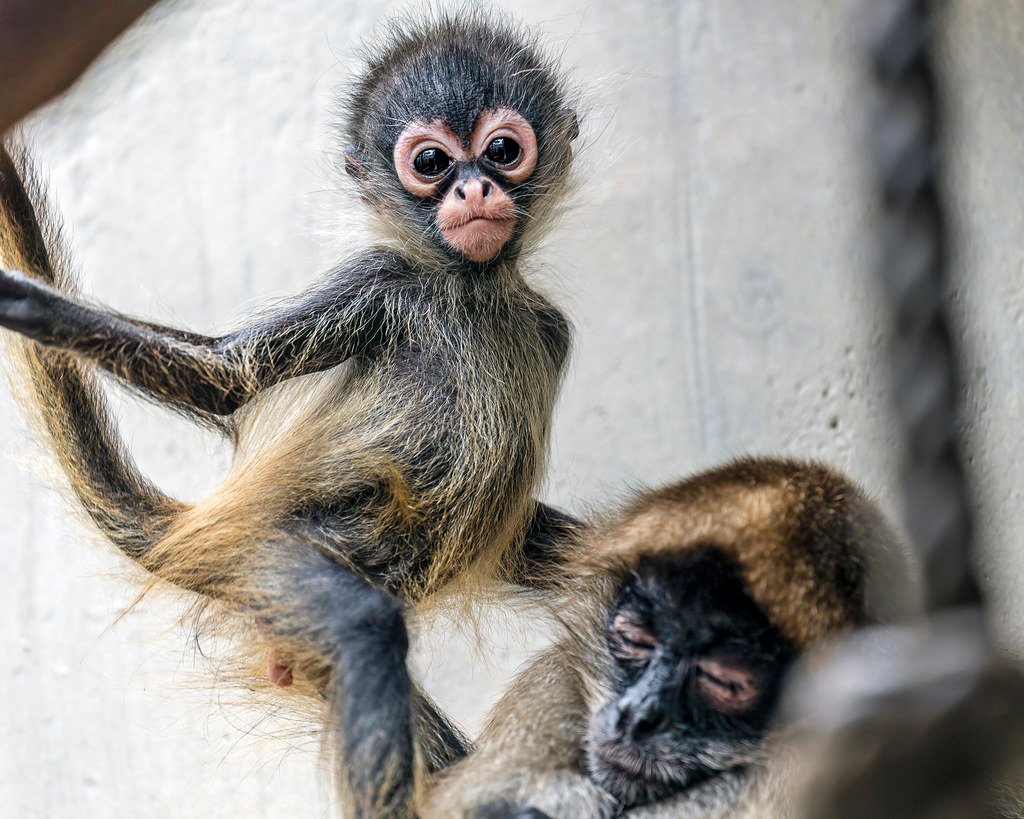
The sanctuary’s enclosures represent cutting-edge thinking in primate habitat design, incorporating elements that encourage natural behaviors while ensuring the safety of both animals and caregivers. Each enclosure features a complex network of ropes, branches, and platforms positioned at various heights to simulate the three-dimensional environment of a tropical forest canopy. The design includes multiple feeding stations positioned throughout the enclosure to encourage natural foraging behaviors and prevent food competition that could lead to aggression. Water sources are strategically placed to mimic natural streams and rain collection points that spider monkeys would encounter in the wild. Perhaps most importantly, the enclosures provide multiple retreat areas where individual spider monkeys can escape from social pressure when needed, reflecting the fission-fusion nature of their natural social structure.
The Challenge of Release and Reintroduction

Returning rehabilitated spider monkeys to the wild represents the ultimate goal of the sanctuary’s work, but it’s also the most challenging and risky phase of the entire process. Suitable release sites must have adequate forest cover, minimal human disturbance, and existing spider monkey populations that can potentially accept new individuals. The sanctuary works closely with Mexican environmental authorities and conservation organizations to identify appropriate release locations and obtain necessary permits for reintroduction programs. Pre-release training involves gradually reducing human contact while increasing exposure to natural environmental conditions like weather variations and seasonal food availability. Success rates for spider monkey reintroduction vary significantly, with younger individuals and those with less human exposure generally adapting better to life in the wild than older, more habituated animals.
Community Education and Outreach Programs

The sanctuary recognizes that long-term success in combating the spider monkey pet trade requires changing public attitudes and increasing awareness about the consequences of wildlife trafficking. Educational programs target local communities, schools, and tourists, explaining why spider monkeys make terrible pets and highlighting the ecological importance of these primates in tropical forest ecosystems. The sanctuary’s outreach efforts include working with local law enforcement to help them identify illegally held spider monkeys and understand the legal procedures for confiscation and rescue. Community education also focuses on economic alternatives to wildlife trafficking, helping local people understand how healthy forest ecosystems and ecotourism can provide sustainable income that doesn’t require destroying wildlife populations. The most effective educational programs involve local people in conservation efforts, creating a sense of ownership and pride in protecting spider monkey populations.
The Role of Spider Monkeys in Forest Ecosystems
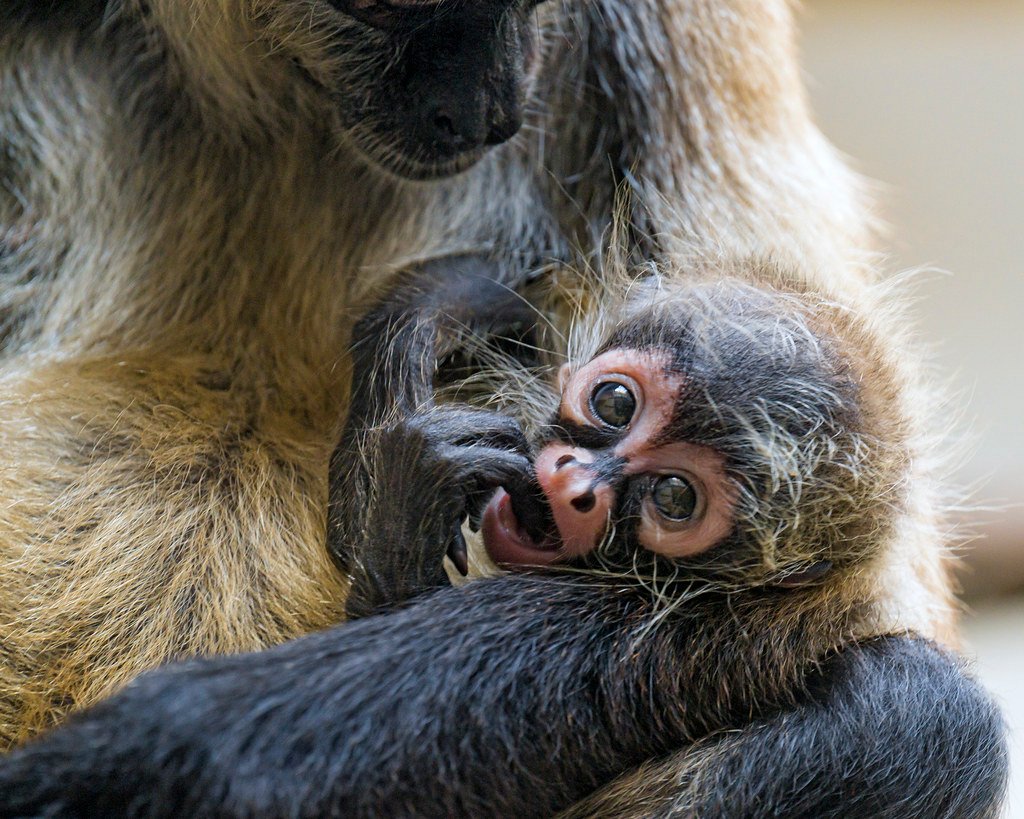
Spider monkeys serve as crucial seed dispersers in tropical forest ecosystems, traveling long distances and depositing seeds far from parent trees through their feces. Their diet consists primarily of ripe fruits, and their large body size allows them to swallow seeds that are too big for smaller primates to disperse effectively. Research has shown that spider monkeys can travel over 2 kilometers per day while foraging, making them one of the most effective long-distance seed dispersers in Neotropical forests. The loss of spider monkey populations has measurable impacts on forest regeneration, as many large-seeded tree species depend on these primates for reproduction and genetic diversity. Scientists estimate that the disappearance of spider monkeys from forest ecosystems could lead to the local extinction of dozens of plant species within just a few generations.
Funding and Sustainability Challenges
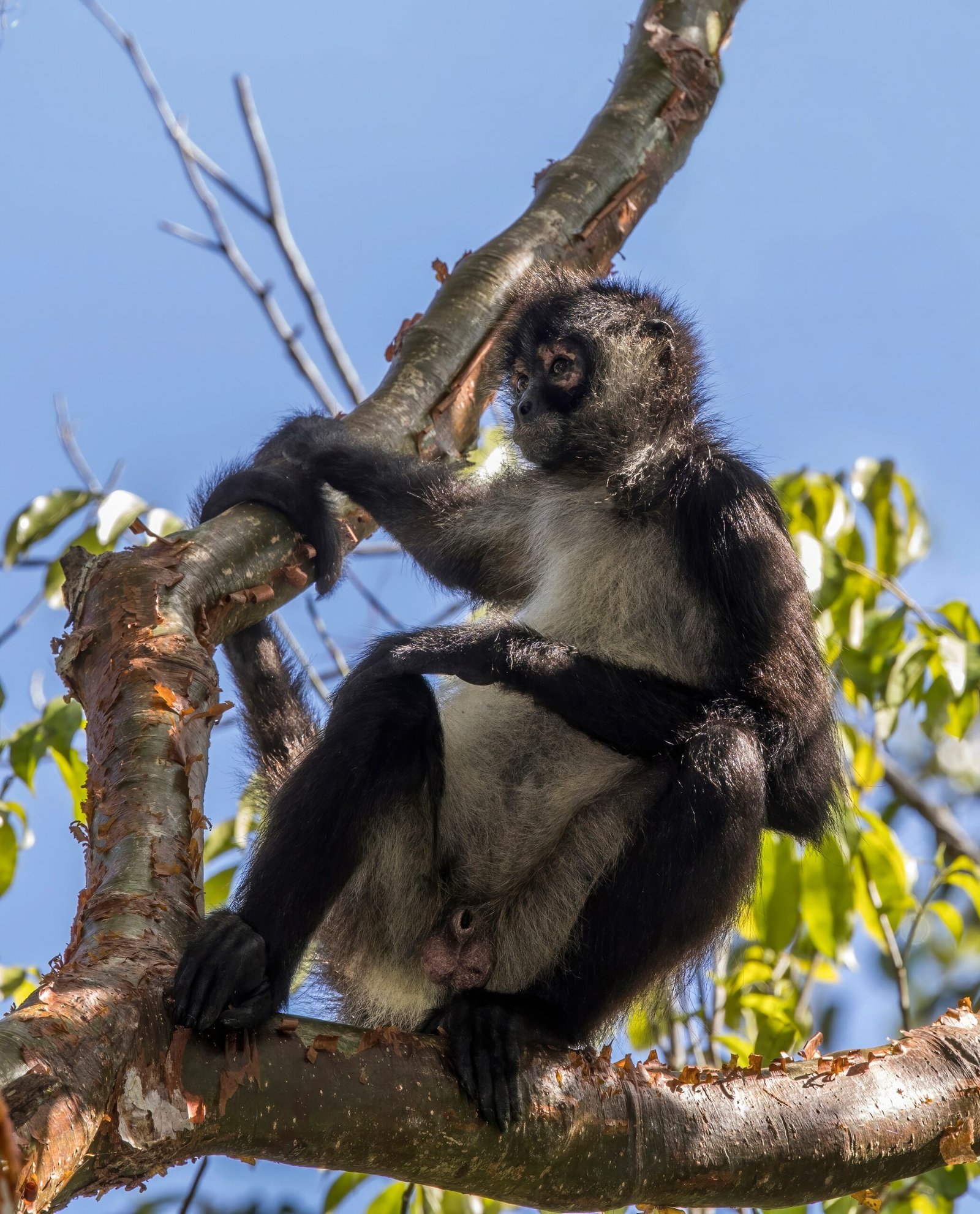
Operating a specialized primate sanctuary requires significant financial resources, with costs including veterinary care, specialized diets, facility maintenance, and staff salaries adding up to hundreds of thousands of dollars annually. The Akumal Monkey Sanctuary relies on a combination of international donations, ecotourism revenue, and grants from conservation organizations to fund its operations. Veterinary costs alone can be enormous, as spider monkeys require specialized care from veterinarians trained in primate medicine, and emergency medical situations can cost thousands of dollars per individual. The sanctuary has developed innovative fundraising approaches, including adoption programs where donors can sponsor individual spider monkeys and receive regular updates on their progress. Long-term sustainability requires diversifying funding sources and building endowments that can support the facility’s operations even during economic downturns or global crises that affect tourism and donations.
Collaboration with Government Agencies
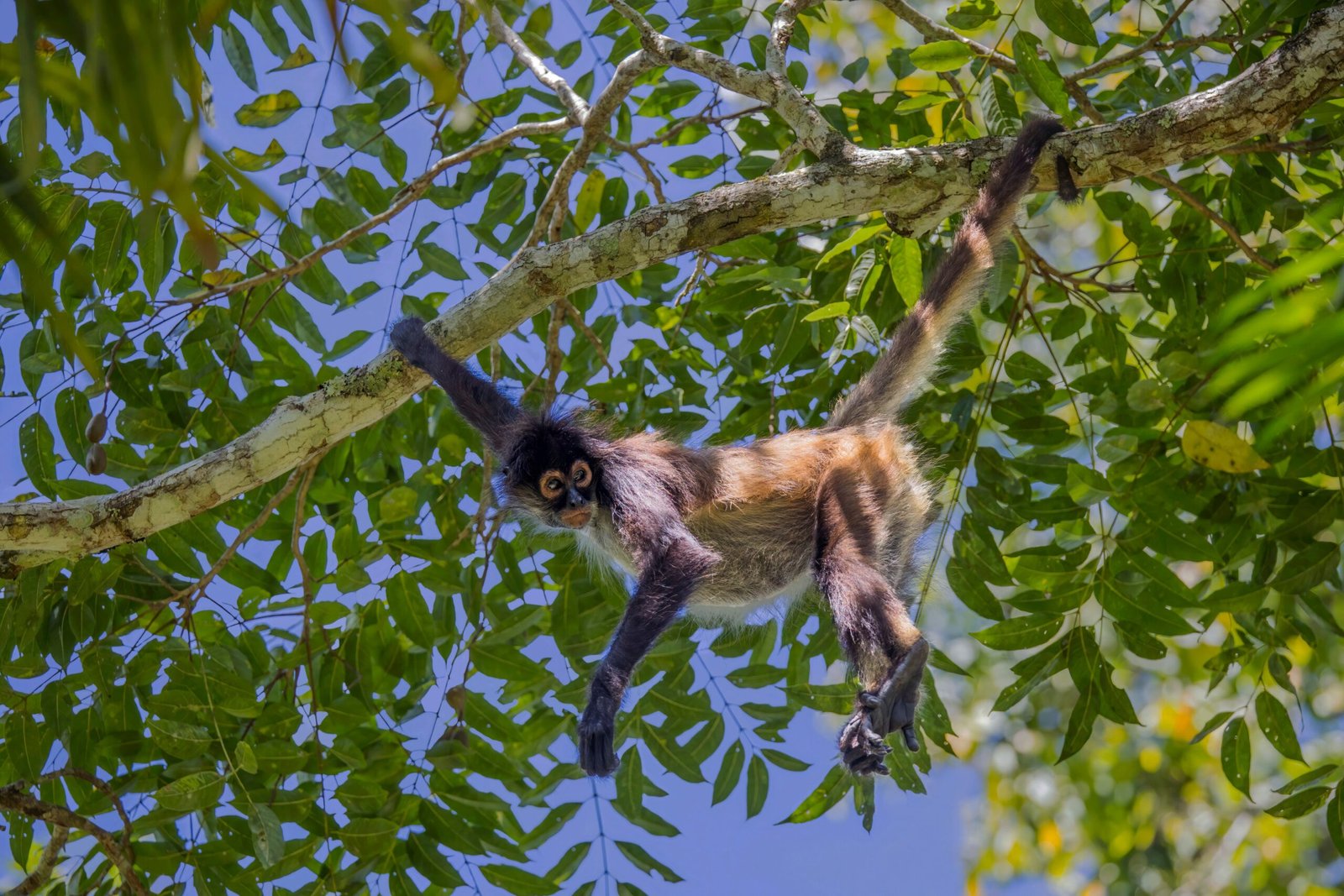
The sanctuary works closely with PROFEPA, Mexico’s environmental law enforcement agency, to rescue spider monkeys from illegal captivity and prosecute wildlife traffickers. This collaboration has resulted in numerous successful raids on illegal wildlife markets and private collectors who were keeping spider monkeys as pets. Government partnerships also provide the legal framework necessary for the sanctuary’s operations, including permits for holding and transporting protected species and authorization for release programs. The relationship between the sanctuary and government agencies demonstrates how effective conservation requires cooperation between private organizations and public institutions. Training programs for law enforcement officers help them identify illegally held primates and understand the proper procedures for confiscation and transfer to authorized facilities like the sanctuary.
Technology and Modern Conservation Methods

The sanctuary incorporates modern technology to improve animal care and advance scientific understanding of spider monkey behavior and ecology. GPS tracking collars allow researchers to monitor the movements and behavior of released spider monkeys, providing valuable data on reintroduction success and habitat use patterns. Remote cameras throughout the facility capture natural behaviors that might not be observed during direct human observation, helping caregivers understand individual personalities and social dynamics. Veterinary technology includes digital X-ray equipment, ultrasound machines, and laboratory facilities that enable comprehensive health monitoring and rapid diagnosis of medical problems. The sanctuary also uses social media and digital platforms to raise awareness about spider monkey conservation and connect with supporters worldwide, demonstrating how modern communication tools can advance traditional conservation goals.
Success Stories of Individual Rescues
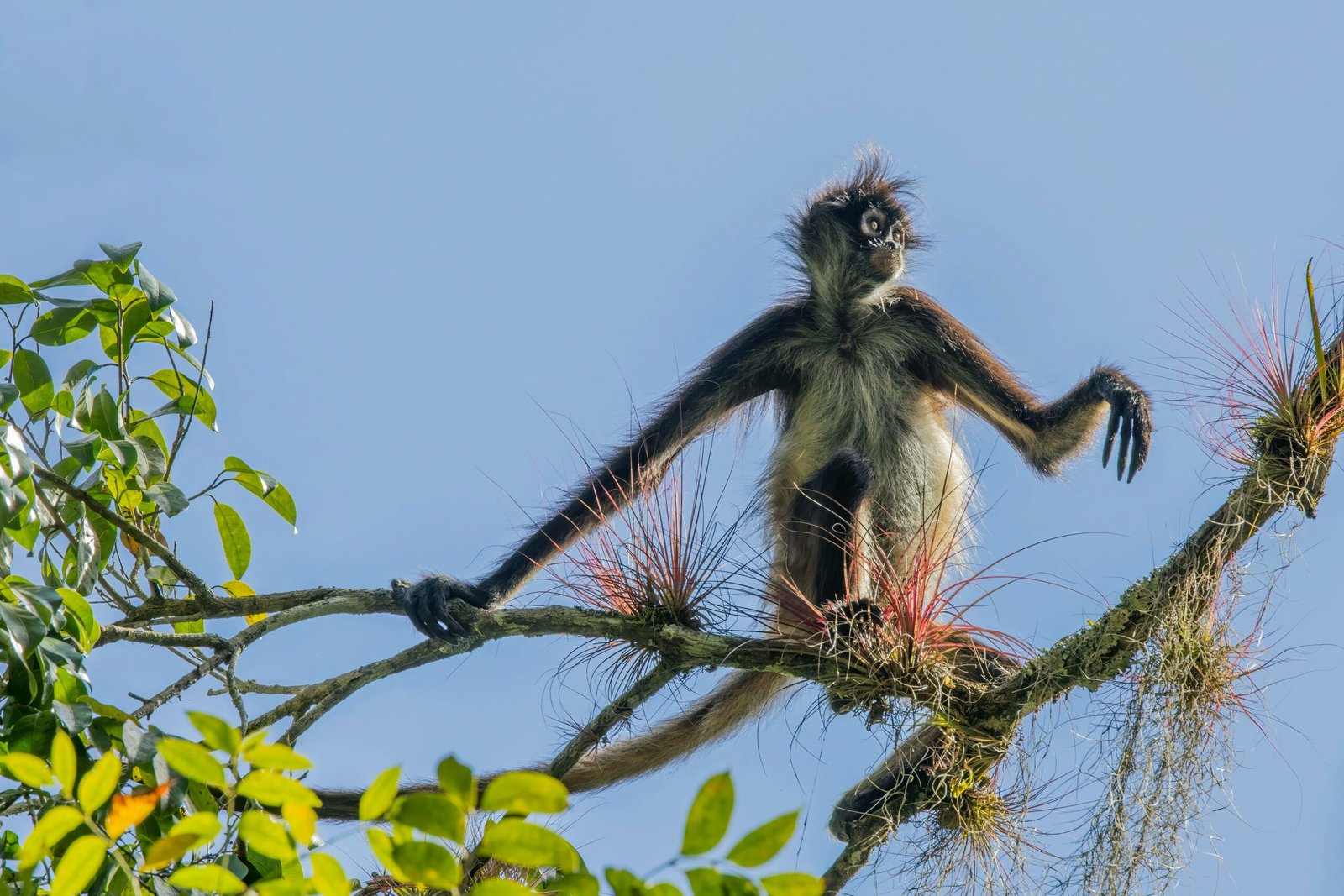
Among the sanctuary’s most inspiring cases is Chico, a spider monkey who arrived as a severely malnourished infant after his mother was killed by poachers in 2019. Chico had been kept in a small cage and fed only bananas and soft drinks, resulting in severe developmental problems and aggressive behavior toward humans and other monkeys. Through months of specialized care, proper nutrition, and gradual socialization with other young spider monkeys, Chico learned to climb, forage for natural foods, and form social bonds with his peers. Another remarkable case involves Luna, a female spider monkey who had been kept as a pet for over a decade and had completely lost her natural behaviors, including the ability to recognize other spider monkeys as her own species. Luna’s rehabilitation took nearly two years, but she eventually formed a strong bond with another rescued female and now serves as a surrogate mother for newly arrived orphaned infants.
The Impact of Habitat Destruction
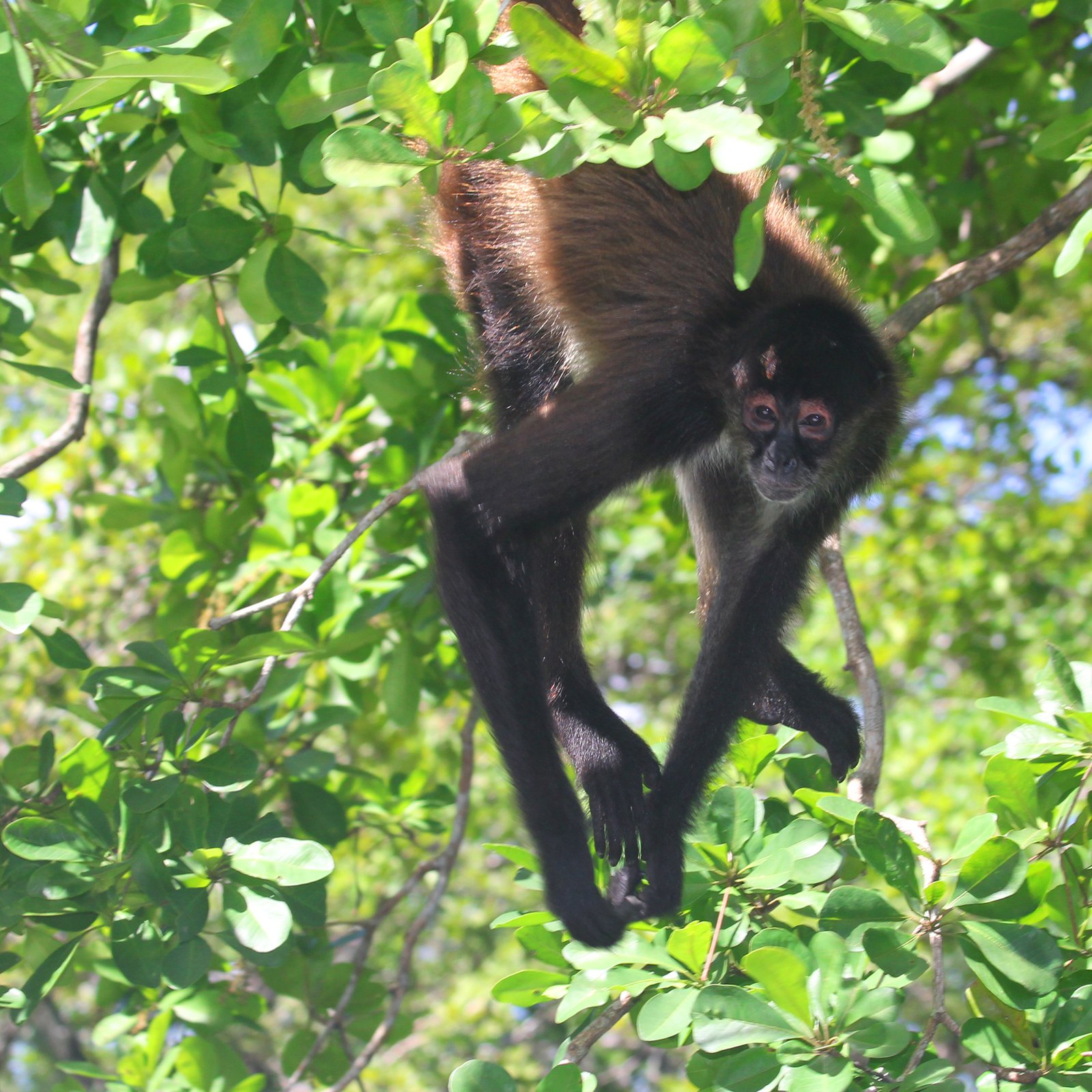
While the pet trade represents an immediate threat to individual spider monkeys, habitat destruction poses an even greater long-term challenge to species survival throughout their range. Deforestation for agriculture, urban development, and infrastructure projects has eliminated vast areas of spider monkey habitat across Mexico and Central America. The fragmentation of remaining forest areas isolates spider monkey populations, making them more vulnerable to local extinctions and reducing genetic diversity through inbreeding. Climate change compounds these problems by altering rainfall patterns and forest composition, potentially making some areas unsuitable for spider monkeys in the future. The sanctuary’s work with rescued individuals becomes even more critical when viewed against this backdrop of widespread habitat loss, as every successfully rehabilitated spider monkey represents precious genetic material for the species’ long-term survival.
International Cooperation and Support
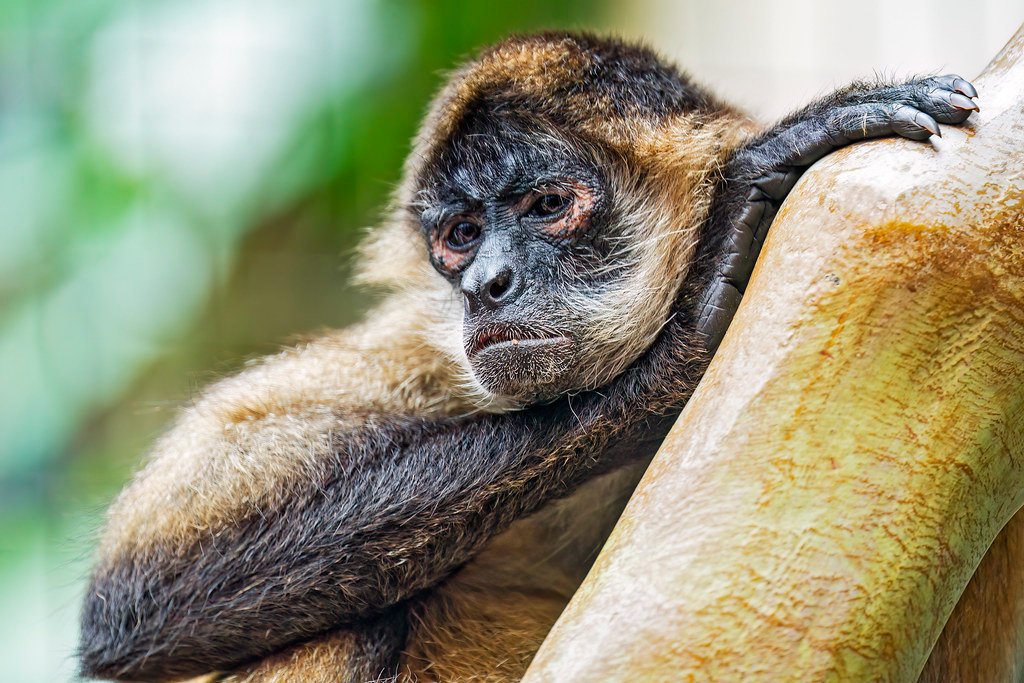
The sanctuary’s work has attracted international attention and support from primate conservation organizations, zoos, and research institutions around the world. Partnerships with organizations like the International Primatological Society provide access to the latest research on primate care and rehabilitation techniques. Exchange programs allow sanctuary staff to visit other primate facilities and share knowledge about best practices in spider monkey care and management. International volunteers bring diverse skills and perspectives to the sanctuary while gaining hands-on experience in primate conservation that they can apply in their home countries. The sanctuary has also contributed to international databases tracking spider monkey populations and conservation status, helping inform regional and global conservation strategies for the species.
Training the Next Generation of Conservationists

The sanctuary serves as an important training ground for Mexican and international students interested in primate conservation and wildlife rehabilitation. Internship programs provide hands-on experience in animal care, behavioral observation, and conservation education under the supervision of experienced professionals. Many former interns have gone on to establish their own wildlife rescue facilities or pursue advanced degrees in primatology and conservation biology. The sanctuary’s educational programs also target local youth, encouraging them to see wildlife conservation as a viable career path and helping build local capacity for long-term conservation efforts. Research projects conducted at the sanctuary have contributed to our understanding of spider monkey behavior, nutrition, and reproduction, advancing the scientific foundation for conservation efforts throughout the species’ range.
The Future of Spider Monkey Conservation

The Akumal Monkey Sanctuary represents just one part of a larger conservation strategy needed to ensure the survival of spider monkeys in the wild. Future conservation efforts must address both immediate threats like the pet trade and habitat destruction while building sustainable alternatives for local communities that currently depend on natural resource extraction. The sanctuary’s success demonstrates that spider monkey rehabilitation is possible, but scaling up these efforts to address the magnitude of the problem will require significant increases in funding and infrastructure. Advances in reproductive technology may eventually allow captive breeding programs to supplement wild populations, but this approach must be carefully managed to avoid genetic bottlenecks and maintain wild behavior patterns. Perhaps most importantly, the sanctuary’s work shows that changing public attitudes about wildlife trafficking is possible, offering hope that future generations will value spider monkeys in their natural habitat rather than as exotic pets.
The spider monkeys swinging through the sanctuary’s canopies today carry with them the hopes of their entire species, each successful rehabilitation representing a small victory against the forces driving these remarkable primates toward extinction. Their recovery from trauma and their gradual return to natural behaviors remind us that even the most damaged individuals can heal given proper care and time. What will it take for all spider monkeys to experience the freedom that these lucky few have found?