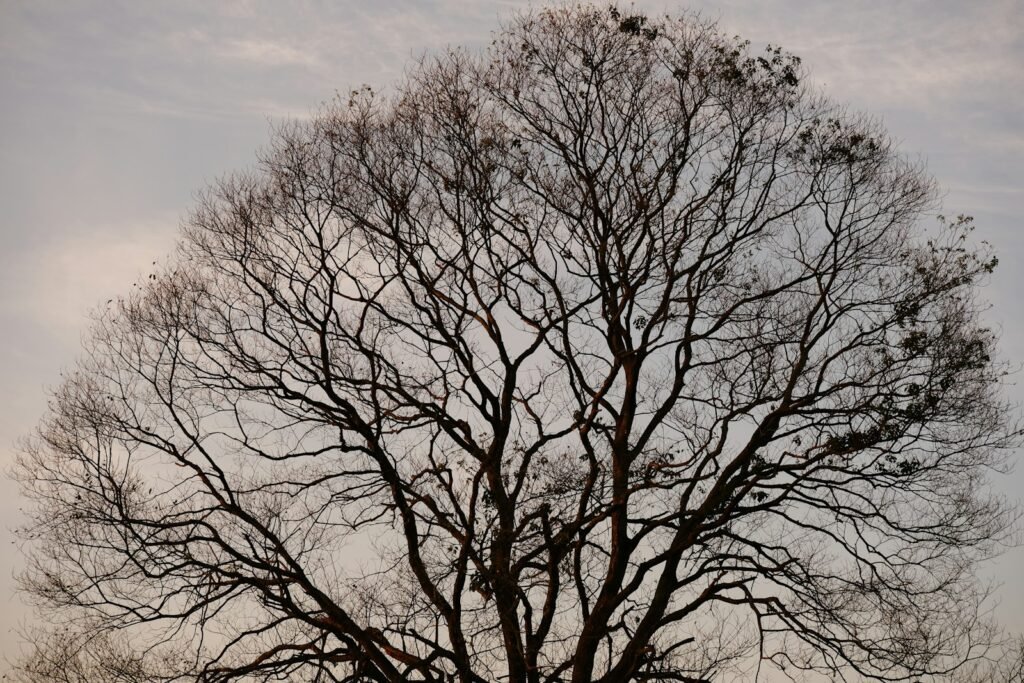

Imagine walking through a dense forest, sunlight flickering on your skin, when you stumble across a plant that seems to have mastered the art of disguise. But here’s the twist: it has no leaves, no eyes, and no sense of touch. How, you might wonder, could such an unassuming organism mimic its leafy neighbors so flawlessly? This is the true story of a plant that outsmarts the very senses it never had, rewriting what we thought we knew about nature’s silent geniuses.
The Enigma of the Leafless Plant

At first glance, it’s hard to notice the odd one out among a sea of greenery. This particular plant, stripped of leaves and the usual trappings of photosynthesis, stands like a ghost beside its leafy cousins. Botanists first noticed its uncanny resemblance to the plants around it, despite missing the primary features that make plants, well, plants. It’s as if the plant borrowed nature’s costume, blending in so perfectly that only the sharpest eyes could spot the imposter. This wasn’t just a curious case—it was a challenge to everything scientists thought they knew about plant mimicry.
What Does It Mean to Imitate Without Senses?
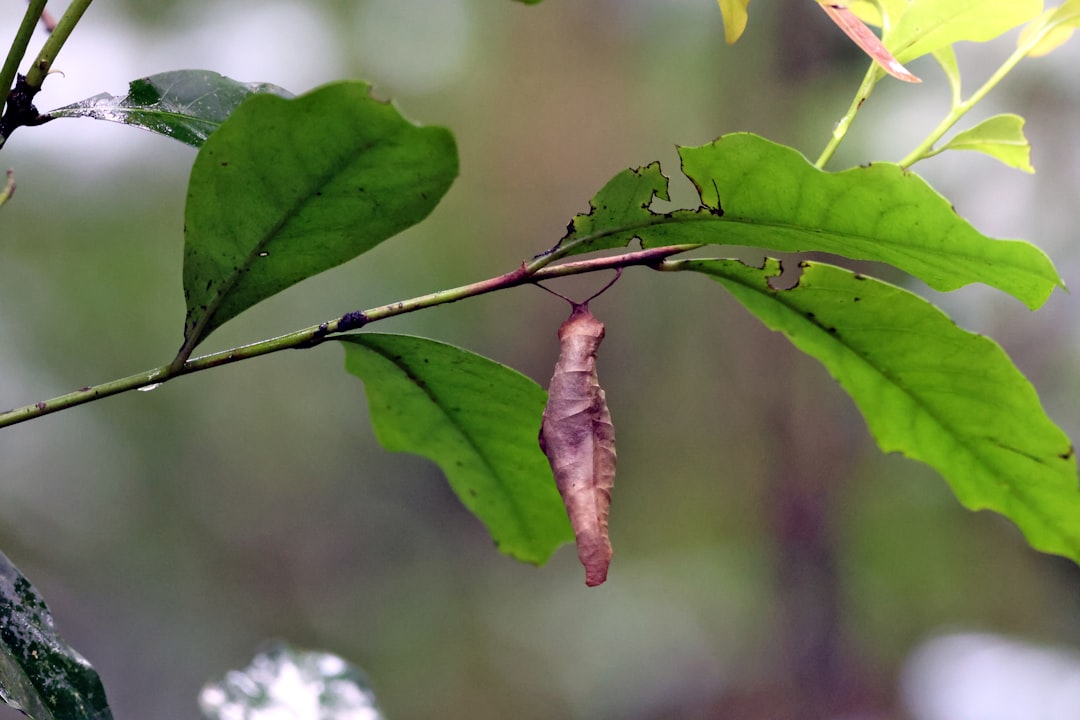
For most creatures, imitation relies on senses. Animals mimic through sight, some by touch, and many use a mix of signals to blend in or deceive. But a plant with no eyes, ears, or hands? That’s a different puzzle altogether. The leafless plant’s mimicry raises a baffling question: how does it “know” what its neighbors look like? With no way to see or feel, it shouldn’t have a clue. Yet, the plant adjusts its shape, color, and even the texture of its stems to match those around it. For scientists, this is both a marvel and a mystery, kindling a sense of wonder and disbelief.
Evolution’s Secret Language

The answer to this mimicry mystery lies deep in the language of DNA and evolution. Over thousands of years, the plant has “learned” to imitate its neighbors not through conscious choice, but through genetic trial and error. In each generation, plants that looked more like their surroundings were less likely to be eaten or noticed. Their genes survived and spread, while the poorly disguised ones vanished into oblivion. Think of it as nature’s version of a never-ending costume contest, where only the best-dressed survive.
Life Without Leaves: A Survival Strategy

You might wonder why a plant would give up its leaves in the first place. The answer is as practical as it is surprising. Leaves are like billboards for hungry animals and insects, advertising a meal. By not having leaves, the plant avoids being an easy target. But this choice comes with a price: no leaves mean less sunlight and energy for growth. To make up for this, the plant relies on a strategy called mimicry—blending in so well that predators overlook it entirely.
Masters of Camouflage: Beyond Just Looks
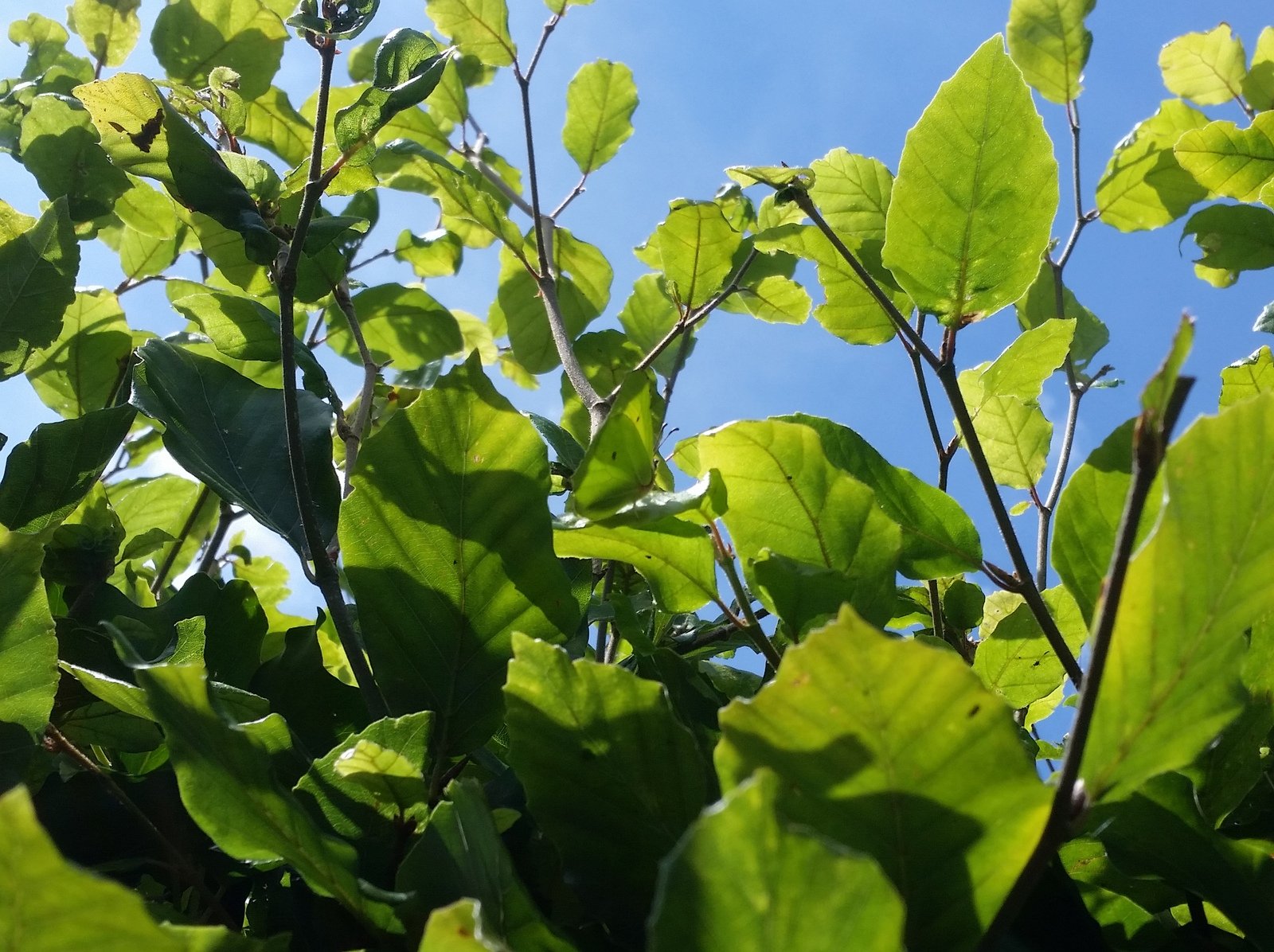
The leafless plant doesn’t stop at just copying the color or shape of its neighbors. It goes further, matching the subtle patterns and even the way light bounces off its surface. Some scientists liken this to a master painter, matching not just the broad strokes but every tiny detail. In shaded forests, for example, the plant might take on a darker, more matte appearance, while in sunnier spots, it could develop a shinier, lighter stem. The level of detail is so precise that even experienced botanists can be fooled.
Invisible Cues: How Does the Plant “Sense” Its Environment?

If it can’t see or touch, how does the plant know what to imitate? The secret may lie in chemical signaling. Plants release molecules into the air and soil, sharing information with each other. The leafless plant could be “listening” to these invisible messages, picking up clues about what its neighbors are like. By sensing chemical patterns, it adjusts its own growth and appearance. It’s a bit like hearing a song and humming along, even if you’ve never seen the sheet music.
The Role of Parasitism in Plant Mimicry
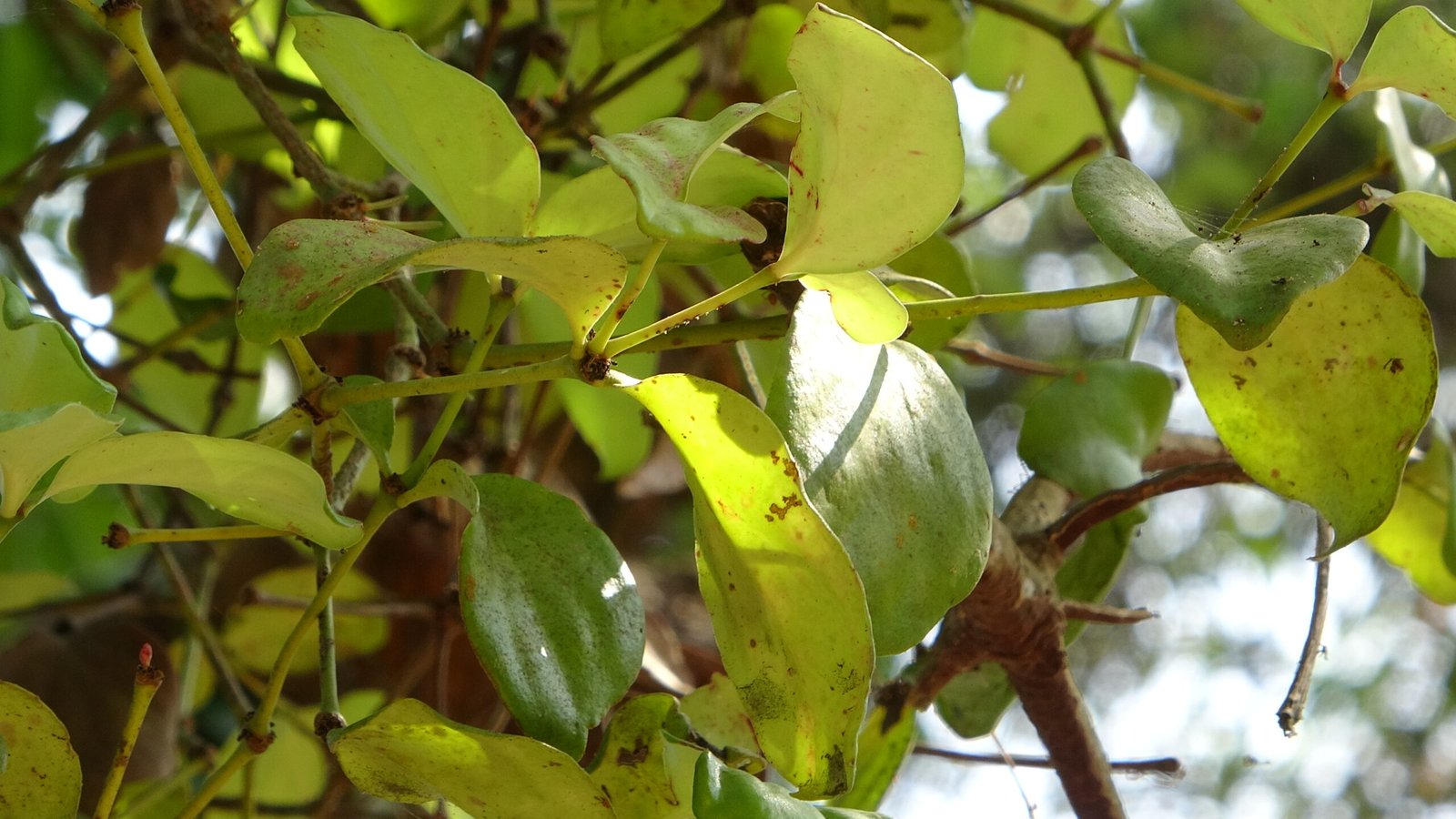
Some leafless plants are also parasites, living off the roots or stems of other plants. By physically attaching to their hosts, they might pick up more than just nutrients—they could be absorbing signals that help them mimic. This close relationship blurs the line between individuality and imitation. In a way, the leafless plant becomes an extension of its host, borrowing its identity to survive and thrive.
Genetic Memory: The Blueprint for Disguise

Each generation of the leafless plant carries the memory of what worked best for survival. This “memory” isn’t stored in a brain, but in genes. Over time, the plant’s DNA has collected the instructions needed to blend in, passing them down like treasured recipes. Mutations that enhance mimicry are kept, while those that stand out are quickly weeded out. This genetic blueprint is the plant’s secret weapon, allowing it to keep up with ever-changing neighbors.
When Mimicry Fails: The Risks of Standing Out

Despite its skill, sometimes the leafless plant’s disguise isn’t perfect. A sudden change in the environment or an influx of new species can leave it exposed. When that happens, predators and herbivores quickly take notice. These moments are brutal reminders of evolution’s high stakes: one misstep, and the plant could be wiped out. This constant pressure keeps the mimicry sharp, ensuring only the most convincing fakes survive.
The Science Behind Plant Perception
Recent research has shown that plants can “sense” their environment in ways that seem almost magical. Some can detect light quality, gravity, and even vibrations in the ground. While the leafless plant lacks the classic senses, it’s not blind to the world. Specialized receptors in its tissues allow it to pick up subtle changes—like the way a safecracker feels for tumblers in a lock. These abilities, though hidden, are powerful tools in the fight for survival.
Mimicry Beyond Survival: The Art of Deception

For the leafless plant, mimicry isn’t just about hiding from danger. It’s also a way to manipulate the ecosystem. By blending in, it can sneak into new territories, outcompete rivals, or even attract unsuspecting pollinators. This strategy has inspired scientists to rethink how deception works in nature. It’s not just about survival; it’s about thriving in a world full of competition.
Real-World Examples: Nature’s Best Impersonators
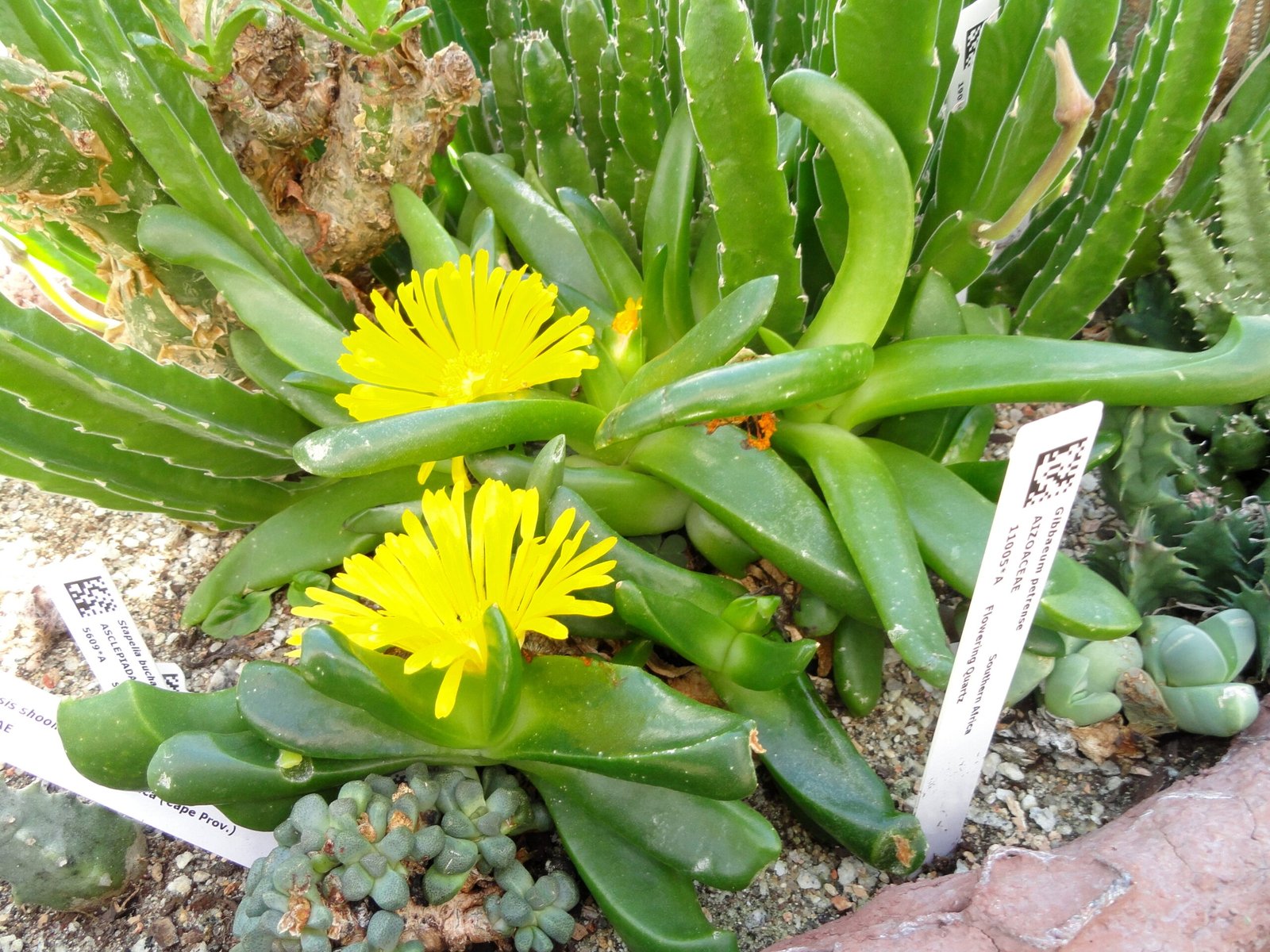
The leafless plant isn’t alone in its talent for mimicry. All across the world, plants have evolved to look like rocks, sticks, or even animal droppings—all in the name of survival. The orchid genus Ophrys, for instance, mimics the shape and scent of female insects to attract mates. But the leafless plant’s trick is unique—imitating not a single object, but the ever-changing community around it, without the senses we take for granted.
Lessons From the Forest Floor

Walking through the woods, it’s easy to overlook the silent drama unfolding at your feet. But the story of the leafless plant is a reminder that nature’s greatest feats often go unnoticed. Every plant, no matter how simple, is locked in a complex game of adaptation and survival. The leafless plant’s journey is both a lesson in humility and a celebration of life’s resilience.
The Human Connection: What Can We Learn?

Humans are natural imitators, too. From learning to speak to copying fashion trends, we thrive by observing and adapting. The leafless plant’s story challenges us to rethink what it means to “see” and “know.” Sometimes, the most powerful tools are hidden beneath the surface—patience, persistence, and the courage to change.
The Ongoing Puzzle for Scientists
Despite years of study, the leafless plant continues to surprise researchers. New discoveries spark more questions: Could there be other senses at play? What else can we learn from its genetic toolbox? Each answer leads to a deeper mystery, turning the plant into a living riddle that scientists are eager to solve.
Nature’s Silent Innovators

The leafless plant stands as a testament to nature’s creativity. Without eyes, touch, or even leaves, it has found a way to survive by blending in, adapting, and outsmarting its enemies. Its story is a quiet revolution, reminding us that in nature, limitations can become strengths.
From Obscurity to Marvel: Changing Perceptions
Just a few decades ago, the leafless plant was dismissed as a botanical oddity. Today, it’s celebrated as a marvel of evolution, inspiring awe and curiosity. Scientists, artists, and nature lovers alike find themselves drawn to its story—a symbol of how much we have yet to discover about the world around us.
A Final Reflection: The Power of Adaptation

The tale of the leafless plant is more than a scientific curiosity. It’s a story of survival, innovation, and the relentless drive to blend in when everything says you shouldn’t. Next time you wander through a forest, look a little closer. There may be more to the plants around you than meets the eye. Isn’t it amazing how even the quietest lives can teach us the loudest lessons?