
Picture this: a moldy cantaloupe sitting forgotten in a laboratory, its fuzzy green surface teeming with microscopic life. What if I told you that this seemingly disgusting sight held the key to saving millions of lives? In the summer of 1943, a team of desperate scientists in Peoria, Illinois, was racing against time to solve one of World War II’s most pressing problems. They needed to mass-produce penicillin, the miracle drug that could heal wounded soldiers, but traditional methods were failing miserably. Little did they know that their salvation would come from the most unlikely source – a moldy piece of fruit from a local grocery store.
The Desperate Hunt for a Miracle Mold
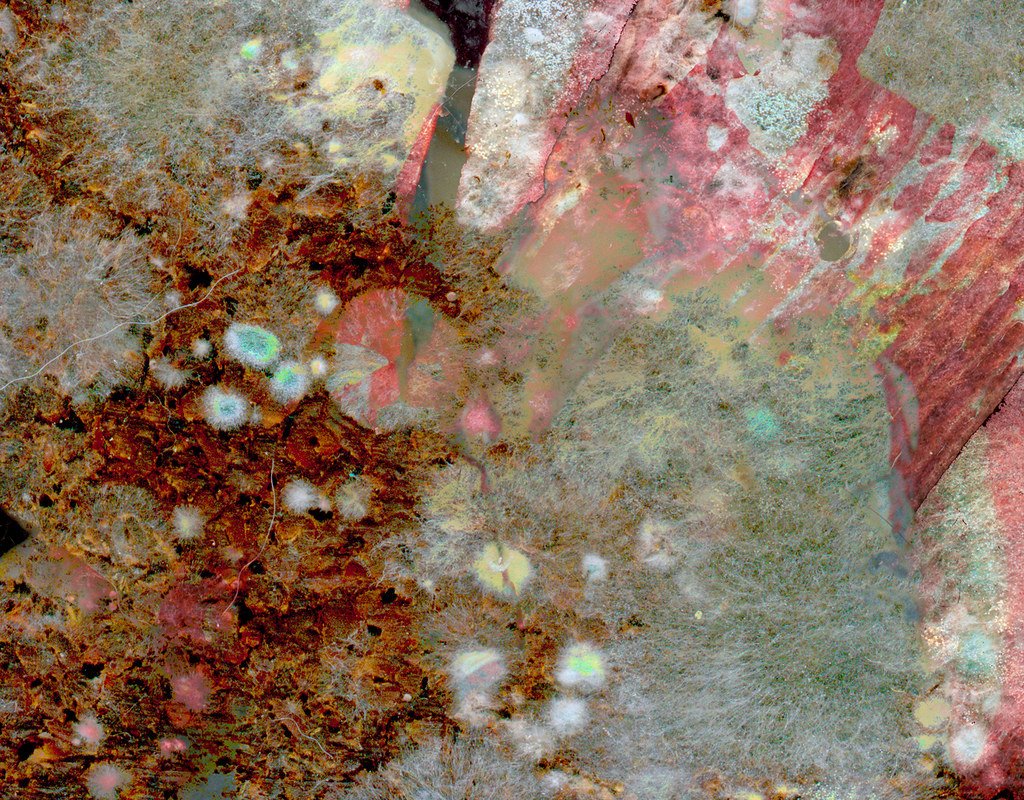
The year was 1943, and the world was burning. Soldiers were dying not just from bullets and bombs, but from infections that could have been easily treated. Alexander Fleming had discovered penicillin in 1928, but producing enough of it to save lives remained an impossible dream.
The British had tried everything they could think of, but their penicillin yields were pathetically low. They were getting maybe 20 units per milliliter from their precious Penicillium notatum strain. For a drug that could mean the difference between life and death, this wasn’t nearly enough.
That’s when the desperate British turned to their American allies. The U.S. Department of Agriculture’s research facility in Peoria became ground zero for the most important biological treasure hunt in human history. Scientists there knew they needed a better mold – one that could pump out penicillin like a factory.
Mary Hunt and Her Moldy Mission

Enter Mary Hunt, a laboratory assistant who would become known as “Moldy Mary.” Her job was both simple and bizarre: collect moldy samples from anywhere and everywhere she could find them. Hunt scoured garbage cans, compost piles, and grocery stores with the dedication of a gold prospector.
Every day, she brought back bags full of rotting fruit, moldy bread, and decomposing vegetables. Her colleagues probably thought she’d lost her mind, but Hunt understood the stakes. Somewhere in that disgusting collection of decay might be the key to saving countless lives.
The process was methodical but frustrating. Each sample had to be carefully tested to see if it produced penicillin, and if so, how much. Most samples were complete duds, producing no penicillin at all.
The Golden Discovery on Elm Street
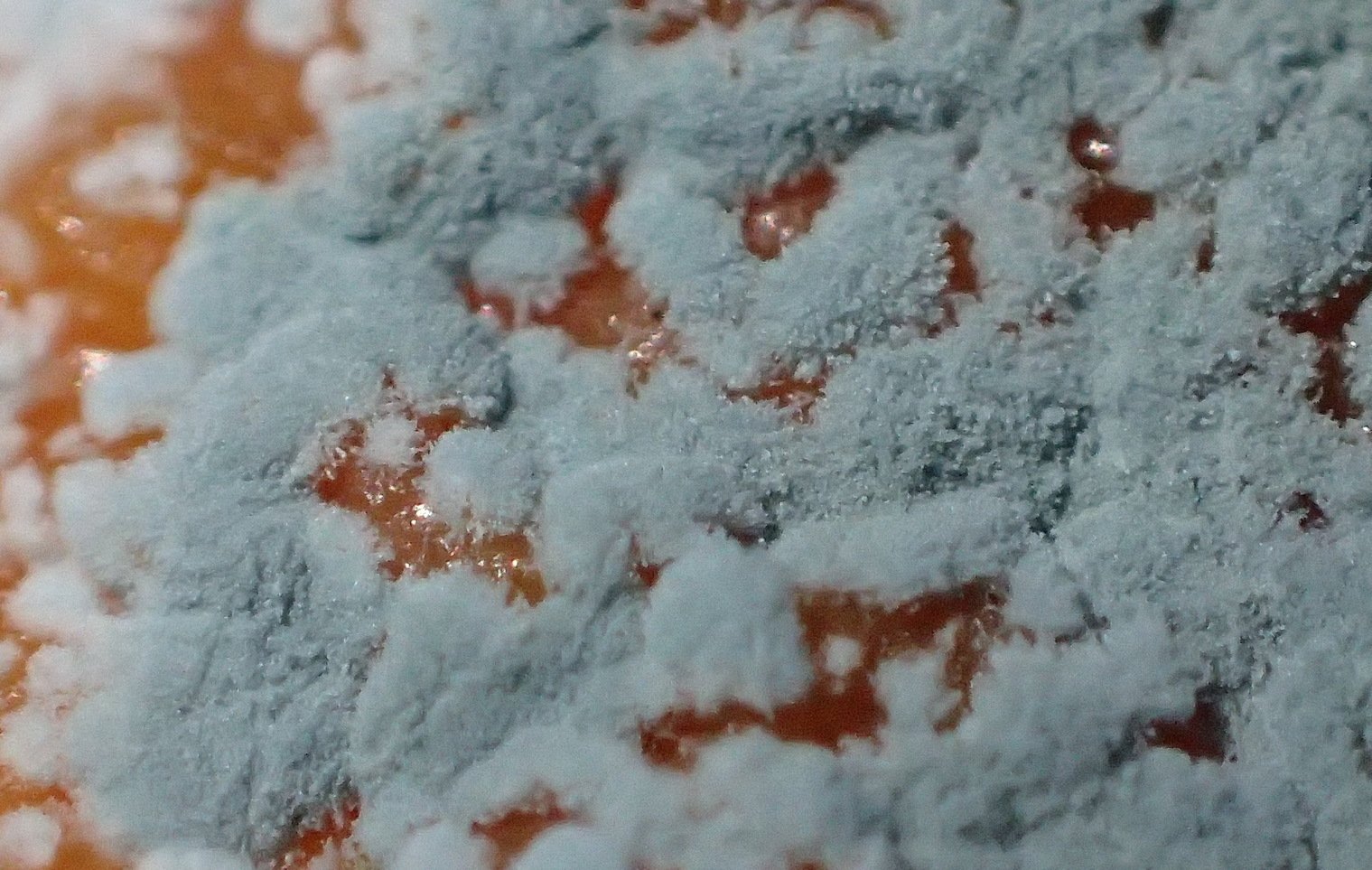
On a sweltering day in July 1943, Hunt made her regular rounds through the grocery stores of Peoria. At a small market on Elm Street, she spotted something that made her heart race – a cantaloupe covered in a beautiful golden-green mold. The fruit was clearly past its prime, which made it perfect for her purposes.
She carefully collected the specimen and rushed it back to the laboratory. What happened next would change the course of medical history forever. The mold growing on that cantaloupe wasn’t just any ordinary fungus – it was Penicillium chrysogenum, and it was absolutely loaded with penicillin-producing potential.
When the scientists tested this new strain, they couldn’t believe their eyes. The cantaloupe mold was producing 200 units of penicillin per milliliter – ten times more than anything they’d seen before.
The Science Behind the Miracle
What made this particular mold so special? The answer lies in the incredible world of fungal genetics and biochemistry. Penicillium chrysogenum had evolved a more efficient pathway for producing penicillin as a natural defense mechanism against bacteria.
Think of it like a factory that had been redesigned for maximum efficiency. While Fleming’s original Penicillium notatum was like a small workshop producing a few items by hand, the cantaloupe mold was like a modern assembly line cranking out products at breakneck speed.
The mold achieved this through a combination of factors: enhanced enzyme production, better nutrient utilization, and optimized cellular structures. It was nature’s own biotechnology breakthrough, refined through millions of years of evolution.
From Grocery Store to Global Savior

The discovery of this super-mold was just the beginning. The Peoria team now had the raw material they needed, but they still had to figure out how to cultivate it on an industrial scale. This meant developing new fermentation techniques, optimizing growth conditions, and solving countless technical challenges.
The timing couldn’t have been more critical. D-Day was approaching, and military planners knew that the invasion of Europe would create an unprecedented demand for antibiotics. Wounded soldiers would need immediate treatment, and penicillin was their best hope for survival.
Within months, the cantaloupe mold was being cultivated in massive fermentation tanks across the United States. Pharmaceutical companies worked around the clock to ramp up production, transforming this accidental discovery into a medical revolution.
The Mutation That Changed Everything

But the story gets even more remarkable. Scientists didn’t just use the cantaloupe mold as they found it – they deliberately exposed it to X-rays and ultraviolet light to create mutations. This sounds like science fiction, but it was cutting-edge biotechnology for the 1940s.
One particular mutant strain, designated NRRL 1951, became the grandfather of virtually all commercial penicillin production. This strain could produce an astounding 2,000 units of penicillin per milliliter – a hundred times more than Fleming’s original discovery.
The process was like playing genetic roulette, but with incredibly high stakes. Most mutations were useless or even harmful, but occasionally, the scientists would hit the jackpot with a strain that could produce even more penicillin.
The Fermentation Revolution

Creating enough penicillin to save lives required more than just a good mold – it demanded a complete revolution in fermentation technology. The Peoria scientists had to become experts in everything from nutrition to engineering, developing new ways to feed and nurture their precious fungi.
They discovered that the mold had very specific dietary requirements. It needed just the right balance of carbon and nitrogen sources, along with trace minerals and vitamins. Too much of one nutrient and the mold would grow but not produce penicillin; too little and it would die.
The fermentation process itself was an art form. Scientists had to maintain perfect temperature, pH, and oxygen levels while the mold grew and produced its life-saving compounds. It was like conducting a microscopic orchestra where every instrument had to be perfectly tuned.
The Race Against Time

As 1943 turned into 1944, the pressure was mounting. Military hospitals were reporting incredible success with penicillin treatments, but supplies were running dangerously low. The cantaloupe mold project had become a matter of national security, with top-secret clearances and military escorts.
Production facilities were being built at breakneck speed across the country. Companies that had never heard of penicillin were suddenly retooling their factories to produce this miracle drug. The entire pharmaceutical industry was mobilizing for what would become the largest biotechnology effort in history.
The scientists in Peoria worked eighteen-hour days, seven days a week. They knew that every day of delay meant more soldiers would die from preventable infections. The weight of those lives drove them to push the boundaries of what was scientifically possible.
D-Day and the Penicillin Miracle

When Allied forces stormed the beaches of Normandy on June 6, 1944, they carried with them something that would prove almost as important as their weapons – vast quantities of penicillin derived from that moldy cantaloupe. For the first time in human history, battlefield medicine had a weapon that could defeat infection.
The results were nothing short of miraculous. Wounded soldiers who would have died from infected wounds in previous wars were walking out of field hospitals within days. The death rate from bacterial infections plummeted from around 18% in World War I to less than 1% in World War II.
Military surgeons reported that they could now attempt operations that would have been suicide missions in earlier conflicts. The knowledge that penicillin could control post-surgical infections gave them the confidence to save lives that would have been lost.
The Civilian Revolution

As the war wound down, the impact of the cantaloupe mold discovery began to ripple through civilian medicine. Diseases that had terrorized humanity for centuries – pneumonia, meningitis, syphilis – suddenly became treatable conditions rather than death sentences.
Children who would have died from simple infections were now growing up healthy and strong. The average human lifespan began to increase dramatically as infectious diseases lost their grip on mortality statistics. It was the beginning of the modern medical age.
Hospitals that had been overwhelmed with infectious disease patients found themselves with empty beds. The entire practice of medicine was being transformed by this single discovery, and it all traced back to that moldy cantaloupe on Elm Street.
The Genetic Legacy
The cantaloupe mold strain discovered by Mary Hunt didn’t just save lives during World War II – it became the genetic foundation for virtually all penicillin production that followed. Even today, the vast majority of penicillin manufactured around the world can trace its lineage back to that single piece of fruit.
Scientists have continued to improve upon Hunt’s discovery, using modern genetic engineering techniques to create even more efficient strains. But the basic genetic blueprint remains the same – a testament to the power of that original evolutionary adaptation.
This genetic legacy represents one of the most successful examples of applied microbiology in human history. A single organism, discovered by chance, has been responsible for producing trillions of doses of life-saving medicine.
The Ripple Effect on Antibiotic Development

The success of the cantaloupe mold project didn’t just revolutionize penicillin production – it created an entirely new field of antibiotic discovery. Scientists realized that nature was full of microorganisms producing compounds that could fight disease, and they began searching with renewed vigor.
This led to the discovery of streptomycin, tetracycline, and dozens of other antibiotics. Each new discovery built upon the lessons learned from the penicillin project, creating a pharmaceutical revolution that continues to this day.
The screening methods developed in Peoria became the standard for antibiotic discovery. Researchers around the world began collecting soil samples, plant materials, and yes, moldy fruit, hoping to find the next miracle cure.
Modern Penicillin Production

Today’s penicillin production facilities would be unrecognizable to the scientists who worked with that first cantaloupe mold, but the basic principles remain the same. Massive fermentation tanks, some holding thousands of gallons, nurture descendants of Mary Hunt’s discovery under carefully controlled conditions.
Computer systems monitor every aspect of the fermentation process, adjusting nutrients, temperature, and oxygen levels with precision that would have been impossible in the 1940s. The mold strains themselves have been further refined through decades of genetic improvement.
Despite all these technological advances, the fundamental biology hasn’t changed. The same metabolic pathways that evolved in that cantaloupe mold are still churning out penicillin in factories around the world, a testament to the power of natural selection.
The Unsung Heroes of Medical History
While Alexander Fleming rightfully receives credit for discovering penicillin, the story of Mary Hunt and the cantaloupe mold reveals the collaborative nature of scientific breakthroughs. Hunt’s methodical collection of moldy specimens was just as crucial to saving lives as Fleming’s original observation.
The Peoria laboratory team, working in relative obscurity, solved the production problems that made penicillin a practical reality. Their names aren’t household words, but their work literally changed the world. They proved that sometimes the most important discoveries come from the most unlikely places.
The story also highlights the importance of basic research and the willingness to investigate seemingly mundane phenomena. Who would have thought that a moldy cantaloupe from a grocery store could hold the key to one of medicine’s greatest triumphs?
The Continuing Battle Against Resistance

The victory over infectious disease that began with the cantaloupe mold discovery wasn’t permanent. Bacteria, with their incredible ability to adapt and evolve, began developing resistance to penicillin and other antibiotics. This ongoing battle between human medicine and bacterial evolution continues today.
Scientists are once again searching for new sources of antimicrobial compounds, often returning to the same natural environments that yielded the original discoveries. The methods pioneered in Peoria are being applied to marine organisms, exotic plants, and extreme environments.
The cantaloupe mold story serves as both inspiration and warning – inspiration for the incredible potential of natural products, and warning that our microbial enemies are always evolving new defenses.
Lessons from a Moldy Cantaloupe

The transformation of a discarded piece of fruit into a life-saving miracle offers profound lessons about the nature of scientific discovery. It reminds us that breakthroughs often come from unexpected places and that persistence in the face of failure is essential for success.
Mary Hunt’s systematic approach to collecting specimens, testing them methodically, and refusing to give up despite countless failures, exemplifies the scientific method at its best. Her story proves that scientific heroes aren’t always the ones who make the dramatic discoveries – sometimes they’re the ones who do the patient, careful work that makes those discoveries possible.
The cantaloupe mold discovery also demonstrates the importance of collaboration between different disciplines. Microbiologists, chemists, engineers, and even grocery store clerks all played essential roles in bringing penicillin to the world. No single person could have accomplished this feat alone.
Perhaps most importantly, the story shows us that nature still holds countless secrets waiting to be discovered. That moldy cantaloupe had been sitting on countless grocery store shelves before Mary Hunt recognized its potential. How many other natural treasures are we walking past every day without realizing their value?
The next time you see a piece of moldy fruit, remember that you’re looking at one of nature’s most sophisticated chemical laboratories. Who knows what miracles might be growing right under our noses, waiting for someone with the curiosity and persistence to unlock their secrets?