
The emergence of 3D printing technology has heralded a new era in various sectors, including manufacturing, medicine, and art. Perhaps one of the most fascinating and promising applications is in the field of conservation and restoration. 3D printing offers a transformative approach that is revolutionizing how we address the challenges of preserving our natural and cultural heritage.
Applications in Wildlife Conservation

One of the most notable impacts of 3D printing in conservation is its application in wildlife conservation efforts. Technologies have been developed to create prosthetic limbs for injured animals, significantly improving their quality of life and increasing their chances of survival. For example, birds with damaged beaks, turtles with cracked shells, and elephants with amputated limbs have benefited from custom-designed 3D-printed prosthetics.
Moreover, 3D printing is facilitating the development of artificial habitats and breeding programs. Artificial coral reefs created through 3D printing have been deployed to provide a safe haven for marine life, aiding in the restoration of damaged ecosystems. The precision and rapid production capabilities of 3D printing allow for the creation of complex structures that mimic natural environments.
Advancements in Cultural Heritage Restoration
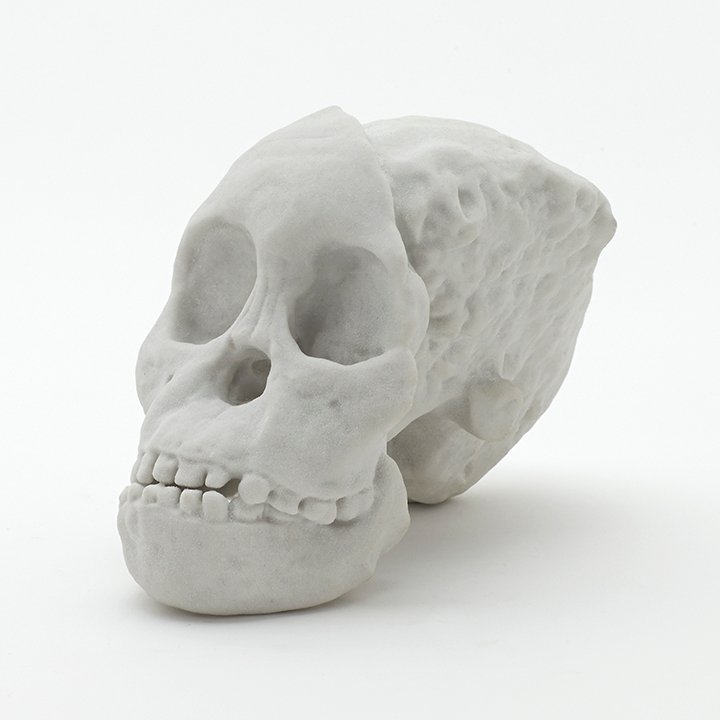
Cultural heritage conservation has also seen significant advancements thanks to 3D printing. Museums and historical sites are increasingly using this technology to restore and reproduce artifacts and artworks. This revolutionizes traditional restoration methods, which can be intrusive and sometimes irreversible.
In instances where original materials are missing or too fragile to withstand conventional restoration techniques, 3D printing provides a non-invasive solution. Artifacts can be scanned, and accurate replicas can be produced without endangering the integrity of the original objects. These replicas serve various purposes, from replacement parts in restoration to educational tools that allow the public to engage with cultural history in a tactile way.
Challenges and Considerations

Despite its many advantages, the application of 3D printing in conservation is not without challenges. The technology can be costly, and there is a need for highly specialized expertise to operate 3D printers and to create digital models for printing. Moreover, the ethical considerations of replicating cultural artifacts must be carefully managed to ensure the originality and significance of cultural heritage remain respected.
Another concern is the selection of appropriate materials. While 3D printing allows for versatile material options, choosing materials that are durable and sustainable yet compatible with the existing environment of the conservation subject is critical. Ongoing research and development are essential to address these challenges and optimize 3D printing applications for conservation purposes.
The Future of 3D Printing in Conservation

The potential of 3D printing in conservation is vast, promising innovative solutions to some of the biggest challenges in environmental and cultural preservation. As technology evolves, it is expected to become more accessible and cost-effective. This evolution could democratize conservation efforts, enabling even small research teams and non-profit organizations to undertake impactful projects.
Future advancements may also improve the accuracy and efficiency of 3D-printed prosthetics and habitats, further benefiting wildlife and ecosystems. As we continue to explore the capabilities of this cutting-edge technology, the scope of its application will likely expand, fostering greater collaboration across disciplines and countries in the shared goal of preserving our planet’s precious resources.
Conclusion

3D printing is changing the landscape of conservation and restoration by providing innovative, practical solutions to complex problems. While challenges remain, the technology promises a future where efficient, ethical, and effective preservation of both natural and cultural heritage is possible. As interest and investment in 3D printing grow, we can expect to see continued progress in how we approach conservation initiatives, making this an exciting field to watch.