
The South rarely sees snow like this. When weather forecasters started warning about a major winter storm heading toward Texas and Oklahoma, many locals probably shrugged it off. After all, these kinds of predictions don’t always pan out in regions more accustomed to tornadoes than blizzards. But this time was different. As snowflakes began falling across areas wholly unprepared for winter’s fury, millions of Americans suddenly found themselves facing conditions they simply weren’t equipped to handle. What makes this storm particularly nerve-wracking is its timing and scope. We’re talking about a massive weather system that doesn’t discriminate between the Deep South and the Northeast. So what exactly is happening, and why should you care even if you’re nowhere near the affected areas?
Texas and Oklahoma Bear the Brunt of Early Snowfall
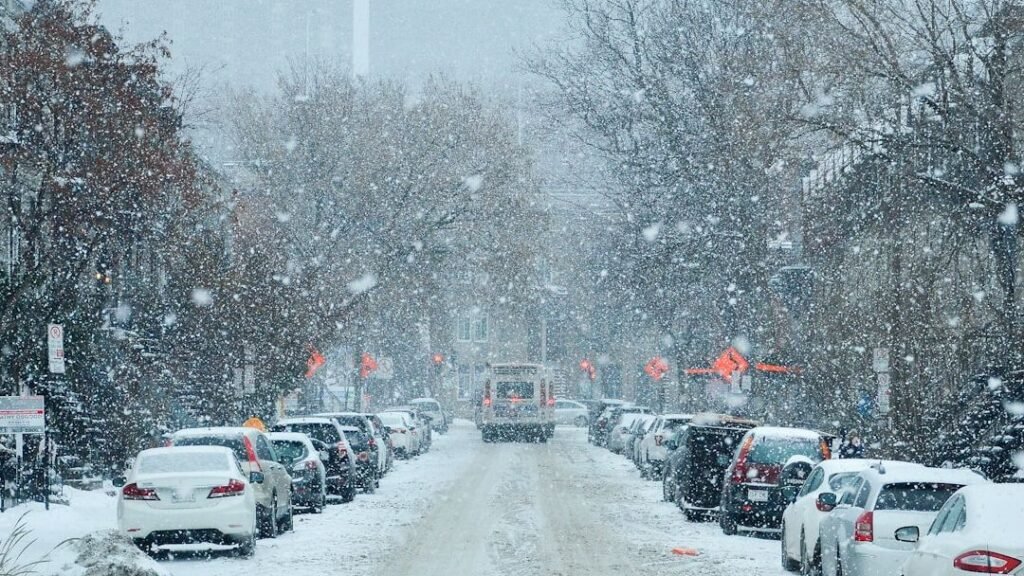
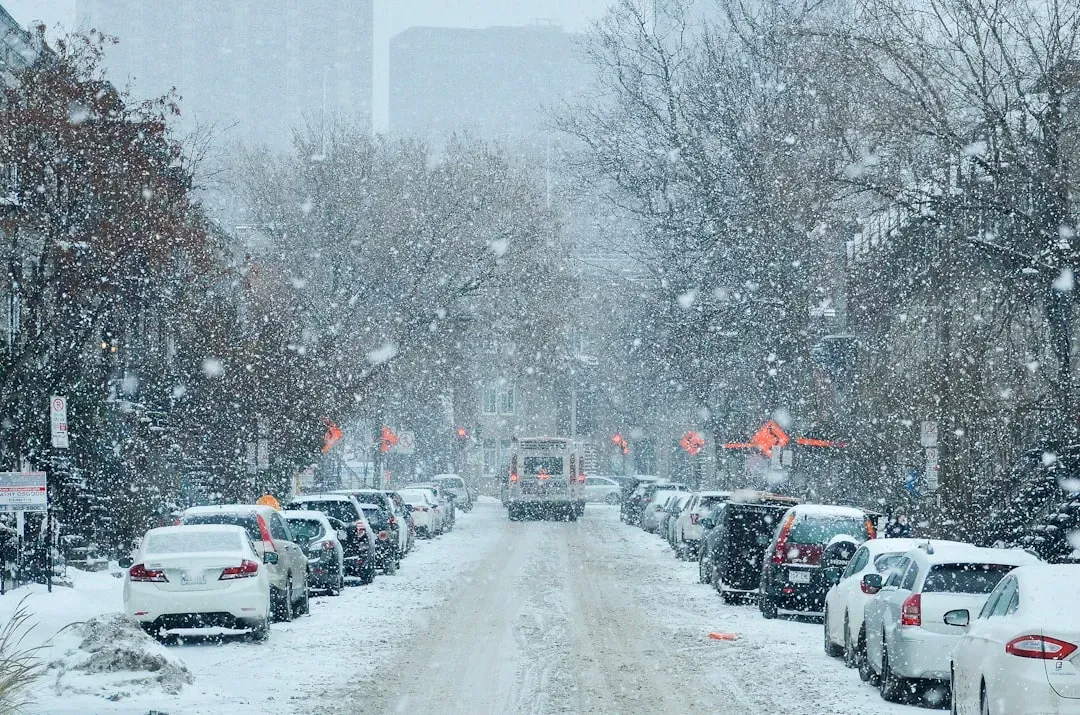
Snow started accumulating across Texas and Oklahoma earlier than meteorologists initially predicted. Roads that rarely see ice became treacherous skating rinks within hours. The storm caught many residents off guard, with some areas receiving several inches of snow before most people even finished their morning coffee.
Local authorities scrambled to respond as accidents piled up on highways ill-equipped for winter weather. Texas, still haunted by memories of the devastating 2021 winter storm that crippled its power grid, watched nervously as temperatures plummeted. This time around, officials promised they were better prepared, but the true test was just beginning as the storm intensified.
Power Grids Face Critical Test Amid Plunging Temperatures
The elephant in the room for Texas remains its electrical infrastructure. Everyone remembers what happened last time when the grid failed spectacularly, leaving millions shivering in the dark. Energy officials insisted they’d made improvements since that disaster, implementing weatherization measures and backup protocols designed to prevent another catastrophic failure.
Yet as demand surged with heaters cranking across the state, the system strained under pressure. Rolling blackouts became a real possibility in some areas. The anxiety was palpable. Honestly, it’s hard to blame Texans for feeling skeptical about reassurances from the same entities that let them down before. The coming days would reveal whether those expensive upgrades actually worked.
Eastern Seaboard Braces for Impact
While Texas and Oklahoma dealt with immediate chaos, the Eastern United States watched the storm’s projected path with growing concern. Weather models showed the system strengthening as it moved northeast, potentially bringing heavy snow to regions from the Mid-Atlantic through New England. Cities like Washington, Philadelphia, and New York started preparing for significant accumulations.
The timing couldn’t be worse for major metropolitan areas. Mid-week snowstorms always create maximum disruption, snarling commutes and forcing difficult decisions about closing offices and schools. Grocery stores saw panicked rushes as people stocked up on essentials. There’s something almost ritualistic about Americans buying bread and milk before a snowstorm, even when we all know we probably won’t need that much.
Climate Patterns Behind the Extreme Weather
Meteorologists pointed to a dramatic southward dip in the jet stream as the culprit behind this unusual winter blast. Arctic air masses that typically stay confined to northern latitudes had plunged deep into the continental United States, colliding with moisture from the Gulf of Mexico. That combination creates the perfect recipe for significant winter storms in areas that rarely experience them.
Some climate scientists noted these kinds of extreme weather events might become more common as atmospheric patterns shift. The polar vortex, that swirling mass of cold air usually locked over the Arctic, has been acting increasingly unstable in recent years. When it weakens or splits, frigid air spills southward, catching unprepared regions off guard. It’s a stark reminder that climate change doesn’t just mean warmer temperatures everywhere.
Economic Impacts Ripple Across Multiple Sectors
Beyond the immediate human cost of dangerous travel and power concerns, this winter storm carried serious economic implications. The energy sector faced volatile pricing as demand spiked while production facilities in affected areas struggled with frozen equipment. Natural gas prices jumped significantly as heating needs soared across the region.
Agriculture took a hit as well, with livestock exposed to brutal conditions and crops vulnerable to freeze damage. The trucking industry, already dealing with tight margins and driver shortages, faced massive delays that would cascade through supply chains for days. Some industries actually benefited, particularly those selling winter gear and emergency supplies, but overall the economic disruption was substantial. Every day this weather system stalled commerce represented millions in lost productivity.
Lessons Learned and Ongoing Concerns
This storm served as yet another wake-up call about infrastructure resilience in the face of extreme weather. Southern states historically built their systems around mild winter expectations, a gamble that keeps backfiring as unusual cold snaps become more frequent. The question isn’t whether these events will happen again, but when and how severe they’ll be next time.
I think we’re past the point where anyone can claim these are once-in-a-century anomalies. When “unprecedented” weather happens every few years, it stops being unprecedented and starts being the new normal. Communities across the affected regions will need to seriously evaluate whether their infrastructure can handle conditions that used to be theoretical but are now recurring realities. That means expensive upgrades and difficult budget decisions.
The storm brought the Eastern United States to a standstill, from Texas through Oklahoma and beyond, creating chaos across transportation networks, straining power systems, and forcing millions to hunker down against conditions many had never experienced before. As cleanup efforts begin in areas where the worst has passed, residents further north prepare for their turn with this relentless winter system. One thing’s certain: weather this extreme leaves lasting impressions and raises uncomfortable questions about our readiness for whatever comes next. What would you do if a storm like this hit your area tomorrow?