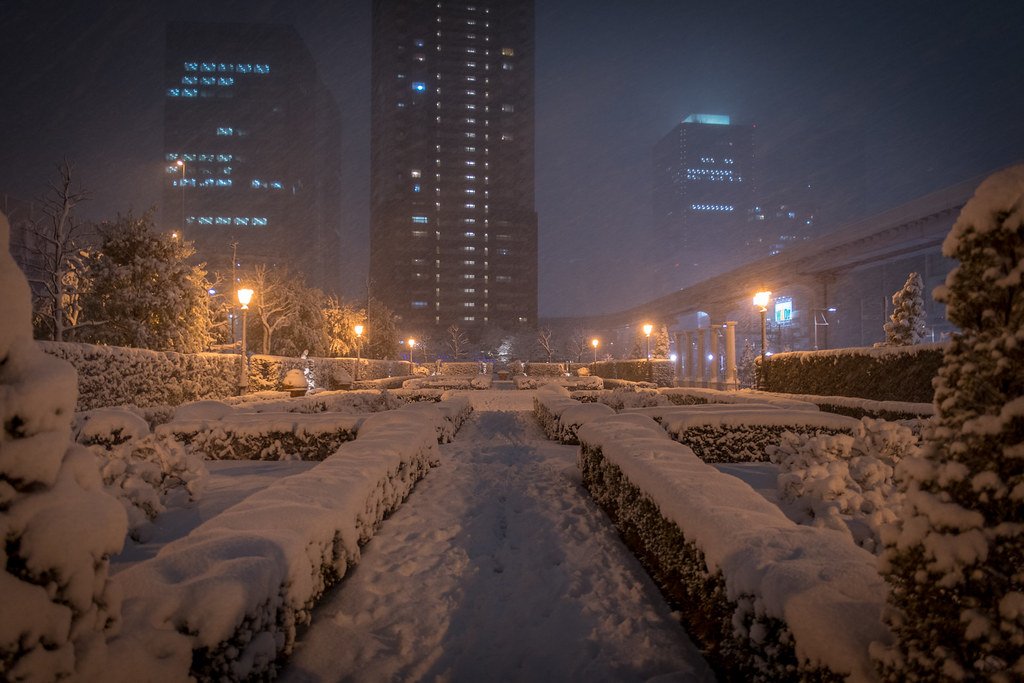
Storm Unleashes Unprecedented Fury (Image Credits: Flickr)
The Northeast – A bomb cyclone fueled ferocious blizzard conditions that buried parts of the region under record snowfall and left well over half a million homes and businesses without power at the storm’s peak.[1]
Storm Unleashes Unprecedented Fury
The system, dubbed Winter Storm Hernando, rapidly intensified into a bomb cyclone as it barreled through the Northeast on February 23.[2] Winds gusted to 79 mph near Wellfleet, Massachusetts, and 73 mph in North Kingstown, Rhode Island, toppling trees and snapping power lines across multiple states.[3][2]
Heavy, wet snow fell at rates of up to three inches per hour in spots like Upton, New York, overwhelming plows and creating whiteout conditions.[2] Officials described the onslaught as historic. Josh Estrella, a spokesman for Providence, Rhode Island, called it “the most historic blizzard we’ve received.”[1]
Governors in several states declared emergencies, with travel restrictions imposed from Massachusetts to New Jersey. The storm stretched from Virginia to Maine, paralyzing the I-95 corridor.[4]
Snowfall Totals Break Long-Standing Marks
Record after record fell as accumulations piled up far beyond expectations. Providence, Rhode Island, measured 33 inches, shattering its previous two-day mark of 28.6 inches from the 1978 blizzard.[1][4] Nearby T.F. Green International Airport tallied an unofficial 37.9 inches.
Other standout reports included:
- Whitman, Massachusetts: 33.7 inches
- Islip, New York: 31 inches (new record)[3]
- Stonington, Connecticut: nearly 31 inches
- Lyndhurst, New Jersey: nearly 31 inches
- Central Park, New York City: nearly 20 inches (ninth-highest on record)[1]
Four locations in Rhode Island exceeded three feet, while New York City’s airports recorded 19 to 22 inches.[2]
Power Grid Overwhelmed by Outages
Massachusetts bore the brunt, with nearly 300,000 customers affected, including over 85 percent on Cape Cod.[1] New Jersey reported about 100,000 outages, pushing the regional total above 500,000 and peaking near 650,000 nationwide.[4][2]
Delaware saw more than 60,000 without service, alongside significant numbers in Rhode Island and Maryland. Utility crews faced challenges from downed lines and ongoing winds, delaying restorations.[2]
By Tuesday morning, outages began to decline slightly, though hundreds of thousands remained in the dark.
Travel Chaos and Broader Disruptions
Airlines canceled over 5,600 flights on Monday alone, with thousands more affected Tuesday, grounding operations at major hubs like Boston Logan, JFK, LaGuardia, and Newark.[1][3] Transit systems halted, including NJ Transit trains and buses, while roads saw hundreds of stranded vehicles.
Massachusetts Governor Maura Healey banned non-essential travel in several counties and capped speeds at 40 mph on the Turnpike.[1] Schools closed across the region, though New York City planned to reopen. At least two fatalities occurred in Maryland from a tree falling on a vehicle.[3]
Key Takeaways
- Record snow exceeded 37 inches in Rhode Island, with dozens of new benchmarks set.
- Power outages peaked above 500,000, hardest hit in Massachusetts and New Jersey.
- Recovery focuses on plowing streets and restoring electricity amid more wintry weather ahead.
As line crews race against time and communities dig out mountains of snow, the Blizzard of 2026 stands as one of the most intense winter events in recent memory. More precipitation looms mid-week, testing resilience further. What impacts did this storm have in your area? Tell us in the comments.